


In the quiet, ritualistic world of Chinese tea brewing, where steam curls from delicate pots and the scent of oolong or pu’er fills the air, there often sits a small, silent companion. This is the tea pet, an enigmatic and charming figurine that shares the tea tray with the utilitarian tools of the ceremony. To the uninitiated, it might appear as a mere decorative trinket. Yet, to those who practice the art of tea, these miniature sculptures are vibrant participants, guardians of the ritual, and repositories of culture, history, and personal fortune. They are not just objects but nurtured companions, their evolving patina a testament to shared moments and poured intentions.
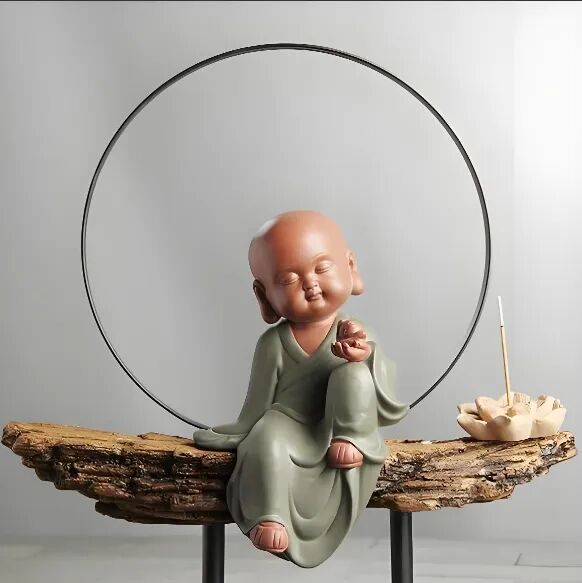
The tradition of the tea pet is intimately woven into the broader tapestry of Chinese tea culture, which itself stretches back millennia. While the precise origin of these figures is somewhat obscured by time, their emergence is a natural progression from ancient Chinese practices of venerating both tea and symbolic art. Historians often trace their lineage to the vibrant scholarly culture of the Song Dynasty, a period renowned for its aesthetic refinement and the elevation of tea drinking into a sophisticated art form. Scholars and literati would gather for elegant tea competitions, and their desks were adorned with prized objects known as wenfang qingwan, or “scholar’s studio implements.” Among brushes, inkstones, and paperweights, one could find small, exquisitely carved stone or clay figures. It is believed that these early desk ornaments, bathed occasionally in the leftover tea or water used to clean brushes, gradually found a more permanent home on the tea table itself. Their evolution was further cemented during the Ming and Qing dynasties, especially in the tea-producing regions of Yunnan, Fujian, and Jiangsu. Artisans, often those who crafted the famed Yixing clay teapots, began using the same distinctive zisha (purple clay) or other ceramic clays to create whimsical figures specifically for the tea tray. Thus, the tea pet transitioned from a general scholarly accoutrement to a dedicated element of the tea ceremony.
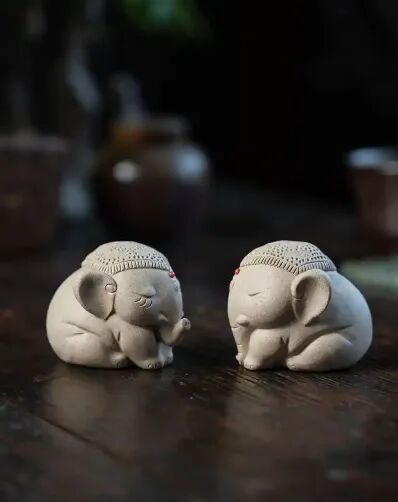
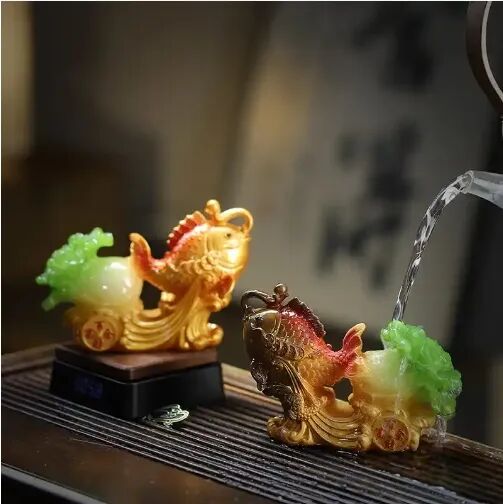
The magic of a tea pet lies not in its static form, but in its dynamic interaction with tea. A new tea pet typically arrives in a muted, unassuming hue. Its transformation begins with the ritual of “feeding.” After rinsing teacups or warming the pot, the practitioner does not discard the hot tea or water. Instead, it is lovingly poured over the figurine. This is not a casual sprinkle but a deliberate act of nurturing. Over weeks, months, and years, this repeated bathing allows the fine pores of the clay to absorb the tannins, oils, and minerals from the tea. Gradually, a rich, dark, and glossy patina develops, deepening the color and giving the figure a cherished, antique-like sheen. This process, known as “raising” or “cultivating” the tea pet, is a slow and meditative practice. It forges a tangible bond between the owner and the object, as the pet’s changing appearance becomes a visual diary of countless tea sessions, quiet reflections, and shared conversations. The tea pet, in essence, matures with its keeper, its luster a direct reflection of care and frequency of use.
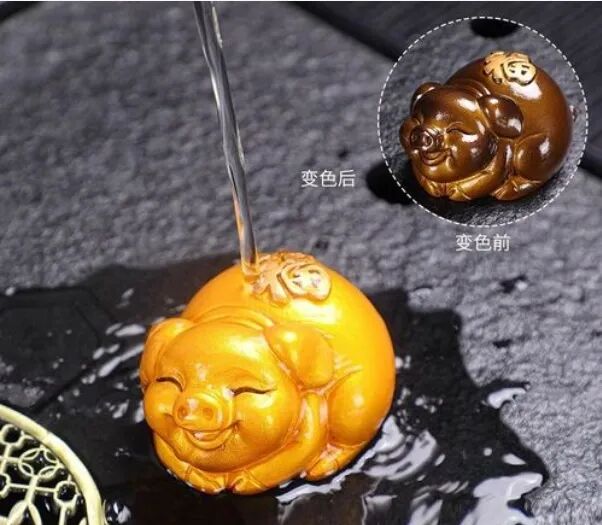
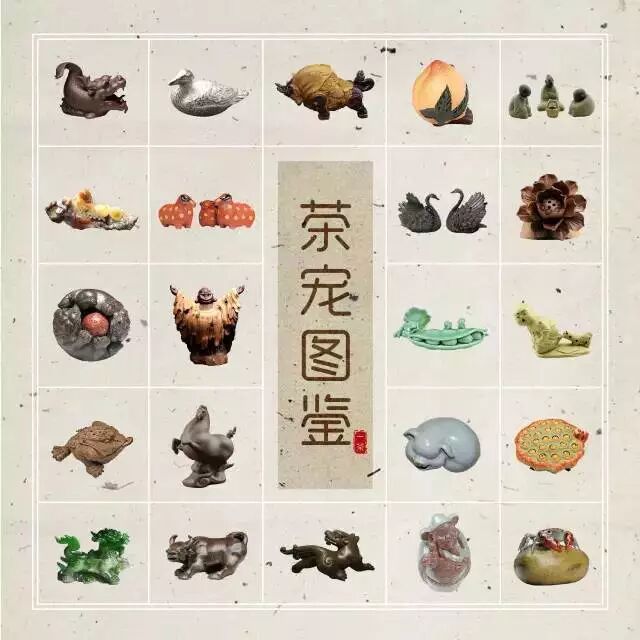
The shapes and forms of tea pets are a delightful bestiary and a lexicon of cultural symbols. They are never random; each creature carries a specific meaning and bestows a particular blessing upon the tea space. The most ubiquitous is perhaps the zhu or pig, a universal symbol of wealth, abundance, and honest comfort. A plump tea pet pig promises prosperity and a life free from want. The mythical qilin, a composite creature with features of a dragon, deer, and ox, represents benevolence, wisdom, and the arrival of illustrious offspring. The three-legged jinchan, or golden toad, is a powerful magnet for wealth and business success, often depicted sitting on a bed of coins. For longevity and resilience, one might choose a turtle or an elephant, the latter also symbolizing strength and stability. Dragons, emblematic of imperial power and auspicious energy, and phoenixes, representing renewal and harmony, are also popular. Beyond animals, one finds figures of Buddha, particularly the laughing Budai, embodying contentment and happiness, or the wise child-god Nezha. Modern artisans have even expanded the repertoire to include figures from popular culture, though the traditional symbols remain the heart of the tradition. The choice of a tea pet is therefore deeply personal, often reflecting the owner’s hopes, aspirations, or a need for a specific kind of positive energy in their life.
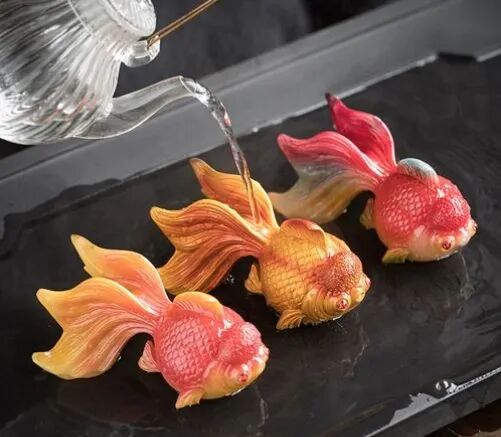
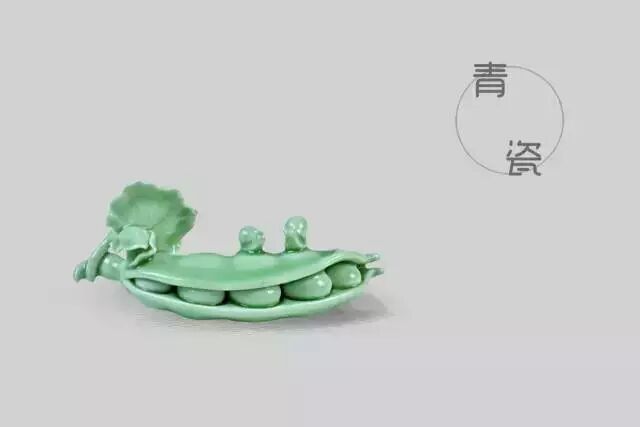
The creation of a high-quality tea pet is an artisanal craft that demands skill and patience. The primary material is the same revered clay used for Yixing teapots, mined from deposits around Dingshu in Jiangsu province. This clay is celebrated for its unique “breathability” and its ability to absorb the essence of tea, which makes it perfect for developing a patina. The process begins with meticulously preparing the clay to remove impurities. The artisan then hand-shapes or uses molds to form the basic figure. The most prized pieces are entirely hand-sculpted, showcasing incredible detail—from the individual scales on a dragon’s back to the serene expression on a Buddha’s face. After careful drying, the piece is fired in a kiln at temperatures exceeding 1000 degrees Celsius. Some tea pets are left unglazed to better absorb the tea, their final color determined by the natural hue of the clay and the firing process, resulting in shades of russet brown, ochre, or deep purple. Others may receive a partial glaze, often on areas like the eyes or decorative elements, to add a touch of brilliance. The finest examples display a balance of whimsical character and elegant craftsmanship, feeling substantial in the hand and inviting to the touch.
At its core, the practice of keeping a tea pet is infused with philosophical underpinnings drawn from China’s spiritual heritage. It resonates with the Daoist appreciation for nature, harmony, and the beauty of slow, organic transformation. The act of patiently nurturing the patina is a lesson in wu wei—effortless action—and a reminder to find joy in process rather than solely in outcome. From Confucianism comes the emphasis on ritual, respect, and the cultivation of one’s inner self and environment. The daily “feeding” is a small ritual of discipline and reverence that orders the mind. Furthermore, the symbolism of the figures connects to the ancient Chinese art of feng shui, the arrangement of space to encourage the flow of positive qi (energy). A tea pet serves as a potent feng shui cure on the tea table, its symbolic form attracting and stabilizing benevolent forces, thus enhancing the harmony and fortune of the household or workspace where tea is enjoyed.
In contemporary times, the tea pet has transcended its traditional roots to find new audiences and expressions. As global interest in Chinese tea culture surges, these charming figures have become sought-after souvenirs and conversation starters for foreigners exploring tea houses. Modern artisans continue to innovate, experimenting with new forms, clays, and even interactive designs. Some tea pets are engineered to “drink” from their mouths, with tea poured over their heads magically appearing to stream from their jaws. Others change color with temperature or are designed as functional parts of the tray, like water receptacles. Online communities of enthusiasts, spanning the globe, share photographs of their collections, exchange tips on “raising” techniques, and discuss the merits of different clays. For collectors, vintage or master-crafted tea pets from renowned artisans can become valuable objets d’art, appreciating in both monetary and cultural worth.
Ultimately, the tea pet is a bridge between the tangible and the intangible in Chinese culture. It is a clay figurine, yes, but one that embodies a philosophy of care, a language of symbols, and a practice of mindful living. For the foreign observer, understanding the tea pet offers a window into a worldview where everyday objects can be imbued with spirit and purpose. It speaks of a culture that finds time for ritual, values patience, and seeks harmony with nature and within oneself. On a bustling modern tea tray, the tea pet sits as a whimsical yet profound guardian—a silent witness to the steam rising from the pot, a repository of hopes, and a cherished companion on the timeless journey of tea. Its glossy patina, earned drop by aromatic drop, tells a story not written in words, but in the quiet, dedicated art of cultivation.

