


At the start of 2026, nine ministries including China’s Ministry of Commerce jointly launched the Green Consumption Promotion Initiative, rolling out 20 targeted measures to map out the green consumption development blueprint for the 15th Five-Year Plan period. This initiative covers all aspects of daily life, from food, clothing, housing and transportation to daily supplies and travel. It makes multi-dimensional efforts in product supply, service upgrading, model innovation and circular recycling, not only aligning with the national strategy of comprehensive green transition, but also catering to the people's demand for consumption upgrading. By strengthening standard guidance, financial support and regulatory safeguards, the policy has turned green consumption from an individual choice into a systematic project, injecting sustained green momentum into the high-quality development of the economy and society.

Life Renewal: The Green Transition of Daily Consumption
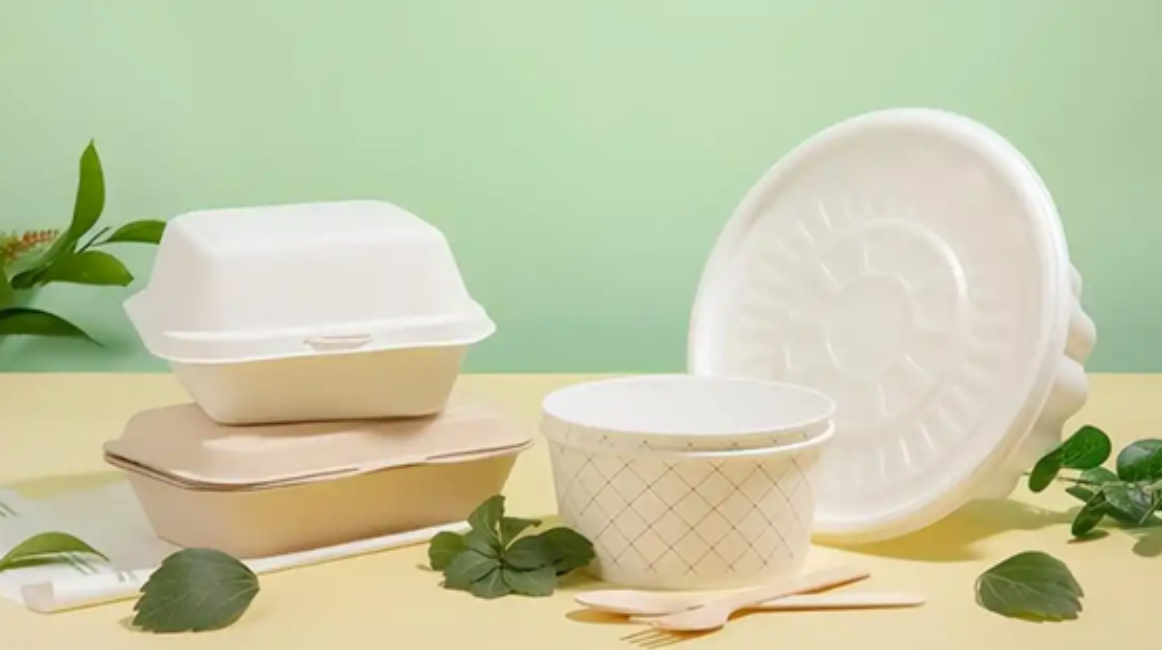
Green consumption is quietly reshaping the landscape of Chinese people’s daily life. In supermarkets, special sections for green agricultural products with traceability labels make shopping more reassuring. In home appliance stores, first-class energy-efficient products have become top choices, with trade-in subsidies lowering the threshold for green upgrades. In restaurants, options like "small-portioned dishes" and "no disposable tableware" have become standard, and biodegradable food containers have replaced single-use plastics. From carrying cloth bags for shopping to prioritizing green hotels, from commuting in new energy vehicles to participating in community idle item exchanges, the green concept is integrating into every detail of consumption, making low-carbon living both eco-friendly and high-quality.
Industrial Empowerment: Coordinated Upgrading of Supply and Demand Sides
The rise of green consumption is forcing an all-round transformation of the industrial sector. Manufacturers have successively incorporated green design into their development strategies: agricultural products are sourced directly from bases to cut intermediate links, home appliance enterprises develop energy-saving smart products, and automobile manufacturers focus on new energy vehicles and the used car market. The entire industrial chain is shifting toward green development. The construction of green supply chains advocated by policies has driven enterprises to conduct carbon footprint assessments and promote circular packaging. Meanwhile, the green consumption points system rewards consumers for their eco-friendly choices. The positive interaction between supply and demand not only expands the scale of the green consumption market, but also accelerates the optimization and upgrading of the industrial structure.

Circular Symbiosis: Efficient Transformation of Resource Utilization
The "reduce-recycle-reuse" circular system has become a key pillar of the Green Consumption Promotion Initiative. All regions are building a three-level recycling network consisting of collection points, transfer stations and regional sorting centers. Smart recycling bins and door-to-door recycling services have made the disposal of waste home appliances and electronic products more convenient. The circulation of second-hand goods has gained vitality, with online trading platforms complementing offline consignment stores, and community flea markets integrating into the convenient living circle, giving idle items a new lease of life. From promoting original direct delivery of e-commerce parcels to reduce packaging waste, to popularizing bamboo-based alternatives to plastics, the concept of circular utilization runs through the entire consumption process, maximizing resource efficiency.

Public Participation: In-depth Popularization of Green Concepts
The implementation of green consumption cannot be achieved without the formation of public consensus. Policies encourage communities to carry out green consumption-themed activities, popularizing low-carbon concepts through easy-to-understand publicity campaigns. A growing number of consumers are actively practicing the "Clean Plate Campaign", bringing their own toiletries when traveling, and choosing products with simple packaging. Young people are keen on second-hand transactions and sharing services, while middle-aged and young consumers pay attention to green certification and brand credibility. People of all age groups are participating in green initiatives. Driven by policy guidance, market incentives and personal awareness, green consumption is evolving from a trend to a norm, becoming a lifestyle pursued by all.

