


China's average life expectancy has jumped from about 35 years in the early days of the People's Republic of China to 79 years today, marking a leaping growth. While the overall life expectancy is rising steadily, notable gaps remain between urban and rural areas and across different regions. These gaps not only reflect unbalanced development but also point the way for the construction of a Healthy China in the future.
I. The Overall Status of China's Average Life Expectancy and Urban-Rural Disparities
A gap in life expectancy between urban and rural residents is an objective reality, yet it has been gradually narrowing. Statistical data shows that the current average life expectancy of urban residents is higher than that of rural residents by about 2 to 3 years, and the urban-rural gap once neared 5 years in some central and western provinces.
In terms of regional distribution, life expectancy is highly correlated with the level of economic development. First-tier cities such as Shanghai and Beijing have an average life expectancy of over 82 years, while some western provinces still have a figure below 75 years, with the gap between the highest and lowest across regions exceeding 10 years. Such regional disparities are essentially a spatial reflection of urban-rural gaps: high-quality resources are concentrated in cities, while rural and remote areas have relatively weak service capacity.
II. Analysis of the Core Causes of Urban-Rural Gaps in Life Expectancy
The urban-rural gap in life expectancy is the result of the combined effects of multiple factors including the economy, medical care, social security and lifestyles, with the core causes falling into four categories.
(1) Unbalanced Allocation of Medical and Health Resources
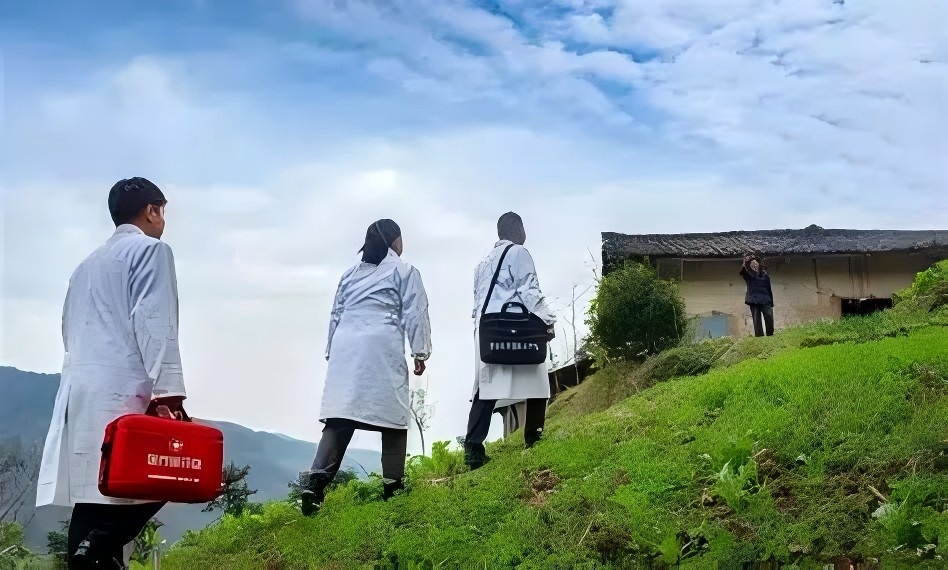
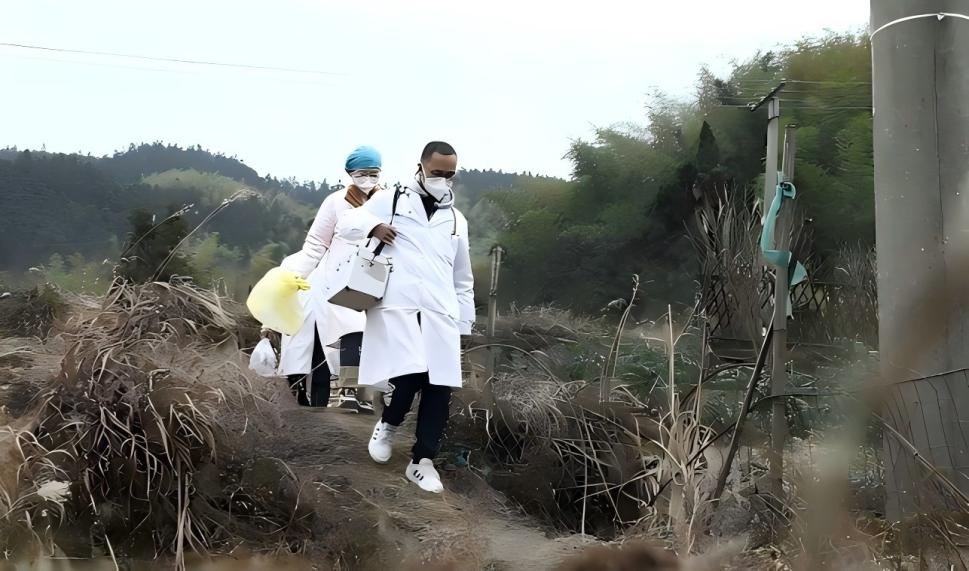
Cities are home to a large number of Grade A tertiary hospitals, specialized medical institutions and high-level medical staff, boasting outstanding capabilities in emergency treatment, critical care and chronic disease management. Rural areas, however, are mainly served by township health centers and village clinics with simple equipment and a shortage of professionals. The referral cycle for critical illnesses is long, the early screening and diagnosis rates of major diseases such as cardiovascular and cerebrovascular diseases and cancer are low, and the mortality rate is higher than that in cities. The average emergency response time in cities is kept within 8 minutes, while in rural areas it often exceeds 15 minutes, causing the loss of the golden rescue window.
(2) Disparities in Medical Security and Medical Burden
Basic medical insurance has achieved full coverage for both urban and rural residents, but there are differences in reimbursement rates, caps and critical illness insurance benefits. Urban employee medical insurance offers a higher level of protection, while the reimbursement rate for rural residents' medical insurance is relatively low, placing heavy out-of-pocket cost pressure on rural residents suffering from major diseases. Some rural patients tend to "put off treating minor illnesses and endure serious ones", missing the optimal treatment time. The medical assistance system in cities is more refined, providing a stronger safety net for medical treatment of vulnerable groups.
(3) Gaps in Living Environment and Health Literacy
Cities have improved infrastructure such as environmental sanitation, drinking water safety and sewage treatment, with more standardized occupational health protection. Some rural areas face problems such as drinking water safety risks, air and soil pollution, leading to a high incidence of chronic diseases. Urban residents have a higher level of health literacy, and regular physical examinations, a balanced diet and physical exercise have become the norm. In contrast, rural residents have weak health awareness, and unhealthy living habits such as smoking, excessive drinking and a high-salt diet are more prevalent. The awareness, treatment and control rates of chronic diseases in rural areas are far lower than those in cities.
(4) Disparities in Economic Income and Elderly Care Services
Urban residents have a higher per capita disposable income, with sufficient nutritional intake, health consumption and supply of elderly care services. Rural residents have a relatively low income level, and the rural elderly population is severely hollowed out. Home-based elderly care is the main form, lacking professional rehabilitation nursing and health management services. The disability rate of the rural elderly population is higher, and the lack of sustained health support affects their life expectancy and quality of life.

III. Future Prospects for China's Average Life Expectancy
In the next 5 to 10 years, China's average life expectancy will continue to rise steadily, the urban-rural gap will narrow further, and the goals of building a Healthy China will be steadily achieved.
(1) Clear Overall Life Expectancy Goals
According to the proposals for the 15th Five-Year Plan, China's average life expectancy is expected to rise from 79 years in 2024 to around 80 years by 2030. By 2035, a Healthy China will be basically built, and China's average life expectancy will continue to approach that of high-income countries.
(2) The Urban-Rural Gap Will Narrow Continuously
With the in-depth advancement of rural revitalization and the construction of a Healthy Countryside, rural medical facilities, talent teams and security levels will be comprehensively improved. In the future, the focus will be on building central township health centers, equipping them with complete equipment and specialized doctors, expanding the coverage of telemedicine, and realizing the goal of "treating minor illnesses in villages, common illnesses in townships and serious illnesses in counties". The urban-rural gap in life expectancy is expected to narrow to less than 1 year.
(3) Transformation and Upgrading of Health Service Models
Shifting from a "treatment-centered" approach to a "health-centered" one, we will strengthen the prevention, early screening and health management of chronic diseases to reduce the mortality rate of major diseases. We will promote smart healthcare and contracted family doctor services to provide a full life-cycle health guarantee for both urban and rural residents.

(4) More Robust Policy Support
The state will continue to increase investment in rural health and medical care, further advance the coordinated reform of medical services, medical insurance and pharmaceutical supply, improve the elderly health service system, and promote the integration of medical and elderly care services, enabling rural elderly people to access higher-quality elderly care and medical services. At the same time, we will popularize healthy lifestyles and raise the national health literacy, laying a solid foundation for extending life expectancy.

V. Conclusion
In the future, China will leverage more balanced medical resources, a more improved security system and healthier lifestyles to drive the steady growth of average life expectancy, ensure that all people share high-quality health services, and lay a solid health foundation for Chinese modernization.

