


With the vigorous development of the digital economy, live streaming e-commerce has grown into an important engine driving consumption. According to the "2025 White Paper on the Development of the Live Streaming E-commerce Industry", in 2025, the GMV (Gross Merchandise Volume) of China's live streaming e-commerce exceeded 5 trillion yuan, accounting for nearly one-third of online retail sales. The industry has 660 million users, more than 2.5 million existing live streaming-related enterprises, and the scale of professional online anchors reached 38.8 million by the end of 2024. However, behind the rapid expansion of the industry, frequent irregularities such as false advertising, fake orders, and lack of after-sales service not only infringe on the legitimate rights and interests of consumers but also erode the foundation of the industry, triggering a serious crisis of consumer trust. Regulating the industry's development and rebuilding consumer trust have become an urgent issue to be solved.
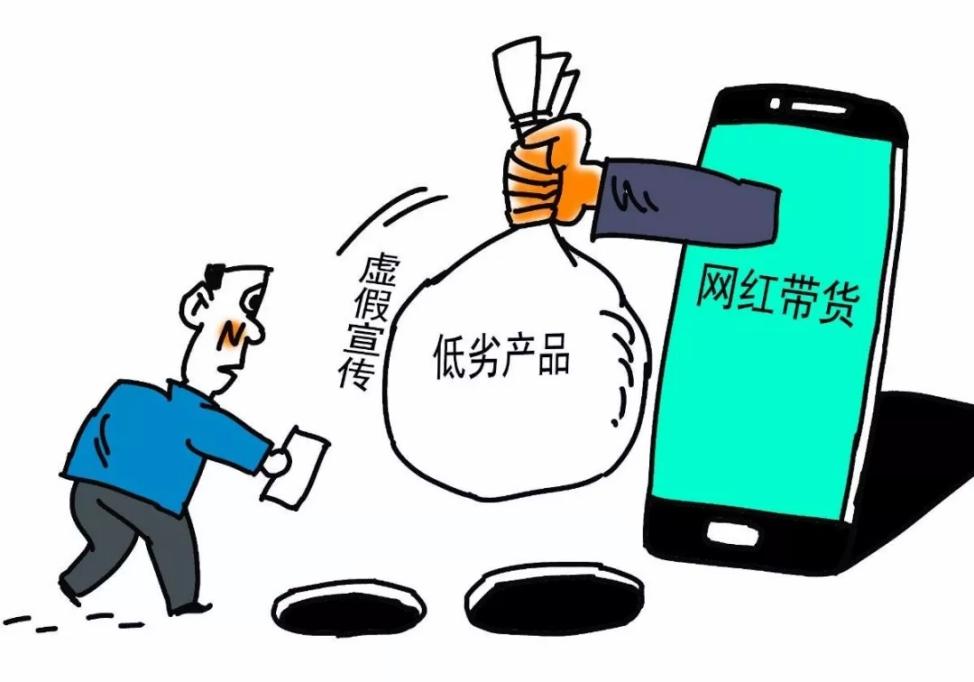
False Advertising: Frequent Rhetorical Traps Mislead Consumption Decisions
False advertising is the most prominent irregularity in live streaming e-commerce. Anchors package ordinary products as "miracle products" to induce impulsive orders through exaggerated rhetoric and false demonstrations. Its forms are hidden and diverse, ranging from exaggerating effects, concealing key information, to forging origins and fabricating discounts, all of which seriously violate the principle of integrity. Some consumers reported that ordinary food in live broadcasts was claimed to "have therapeutic and health-preserving effects", and "original overseas" products had wrong origin labels; some jewelry live broadcasts concealed the weight of "fixed-price" gold, and the actual unit price was much higher than the market level, suspected of false advertising.
More worrying is that false advertising has formed a stereotyped model: anchors use "the lowest price online" and "limited-time flash sales" to create a sense of urgency, and use verbal commitments such as "refund if ineffective" and "ten times compensation for fakes" to dispel concerns. However, after the live broadcast, they delete the rhetoric and take down the links, leaving consumers with no evidence for rights protection. The 2025 Online 3·15 Survey Report shows that false advertising is most prominent in popular categories such as food and beverages, beauty and skin care. Many consumers fall into consumption traps because of this, which not only infringes on consumers' right to know and right to choose but also plunges live streaming e-commerce into a trust quagmire where "it is difficult to distinguish between true and false".
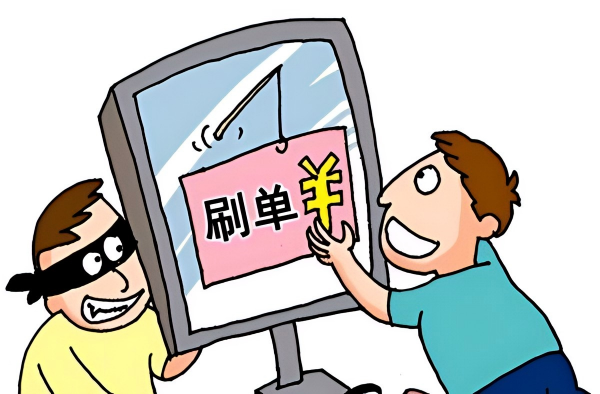
Fake Orders: Inflated Data Bubbles Disrupt Market Order
If false advertising is "rhetorical deception", fake orders are "data fraud", which misleads the market and consumers by creating false prosperity. Driven by traffic anxiety, some merchants and anchors are obsessed with "brushing data and creating popularity", forming a well-organized black-gray industrial chain. From machine brushing to real-person brushing, from inflating likes and fans to forging orders and positive reviews, they comprehensively create an "illusion of best-selling products".
Despite the continuous strengthening of supervision, the irregularity of false data has not been eradicated. Insiders revealed that fake orders have formed a standardized service, and some gangs place concentrated orders by controlling a large number of accounts, which can falsely increase a large number of fake orders for merchants in a short time. In 2025, the proportion of GMV driven by top anchors dropped to 10.66%, and the proportion of small and medium-sized anchors increased to 89.34%. However, some small and medium-sized anchors still rely on fake orders to seize the market. This phenomenon of "bad money driving out good money" makes it difficult for honest merchants to break through, and also makes consumers' decisions based on false data frequently fail, exacerbating the sense of distrust in the industry.
Lack of After-sales Service: Unsmooth Rights Protection Paths Consume Consumer Trust
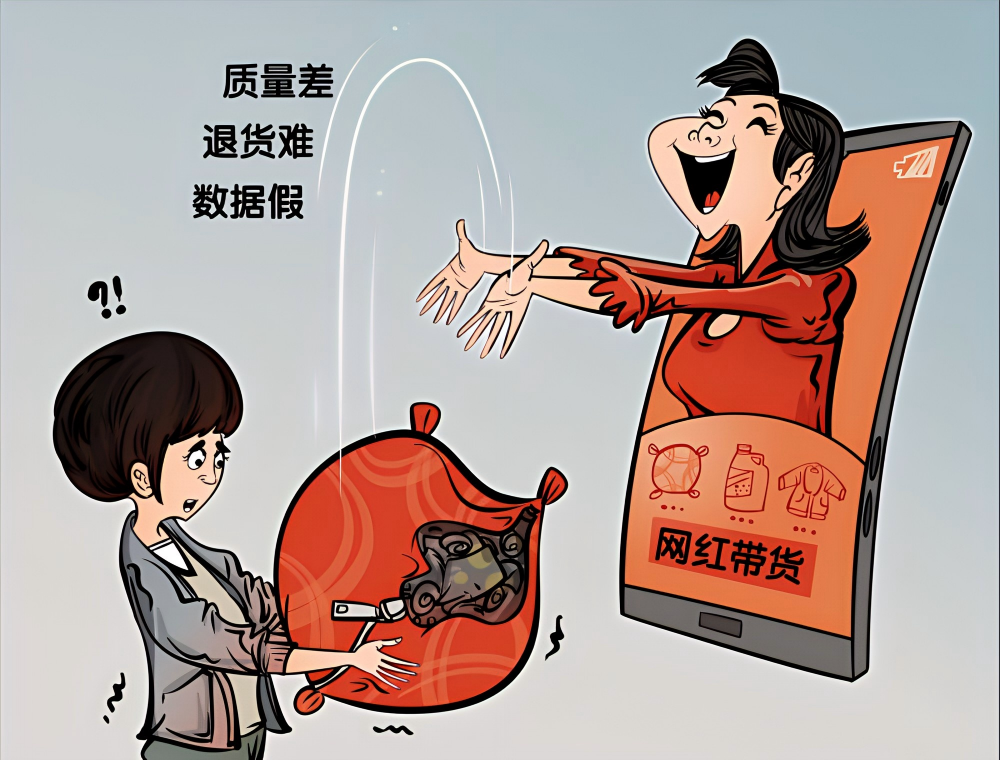
False advertising and fake orders make consumers "buy the wrong products", while the lack of after-sales service makes consumers "difficult to protect their rights", becoming the last straw that crushes consumer trust. Live streaming e-commerce involves multiple subjects such as anchors, merchants, and platforms, with vague division of powers and responsibilities. When problems arise, all parties shirk responsibility from each other, putting consumers in a dilemma of rights protection.
Many consumers encounter difficulties in rights protection: some consumers have no order records after purchasing electric bicycles in live broadcasts, and the platform and the live broadcast room shirk responsibility from each other; some consumers suspect that the anchor tampered with the cards when opening them, but the merchant refused to disclose the live broadcast replay, and it took a long time to obtain a partial refund. Data shows that in 2025, the national 12315 platform received 15.067 million online shopping complaints and reports, among which after-sales complaints related to live streaming e-commerce accounted for a prominent proportion. After-sales service and quality problems accounted for 42.3% of the total online shopping complaints and reports, and more than 30% of consumers were dissatisfied with the after-sales service of live streaming e-commerce, leading to the continuous loss of consumer trust.
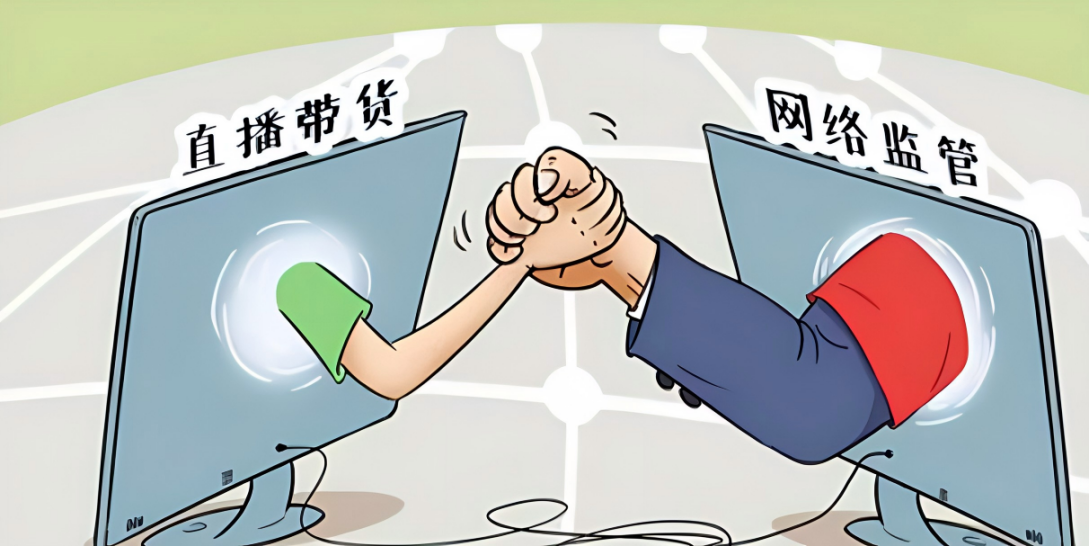
Trust Crisis: Hinder Industry Development, Urgent to Solve
The three major irregularities of false advertising, fake orders, and lack of after-sales service have jointly given rise to the crisis of consumer trust in live streaming e-commerce. Surveys show that although the effect of industry governance is obvious and more than 90% of consumers recognize the improvement of the environment, consumer trust still needs to be improved. Only a few people are completely satisfied with "the consistency between product description and reality" and "after-sales service guarantee", and problems such as "difficulty in fixing evidence" and "shirking of responsibility" are still common. This trust crisis not only harms consumers but also restricts the sustainable development of the industry. If not rectified in time, it will eventually make the industry lose its foundation for survival.
Breaking the trust dilemma requires multi-party collaboration: regulatory authorities should refine laws and regulations, increase penalties, clarify the responsibilities of all parties, and build a penetrating regulatory system; platforms should fulfill their review and supervision obligations, improve the punishment mechanism, implement the "advance compensation" system, and simplify the rights protection process; merchants and anchors should abandon the concept of putting traffic first, adhere to the bottom line of integrity, and promote the professional development of anchors; consumers should also enhance their awareness of rights protection, retain evidence such as live broadcast recordings and payment records, and take the initiative to protect their own legitimate rights and interests.
The essence of live streaming e-commerce is a "trust economy". Only by adhering to the bottom line of integrity and rectifying industry irregularities can we rebuild consumer trust, make it truly a bridge connecting merchants and consumers, realize the high-quality development of the industry, and let the dividends of the digital economy benefit more people.

