


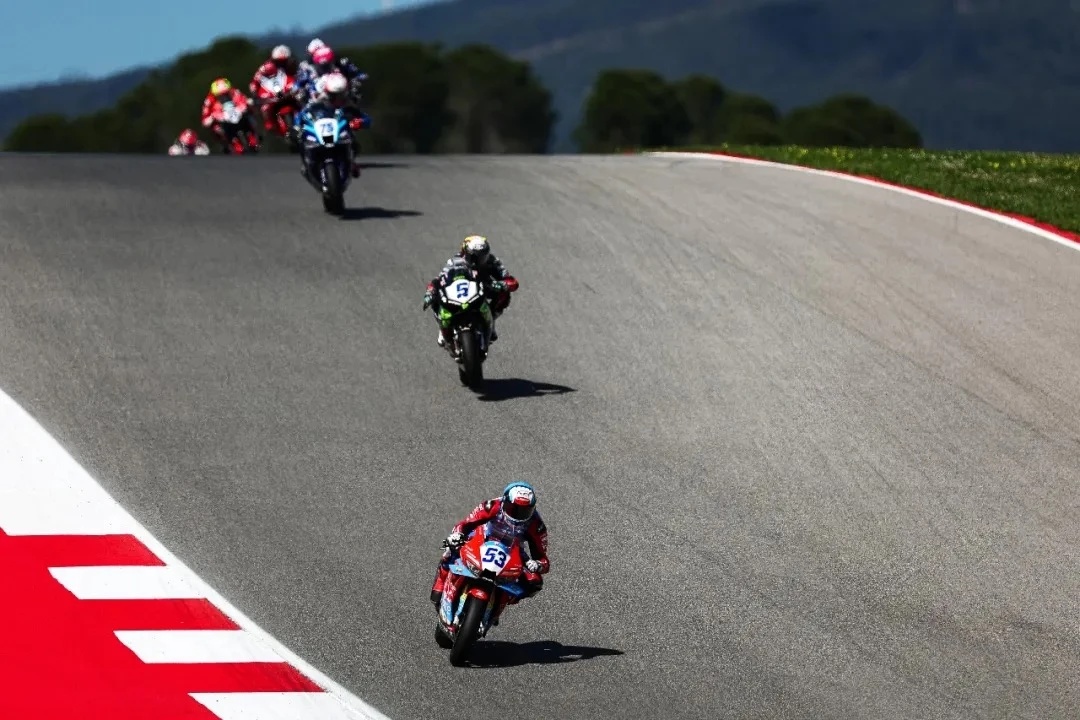
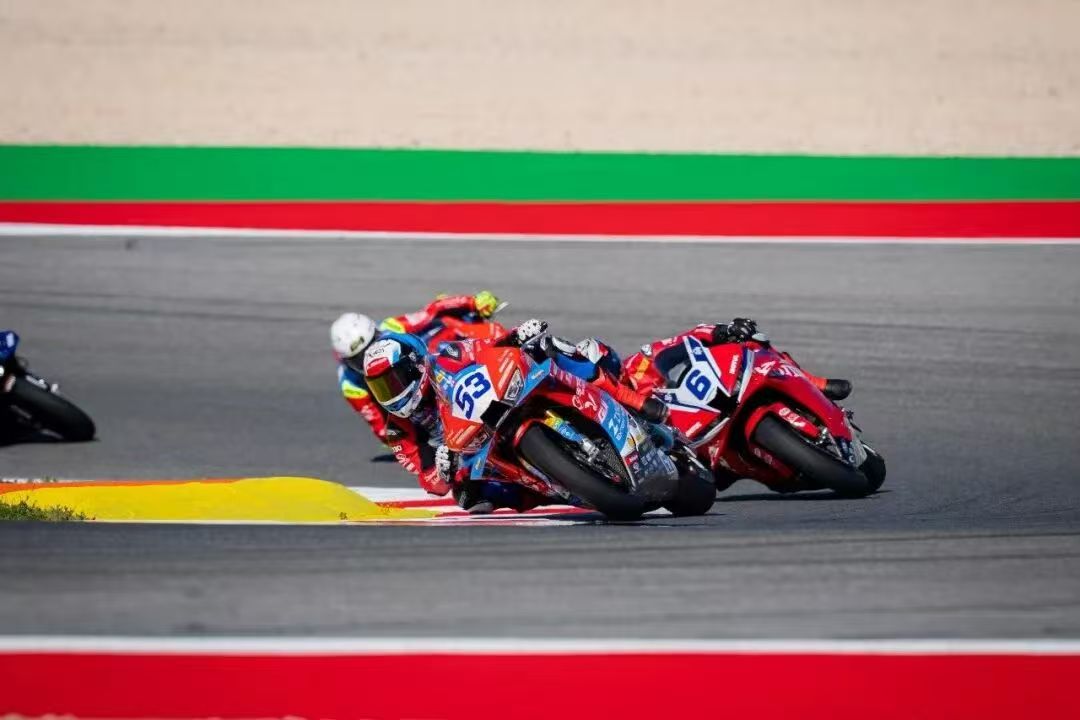
The racing world gasped. On the sun‑drenched asphalt of the Algarve International Circuit in Portimão, Portugal, a red motorcycle carrying a gold five‑star flag tore across the finish line with a four‑second lead. It was March 2026, and history was being written at the World Superbike Championship (WSBK). French rider Valentin Debise, aboard a Zhang Xue 820RR‑RS, won the first race of the SSP middleweight category. The following day he did it again, completing a double victory. It was the first time a Chinese manufacturer had ever stood on the top step of a major international road racing championship, breaking a monopoly held for decades by Ducati, Yamaha, Kawasaki and Triumph.
Yet what makes this achievement truly extraordinary is the story of the man behind the machine: Zhang Xue. His path from a dirt‑poor village in rural China to the summit of global motorsport reads less like a business biography and more like the script of an inspirational film.
Zhang Xue was born in 1987 in a remote mountain village in Huaihua, Hunan Province. His parents divorced when he was young, and he was raised by his grandmother in a crumbling mud‑brick house. With no money for further education, he left school at fourteen and walked into a motorcycle repair shop as an apprentice. He saved every coin and bought a dilapidated second‑hand motorcycle. On the dirt roads around his hometown he practised stunts until his body was bruised, fixing the bike himself whenever it broke. He quickly realised that his skills would never be noticed unless he got himself seen.
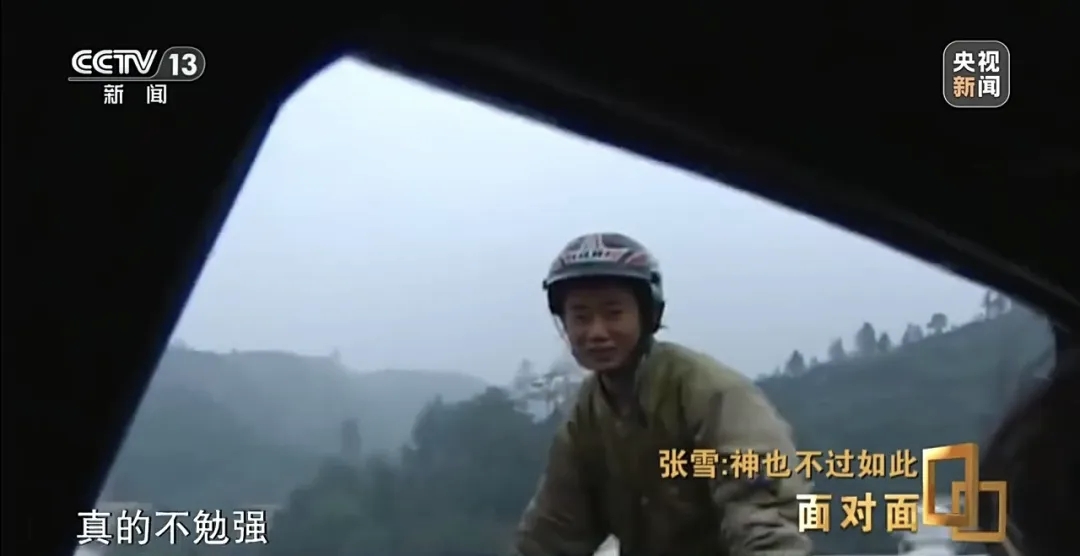
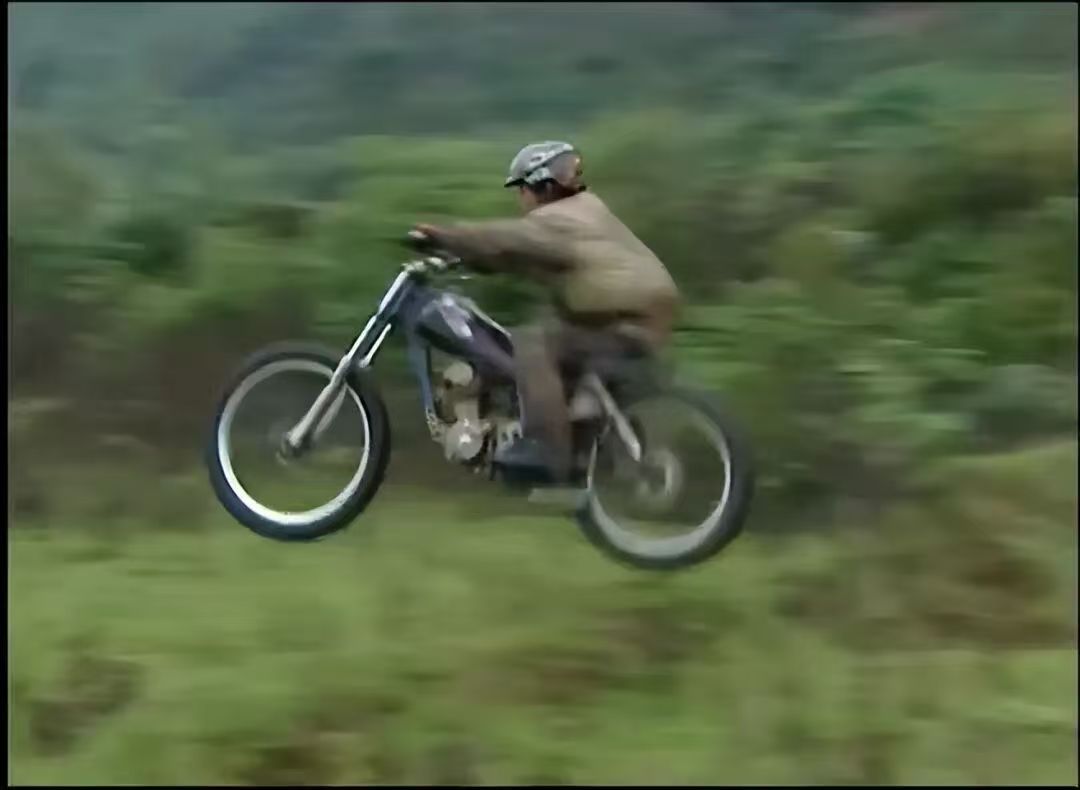
In 2006, at the age of nineteen, Zhang did something that would become the defining moment of his early life. A television crew from Hunan TV arrived in his region to film a segment. Zhang called them repeatedly, insisting that he could perform spectacular stunts. Exasperated, they finally agreed to film him. But on the appointed day, heavy rain turned the roads to mud. Zhang mounted his battered motorcycle and tried to show what he could do, only to slip and fall again and again. The crew shook their heads and prepared to leave. What happened next, however, no one expected. Zhang mounted his bike once more and chased the crew's vehicle for more than 100 kilometres through the cold, drenching rain. For three hours he rode, soaked to the bone, refusing to let them go. When the crew finally stopped, a journalist asked why being on television mattered so much. Zhang replied, "It is not about being on television. What matters is that a racing team sees me and gives me a chance."
That rain‑soaked, stubborn pursuit was captured on camera and did exactly what Zhang had hoped. A professional racing team saw the footage and offered him a place in its training program. Zhang became a stunt rider and mechanic, competing in national championships and earning respectable results. But as the years passed, he came to a difficult realisation: his body had been worn down by injuries, and his natural talent as a rider was not enough to take him to the very top of the world. He would never be a world‑class champion on two wheels.
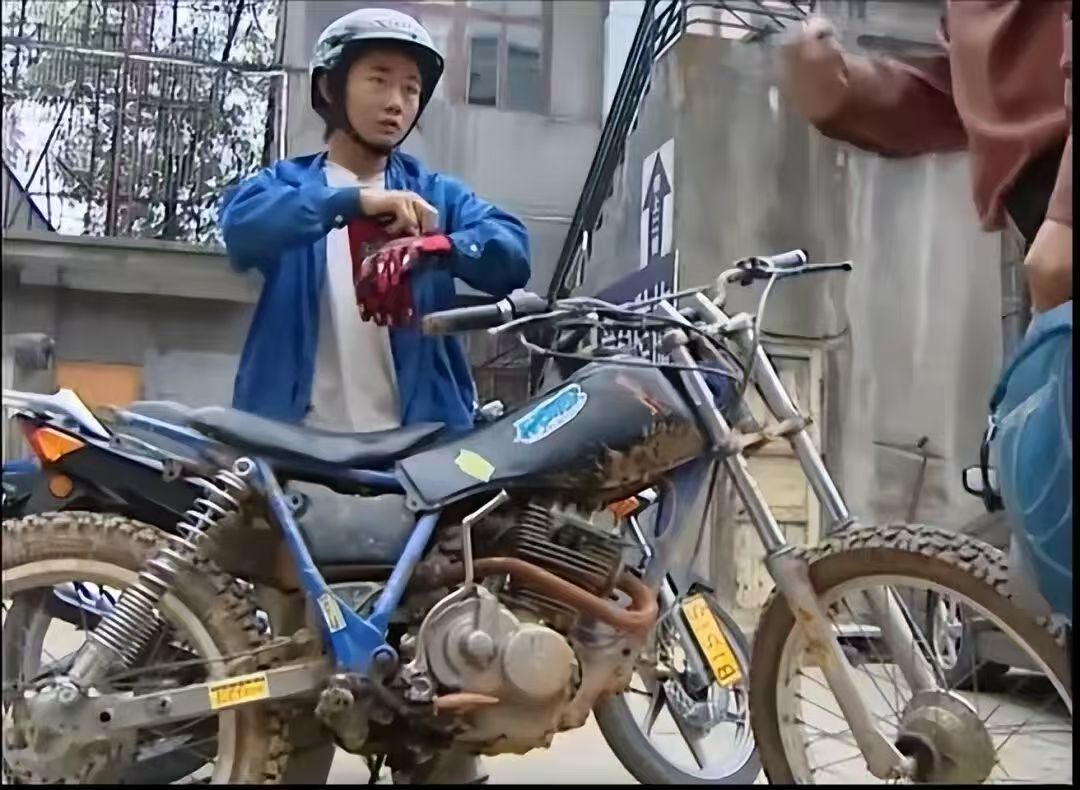
Yet rather than abandon his dream, Zhang simply chose a different path. He reasoned: "If I cannot ride to the front, then I will build the bike that can take someone else there." Between 2009 and 2012 he worked in a factory in Zhejiang Province, learning the entire manufacturing process. Then, in 2013, carrying just 20,000 yuan (roughly 3,000 US dollars) in his pocket, he travelled to Chongqing, the industrial heartland of China's motorcycle industry, to start his own venture. He began small, modifying generic motorcycle shells and selling the finished bikes on internet forums. He acted as his own photographer, customer service agent and mechanic. Within a year he had sold 200 motorcycles and became a top seller on an e‑commerce platform.
Over the following years, Zhang co‑founded a brand called Kove and led its factory team to compete in the Dakar Rally, becoming the first Chinese squad to complete the full rally. However, by 2024 his vision for the company diverged from that of his investors, who favoured a more conservative, profit‑driven approach. Zhang, who had always placed engineering excellence above quarterly returns, made a decision that stunned many: he left the company he had helped build.
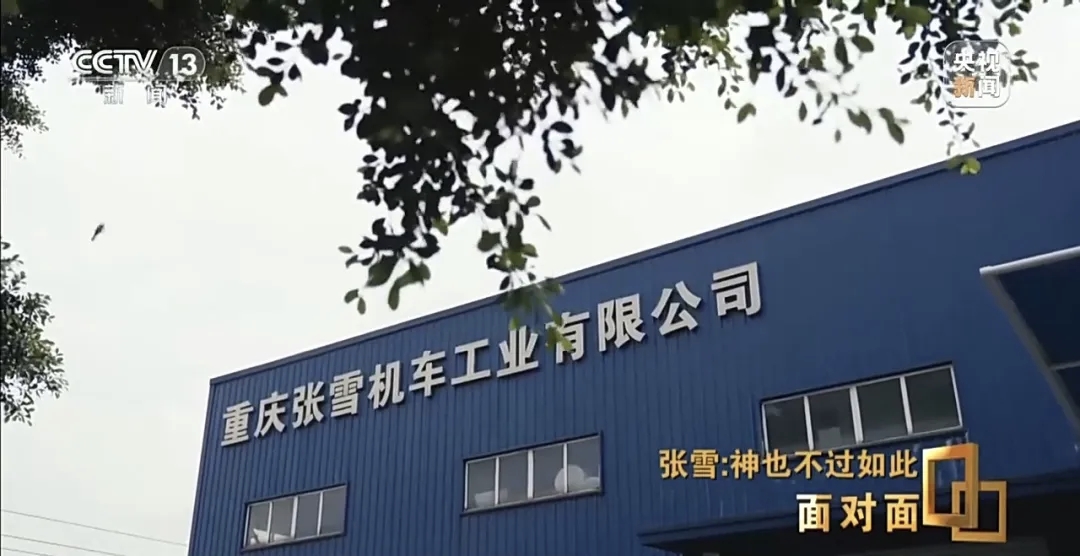
Critics were quick to dismiss him. They said his dream of competing in WSBK was pure fantasy. But Zhang ignored the doubters. In April 2024 he established a new company in Chongqing, naming it simply "Zhang Xue Motorcycles". He was determined to build everything himself: the engine, the chassis, the electronics. In his view, without in‑house engine development, a manufacturer would forever remain a "screwdriver factory," at the mercy of foreign brands.
Zhang threw himself into research and development with the same obsessive energy that had driven him to chase a television crew through the rain. In 2025, the company's output value reached 750 million yuan, with R&D spending hitting nearly 70 million yuan – an extraordinarily high level for a young company. The result was the 820RR‑RS, a road‑legal supersport powered by a fully in‑house developed 819cc inline three‑cylinder engine producing 150 horsepower. The engine could spin to 16,000 revolutions per minute, putting it on equal footing with the best machines from the world's most established brands.
When Zhang announced in November 2025 that his fledgling company would enter WSBK, his competitors barely noticed. They dismissed him as just another low‑end Chinese manufacturer with no racing pedigree. Zhang, however, was not shy. He told anyone who would listen that in his first year he would win races. It sounded like the boast of a naive dreamer. Yet less than five months later, on the racetrack in Portugal, those boasts became undeniable reality.
From the very start of the first race, Debise demonstrated that the Zhang Xue 820RR‑RS was no ordinary motorcycle. He seized an early lead and never looked back, crossing the finish line 3.685 seconds ahead of the second‑placed rider. In production‑based racing, where margins are often measured in tenths of a second, a lead of nearly four seconds is total domination. The second race was a more tense affair: Debise fell behind early, but mounted a breathtaking comeback to win by 0.720 seconds. Zhang Xue's double victory in its very first appearance was a statement of overwhelming superiority.
The significance cannot be overstated. WSBK is one of the world's two premier motorcycle road racing championships, alongside MotoGP. Unlike MotoGP, which uses bespoke prototypes, WSBK requires that all competing motorcycles be based on production models available to the public. Success here is a direct reflection of a manufacturer's quality. For decades, this arena had been dominated by Japanese and European giants. No Chinese brand had ever stood on the podium, let alone won a race. Zhang Xue did not simply break that barrier; it smashed through it.
The victory sent shockwaves through the global motorcycle industry. It demonstrated the arrival of Chinese manufacturing at the highest levels of precision engineering. The 820RR‑RS's engine, chassis and electronics were all developed in‑house, with domestic content exceeding 90 percent. Zhang himself noted that China's equipment technology had improved so dramatically that "any part, whether on a MotoGP bike or a Formula 1 car, can be made in China, and it will be no worse than parts made in Europe, Japan or America."
The commercial impact was immediate. Before the race, the 820RR road version had already accumulated more than 3,500 pre‑orders. After the double victory, orders tripled. The company's valuation jumped to 1.09 billion yuan, and it successfully completed a funding round of 90 million yuan. Zhang set ambitious sales targets: 50,000 units in 2026, 100,000 in 2027 and 200,000 in 2028.
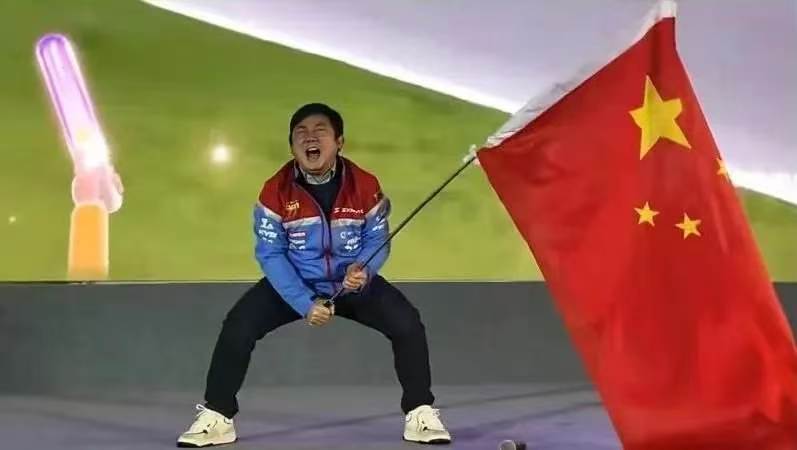
Yet for Zhang, the victory was never primarily about money. When he watched the live broadcast from his factory and saw Debise cross the finish line in first place, tears streamed down his face. He had waited twenty years for that moment. The boy who had chased a television crew through the rain on a broken motorcycle, desperate to be noticed, had finally arrived at the pinnacle of the sport he loved. He said that the victory would give confidence to everyone in the Chinese motorcycle industry. "I am a role model," he said. "If I can succeed, then everyone else will have more courage to believe that we can go for the high end."
Looking ahead, Zhang has announced an even bolder goal: he intends to win a stage of the Dakar Rally by 2028. His company is already preparing for the challenge, focusing R&D on a purpose‑built rally motorcycle. If anyone can accomplish such a feat, it is a man who has spent his entire life proving the doubters wrong. From a leaky mud‑brick house in the mountains of Hunan to the winner's circle at one of the world's most prestigious motorcycle races, Zhang Xue's journey is a powerful reminder that talent, hard work and an unbreakable spirit can overcome even the most daunting obstacles. And after what he has already achieved, very few people are willing to bet against him.

