


On a sun-drenched morning in Luoyang, a city famous for its ancient history, 22-year-old university student Li Xiaomeng admires her reflection in a mirror at the Jingxiu Hanfu Experience Store. Dressed in a delicate Ming-style robe, she is about to spend the day exploring the city's landmarks. The outfit, along with a full set of traditional accessories and a professional stylist-made up, costs her just 169 yuan ($23) for the day—less than a third of the purchase price of a similar set . A few weeks earlier, in Suzhou, 27-year-old accountant Cheng Shuo was preparing for a concert. Instead of buying a high-end camera, she rented a Sony A7 series model online for around 400 yuan ($56) for two days. "Buying one would cost tens of thousands of yuan," she explained, "but the process is simple—order online, verify your ID, and the camera arrives the next day" . Meanwhile, in Tianjin, mother Li Shuwei regularly rents everything from robot vacuum cleaners to child car seats, not only to save money but to test products before committing to a purchase .
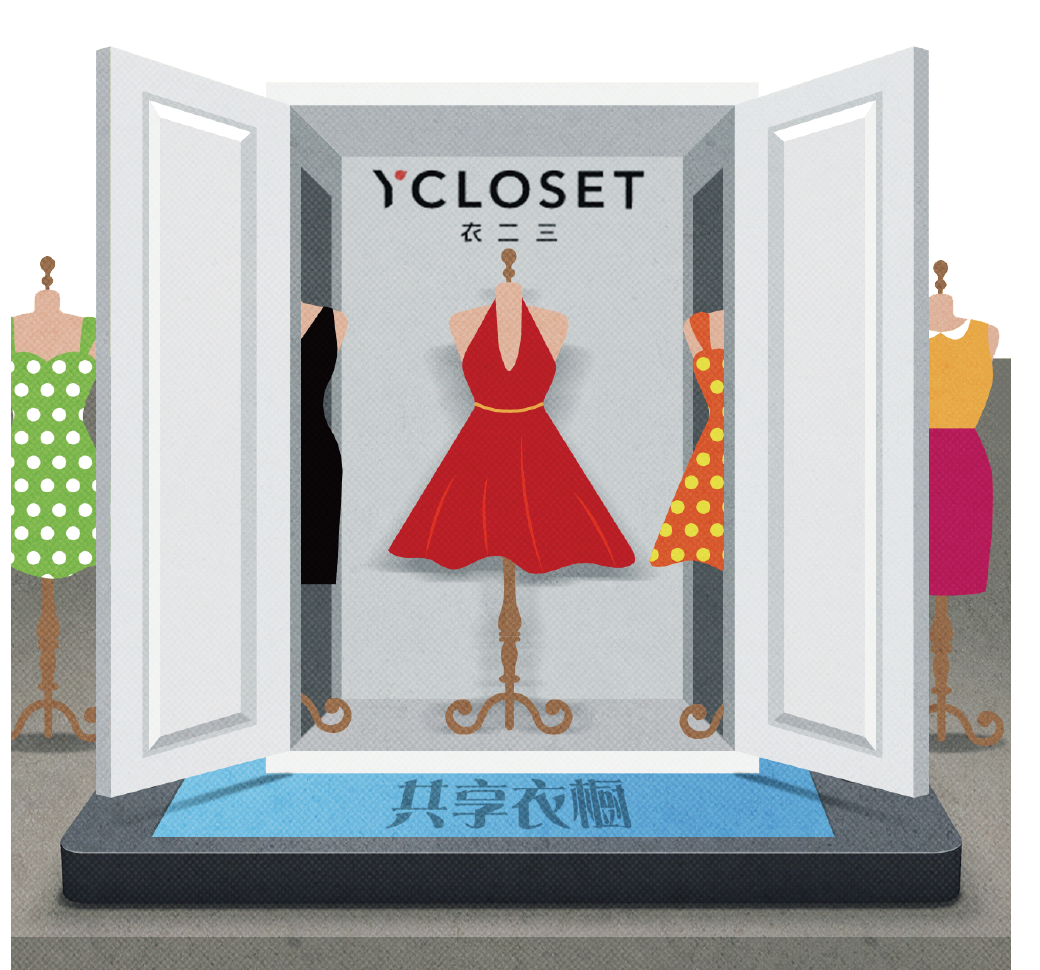
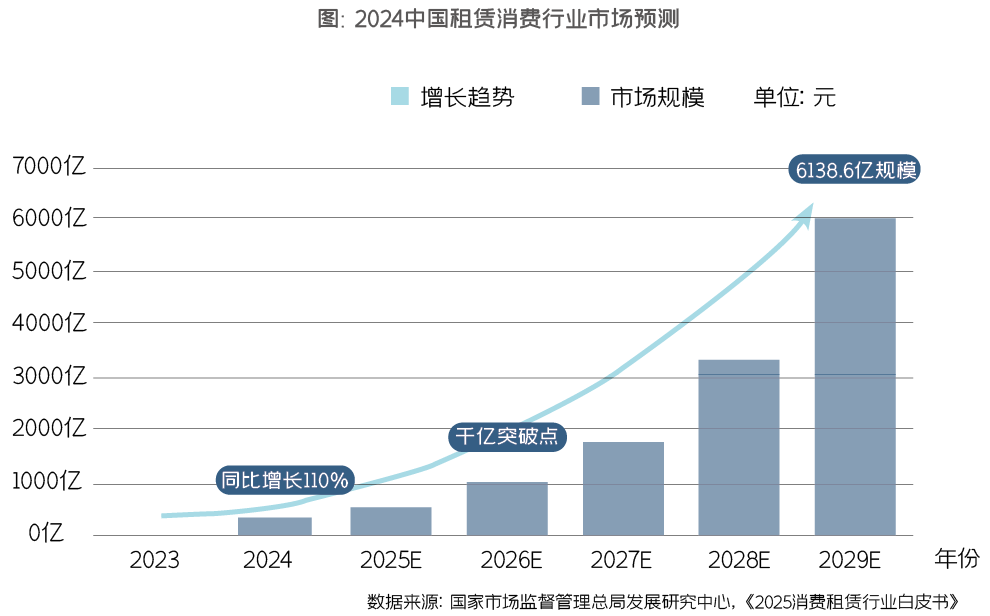
These individual stories from across China are not isolated incidents but rather the fabric of a significant shift in consumer behavior. From the ancient capitals to the modern metropolises, a new generation is increasingly embracing a lifestyle based on access rather than ownership. Cameras, outdoor gear, formal wear, toys, and even household appliances are now part of a rapidly expanding "rental economy." In 2024, the transaction scale of China's rental economy surpassed 4.2 trillion yuan ($580 billion), a 32% increase from the previous year, serving over 750 million users . This phenomenon, often described by the Chinese phrase "yi zu dai mai" (renting instead of buying), signals a profound transformation in the values and priorities of the country's youth, particularly those in Generation Z and the post-90s generation.
The primary driver behind this shift is a fundamental change in consumer philosophy. For these young people, happiness and status are no longer tied to the accumulation of physical goods. Instead, they prioritize experiences, flexibility, and practicality. This is a move away from the traditional, post-reform mindset of "owning things" as a symbol of success, towards a more nuanced appreciation of "using things" to enrich one‘s life. Data supports this: a survey by China Youth Daily found that 77.3% of young respondents have engaged in rent-over-buy consumption, with the figure rising to 82.2% among those born after 2000 . As Zhu Di, a researcher at the Chinese Academy of Social Sciences, notes, young consumers are shifting from an either-or mindset of "either you can't afford it or you buy it on credit" to a more rational decision-making process of "identifying the need first, then considering the best way to fulfill it" . Renting, in this context, becomes a tool for rational and mature consumption.
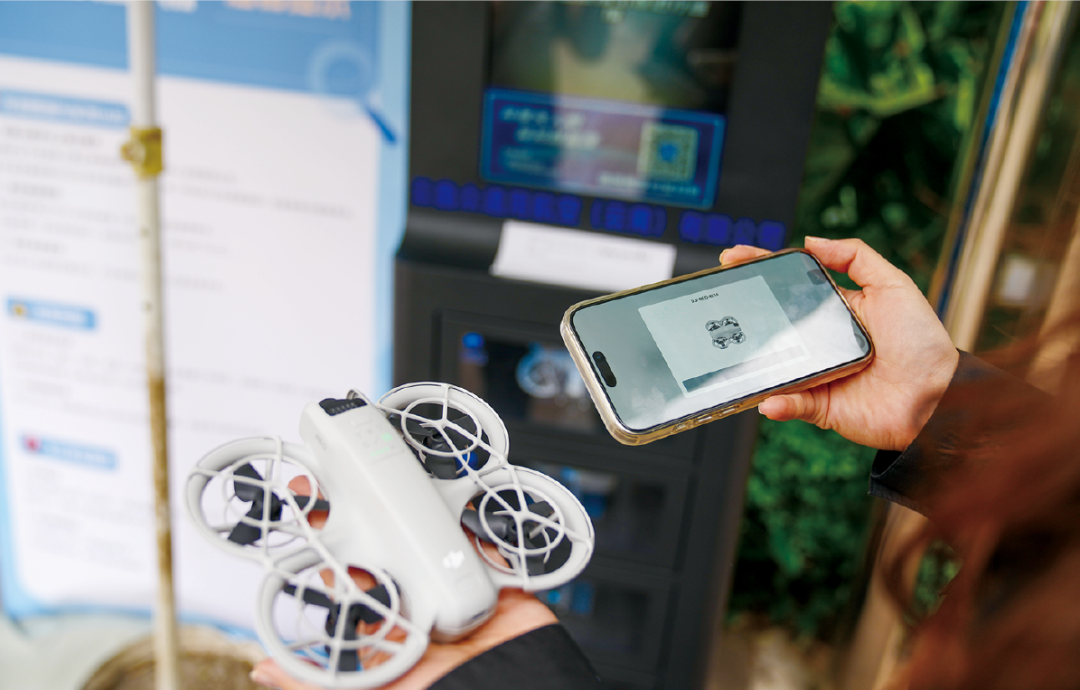
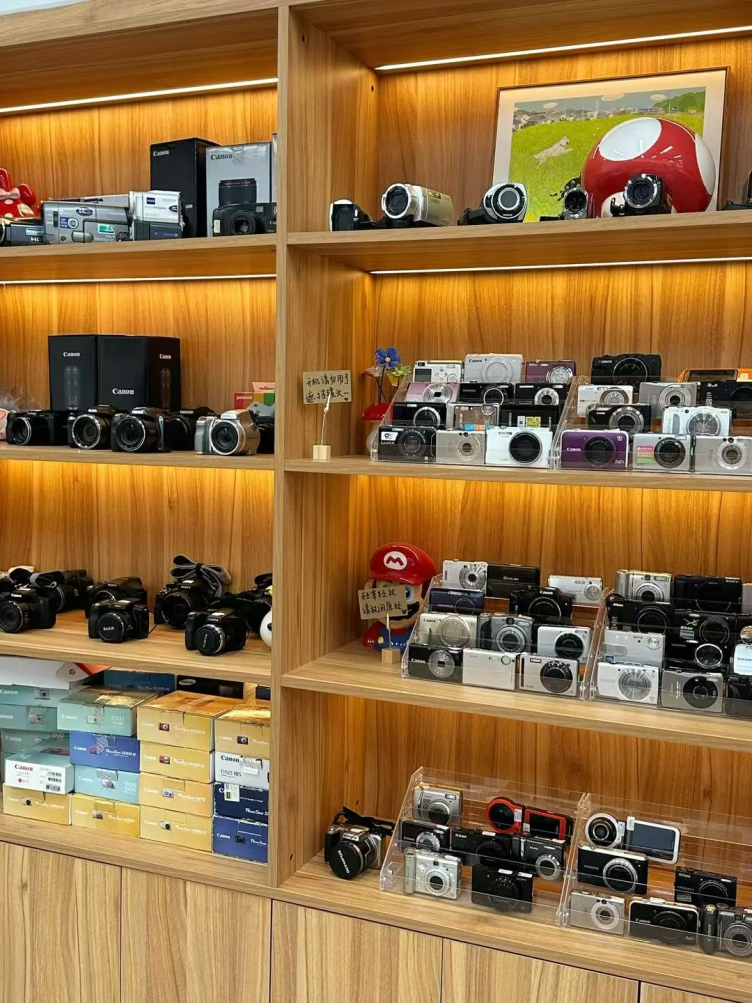
This new philosophy manifests in several key benefits that resonate deeply with young people. The most immediate advantage is economic efficiency and cost reduction. In a landscape marked by economic uncertainty and high living costs in major cities, young consumers are increasingly savvy about their spending. Renting allows them to access high-quality, expensive items for a fraction of the price. Cheng Shuo's camera rental for a concert, or the 300 yuan ($41) three-day rental of a designer bag by Tang Xin, a post-95 consumer from Hebei, exemplify this . For Lin Lili, a Guangzhou resident, a complete set of travel gear for a trip to Xinjiang—a drone for 40 yuan ($5.5) a day, a DSLR for 50 yuan ($6.9), and a shared off-road vehicle—cost each person just over 100 yuan ($14) per day . This pragmatic approach turns previously unaffordable luxuries or specialized equipment into accessible, everyday possibilities.
Beyond simple economics, renting satisfies a deep-seated desire for variety and the freedom to experiment. The young Chinese consumer lives in a fast-paced, trend-driven world, particularly in fashion and technology. Renting provides a perfect outlet for this need for novelty without the burden of long-term commitment or clutter. Wang Lin, a 28-year-old Nanjing resident, uses a clothing rental platform to refresh her wardrobe constantly. For less than 300 yuan ($41) a month, she can cycle through over ten different outfits, a system she finds both cost-effective and space-saving . This "try before you buy" model is also prevalent in other areas. Li Shuwei, the mother from Tianjin, rented a digital piano for her 7-year-old daughter to see if she would develop a lasting interest before investing in an expensive instrument. "It was a great decision," she said, "as once she developed a real interest and commitment, we decided to buy a proper one" . Similarly, parents like Yan Ruyue from Xi‘an have been renting toys for their child for three years, finding it a perfect way to keep up with a child's rapidly changing interests without breaking the bank or filling the home with seldom-used items .

This model also aligns perfectly with the flexible and transient lifestyles of many young people, who often live in rental apartments or dormitories with limited space. Owning a bulky set of ski equipment, a high-end gaming console, or a professional-grade drone presents a storage problem. Renting solves this, allowing them to pursue hobbies and passions on demand. For Chengyuan, a post-95 ski enthusiast from Wuhan, renting ski equipment not only saves a significant amount of money but also eliminates the hassle of transporting bulky gear . This desire for a "lighter," more minimalist life, free from the burden of excessive possessions, is a recurring theme. Data from the China Youth Daily survey shows that 26.8% of respondents cited a lack of storage space as a reason for choosing to rent .
Furthermore, the rise of the rental economy is inextricably linked to a growing environmental consciousness. For many, renting is a tangible way to participate in a circular economy, reducing waste and promoting sustainability. The logic is simple: an item rented and used by many people over its lifetime has a lower environmental footprint than multiple items produced, purchased, and discarded by individuals. Industry calculations suggest that renting a single smartphone for its entire lifecycle can reduce carbon emissions by about 15kg, equivalent to the carbon sequestration of one tree . A report shows that 36.9% of young respondents support renting as it promotes a green, low-carbon, and environmentally friendly lifestyle . This blend of personal economic benefit and broader social responsibility is a powerful motivator for a generation that is increasingly aware of environmental issues. Shen Liang, an assistant professor at Shanghai Jiao Tong University, observes that this shift "also reflects a more socially responsible consumption orientation," aligning with the principles of the circular and sharing economy .
However, this burgeoning market is not without its significant challenges and controversies. The very flexibility that attracts young consumers can become a source of frustration when faced with opaque contracts, hidden fees, and unfair dispute resolution. As the market expands rapidly, it has attracted not only innovative entrepreneurs but also unscrupulous operators looking to exploit regulatory gaps. Consumer rights disputes are frequent, with common complaints ranging from disputes over accidental damage deposits to being held liable for pre-existing wear and tear . The digital nature of many transactions can also create an information asymmetry, where consumers agree to terms and conditions without fully understanding their implications.
Some of the most severe problems have emerged in sub-sectors like auto leasing, where a model known as leasing with the intent to purchase has led to numerous consumer traps. Reports have surfaced of companies using high-pressure sales tactics to downplay contract terms. Consumers like Mr. Hao from Beijing were told by a salesperson that a few days‘ delay in payment "wouldn't be a big problem," only to have his car repossessed after a four-day overdue payment, with the company refusing to refund his down payment and prior rent . Others, like Mr. Li from Zhejiang, who leased a new energy vehicle, faced devastating financial losses. After his leased car was totaled in an accident just ten days into the lease, the leasing company blocked the insurance payout and demanded he cover a depreciation fee and his down payment, threatening to void the contract . These cases highlight how some businesses use complex contracts to create an unbalanced power dynamic, leaving consumers with little recourse.
Similarly, in the housing rental market, a persistent problem has been the presence of so-called "chuan chuan fang" or "renovated flip houses." These are properties bought cheaply by speculators, quickly renovated with low-quality, often toxic materials, and then rented out to unsuspecting tenants. Feng, a young professional in Beijing, rented an apartment that looked newly renovated, only to find his family constantly suffering from sore throats and eyes. A professional test revealed formaldehyde levels more than double the national safety standard. When he tried to break the lease, the agency threatened to keep his entire 48,000 yuan ($6,600) payment . Stories like these, where tenants face serious health risks and then encounter a wall of denial, shifting blame, and legal hurdles, are a stark reminder of the potential dangers lurking in an under-regulated market. The very trust that underpins the rental model is broken when consumers are given fraudulent air quality reports or when landlords and中介 (agents) collude to avoid responsibility . Ms. Xia from Shanghai was savvy enough to spot a fake compliance report provided by the landlord, which lacked any official stamps or accreditation, but many are not so lucky .
Recognizing that the long-term health and potential of the rental economy depend on trust and stability, the Chinese government and various stakeholders are moving to establish a more robust governance system. The future of this sector hinges on building what experts call a "multi-governance" system involving the government, platforms, enterprises, and consumers themselves . The government’s role is to provide the legal and regulatory framework. A landmark step in this direction is the implementation of the "Housing Rental Regulations" in September 2025, the first comprehensive administrative regulation in this field . This law aims to tackle long-standing issues by, for example, strictly prohibiting the rental of non-living spaces like kitchens and balconies, establishing a deposit supervision system to prevent misappropriation of funds, and mandating clear, transparent contracts . Such regulations are designed to shift the market from a "Wild West" mentality to one of standardized practice.
Technology platforms, as the primary marketplaces for rental transactions, are also critical in building this governance structure. They are in a unique position to enforce standards and build trust through technological means. Platforms like Zhima Rental, operating under Ant Group‘s credit-scoring system, use a user's digital credit score to offer deposit-free rentals, significantly lowering the barrier to entry and reducing financial risk for consumers . These platforms are increasingly investing in standardized processes for product inspection, cleaning, and dispute resolution. Industry experts like Xiong Xing emphasize that platforms must take responsibility for making contracts transparent, standardizing procedures, and ensuring quick after-sales service, always handling user data in a "lega and necessary" manner . For their part, enterprises are encouraged to move beyond simple rental transactions to offering "integrated solutions" and investing in the infrastructure of the circular economy—recovery logistics, maintenance, and professional cleaning .

Ultimately, the success of this new consumer paradigm rests on the informed participation of consumers themselves. As the market matures, so does consumer awareness. Young people are becoming more discerning, learning to read contracts carefully, inspect items upon receipt, take photos as evidence, and transact on reputable platforms . The very act of sharing their experiences—both good and bad—on social media is a form of consumer empowerment that holds businesses accountable. As Kang Kai, an industry expert, points out, building trust is a multi-layered endeavor involving technology, clear institutions, and reliable brands, with the ultimate goal being to make "users feel confident to rent, return, and rent again" .
In conclusion, the embrace of rental consumption by China‘s youth is far more than a fleeting trend. It is a reflection of a deep-seated value shift towards pragmatism, experience, and sustainability. It is a move to embrace life with a lighter, more flexible touch, free from the anchors of unnecessary ownership. From the student renting a Hanfu gown in Luoyang to the young professional renting a camera in Suzhou, this new generation is rewriting the rules of consumption. They are demonstrating that value lies not in having, but in doing; not in possessing, but in experiencing. The path forward for this "rental revolution," however, is not without its potholes. The very real problems of fraud, safety hazards, and unfair contracts highlight the urgent need for a mature and multi-faceted governance system. As China builds a framework of laws, technological oversight, corporate responsibility, and informed consumerism, it is laying the foundation for a more resilient, trustworthy, and sustainable economic model—one that could well define the future of consumption not just in China, but around the world.

