


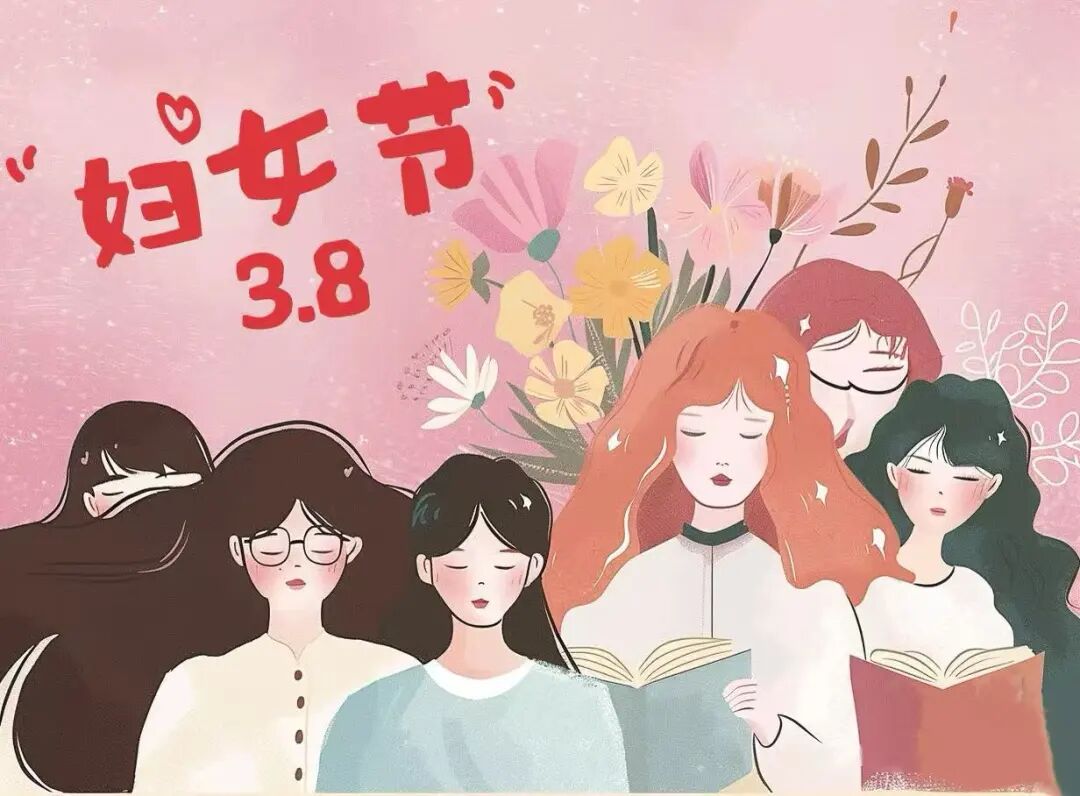
Each year on March 8th, a familiar transformation occurs across the cities and towns of China. The grey winter streets begin to show signs of life, not just from the approaching spring, but from a distinct shift in the commercial and social atmosphere. Pinks and reds dominate the window displays of shops, bouquets of flowers become a common sight in the hands of women heading home from work, and social media feeds are flooded with hashtags celebrating womanhood. This is the visible surface of International Women's Day in contemporary China, a day officially known as March 8th Women's Day. To an outside observer, it might appear as a blend of Valentine's Day sentiment and commercial promotion. However, beneath the surface-level festivities lies a complex and deeply layered narrative, one that intertwines the country's revolutionary history with the modern struggles and aspirations of over 680 million women. The story of this day in China is not a simple one; it is a vibrant tapestry woven from threads of genuine progress, persistent challenges, and the quiet, everyday revolution of women claiming their space in a rapidly evolving society.
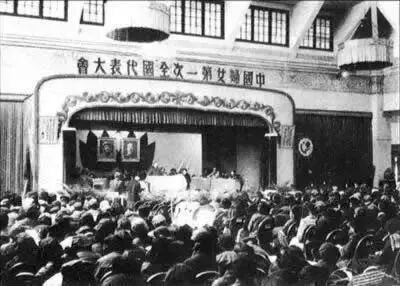
The origins of the day in China are firmly rooted in the international socialist movement of the early 20th century, a fact that gives it a distinct political and historical weight quite different from its observance in some Western countries. It was first commemorated in China in 1924, organized by the nascent Chinese Communist Party and left-leaning women's groups as a means to unite working women and advocate for their rights. From its very inception, it was a political tool, used to mobilize women to participate in the broader national struggles against imperialism and feudal traditions. The iconic slogan "Women hold up half the sky," popularized during the Maoist era, was not merely a poetic phrase but a fundamental call to action. It was a radical departure from centuries of Confucian patriarchy that had confined women primarily to the domestic sphere. This ideological backing, enshrined in law, granted women legal rights to property, divorce, and education, and actively encouraged them to enter the workforce. For millions of women, this was an unprecedented liberation, a formal recognition of their potential and their value beyond the family unit. This foundational narrative of emancipation through collective national struggle remains a core part of how the state frames the day, even today.
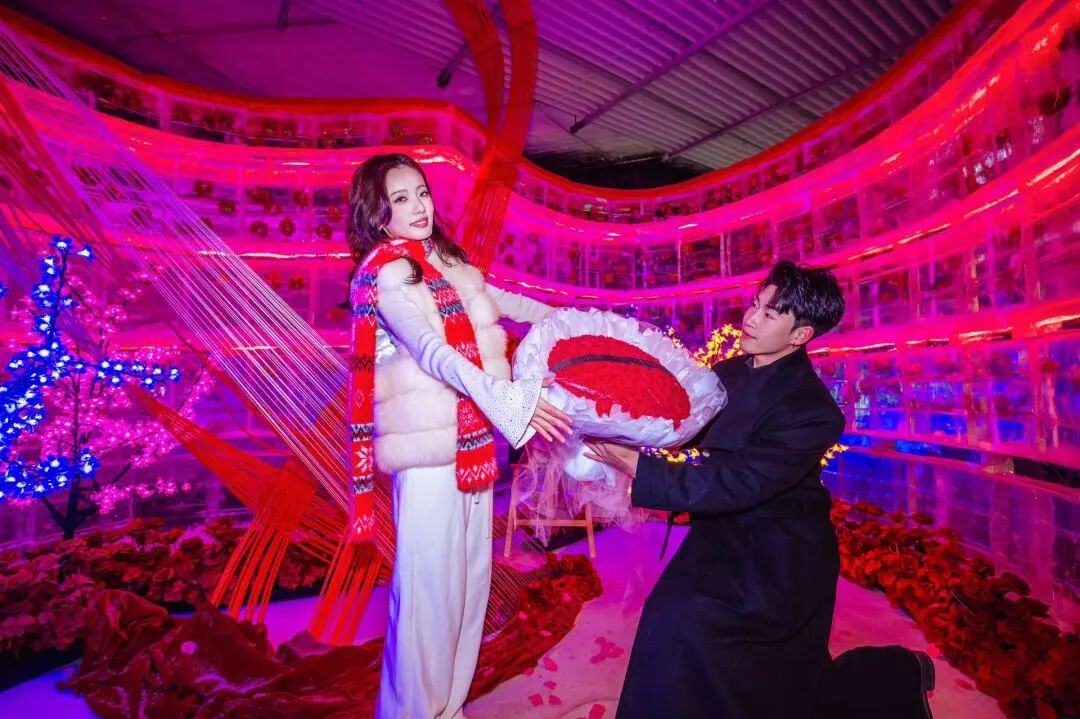
In the modern era, this historical legacy has blended with market capitalism to create a uniquely Chinese celebration. For many urban, white-collar workers, March 8th is a half-day holiday, as stipulated by State Council regulations. This official time off is a privilege that many women in other countries do not have, and it is widely observed, with companies organizing team-building activities, tea parties, or simply allowing their female employees to leave early. In recent years, the commercial aspect has exploded. The day has been repackaged by e-commerce giants as "Queen's Day" or "Goddess Day," transforming it into a major shopping festival. Alibaba's Tmall and other platforms launch massive marketing campaigns weeks in advance, encouraging men to buy gifts for the women in their lives and, more significantly, urging women to indulge in self-care and self-appreciation through consumption. Luxury cosmetics, fashion, and jewelry become the symbols of modern womanhood. This commercialization is a double-edged sword. On one hand, it can be seen as a form of empowerment, allowing women to exercise economic agency and celebrate themselves on their own terms. On the other hand, critics argue that it dilutes the original political significance of the day, replacing calls for gender equality with a shallow form of consumerist feminism. The narrative shifts from collective struggle for rights to individual fulfillment through purchasing power, a trend that reflects the broader socio-economic shifts within the country.
Amidst this festive commercialism, the deeper, more persistent issues facing Chinese women remain a vital part of the conversation, even if they are less prominently featured in the advertising campaigns. The workplace, despite the legacy of "holding up half the sky," presents a landscape of complex challenges. While Chinese women have one of the highest labor force participation rates in the world, they continue to face a significant "glass ceiling" in corporate and political leadership. Furthermore, the stark reality of gender discrimination in hiring is an open secret. Young women, particularly those of childbearing age, often face intrusive questions during job interviews about their marital status and family plans. Employers, wary of the costs associated with maternity leave, are sometimes reluctant to hire women who might soon become mothers. This has led to a paradoxical situation where the very legal protections designed to support women, such as generous maternity leave policies, can inadvertently become a barrier to their employment. The pressure to balance a demanding career with the traditional expectation of being the primary caregiver for children and elderly parents creates a "double burden" that leaves many women exhausted and forces some to abandon their career aspirations altogether. These are the quiet, often unspoken struggles that lie beneath the celebratory posts on social media.
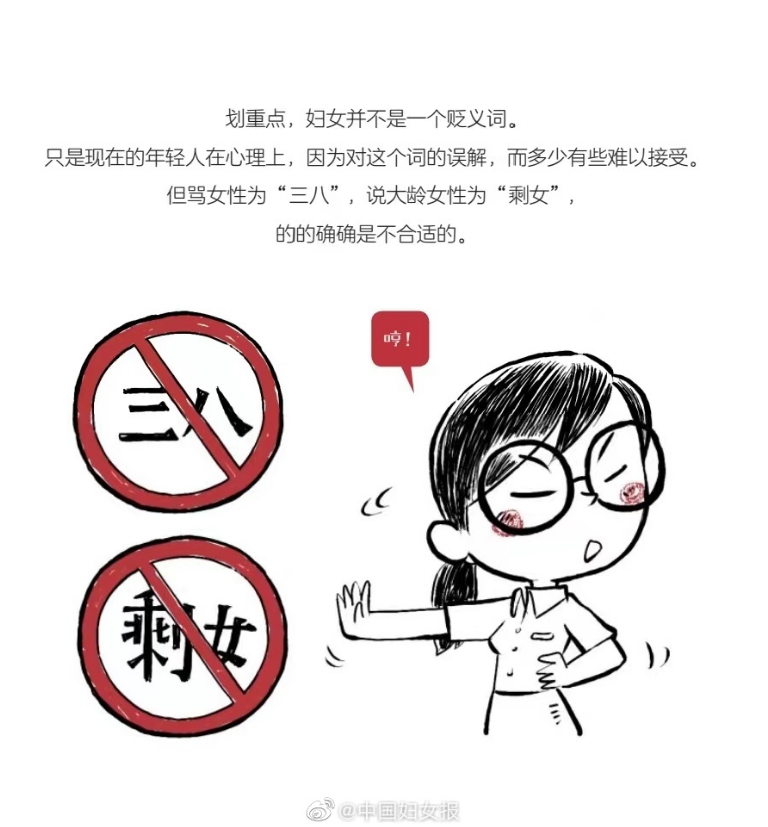
Beyond the economic sphere, deeply ingrained societal expectations and cultural norms continue to shape women's lives in profound ways. The traditional preference for male heirs, a direct result of the Confucian emphasis on patrilineal lineage, has not been completely eradicated, despite decades of modernization and state-led campaigns for gender equality. This preference was starkly illuminated during the era of the one-child policy, contributing to a skewed sex ratio at birth, the effects of which are still being felt in the marriage market today. While the policy has ended, the underlying cultural preference persists in some areas, particularly in rural regions. Furthermore, the concept of "leftover women" has gained traction in public discourse, a derogatory term used to stigmatize educated, successful, and financially independent urban women who remain unmarried past their mid-to-late twenties. This label reflects a powerful societal anxiety about women who deviate from the traditional life script of marriage and motherhood, placing immense psychological pressure on them to settle down, often at the expense of their personal and professional ambitions. It reveals a deep-seated tension between the modern image of the independent career woman and the enduring expectation of her role within the family.
However, to view the story solely through the lens of persistent challenges would be to ignore the powerful currents of change and resilience that define the experience of being a woman in China today. A new generation of women, empowered by unparalleled access to education and global perspectives, is actively pushing back against these limitations. Social media platforms like Weibo and Xiaohongshu (Little Red Book) have become vital spaces for discussing gender issues, sharing experiences, and building communities of solidarity. Discussions about sexual harassment, domestic violence, and body shaming, once considered taboo, are now being held publicly and forcefully. Grassroots feminist activism, while sometimes facing constraints, has shown remarkable creativity and determination. From legal challenges to discriminatory workplace policies to public art projects highlighting unreported cases of gender-based violence, young feminists are finding ways to make their voices heard and demand accountability. They are redefining what it means to be a "woman" on their own terms, drawing inspiration from both China's revolutionary past and global feminist movements. International Women's Day, in this context, serves as an important focal point, a day for both celebrating achievements and for amplifying calls for continued progress.
The dichotomy between the urban and rural experience also adds a critical layer of complexity. For a highly educated professional in Shanghai or Beijing, March 8th might mean a half-day of shopping, followed by a thoughtful discussion with friends about work-life balance and the latest feminist literature. For a migrant worker in a Guangdong factory or a farmer in a remote Yunnan village, the day might be marked by a small bonus from her employer, a special meeting at the local women's federation branch, or perhaps just a slightly lighter workload. Their struggles are often more fundamental: securing equal pay for equal work, ensuring access to healthcare, protecting their land rights, and fighting against deeply entrenched local customs that subordinate them. The women's federations, a state-run organization with branches across the country, play a significant role in these communities, offering legal aid, vocational training, and support services. While their approach is often more conservative and aligned with state policy, they provide a crucial institutional framework for addressing the practical needs of millions of women who are far removed from the consumerist buzz of the metropolises. The progress for women in China, therefore, is not a uniform line but a series of uneven waves, lapping at different shores at different times.
In conclusion, to witness International Women's Day in China is to observe a society in conversation with itself about the role, rights, and identity of half its population. It is a day when the revolutionary echoes of "holding up half the sky" meet the modern realities of glass ceilings, consumerist fantasies, and grassroots digital activism. The beautiful bouquets and corporate greetings are real, as is the pride in the undeniable achievements of Chinese women in science, business, arts, and politics. But so too are the quiet anxieties of the "leftover woman," the unspoken frustrations of the job-seeking graduate, and the determined defiance of the online feminist. The narrative of March 8th is not a settled one; it is an ongoing, dynamic, and often contradictory story. It is a tapestry where threads of state-led policy, capitalist market forces, deep-seated tradition, and individual acts of courage are all woven together. For the outside world, understanding this day offers a unique and invaluable window into the soul of modern China, revealing not just how it celebrates its women, but how it grapples with its own past, present, and future. It is a story of how a nation, in its own complex and multifaceted way, is trying to figure out what it truly means for women to hold up their half of the sky.

