


Transportation is the main artery of the national economy and a fundamental support for social development. The course of China's traffic governance has evolved alongside the country's development strategies, undergoing profound transformations from infrastructure restoration to system construction, from experience-based management to rule-of-law regulation, and from traditional control to intelligent empowerment. It has gradually achieved a historic leap from "bottleneck restriction" to "basic adaptation" and then to "leading guarantee". Sorting out this course is not only a review of the achievements in transportation development, but also helps clarify the progressive logic of modern governance.
Foundation and Initial Stage (1949-1978): Restoration, Reconstruction and Planned Control
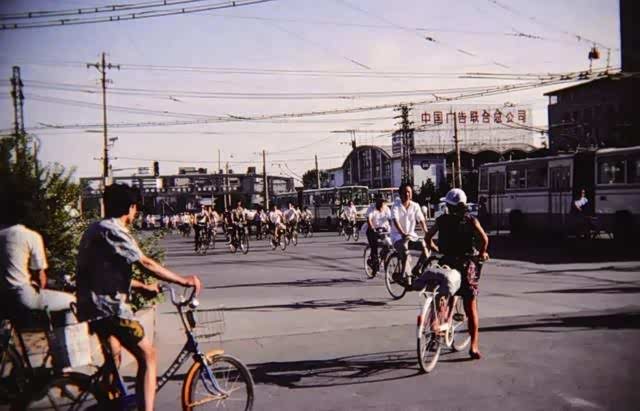
At the founding of the People's Republic of China, transportation infrastructure was devastated. The total length of railways was only 21,800 kilometers, half of which was paralyzed, and the navigable highways were less than 81,000 kilometers. The means of transportation were mainly animal-drawn carts and wooden sailboats. The core task of traffic governance during this period was to restore, reconstruct and ensure basic transportation, and the governance model was mainly administrative control under the planned economy.
Through the three-year national economic recovery period, China restored the damaged transportation infrastructure and gradually resumed water, land and air transportation functions. During the "First Five-Year Plan" and "Second Five-Year Plan" periods, the state increased investment in transportation, renovated and built a number of railways, highways, ports and terminals, focusing on improving transportation coverage in remote western areas. Although development was disrupted during the "Cultural Revolution", breakthroughs were still made in port construction and pipeline transportation. This period established a centralized and unified traffic management system, which coordinated resource allocation through administrative orders, laying a preliminary foundation for subsequent transportation development. However, it also had limitations such as low marketization and low efficiency.
Rapid Development Stage (1978-2012): Market Breakthrough and System Expansion
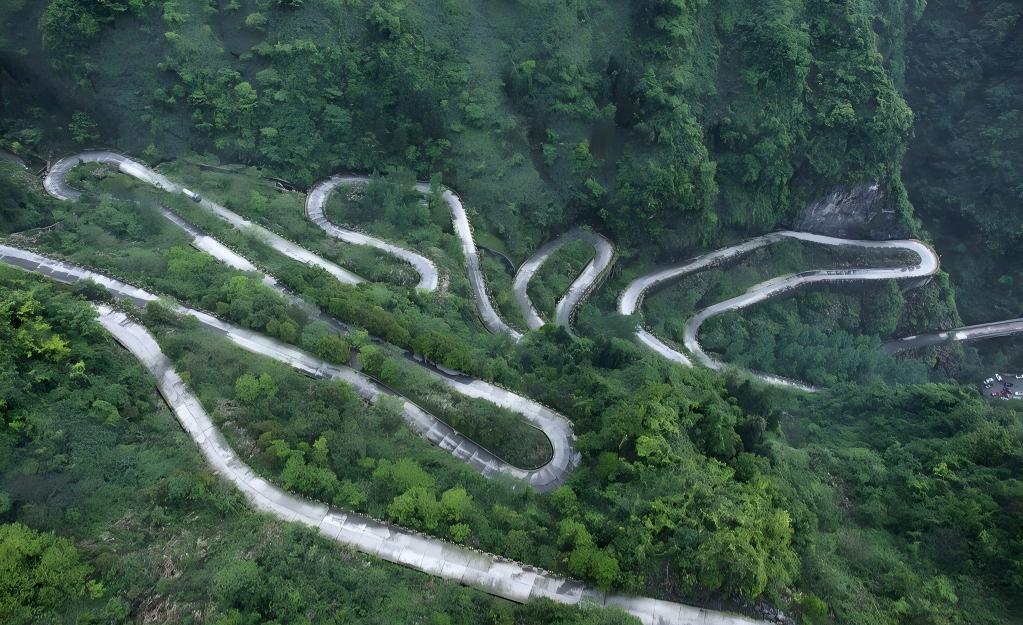
The reform and opening up opened a new chapter in transportation development. The core of traffic governance shifted to breaking through bottlenecks, activating development momentum through market-oriented reforms, and promoting large-scale expansion of the transportation system. During this period, the state established a strategy of giving priority to transportation development and introduced a series of breakthrough policies and measures.
In the highway field, policies such as "loaning money to build roads and repaying loans through tolls" were implemented. The opening of the Shanghai-Jiaxing Expressway in 1988 achieved a zero breakthrough in expressways on the Chinese mainland, and subsequent expressway construction entered a "fast track". Railways implemented an economic contract responsibility system, launched six consecutive speed increases starting from 1997, and initiated large-scale construction campaigns. Civil aviation took the path of enterprise-oriented development, and the air transportation market gradually took shape; ports took the lead in opening up to the outside world, and the maritime transportation industry realized "going global" earlier. At the same time, the "Three Main and One Support" plan promoted the construction of systems such as the main highway framework and the main water transportation channel. The construction of rural highways set off an upsurge, and the opening of the Medog Highway in Tibet in 2013 realized highway access to all counties. The establishment of the Ministry of Transport in 2008 took a substantial step in the reform of the large department system. In the same year, the opening of the Beijing-Tianjin Intercity Railway ushered in the "high-speed rail era", marking that transportation development entered a new stage of quality improvement and speed increase.
Rule of Law and Standardization Stage (2004-2020): System Improvement and Safety Upgrade
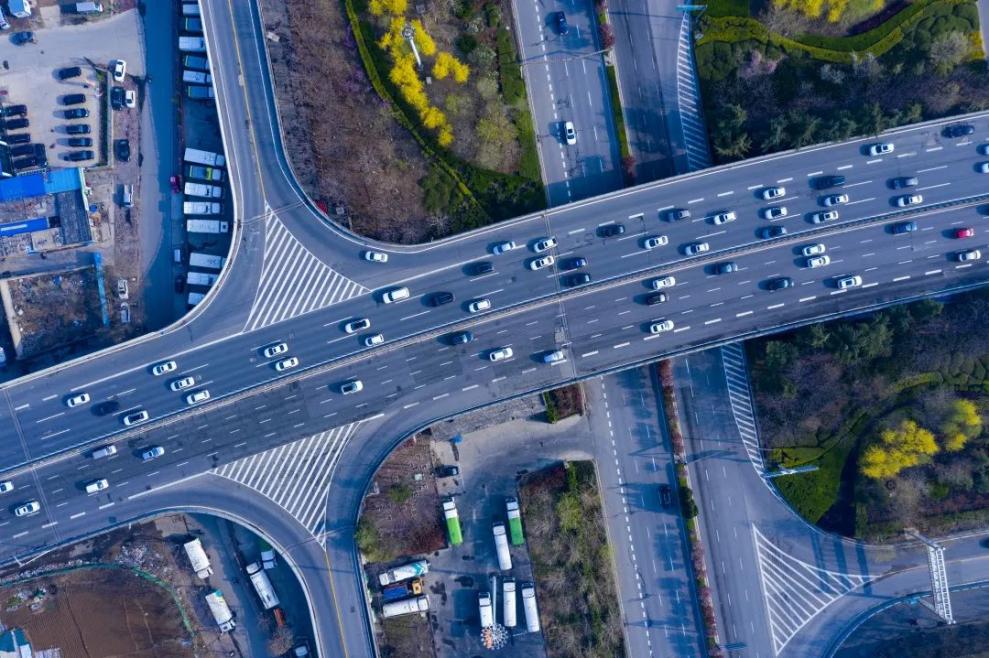
With the rapid expansion of transportation scale, the focus of governance shifted from "construction" to "management", and standardized governance centered on the construction of the rule of law became the main line. The implementation of the "Road Traffic Safety Law of the People's Republic of China" in 2004 marked that road traffic safety work entered a comprehensive track of rule of law. Since then, China has gradually built a complete traffic legal system led by "one law and one regulation", supplemented by departmental rules, local regulations and technical standards.
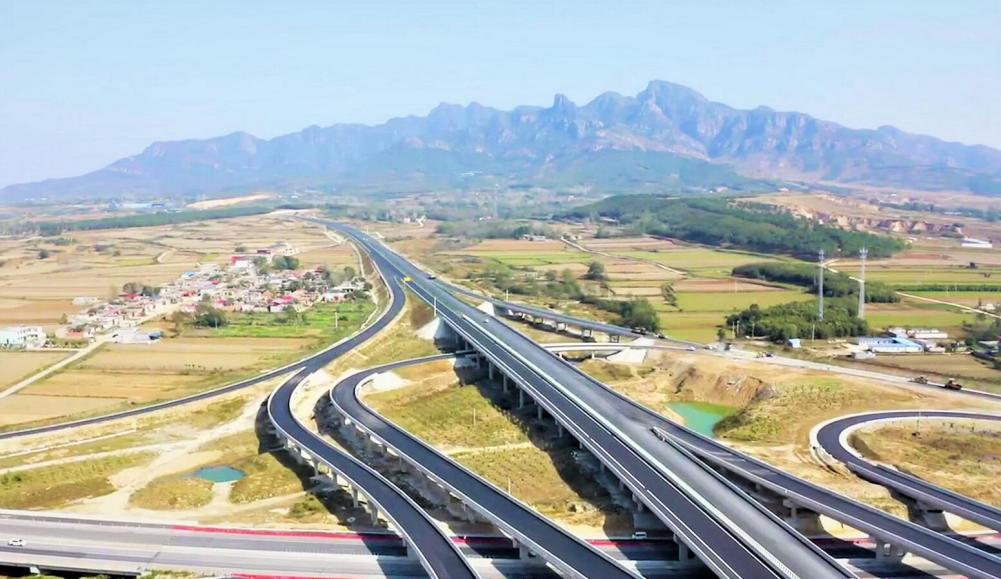
The Road Traffic Safety Law has been revised three times. The inclusion of "drunk driving into criminal punishment" in 2011 became a landmark measure in rule-of-law governance, effectively curbing serious traffic violations. During this period, a national inter-ministerial joint meeting system for road traffic safety work was established, forming a comprehensive governance mechanism for collaboration among public security, transportation, housing and urban-rural development and other departments, and continuously advancing the work of "reducing the number and controlling the severity" of accidents. At the same time, the "National Traffic Safety Day" was established and became a cultural brand, improving the public's awareness of traffic civilization through extensive publicity and education. The standardization of law enforcement and the convenience of services advanced simultaneously. Public security and traffic management departments introduced a number of law enforcement supervision systems to ensure fair and civilized law enforcement.
Modern Upgrade Stage (2020-Present): Intelligent Empowerment and High-Quality Governance
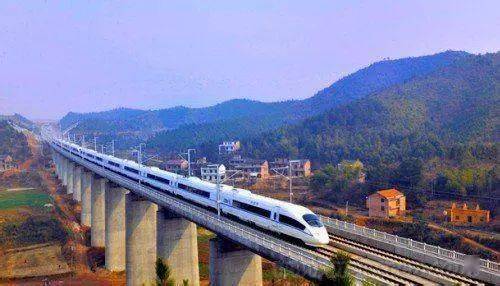
Entering the new era, traffic governance has stepped into a modern upgrade stage centered on intelligence, greenization and integration, focusing on the beautiful vision of "people enjoying their travels and goods flowing smoothly", and promoting the transformation of governance models to pre-prevention. During the "14th Five-Year Plan" period, China accelerated the construction of a national comprehensive three-dimensional transportation network. The completion rate of the main framework of "6 axes, 7 corridors and 8 channels" exceeded 90%, connecting more than 80% of county-level administrative regions across the country.
The construction of intelligent transportation has achieved remarkable results. The "Internet + Traffic Management" services have benefited billions of people. Online ticket sales and face-swiping travel are widely used, and the electronic toll collection system on expressways is fully popularized. Technological empowerment has improved governance efficiency. The highway traffic safety prevention and control system has been continuously improved, and the efficiency of emergency response to sudden incidents has increased by about 30%. The green transformation has accelerated. The coverage rate of charging piles in service areas has reached 98.4%, and new energy transportation equipment has gradually industrialized. At the same time, pilot projects for building a transportation power have been further advanced. Innovative models such as intermodal transportation "single bill system" and transportation-tourism integration have been implemented effectively, promoting the upgrading of traffic governance from single-point control to systematic collaboration, and providing solid transportation guarantee for Chinese-style modernization.
From restoration and reconstruction to intelligent empowerment, the course of China's traffic governance is not only a history of overcoming difficulties in infrastructure construction, but also an evolutionary history of continuous improvement of the governance system. Standing at a new historical starting point, with the continuous improvement of the modernization level of governance capacity, China's transportation will continue to play the role of a pioneer, writing a new chapter of safe transportation, rule-of-law transportation and intelligent transportation.

