


As the year draws to a close and a new one begins, China’s New Year cultural tourism market is experiencing a robust recovery. Elaborately curated themed events and generous consumption incentives rolled out across the country have combined to make "New Year’s travel" the most sought-after choice this winter. From the icy wonderlands in northern China to the mild winter resorts in the south, from dazzling urban celebrations to tranquil temple fairs in ancient towns, the vitality and warmth of cultural tourism consumption are spreading across the nation.
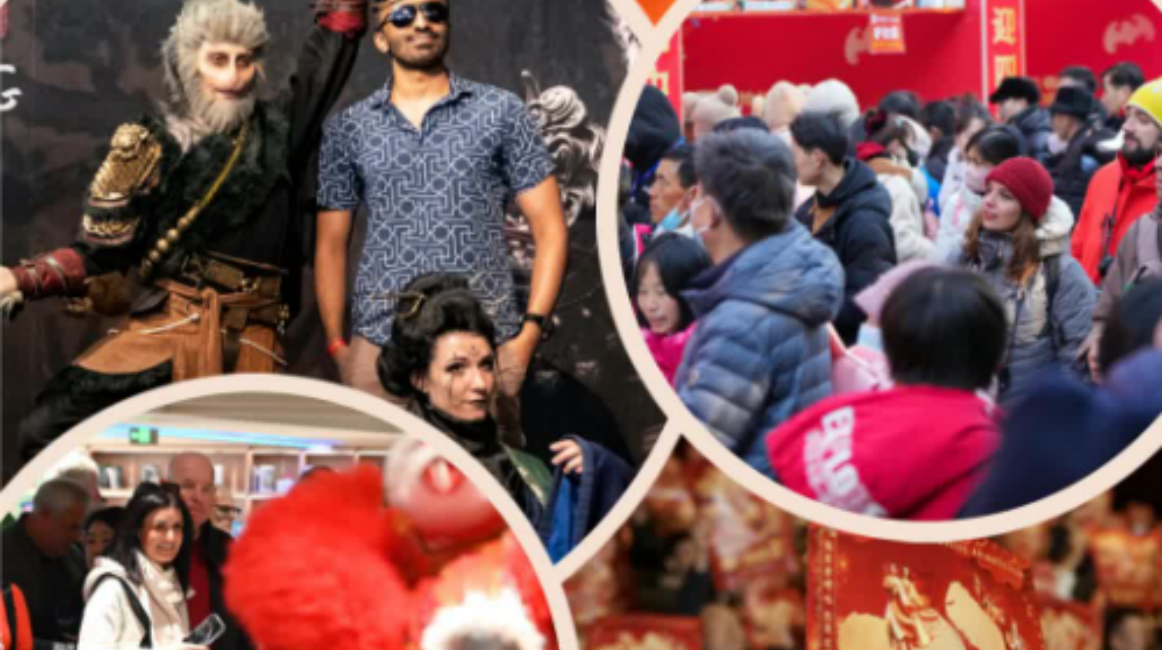
Consumption vouchers and scenic spot discounts have emerged as powerful drivers of the cultural tourism market. Hubei launched the "Soulmate Hubei · Super Cultural Tourism Day" campaign, issuing multiple rounds of consumption vouchers for skiing and hot spring experiences. With discount ranges from 20 to 100 yuan, these vouchers directly reduce travel costs and are easily redeemable across multiple online platforms, benefiting tourists nationwide. Beijing introduced electronic public welfare cards, allowing residents to unlock discounts for museums and shopping districts through online interactions. Liaoning innovatively promoted the "ticket stub economy", where ticket stubs from Liaoning basketball team matches can be exchanged for discounts on museum tickets, dining and accommodation services, transforming vouchers from a "one-dimensional subsidy" into a "catalyst for the entire consumption chain".
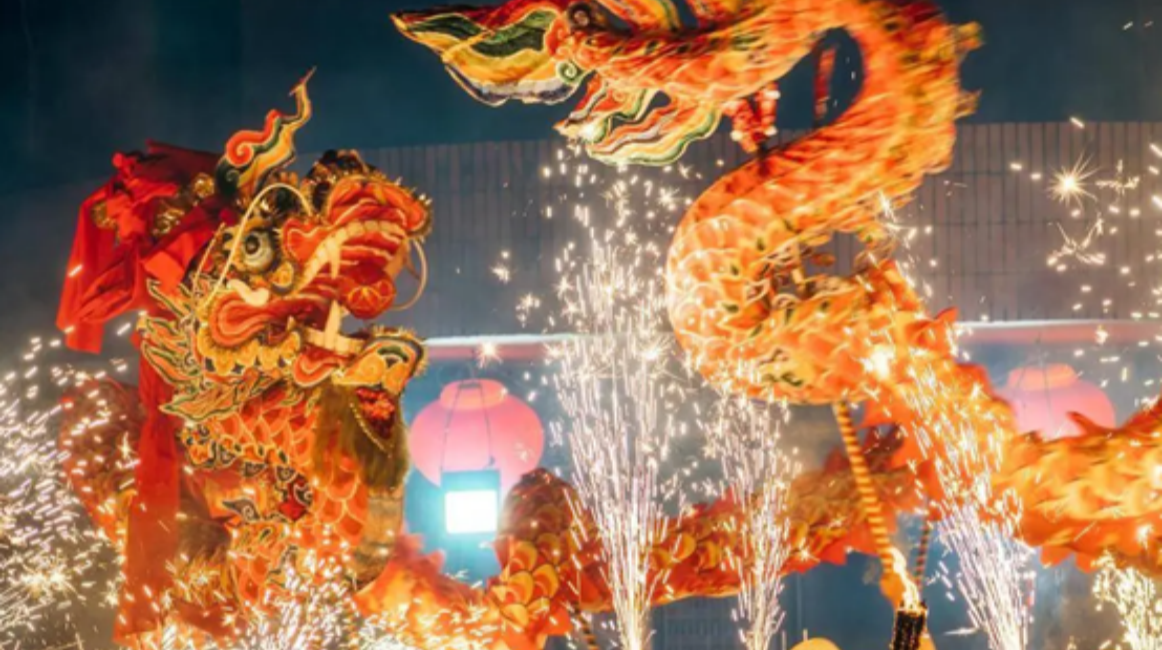
Distinctive cultural tourism events have added a strong sense of ritual to the New Year celebrations. Liaoning broke down venue barriers to launch a cross-venue New Year’s feast featuring five major cultural facilities. Intangible cultural heritage (ICH) handicrafts at museums, AR digital treasure hunts at art galleries, the thrill of sports events at stadiums, and warm airport greetings seamlessly converged, breathing new life into cultural New Year celebrations. In Shanghai, drone light shows along Baoshan Riverside, light festivals at Dishui Lake, and castle projection shows at Disneyland complemented each other beautifully. The tolling of New Year’s bells at Beijing’s Dazhong Temple echoed the drum performances at Juyongguan Great Wall, offering tourists a high-tech yet culturally rich New Year experience.
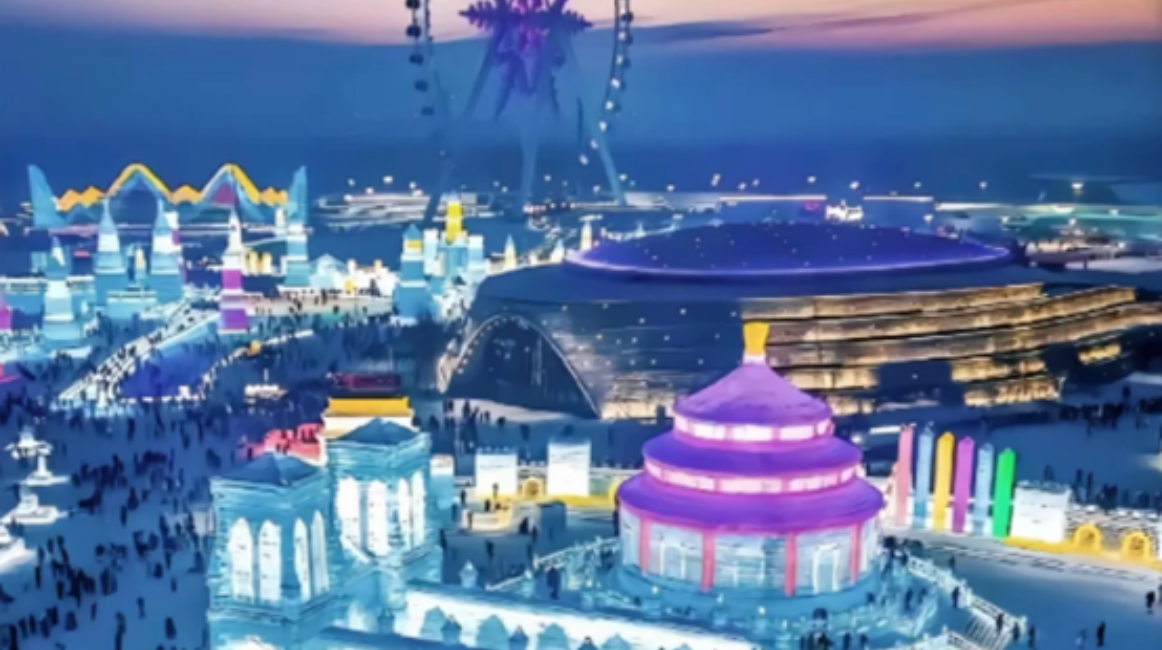
The northern and southern cultural tourism markets are thriving with distinct characteristics. Ice and snow tourism in northern China continues to gain popularity. Harbin Ice-Snow World and ski resorts in Tonghua, Jilin, have attracted a flood of visitors to their "white feasts" with high-quality resources and ticket discounts. Data from Meituan shows that search volumes for related ski resorts have surged by over 300% year-on-year. Meanwhile, winter escape tourism in southern China is equally booming. Sunny beaches and folk-custom experiences in Sanya, Hainan, and Xishuangbanna, Yunnan, as well as short-distance micro-vacation products in Qingyuan, Guangdong, and Meishan, Sichuan, cater to the diverse needs of family travelers and young tourists. Tourism orders in Guangzhou have increased by over 239% year-on-year.
Behind the New Year cultural tourism boom lies the steady recovery of consumer confidence and targeted supply-side improvements. From the "light-chasing tours" favored by post-95s travelers to ICH experiences for families, from weekend getaways within high-speed rail reach to in-depth "extended-leave tours", cultural tourism consumption is evolving toward greater personalization and quality. With consumption vouchers as a link and themed events as a carrier, local governments have not only boosted nighttime economies and unlocked cultural tourism consumption potential, but also allowed people to embrace the new year with a sense of joy and belonging during their journeys, setting a brilliant opening note for the cultural tourism economy in the year ahead.

