


As the core of traditional Chinese woodworking craftsmanship, mortise and tenon is a technique that enables the firm joining of components solely through the precise fit of the concave and convex structures of wood, without the need for metal fasteners such as nails. It has run through thousands of years of Chinese architectural and furniture-making history, serving not only as a practical construction technology but also embodying the Chinese nation's aesthetic pursuits and craftsmanship spirit, thus becoming a distinctive symbol of Oriental creation civilization.

The origin of mortise and tenon craftsmanship can be traced back to the Neolithic Age. Embryonic forms of mortise and tenon have been found in the wooden architectural components unearthed at the Hemudu Site, proving that ancient ancestors had mastered the initial wisdom of wood processing and structural joining. After developing during the Shang and Zhou dynasties, the types of mortise and tenon gradually enriched; by the Tang and Song dynasties, the craftsmanship matured and was widely applied in large-scale constructions such as palaces and bridges, achieving a perfect integration of structural stability and architectural aesthetics. During the Ming and Qing dynasties, mortise and tenon craftsmanship reached its peak—alone in the field of furniture, hundreds of types emerged, including dovetail joints, through tenons, and mitered joints, which precisely met the connection needs of different components and created numerous classic artifacts with exquisite shapes and durability.
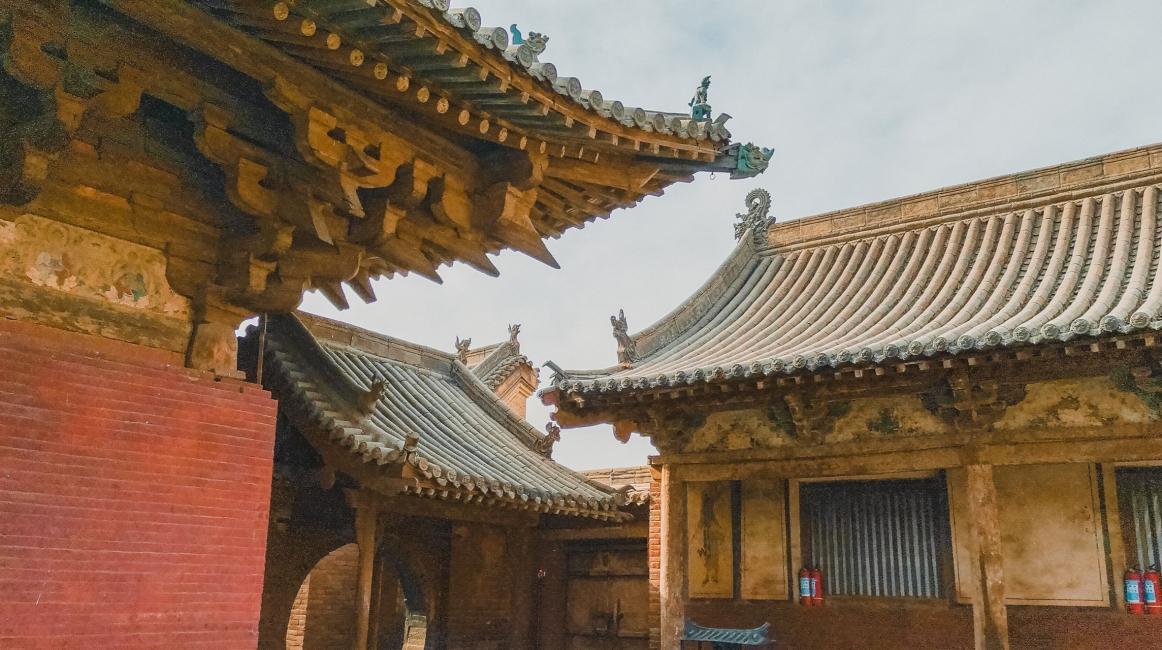
The ingenuity of mortise and tenon craftsmanship lies first in its construction philosophy of "harmony between man and nature." It fully utilizes the natural characteristics of wood, and through precision measurement and cutting, achieves a seamless fit of components, ensuring structural stability while maximizing the retention of wood's natural texture. For example, the beam-column connections of the Hall of Supreme Harmony in the Forbidden City adopt high-grade mortise and tenon structures. Having withstood centuries of wind and rain erosion as well as seismic impacts, they still stand firm, demonstrating extraordinary seismic resistance and durability. Secondly, mortise and tenon craftsmanship embodies a supreme craftsmanship spirit. The size of each tenon and the depth of each mortise require craftsmen to complete with experience and precise control—a slight discrepancy could lead to the failure of the entire structure. This pursuit of perfection in details is a vivid manifestation of the traditional craftsmen's philosophy of "striving for excellence." In addition, mortise and tenon structures feature detachable and repairable characteristics, making components easy to transport and reassemble. This not only reduces construction difficulty but also facilitates the inheritance and restoration of ancient buildings and furniture, allowing cultural heritage to be passed down through time and space.
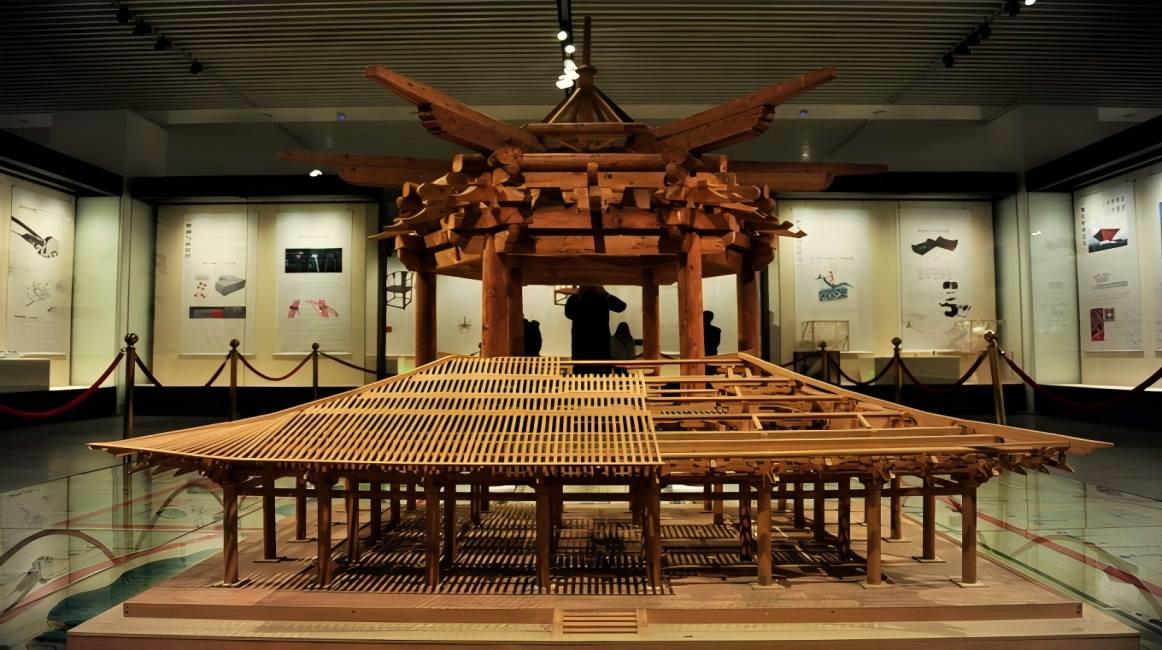
At the cultural value level, mortise and tenon craftsmanship is a materialized embodiment of traditional Chinese philosophical thoughts. Its structural principle of "yin-yang complementarity and the integration of rigidity and flexibility" aligns with the Taoist concept of "all things interact and counteract each other"; meanwhile, the mutually supporting and fulfilling relationship between components metaphorically reflects the Chinese people's philosophy of "harmony in diversity" in interpersonal relationships. Simultaneously, mortise and tenon craftsmanship has shaped the unique aesthetic style of traditional Chinese architecture and furniture. Whether it is the overhanging eaves and brackets of ancient buildings or the simplicity and elegance of classic furniture, they all rely on the support of mortise and tenon structures, forming an Oriental aesthetic paradigm distinct from Western creation and becoming an important symbol of Chinese national cultural identity.
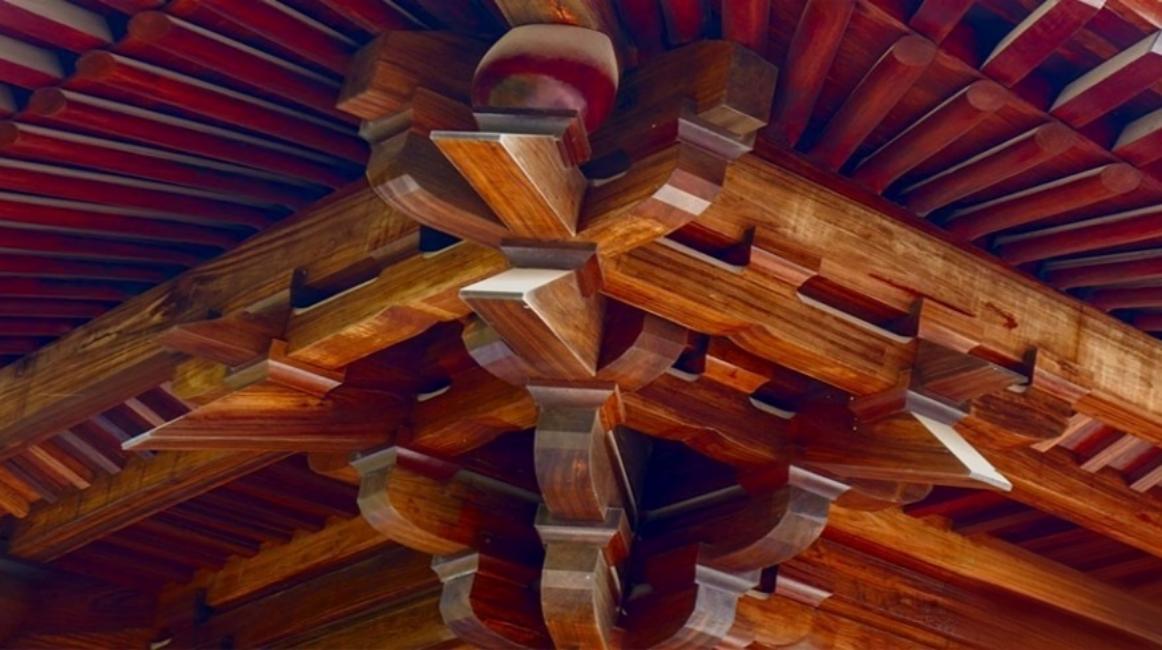
Of course, mortise and tenon craftsmanship is not flawless and has exposed certain limitations in the development of modern society. On one hand, it has extremely high requirements for wood quality, requiring high-quality hardwood with hard texture and uniform grain, which is costly and limited by resources. On the other hand, the production of mortise and tenon imposes stringent requirements on craftsmen's skills—cultivating a mature mortise and tenon craftsman requires long-term accumulation, making it difficult to achieve large-scale and standardized production, which conflicts with the efficiency needs of modern industrial manufacturing. Furthermore, in response to the demands for high-rises and large spans in modern architecture, the load-bearing capacity of mortise and tenon structures is difficult to meet engineering requirements, leading to gradually limited application scenarios.
Despite these limitations, the cultural value and technical wisdom of mortise and tenon craftsmanship remain irreplaceable. Today, with the wave of traditional cultural revival, mortise and tenon craftsmanship has regained attention. It not only continues to thrive in ancient building restoration and traditional furniture making but also has been integrated into the field of modern design, providing nourishment from traditional wisdom for modern creation. Chinese mortise and tenon craftsmanship, this millennium-old woodworking wisdom, is both a gift from history and a source of inspiration for the future, worthy of our continuous inheritance and innovation.

