


A single needle, a length of silk thread, and a grid of blank fabric—these are the simple beginnings from which one of China’s most enduring and captivating folk arts emerges. Chinese cross-stitch, known within the country as zhēnxiù or more specifically in its counted-thread form, is far more than a mere craft of decorative stitches. It is a silent language spoken through vibrant color, a tangible expression of history, belief, and hope meticulously woven into the very fibers of cloth. To the foreign observer, it might initially recall the European cross-stitch traditions found in rural households from Scandinavia to the Mediterranean. Yet, to delve into the Chinese incarnation is to embark on a journey through a distinct artistic cosmology, where every X-shaped stitch carries the weight of millennia and whispers stories of a civilization’s soul.
The origins of needlework in China are ancient, shrouded in the mists of time long before the term "cross-stitch" came into common use. Archaeological discoveries, such as those from the famed Mawangdui tombs of the Han Dynasty (206 BCE – 220 CE), reveal breathtakingly sophisticated silk embroidery featuring chain stitch and satin stitch, demonstrating an advanced textile culture over two thousand years ago. While these early works were primarily freehand embroidery on silk, the foundational principles of meticulous needlework were firmly established. The development of counted-thread work, where stitches are precisely plotted on a woven grid, evolved naturally from these traditions, gaining particular strength in rural and ethnic communities. It was here, away from the imperial workshops producing lavish robes for the nobility, that cross-stitch flourished as an art of the people. Historically, it was a fundamental skill for women, a testament to their diligence, virtue, and artistic sensibility. From a young age, girls would learn the craft, creating pieces that would form part of their dowry, adorn their future homes, and express their innermost wishes for happiness, longevity, and prosperity.
The very materials of Chinese cross-stitch speak of its heritage. While modern crafters globally use even-weave cotton aida cloth and stranded cotton thread, the traditional heart of the art lies in silk. Chinese silk, with its luminous sheen and sublime strength, provided the perfect canvas and medium. The fabric was often a sturdy, homespun hemp or cotton, forming a clear grid for counting. The threads were dyed with pigments from plants, minerals, and insects, resulting in a rich, symbolic palette. The use of silk thread lent the finished work a depth and radiance unmatched by other fibers, making the depicted subjects seem to glow with an inner light. The basic technique, the forming of two diagonal stitches that cross in the center to create an "X," is universal. However, the Chinese application is characterized by an extraordinary density and precision. Stitches are packed closely together, completely covering the foundation fabric to create a smooth, painterly surface. This painstaking approach transforms the counted grid into seamless images of remarkable detail, from the delicate veins on a peony petal to the intricate patterns on a butterfly’s wing.
The true essence of Chinese cross-stitch, however, lies not in its technique but in its iconography. Every motif, every color, every composition is a deliberate carrier of meaning, rooted in ancient symbolism, folklore, and the three great pillars of Chinese thought: Confucianism, Daoism, and Buddhism. Traditional patterns are a visual language of auspicious blessings. The dragon, symbol of imperial power, strength, and good fortune, and the phoenix, representing grace, renewal, and marital harmony, are perennial favorites. Carp fish embody perseverance and success, inspired by the legend of carp leaping over the Dragon Gate to become dragons. The endless knot symbolizes longevity and the interconnectedness of all things. Floral motifs are equally laden with meaning: the peony stands for wealth and honor; the lotus, rising pristine from mud, symbolizes purity and spiritual enlightenment; the plum blossom, braving the winter cold, represents resilience and hope.
These symbols are rarely presented in isolation. They are woven into complex narratives and harmonious compositions. A common theme is the expression of homophonic puns, where the name of a depicted object sounds like a wished-for blessing. For instance, a bat (fu) is a common motif because its name is a homophone for "good fortune" (fu). A scene showing a child holding a lotus (lian) and a carp (yu) might symbolically wish for "year after year (lian nian) of abundance (yu)." This layers the art with an intellectual puzzle, inviting appreciation not just for its beauty but for its clever encoding of hope. Furthermore, the influence of classical Chinese painting is profound. Many cross-stitch designs, especially those from regions like Suzhou, emulate the aesthetics of ink wash paintings or fine-line brushwork, capturing not just forms but a sense of poetic atmosphere and philosophical depth. A landscape might stitch the misty mountains and solitary boats of a Shi Tao painting, conveying a Daoist appreciation for nature’s vast, serene mystery.
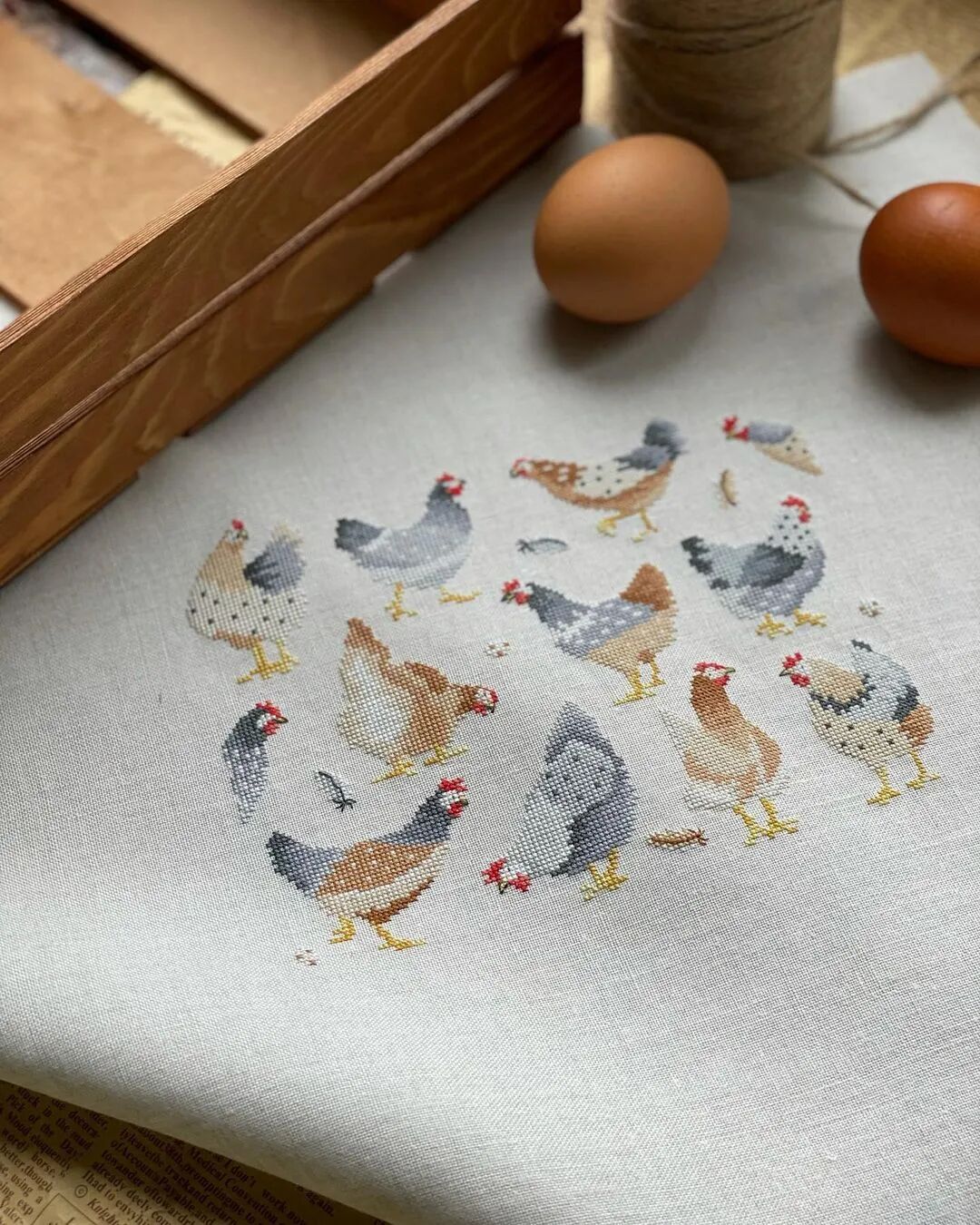
For centuries, this art form thrived as a domestic and communal practice, with distinct regional styles blossoming across China’s vast geography. The embroideries of the Miao and Dong ethnic minorities in Guizhou and Hunan provinces are world-renowned for their breathtaking geometric complexity and bold, symbolic colors, often used to decorate clothing and tell the stories of their migration and cosmology. The Xiu of the Shanghainese style is celebrated for its refinement and pictorial elegance. The arrival of the modern era, particularly the late 20th and early 21st centuries, ushered in a fascinating new chapter. While traditional patterns remain deeply revered, Chinese cross-stitch has demonstrated a remarkable capacity for adaptation and innovation. The craft saw a massive resurgence in popularity as a leisure activity among urban populations. Pre-printed kits, featuring everything from classical masterpieces like Along the River During the Qingming Festival to modern pop culture icons, have made the art accessible to millions.
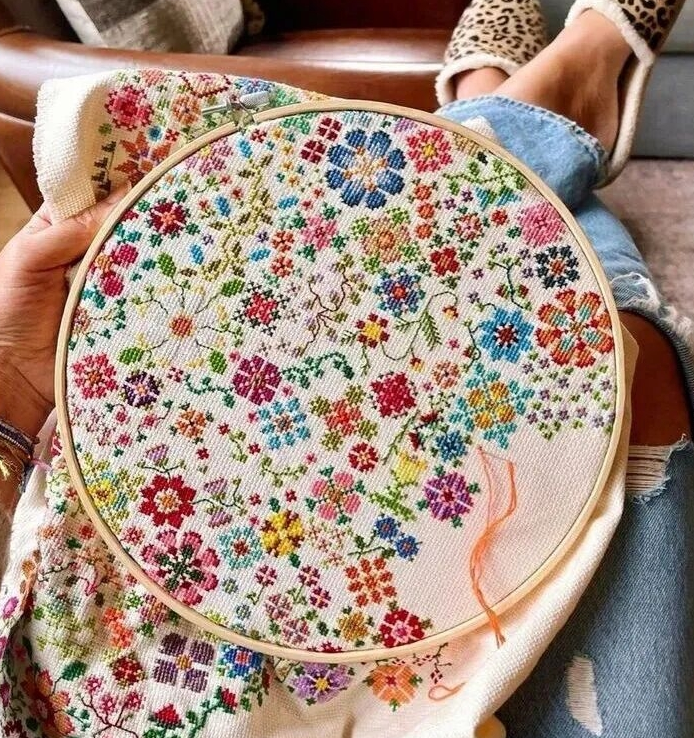
This commercialization also opened a dialogue with Western cross-stitch traditions. Chinese stitchers began incorporating techniques like fractional stitches and backstitching for outlines to achieve even greater realism, while Western designs sometimes integrated Chinese characters and motifs. The internet created global communities where enthusiasts from Beijing to Boston share patterns, techniques, and appreciation. Contemporary Chinese artists are also pushing the boundaries, using cross-stitch to create large-scale installations and comment on social issues, thus transforming a folk craft into a medium for contemporary artistic expression. This fusion has not diluted the traditional art but rather created a vibrant spectrum, where a grandmother in a Shaanxi village might stitch a centuries-old lotus pattern for her granddaughter’s wedding, while that granddaughter in Shanghai might design a cross-stitch portrait of her favorite film star using digitally dyed threads.
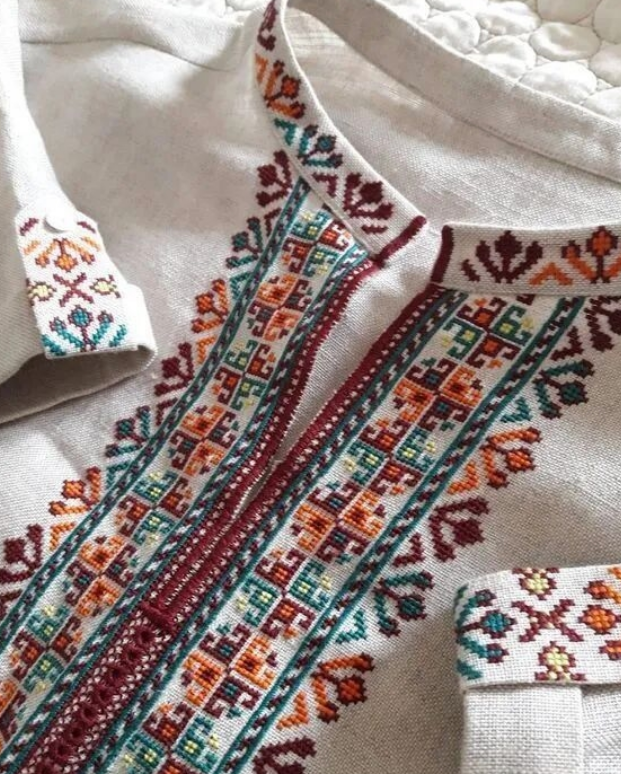
Today, Chinese cross-stitch occupies a unique space in the global tapestry of textile arts. It is simultaneously a cherished heritage, a popular hobby, and an evolving artistic language. For the foreign viewer or practitioner seeking to understand it, the key is to look beyond the stitch itself. To appreciate a piece of Chinese cross-stitch is to read a story of cosmic harmony, to decipher a prayer for happiness, and to witness the patient accumulation of small, deliberate actions into a whole of breathtaking beauty. It is an art that demands time, mirroring the slow, cyclical rhythms of nature it so often portrays. In an age of digital immediacy, the very process of creating a cross-stitch—one tiny "X" after another—becomes a meditative act of dedication. Each finished work, whether a humble handkerchief or a monumental landscape, stands as a testament to the human desire to create meaning and beauty, to weave one’s own hopes into the enduring fabric of culture. It is, in every sense, the silk thread connecting past to present, the artisan to the admirer, and the quiet human hand to the vast, vibrant tapestry of Chinese artistic expression.

