


Currently, China's automobile market is at a critical juncture of industrial transformation and global competition. The sales pattern is continuously reshaped under the combined effects of policy guidance, technological innovation, and consumption upgrading. According to the latest data from the China Association of Automobile Manufacturers (CAAM), from January to October 2025, domestic automobile production and sales reached 27.692 million units and 27.687 million units respectively, both achieving double-digit growth year-on-year. It is expected that annual sales will exceed 34 million units, hitting a historic high. From the perspective of market structure, the dual competitive landscape between new energy vehicles (NEVs) and fuel vehicles has become increasingly clear, the export market has continued to make breakthroughs, and sales channels have accelerated iteration, collectively depicting a diversified picture of China's automobile sales market.
Steady Growth in Overall Production and Sales, Driven by Both Policy and Market
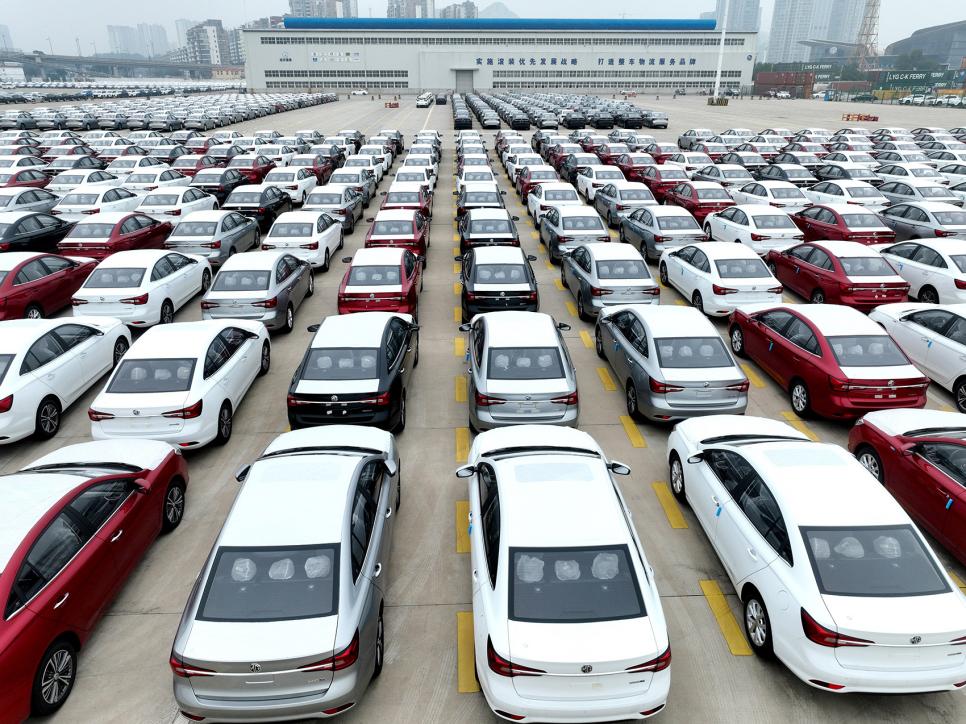
China's automobile market maintained a steady growth trend in 2025, with production and sales scales rising simultaneously. In October alone, automobile production and sales completed 3.359 million units and 3.322 million units respectively, increasing by 2.5% and 3% month-on-month, and 12.1% and 8.8% year-on-year, setting historical highs for the same period. Behind this growth momentum is the coordinated efforts of policies and the market. On the one hand, the driving effect of the "Two New" policies on the automobile market is significant. The policy transition window at the end of the year has prompted automobile enterprises to accelerate the production and supply rhythm, and the intensive launch of new products has further activated consumer demand. On the other hand, the steady progress of comprehensive industrial governance has optimized the market development environment and provided a guarantee for the growth of production and sales.
From the perspective of segmented markets, the passenger car market maintained steady growth, and the commercial vehicle market continued to improve, forming a sound pattern of comprehensive development. Chen Shihua, Deputy Secretary-General of CAAM, pointed out that the industrial growth rate in the first 10 months exceeded expectations, and the resilience of market demand has been continuously enhanced, laying a solid foundation for annual sales to exceed 34 million units. It is worth noting that market growth has gradually shifted from being dominated by policy stimulus in the past to being driven by product strength improvement and consumption demand upgrading, and the quality and sustainability of industrial development have been significantly enhanced.
Formation of a Dual Competitive Pattern, NEVs and Fuel Vehicles Each with Advantages
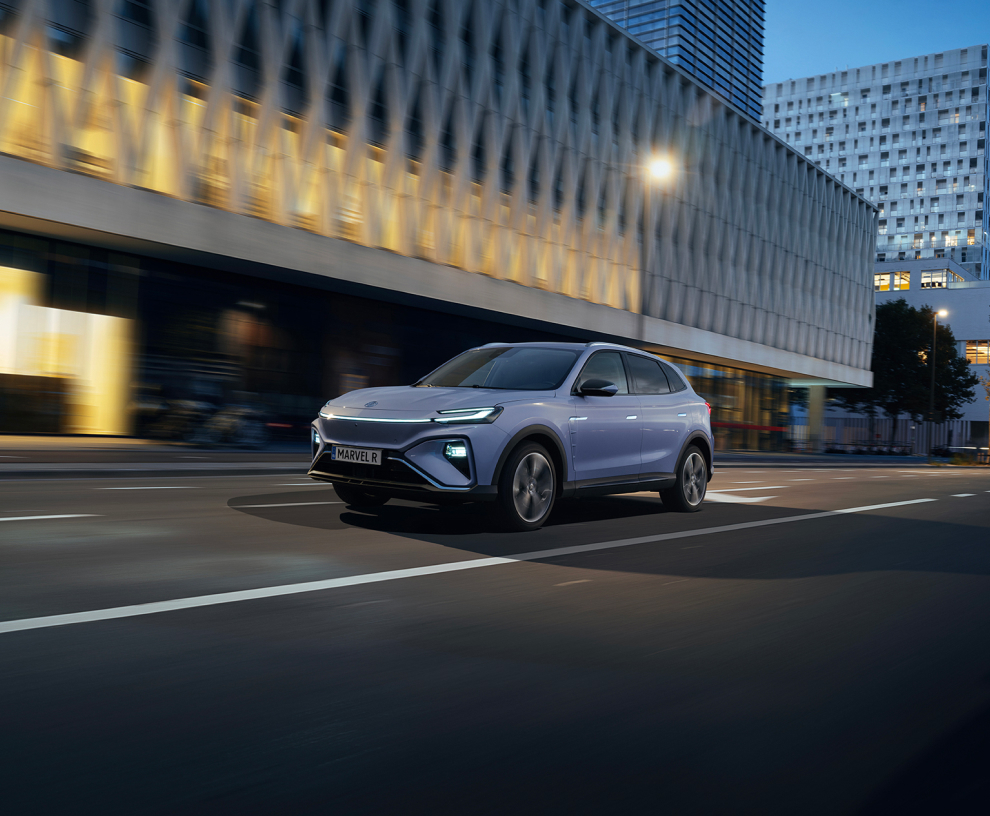
Against the backdrop of energy transition, new energy vehicles have long maintained a high-speed growth trend, but the market underwent structural adjustments in 2025, forming a dual competitive pattern where new energy vehicles and fuel vehicles share equal popularity. Data show that NEV sales reached 1.715 million units in October, a year-on-year increase of 20%, accounting for 51.6% of total automobile sales, maintaining a high market penetration rate. The cumulative sales of NEVs in the first 10 months reached 12.943 million units, accounting for 46.7%, still an important engine for market growth.
At the same time, the fuel vehicle market has ushered in a structural recovery, changing the previous growth inertia of new energy vehicles that lasted for many years. Research data shows that among consumers planning to buy a car within two years by the end of 2025, the proportion of those inclined to choose fuel vehicles has approached half, an increase of 13 percentage points year-on-year, setting the highest growth rate in nearly five years. This change stems from multiple factors: first, the policy environment is loose and open. After the full implementation of the National VI B emission standard, there are no obstacles to the registration of compliant fuel vehicles, and policy regulation only guides industrial upgrading by optimizing consumption tax; second, fuel vehicle enterprises have increased preferential efforts, with the terminal prices of some B-class fuel vehicles dropping to the A-class car range, and coupled with financial support policies, activating pragmatic consumer demand; third, fuel vehicle technology has continued to iterate, and the combination of small-displacement engines and mild hybrid systems has significantly reduced fuel consumption, alleviating consumers' anxiety about usage costs.
Currently, consumers' car purchase decisions are becoming more rational, no longer limited to the labeled choice of "new energy" or "fuel", but paying more attention to product cost performance, adaptability to usage scenarios, and long-term stability. In third- and fourth-tier cities and township markets where charging facilities are imperfect, fuel vehicles have a significant energy supplement advantage of "5-minute refueling"; while in first-tier cities, the road right advantage and environmental protection attributes of new energy vehicles are still favored by some consumers, and the dual pattern will exist for a long time.

Export Market Hits New Highs, Accelerated Advancement of Global Layout
China's automobile export market continued to boom in 2025, becoming an important force driving sales growth. Automobile exports reached 666,000 units in October, an increase of 2.1% month-on-month and 22.9% year-on-year. Among them, new energy vehicle exports performed particularly brightly, with 256,000 units exported in a single month, an increase of 15.4% month-on-month and a sharp surge of 99.9% year-on-year. More promisingly, China's automobile exports are expected to exceed 6 million units in 2025, setting a new record for a single country's annual automobile exports in the history of the global automobile industry.
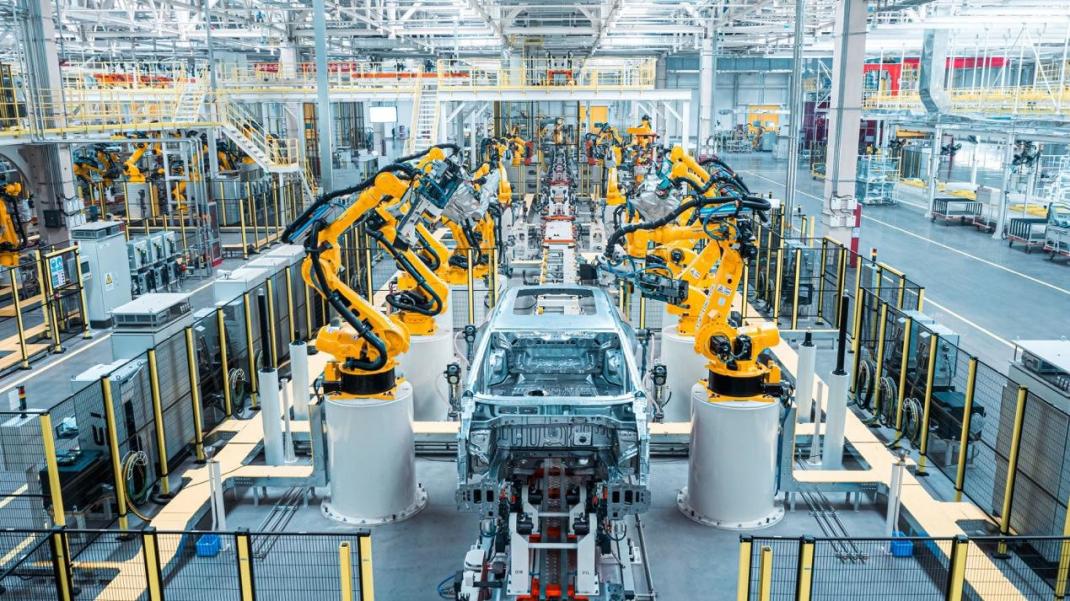
The rapid growth of the export market is due to the enhanced global competitiveness of China's automobile industry chain. Currently, China's position in the global automobile supply chain is accelerating, with the "China content rate" continuously increasing. The global installed capacity share of power batteries is close to 70%, maintaining a leading position for many consecutive years; in the field of intelligence, Chinese auto parts enterprises have achieved a transformation from "large-scale import" to "gradual export". To further expand overseas markets, Chinese automobile enterprises are accelerating their global layout, and localized production has become a new trend. Enterprises such as NIO can reduce comprehensive costs by 20%-30% through overseas localized supply chain layout. At the same time, the innovative model of "brain factory + overseas limb factories" keeps process control in China, and overseas factories focus on end automation production, effectively reducing overseas operational risks and providing new momentum for export growth.

Rational Upgrading of Consumer Demand, Iteration and Transformation of Sales Channels
With the maturity of the automobile market, consumer demand is upgrading from "ownership-oriented" to "quality-oriented", and consumers' requirements for product intelligence, personalization, and comfort are constantly improving. Configurations such as intelligent cockpits and advanced driver assistance systems have become important considerations for car purchases, prompting automobile enterprises to accelerate technological research and development and product upgrading. At the same time, consumer attitudes have become more rational. Problems such as the excessively fast technological update and frequent price fluctuations of new energy vehicles have made some consumers hold back their purchases, while the stability of fuel vehicle prices hitting the bottom has attracted more pragmatic consumers.
In terms of sales channels, the traditional 4S store model is accelerating integration with online channels, forming a new sales system of "online lead generation + offline experience". Automobile enterprises have successively laid out official online malls, providing services such as vehicle display, configuration selection, and online reservations, reducing the threshold for consumers to buy cars; offline stores have strengthened experience functions, improving consumer stickiness through scenario-based services such as test drive experiences and after-sales services. In addition, the standardized development of the used car market has also become an important supplement to the automobile sales market, further improving the full-life-cycle service system of automobile consumption.
Overall, China's automobile sales market in 2025 has shown distinct characteristics of "total growth, structural optimization, and global expansion". The continuous penetration of new energy vehicles and the structural recovery of fuel vehicles together constitute the diversified competitive pattern of the market; the breakthrough in the export market demonstrates the global competitiveness of China's automobile industry. In the future, with the continuous innovation of technology, the continuous improvement of the energy supplement system, and the deepening of global layout, China's automobile sales market will continue to move forward on the path of high-quality development, injecting new vitality into the development of the global automobile industry.

