


The global film industry pattern is undergoing historic restructuring. With its vibrant vitality and huge scale, China's market has become the core engine driving the growth of the global film industry and even emerged as a key force leading the industry trend. In 2025, China's annual film box office surpassed 50 billion yuan, a net increase of 7.5 billion yuan from the previous year. This impressive achievement not only confirms the strong recovery of the domestic market but also sends a clear positive signal to the global film industry. From the box office miracles of Hollywood blockbusters in China to the overseas breakthroughs of domestic films, China's market is reshaping the development logic of the global film industry with a two-way empowerment posture.

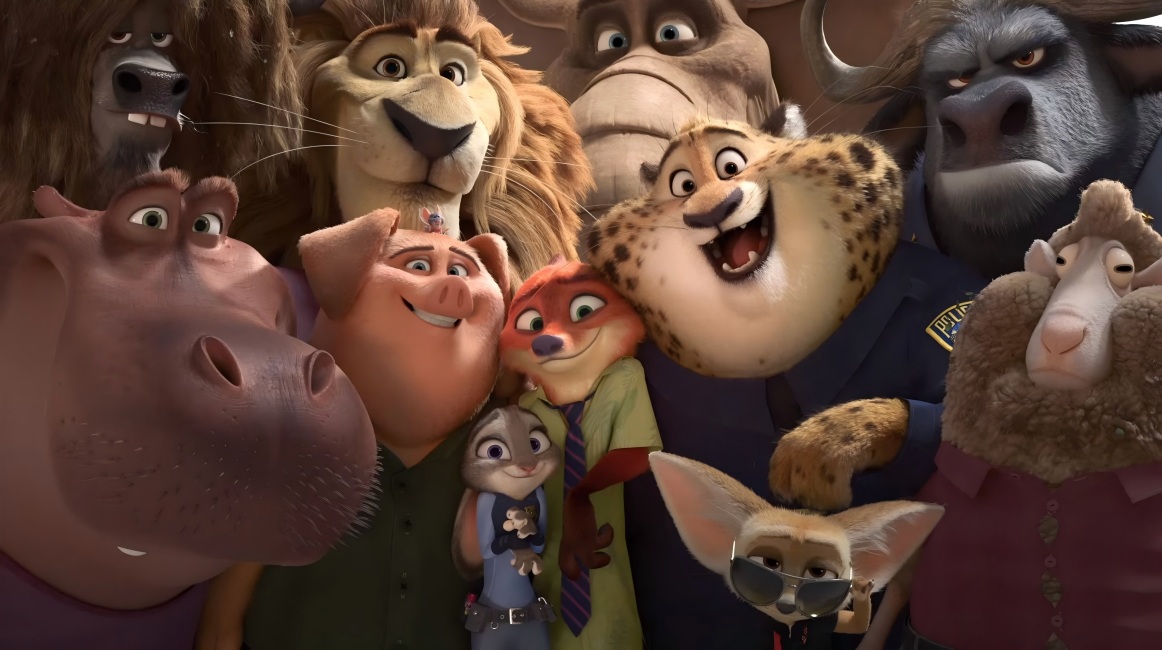
The scale effect of China's market provides stable growth momentum for global films. With a population base of 1.4 billion and the hardware advantage of over 90,000 movie screens, China has become an indispensable box office pillar for Hollywood. The 2025 hit American animated film Zootopia 2 exceeded the $1 billion mark at the global box office, with nearly half of its revenue coming from the Chinese market—far exceeding that of North America. Thus, China became the world's largest box office market for the film. This kind of box office contribution is not an isolated case. After the release date of the sci-fi blockbuster Avatar 3 was announced, the industry generally predicts that its box office in the Chinese mainland will achieve a major breakthrough, once again confirming the core supporting role of the Chinese market for global blockbusters. The Associated Press keenly pointed out that for large-scale films, the box office in the Chinese market can already be comparable to or even exceed that of the United States, which has profoundly changed the global revenue structure of films. Against the backdrop of rising uncertainty in many global markets, the steady performance of China's market has injected valuable certainty into the global film industry.
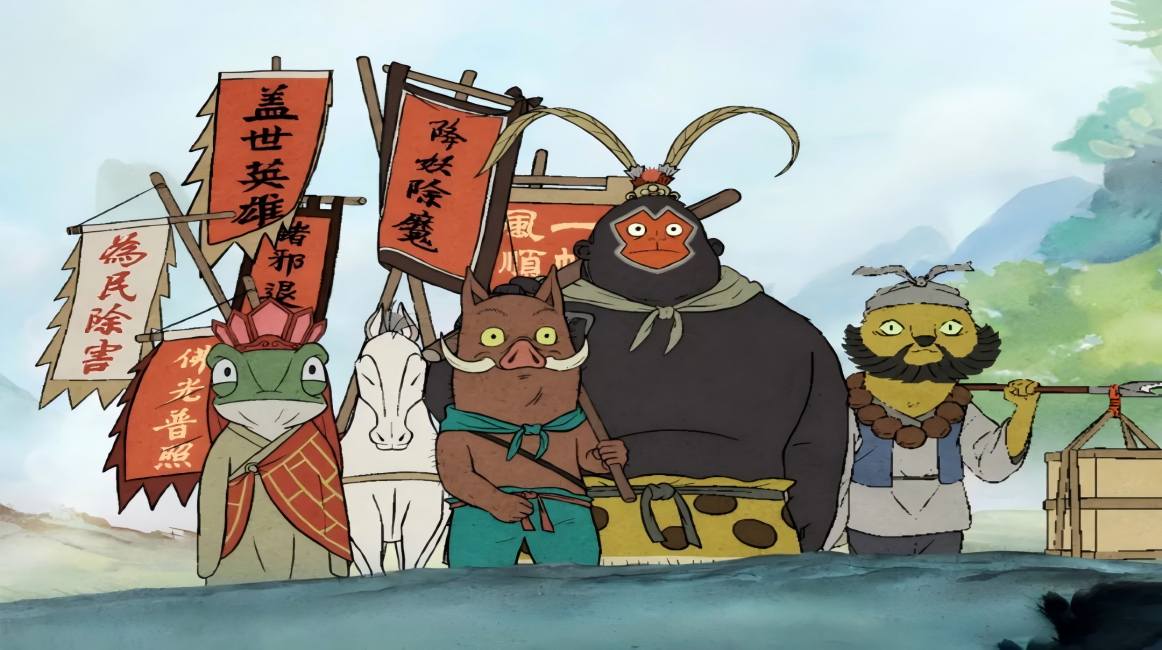
More significantly for the industry, China's market has transformed from a passive box office recipient to an active trendsetter. Hollywood studios are proactively adapting to the needs of the Chinese market, striving for audience recognition by casting renowned Chinese celebrities and integrating Chinese cultural elements. Such adjustments at the creative level demonstrate the enhanced voice of China's market. At the same time, the ecological innovation of China's film industry has provided a new paradigm for the world. In 2025, the "Film+" ecosystem continued to expand: the cross-border derivative sales of Ne Zha: The Devil Boy's Sea Adventure hit new highs repeatedly, and Little Monsters of Langlang Mountain authorized more than 800 derivative products, forming a diversified profit model of "box office revenue + derivative consumption". Culture-tourism integration formats such as "Traveling China with Films" have activated full-chain consumption, converting film IP into real economic momentum. This industrial extension path provides a referenceable development idea for the global film industry.
The overseas breakthrough of Chinese films has further strengthened the two-way interaction in the global film market. In 2025, domestic films such as Ne Zha: The Devil Boy's Sea Adventure, Nanjing Photo Studio, and 731 landed in major markets including North America, Europe, and Oceania, repeatedly setting new overseas box office records. Among them, Ne Zha: The Devil Boy's Sea Adventure not only won the global single-market box office championship but also ranked among the top five in global box office history, demonstrating the industrial strength of Chinese animated films. By holding film festivals and exhibitions in more than 30 countries and regions and setting up joint Chinese film booths, China has enabled Chinese stories to spread around the world through the art of film—serving as a bright calling card for cultural exchange with foreign countries and driving the cross-border flow of cultural and tourism consumption. This two-way effort of "bringing in" and "going out" promotes in-depth mutual learning of global film cultures.

Despite remarkable achievements, China's film market still has development shortcomings. Some low-to-medium-budget films lack originality, and the problem of theme homogenization has not been fully resolved. In terms of the construction of overseas distribution channels, there is still a gap compared with Hollywood's mature global distribution network. The overseas influence of some domestic films is limited to specific ethnic groups, failing to achieve true mass communication. These deficiencies are not the mainstream of development but an inevitable stage for China's film market to move towards higher-quality development.
From a box office engine to a trendsetter, the rise of China's film market is an important symbol of the restructuring of the global film industry pattern. It not only provides growth momentum for global films but also enriches the development path of the global film industry through the dual practices of industrial innovation and cultural exchange. As China's film market continues to mature, its upgrades in content creation, industrial ecology, and international cooperation will surely bring more development opportunities to the global film industry, promoting the formation of a more diverse and inclusive global film cultural ecology.

