


As a treasure of China, Traditional Chinese Medicine (TCM) has gone through thousands of years of vicissitudes, always guarding the health of the Chinese people. It is an indispensable and important part of China's excellent traditional culture. With its unique theoretical system, rich diagnostic and therapeutic methods, and profound cultural heritage, TCM occupies a distinctive position in the medical field. It has not only made outstanding contributions to the prosperity of China but also gradually gone global, becoming a precious asset in the treasure trove of human medicine.

The core charm of TCM lies in its unique thinking of holistic view and syndrome differentiation and treatment. Unlike Western medicine, which focuses on the diagnosis and treatment of local lesions, TCM holds that the human body is an organic whole, interconnected with nature and the social environment. The occurrence of diseases is the result of an imbalance of yin and yang and disharmony of qi and blood in the body. Based on this concept, TCM emphasizes "syndrome differentiation and treatment" in diagnosis and treatment—that is, accurately judging the type of illness according to comprehensive factors such as the patient's specific symptoms, constitution, and living environment, and then formulating a personalized diagnosis and treatment plan. This model of "treating each person with a tailored prescription and differentiating syndromes for treatment" can better take into account individual differences among patients and achieve the effect of treating both symptoms and root causes. For example, for the common cold, TCM classifies it into different syndrome types such as wind-cold cold and wind-heat cold according to the patient's constitutional differences in cold-heat and deficiency-excess, and adopts different treatment methods such as pungent-warm exterior-relieving and pungent-cool exterior-relieving respectively, which have definite curative effects and few side effects.
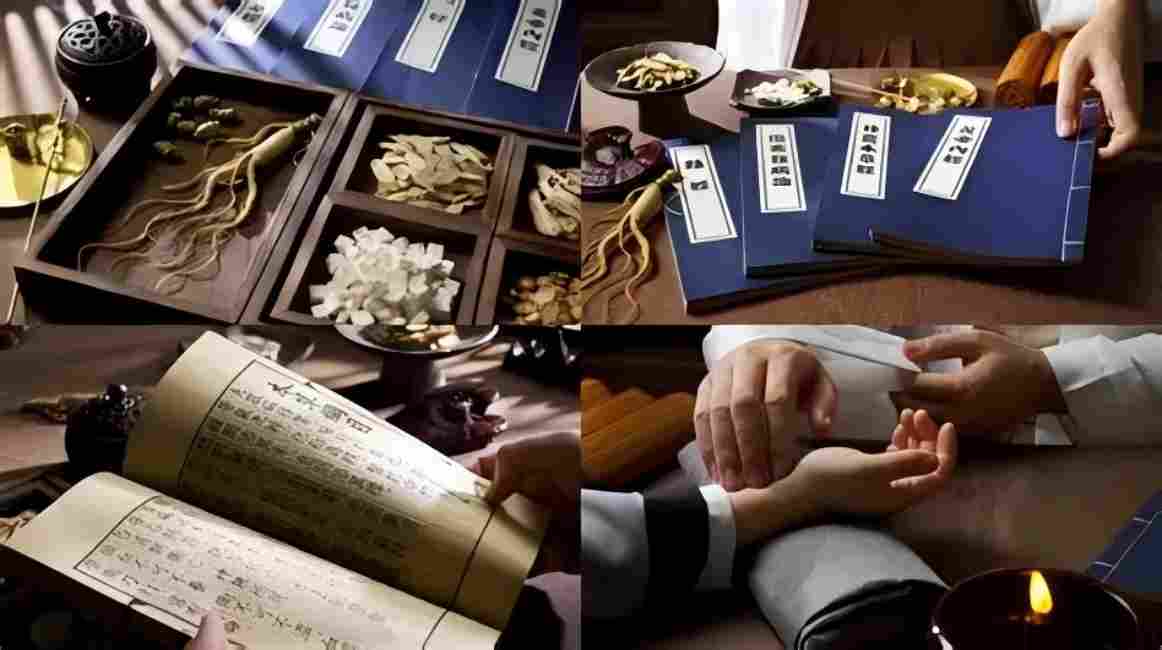
TCM boasts a variety of diagnostic and therapeutic methods, embodying profound practical wisdom. In addition to the well-known traditional Chinese herbal decoctions, non-pharmaceutical therapies such as acupuncture, tuina massage, moxibustion, cupping, and guasha are also unique. These therapies are based on the meridian theory, regulating the circulation of qi and blood in the body and stimulating the body's own immunity by stimulating specific acupoints or parts of the human body, thereby achieving the purpose of curing diseases and strengthening the body. In recent years, the advantages of TCM non-pharmaceutical therapies have become increasingly prominent in fields such as pain management, rehabilitation treatment, and sub-health conditioning. During the COVID-19 prevention and control, TCM played an important role—many TCM prescriptions and therapies such as acupuncture were included in the diagnosis and treatment plans, effectively alleviating patients' symptoms and reducing the incidence of severe cases, which fully demonstrated the clinical value and contemporary adaptability of TCM.
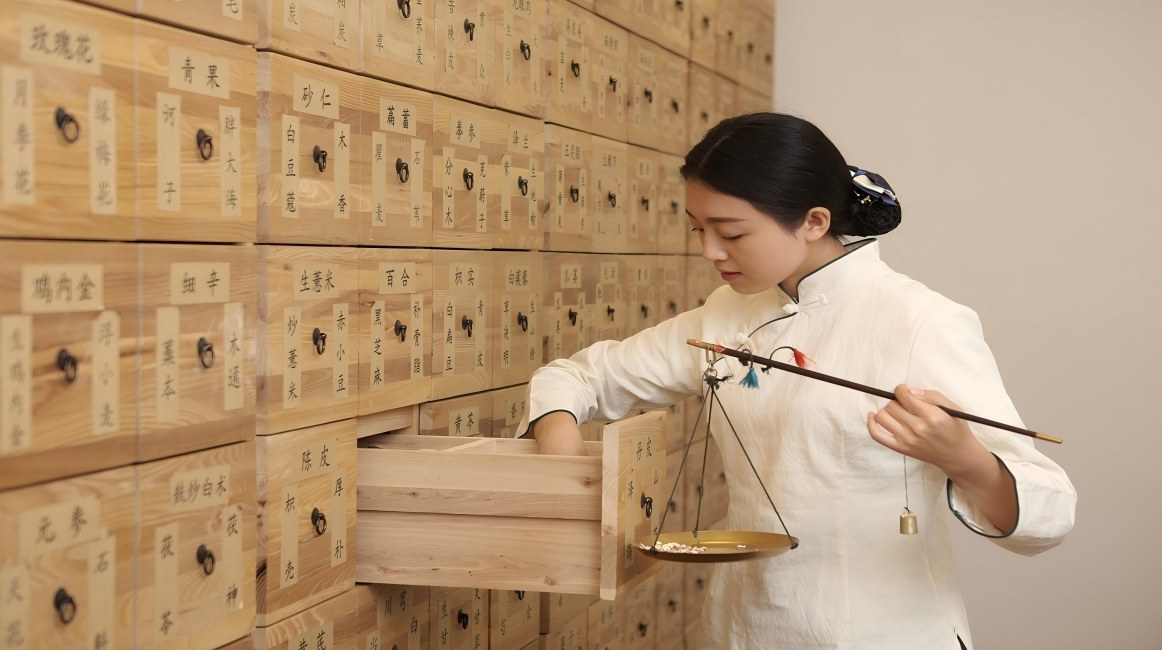
The inheritance and development of TCM is not only the continuation of medical technology but also the inheritance of cultural genes. TCM theory contains the core ideas of Chinese traditional culture such as "the unity of man and nature", "the balance of yin and yang", and "moderation and harmony". It integrates medicine with philosophy, ethics, health preservation, etc., forming a unique concept of health preservation. This concept not only guides clinical diagnosis and treatment but also profoundly influences the lifestyle of the Chinese people, such as health preservation in accordance with seasons, reasonable diet, and a balance between work and rest, providing valuable references for modern healthy living.
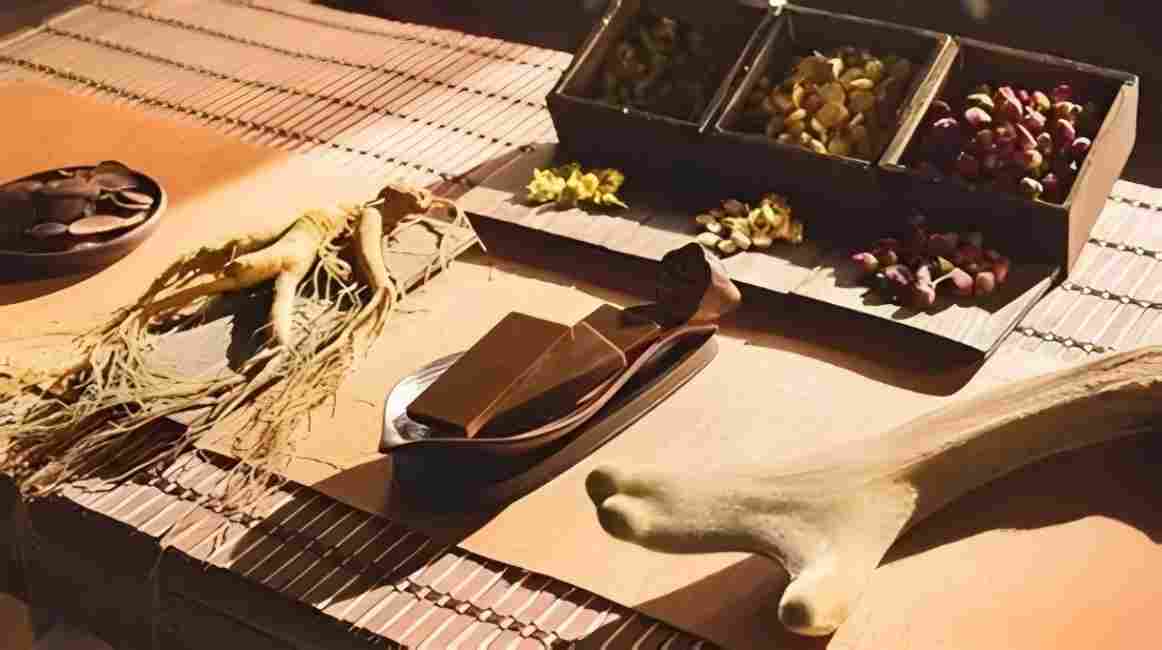
At the same time, we should also objectively view the shortcomings faced by TCM in its inheritance and development. On the one hand, the abstractness of TCM theories makes its inheritance difficult. Some traditional diagnostic and therapeutic techniques are facing a "shortage of successors", and the unique experience of some senior TCM practitioners is difficult to pass down completely. On the other hand, the development of TCM standardization is relatively backward. The quality control and efficacy evaluation of some traditional Chinese medicines lack a unified standard system, which affects the international promotion and recognition of TCM. In addition, under the impact of modern medicine, TCM has insufficient innovation and development efforts, and its integration with modern science and technology is not in-depth enough, which to a certain extent restricts the full play of its advantages.
In summary, TCM is a crystallization of wisdom passed down in China for thousands of years, and its unique theoretical system and diagnostic and therapeutic advantages have irreplaceable value. Although it faces some challenges in inheritance and development, as long as we uphold tradition and dare to innovate, we will surely make this millennium-old treasure radiate new vitality and make greater contributions to safeguarding human health.

