


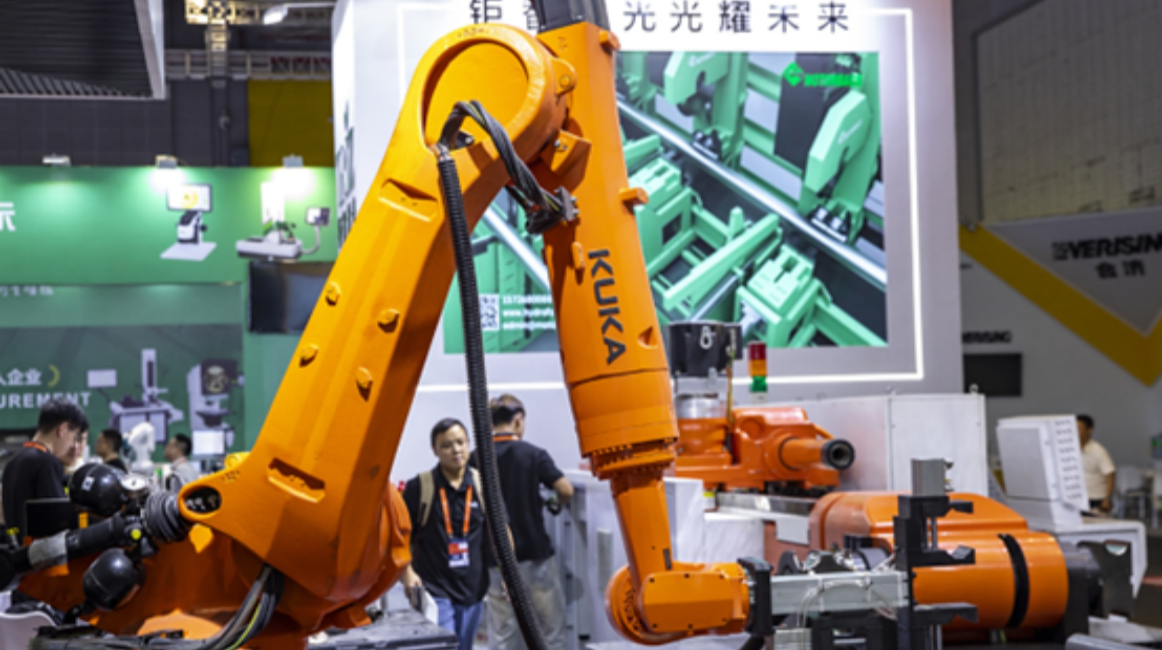
AI is reshaping the core competitiveness of China's manufacturing industry in the form of a "factory brain," driving "lights-out factories" from a concept to large-scale popularization. At Midea's Jingzhou washing machine factory, an intelligent system driven by Huawei's Pangu large model coordinates most of the production processes to achieve efficient mass production; self-driving trucks at Tianjin Port operate around the clock, and the PortGPT port large model optimizes scheduling through video analysis, enabling more than 88% of large container equipment to realize automated operations. According to international data, China installed 295,000 new industrial robots in 2024, nearly nine times that of the United States. These AI-empowered production scenarios are not only consolidating China's status as the "world factory" but also endowing the manufacturing process with the "vital sign" of independent optimization.
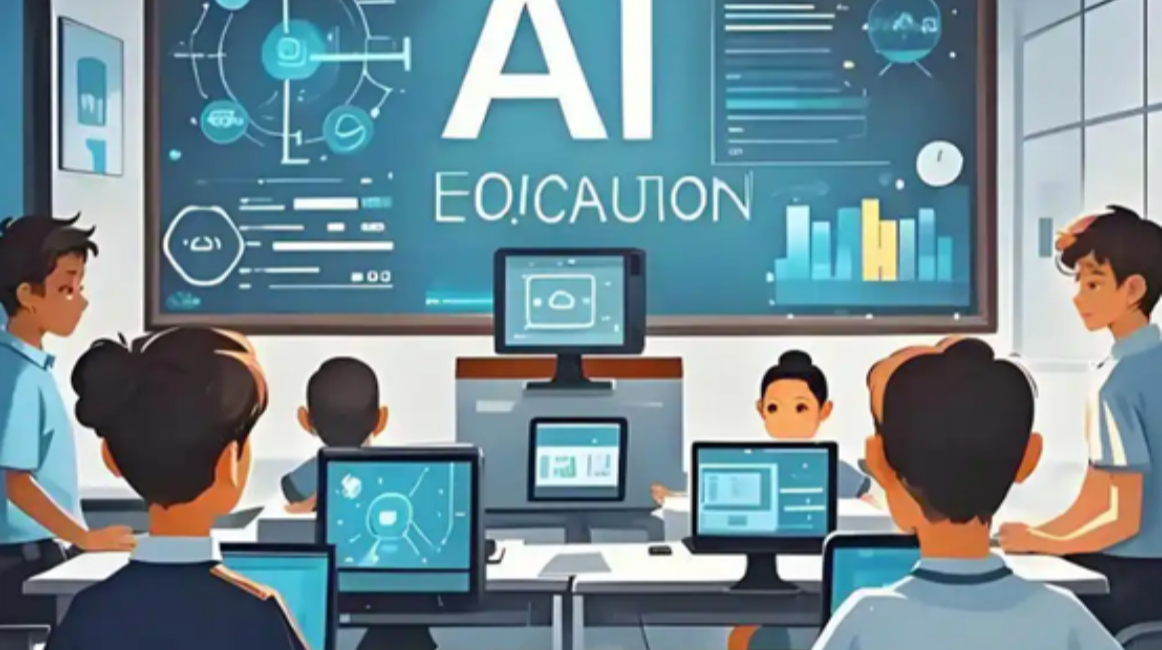
In the field of education, AI has resolved the conflict between "large-scale education" and "personalized teaching," becoming an "intelligent guide" for tens of millions of learners. In the "Zhi AI Classroom" of Zhaoqing Zhiyuan School, after students complete assessments on tablets, the system can generate real-time learning situation reports. AI instantly corrects homework and pushes targeted explanations, while teachers accurately grasp each student's weak points through the learning situation dashboard. The vertical large model developed by Fenbi, a vocational education platform, can diagnose learning conditions from massive learning data and break down the causes of wrong answers into specific dimensions such as "concept confusion" and "insufficient proficiency." The learning efficiency of users served by this model has increased by nearly 40%, and their average scores in mock exams have improved by 15-20 points, making "teaching students in accordance with their aptitude" a reality in large-scale teaching.
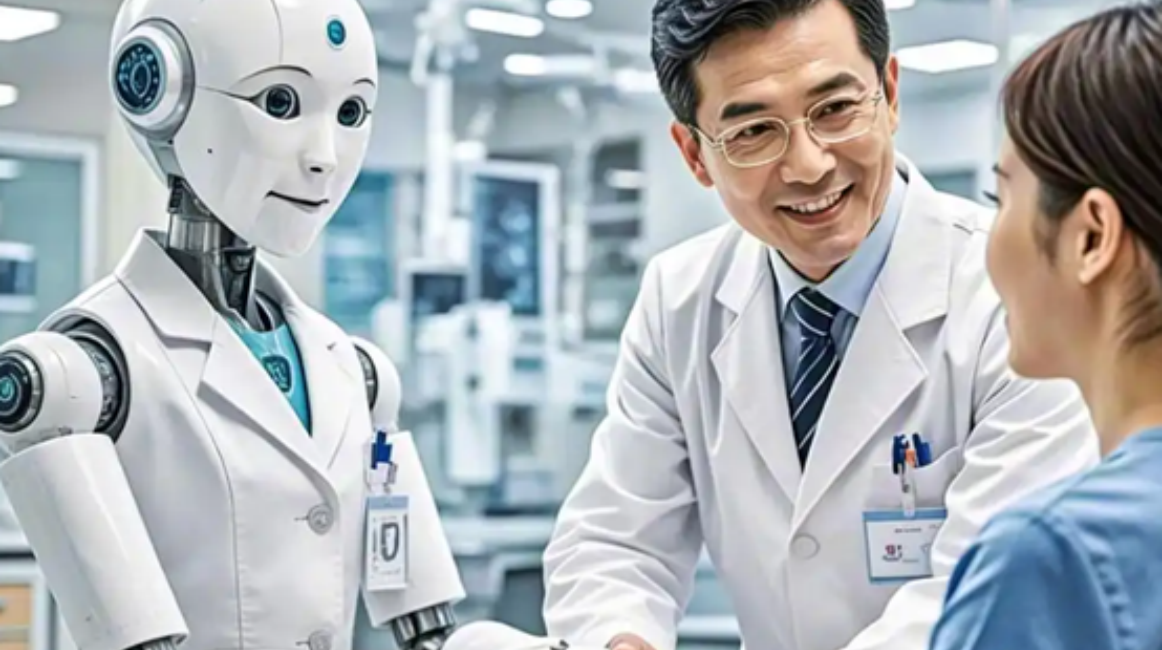
In medical scenarios, AI is becoming an "intelligent partner" for doctors, improving diagnosis and treatment efficiency with technical accuracy. Sichuang Yihui's AI clinical auxiliary system has learned more than 1 million medical records. In lung CT image analysis, it can automatically mark suspected nodule areas and provide reference suggestions by comparing similar cases, with an accuracy rate 12% higher than that of single-hospital models. The value of this system is even more prominent in emergency scenarios: in the past, it took doctors half an hour to process medical records of traffic accident patients, but now, after AI marks the key points, the verification can be completed in 5 minutes. The in-depth integration of AI and medical data not only reduces the repetitive work of doctors but also gains precious time for life-saving in critical moments.
AI has enabled the marketing industry to bid farewell to the "human wave tactics" and restructure the business chain with efficient creativity. Blue Cursor's BlueAI has built 136 intelligent agents, covering the entire process from market insight, creative generation to delivery optimization. In the first three quarters of 2025, its AI-related revenue reached 2.47 billion yuan, a year-on-year increase of 310%. Xuanya International's OrangeGPT is specially designed for short video marketing; inputting core selling points such as "low sugar and rich fruit flavor" can automatically generate 3 versions of scripts and edited videos adapted to different platforms, producing 50,000 pieces of materials per month at a cost only 1/5 of the traditional model. From copywriting generation to accurate identification of user needs, AI has reduced the labor cost of marketing by more than 60%, and even realized the efficient trial-and-error of "producing 10 creative schemes in half an hour."
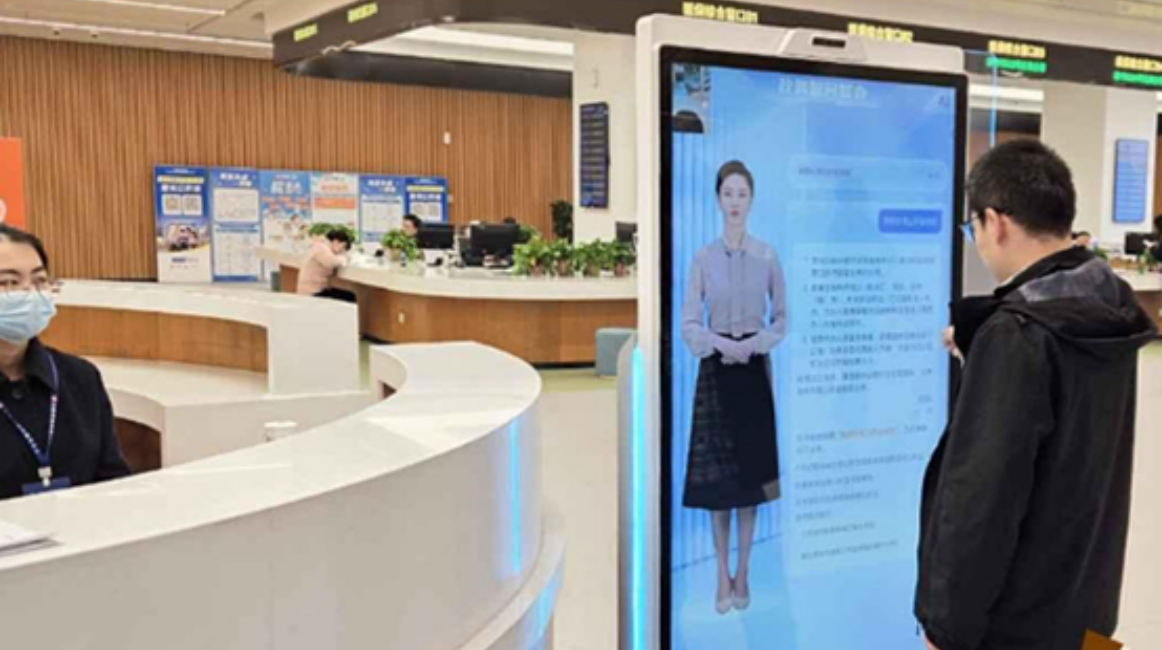
The "AI upgrade" of government services is making people's daily administrative procedures more convenient and efficient. Inspur Software's "Lingxi Youyan" large model has covered more than 800 districts and counties across the country. Its "Four Networks and One Hall" system can guide citizens to handle social security, print certificates and other businesses independently, and answer high-frequency questions such as "What to do if social security payment is interrupted?" and "How to apply for entrepreneurship subsidies," reducing the number of grassroots government service window staff by 30%. In the past, citizens might need to make 3 trips to complete a business, but now it can be done in one trip under AI guidance, greatly improving the accuracy of policy interpretation and service efficiency. AI has transformed government services from "waiting at the window" to "intelligent response," and opened up the "last mile" of serving the people with technological warmth.

