


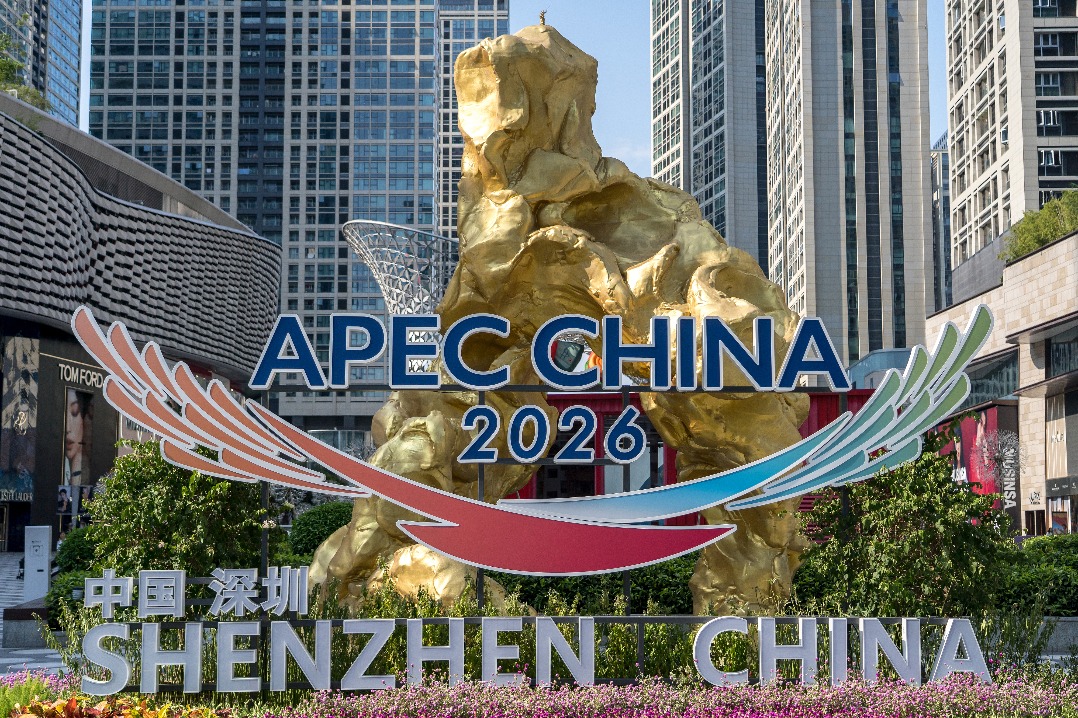
From November 18 to 19, 2026, the 33rd APEC Economic Leaders’ Meeting will convene in Shenzhen, China, under the theme “Building an Asia-Pacific Community for Common Prosperity”. On the eve of this major event, two distinct development mindsets are gaining traction across the Asia-Pacific, reflecting real-world choices amid the evolving global landscape.
Balancing Security Aspirations and Open-Door Development
Many economies prioritize industrial self-reliance in pursuit of domestic stability. Against rising geopolitical uncertainty, highly concentrated supply chains carry hidden risks. Disruptions to supplies in core sectors such as chips, new-energy industries and critical minerals would directly undermine people’s livelihoods and industrial operations. Against this backdrop, diversifying supply-chain layouts, improving local industrial support systems, and controlling the outflow of key technologies have become pragmatic options for many parties. Rooted in vigilance over risks, this approach focuses on consolidating domestic industrial foundations to cushion shocks from external volatility.
Meanwhile, business communities and numerous developing economies across the Asia-Pacific continue to value the benefits of regional connectivity. Decades of division of labour have forged a highly complementary landscape among Asia-Pacific economies. Varied resource endowments, industrial foundations and market scales have woven an extensive network spanning production, circulation and consumption. Artificially severing economic and trade ties will not eliminate risks; instead, it will drive up overall social costs. Small- and medium-sized enterprises and less-developed economies will bear the brunt of such pressures. When excessive political overtones are attached to economic, trade and technological exchanges, short-term risk-aversion measures may well erode the long-term growth momentum of the region.
Both mindsets stem from respective real-world circumstances. This is no black-and-white choice, but a proposition calling for collective reflection among all APEC members: can long-term stability of the Asia-Pacific be achieved in an environment of closure and fragmentation?
Looking Back: Interconnectivity Has Nurtured Asia-Pacific Prosperity
Long regarded as the engine of global economic growth, the so-called “Asia-Pacific Miracle” is a product of sustained open regional cooperation. Over past decades, under the APEC framework, regional tariffs have kept falling, trade procedures have been streamlined, and cross-border investment has grown steadily. Riding the wave of industrial collaboration, many developing economies have advanced industrialisation and improved people’s well-being.
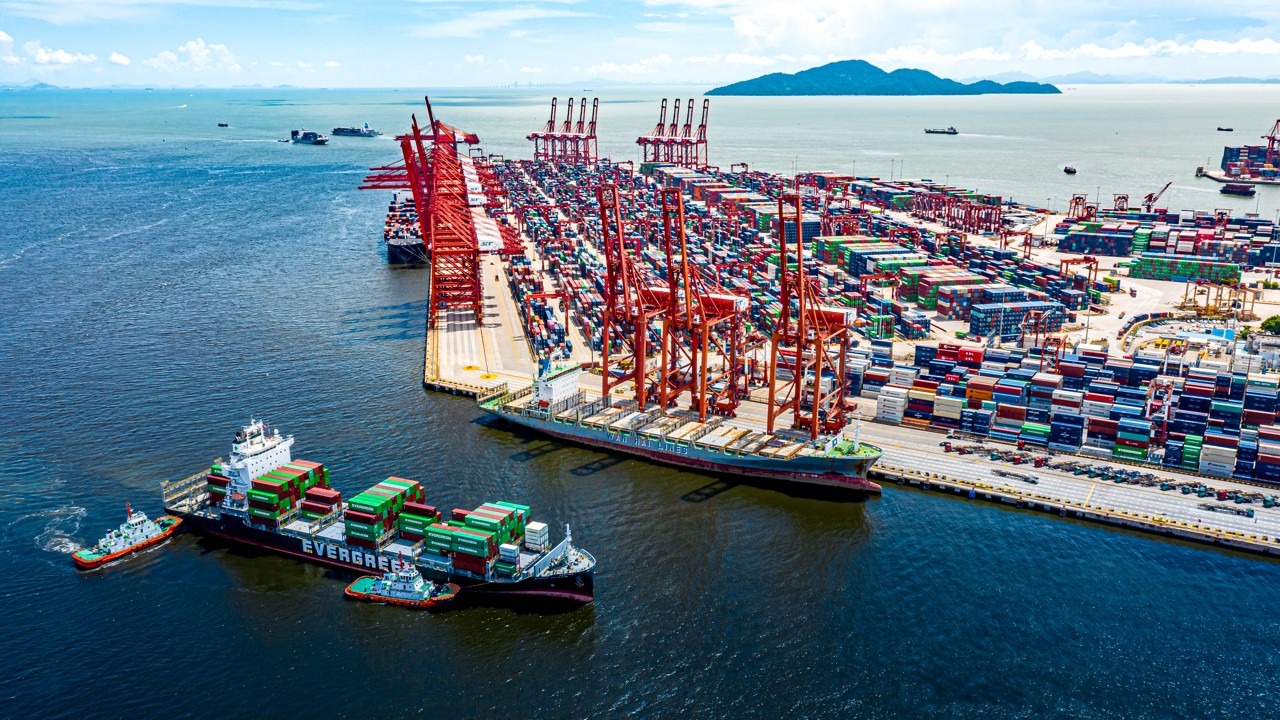
Trade statistics offer tangible proof of such close bonds. In the first three quarters of this year, China’s imports and exports with other APEC members reached RMB 24.07 trillion, a year-on-year increase of 23.9%, accounting for 60.3% of China’s total foreign trade. Thirteen out of the other twenty APEC economies count China as their largest trading partner. Even amid widespread risk-prevention discussions, market preferences remain clear: numerous overseas enterprises have volunteered to take part in the APEC Business Summit, as multinational capital is unwilling to forgo the vast market opportunities of the Asia-Pacific.
APEC was founded to build an inclusive multilateral dialogue channel, rejecting exclusive blocs and respecting the reality that economies are at disparate stages of development. In recent years, however, protectionism has been on the rise. Some economies have pushed for supply-chain reshoring and imposed technology controls, putting the well-established regional division-of-labour network under mounting fragmentation pressure. While risks are real, is severing ties the only way to address them?
Resilience Lies in Diversified Connectivity
The upcoming Shenzhen APEC points to a new direction: security need not come from insulation from the outside world. Instead, deeper and more diversified interconnectivity can foster a more resilient Asia-Pacific community, which lies at the heart of the meeting’s priority pillars of “openness, innovation and cooperation”.
Resilience does not mean cutting off exchanges. Rather, it calls for expanding cooperation channels and diversifying supply sources. In emerging sectors including the digital economy, green energy and artificial intelligence, APEC members may jointly formulate industrial standards, build cross-border infrastructure, and share green-transition technologies, transforming supply chains from over-reliance on single sources to multi-point support and diversified collaboration.

Regional cooperation needs to accommodate aspirations of diverse economies. Advanced economies are concerned with technological security, while developing economies are in greater need of capital, technology and market access. For Asia-Pacific cooperation to endure, it is critical to balance diverse demands instead of imposing one-size-fits-all standards on all members. Through technical assistance and financing support, the digital divide and gaps in green transition within the region should be narrowed to prevent widening internal development disparities.
Economic and trade exchanges should return to their intrinsic nature. Parties may hold candid consultations over legitimate security concerns, yet security boundaries must not be infinitely expanded to weaponise ordinary trade, academic exchanges and industrial collaboration. Disagreements are inevitable, and multilateral platforms such as APEC serve as ideal venues for views-sharing, rule-building and misjudgement reduction.
The Pacific Ocean Is Vast Enough: Co-existence Is the Answer
The emblem of Shenzhen APEC features 21 interwoven feathers forming a roc, symbolising the 21 APEC members advancing side by side, for a single feather cannot soar high on its own. Development across the Asia-Pacific is never a zero-sum game.
Barriers and bloc-oriented arrangements may ease short-term anxieties, yet they will gradually erode the decades-old development foundations of the Asia-Pacific. Pursuing open-door cooperation does not mean ignoring risks. Instead, based on mutual interdependence, all parties can jointly build a new order that balances security, fairness and growth.
More than just a leaders’ gathering, this grand event in Shenzhen sparks global-oriented deliberation: the vast Pacific Ocean holds promise for the coexistence and shared prosperity of all parties. Whether Asia-Pacific economies can chart a development path accommodating diverse interests remains a question to be answered collectively by all APEC members.

