


The 2025 Central Government Document No. 1 clearly proposes "supporting the development of smart agriculture," and the in-depth implementation of the Ministry of Agriculture and Rural Affairs' National Smart Agriculture Action Plan (2024-2028) has propelled China's smart agriculture into an accelerated development phase driven by policies, technological iteration, and scenario implementation. From cotton fields in Xinjiang to cornfields in Inner Mongolia, from smart greenhouses in Yangling to future farms in Zhejiang, digital technology is reshaping China's agricultural production paradigm, injecting strong momentum into safeguarding food security and enhancing industrial efficiency.
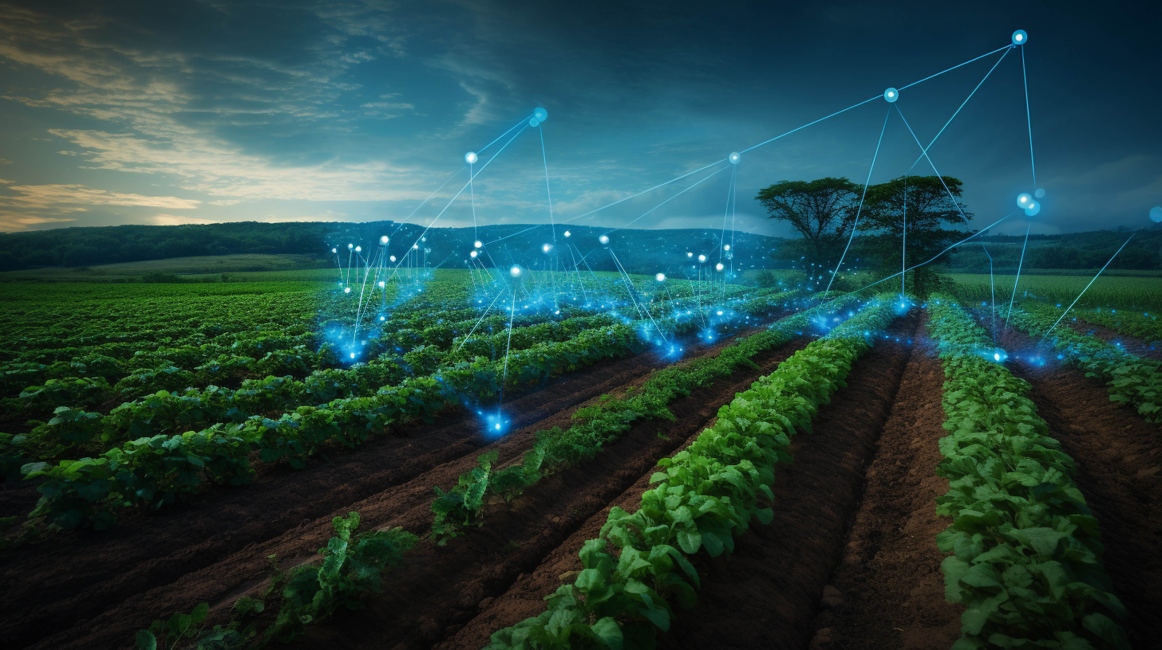
An improved policy system has laid the foundation for development. China's National Smart Agriculture Action Plan sets the goal of "achieving tangible results in three years and reaching a new level in five years," specifying a hard target of raising the informatization rate of agricultural production to over 32% by the end of 2028. At the national level, efforts are underway to accelerate the development of three major public service products: a national agricultural and rural big data platform, a unified land use map, and basic model algorithms. By 2025, a sound agricultural data management system and standards have basically been established. The central government has continued to increase financial support, with policies such as agricultural machinery purchase subsidies and digital agriculture project grants implemented precisely. As a pilot region, Zhejiang has explored the establishment of a special fund for smart agriculture, promoting the interconnection and intercommunication between "Zhe Nong Ma (Zhejiang Agricultural Code)" and the national "Quan Nong Ma (National Agricultural Code)" and providing replicable experiences for the whole country.
Breakthroughs in technological innovation are reshaping the production chain.Since 2025, a number of smart agricultural equipment with independent intellectual property rights have been launched: the world's first laser topping robot for cotton, jointly developed by Xinjiang University and enterprises, boasts an apical bud recognition accuracy of 98.9% and an operating efficiency more than 10 times that of manual labor, breaking the final bottleneck in the full mechanization of cotton production; "iMAP," an AI large model for agricultural planting launched by Sinofert, has achieved 10-20% savings in water and fertilizers and 8-10% increase in yields in 1 million mu of pilot areas; "Jier," an intelligent breeding robot developed by the Chinese Academy of Sciences, has shortened the tomato breeding cycle from 5 years to 1 year, and the per mu yield of soybeans is expected to increase by 30%. In the field of agricultural machinery, Weichai Lovol's smart agricultural machinery achieves fuel savings of over 15% through an intelligent power management system, and its hilly and mountainous area tractors have overcome the challenges of operating in complex terrain with four-wheel steering technology, demonstrating the strong strength of "Intelligent Manufacturing in China."
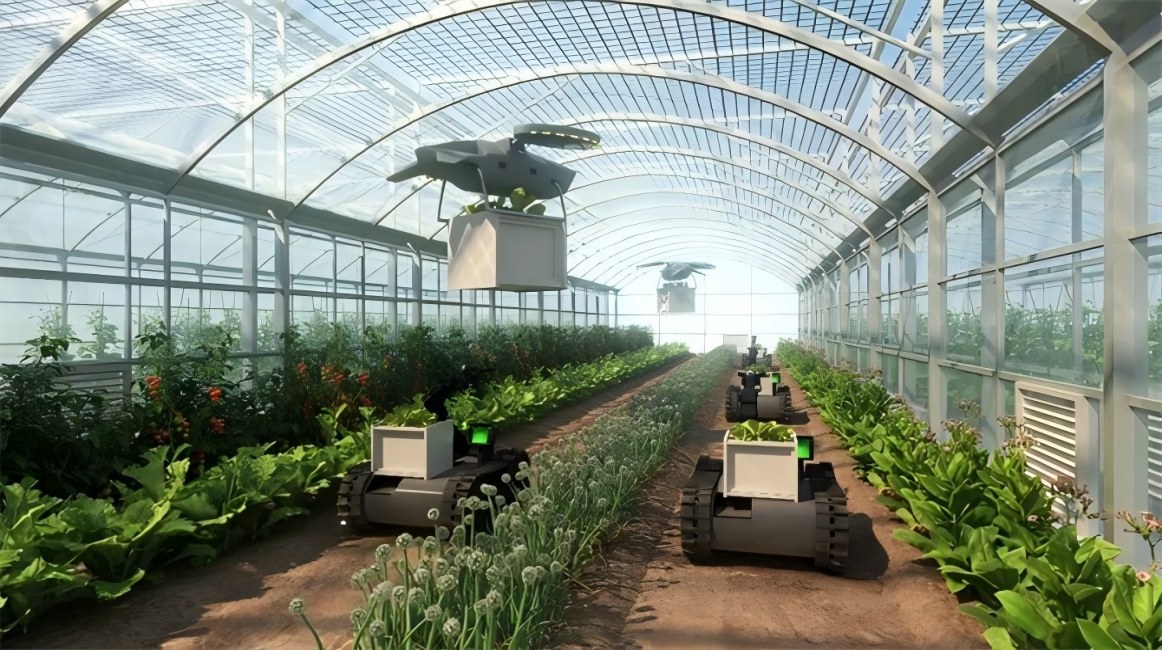
The in-depth expansion of scenario applications is releasing industrial value. At the Sinofert MAP Demonstration Farm in Tongliao City, Inner Mongolia, a 2,500-mu cornfield has adopted an intelligent water and fertilizer control system, reducing irrigation water to 13 cubic meters per mu (a 40% water saving), cutting labor costs by 70%, and exceeding a per mu yield of 1,050 kilograms. The Yangling Smart Agriculture Demonstration Park has built an all-scenario model of "Internet of Things (IoT) + AI inspection," where hydroponic lettuce can be harvested in 28 days and recirculating aquaculture realizes "fish farming on dry land," serving as an important window for technology promotion. From individual physical sign monitoring in smart pastures to intelligent feeding in smart fisheries, from flexible operations of honeysuckle picking robots to ecological protection by intelligent supervision terminals for grass-livestock balance, digital solutions have covered the entire industrial chain of planting, breeding, and processing. By 2025, more than 1,000 digital agricultural factories have been nurtured nationwide, and the number of smart farms (pastures and fisheries) continues to grow.
Currently, China's smart agriculture development still faces certain phased challenges. Unbalanced construction of digital infrastructure among regions, with inadequate 5G and Beidou coverage in western hilly and mountainous areas; insufficient lightweight adaptation of some technical solutions to small-scale farmers; and a shortage of interdisciplinary talent supply. However, these issues are being gradually addressed through policy guidance. The state is promoting the construction of a hierarchical and classified infrastructure supply system, research institutions are accelerating the development of low-cost and easy-to-operate digital equipment, and the talent training model of "new agricultural science + new engineering" is constantly improving.
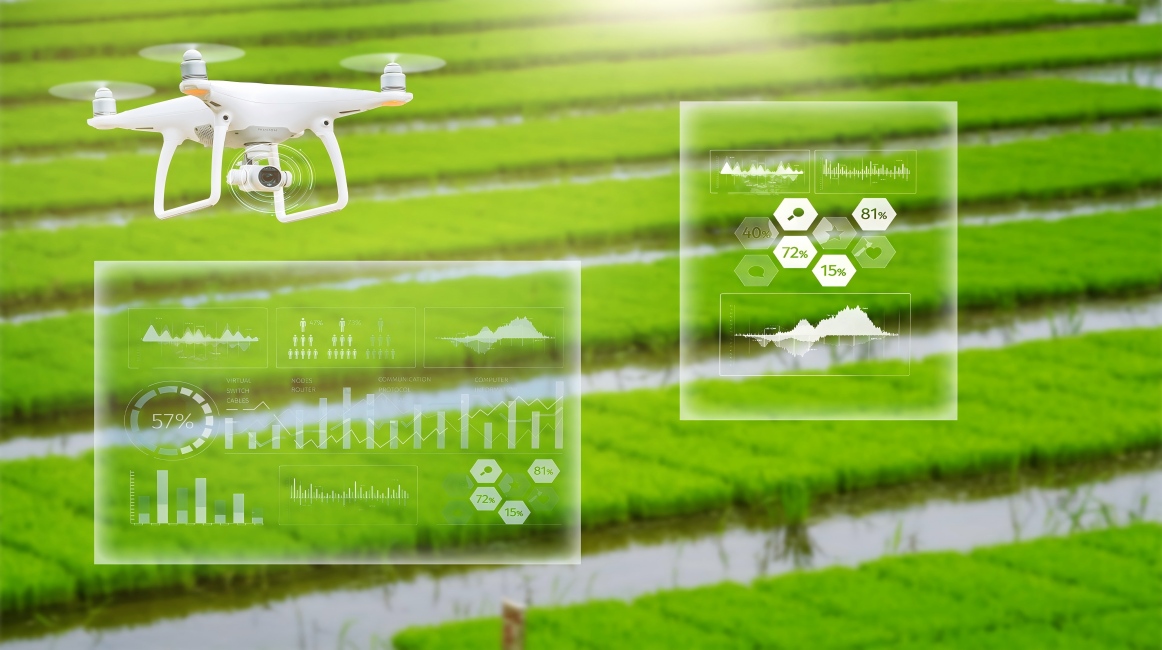
Looking ahead, with the completion of the national agricultural and rural big data platform and the promotion and application of more than 20 basic model algorithms, smart agriculture will achieve a leap from individual breakthroughs to system integration. Driven by the triple forces of policies, technological innovation, and market demand, China's smart agriculture will surely address more industrial pain points, making grain cultivation more hassle-free for farmers, agricultural production more efficient, and agricultural product supply safer, and writing a more brilliant chapter for the drive toward agricultural modernization.

