


At the end of 2025, good news poured in from China's infrastructure sector: the main tower of the Xiamen section of the Xiamen-Jinmen Bridge was capped with "millimeter-level" precision, the Nanning-Pingxiang High-Speed Railway connected the China-Vietnam border to the national high-speed rail network, and the Croatia Expressway Project broke ground... These cross-sea and cross-land engineering practices outline the strength map of China's infrastructure.
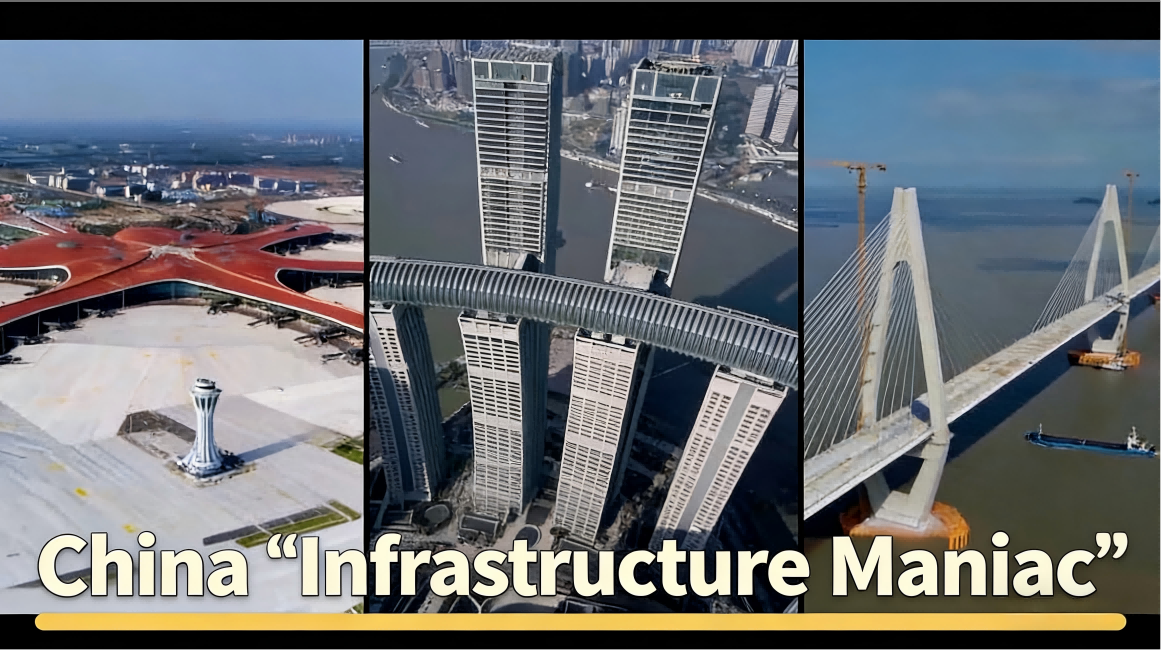
On the domestic front, super projects continue to set new records. In early December, the main tower of the Liudian Navigation Channel Bridge of the Xiamen-Jinmen Bridge achieved an overall deviation of only 9 millimeters in precision control, overcoming the challenge of fully offshore construction; the Chongqing Jiangnan Tunnel passed through a thousand-meter-long karst water-rich area, reducing the urban travel time from 30 minutes to 10 minutes; after the full opening of the Nanning-Pingxiang High-Speed Railway, the travel time between Nanning and Pingxiang was shortened to 75 minutes, bringing border cities into the high-speed rail era. As of July 2025, China's high-speed railway operating mileage reached 48,000 kilometers and expressway mileage 191,000 kilometers, both ranking first in the world. The completion and commissioning rate of the "Eight Vertical and Eight Horizontal" high-speed railway network reached 81.5%, the completion rate of the main skeleton of the national comprehensive three-dimensional transportation network exceeded 90%, covering more than 80% of counties.

On the global stage, Belt and Road Initiative (BRI) infrastructure projects demonstrate responsibility. Since November, the Fourth Bridge over the Panama Canal, undertaken by Chinese enterprises, has entered a critical construction phase; the opening of Namibia's new airport highway has enhanced regional connectivity; and South Africa's De Aar Wind Power Project continues to provide clean energy to the local area. The opening of the eastern section of the 2Africa submarine cable and the start of construction of Kenya's green chemical fertilizer plant have extended infrastructure cooperation into the digital and new energy fields. From January to October 2025, China's newly signed contracted project agreements in BRI partner countries reached 186.33 billion US dollars, a year-on-year increase of 23.5%. Among them, investment in the energy sector accounted for 35% in the first half of the year, hitting a new high for the same period since the initiative was proposed.
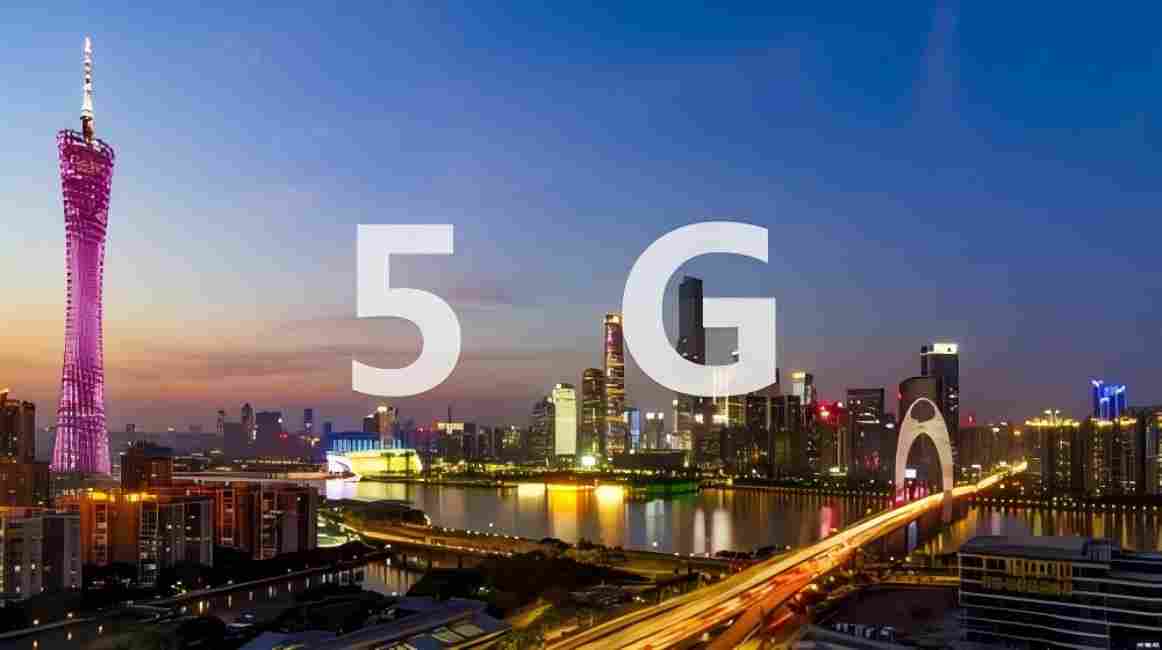
Technological iteration and green transformation have made dual breakthroughs. In 2025, China's computing power market size is expected to reach 835.1 billion yuan, a year-on-year increase of over 30%, with the scale of standard racks in operational data centers reaching 10.85 million; as of September, the cumulative number of 5G base stations built reached 4.705 million, accounting for 67% of the global total, and the number of 5G mobile phone users reached 1.167 billion, integrating into 86 major national economic categories with more than 138,000 application cases. The application of Building Information Modeling (BIM) technology in major projects has accelerated, with a penetration rate exceeding 60% in provinces such as Shandong, and the proportion of prefabricated buildings has stabilized at 35%. Projects such as Brazil's waste-to-energy power plant and Fiji's green buildings have promoted the global spread of the concept of "turning waste into energy".
Minor shortcomings in development are also being addressed. There are still gaps in the road networks in central and western China; as of June 2025, the rural internet penetration rate was 69.2%, an increase of 13.3 percentage points from the early stage of the 14th Five-Year Plan, but it still lags behind urban areas, and some facilities have the problem of emphasizing construction over operation and maintenance. In response, the 15th Five-Year Plan clearly optimizes the layout: the upper limit of the scale of special bonds that can be used as project capital has been raised from 25% to 30%, with key inclination towards new infrastructure and other fields, and a national unified full-life-cycle supervision platform is being accelerated.
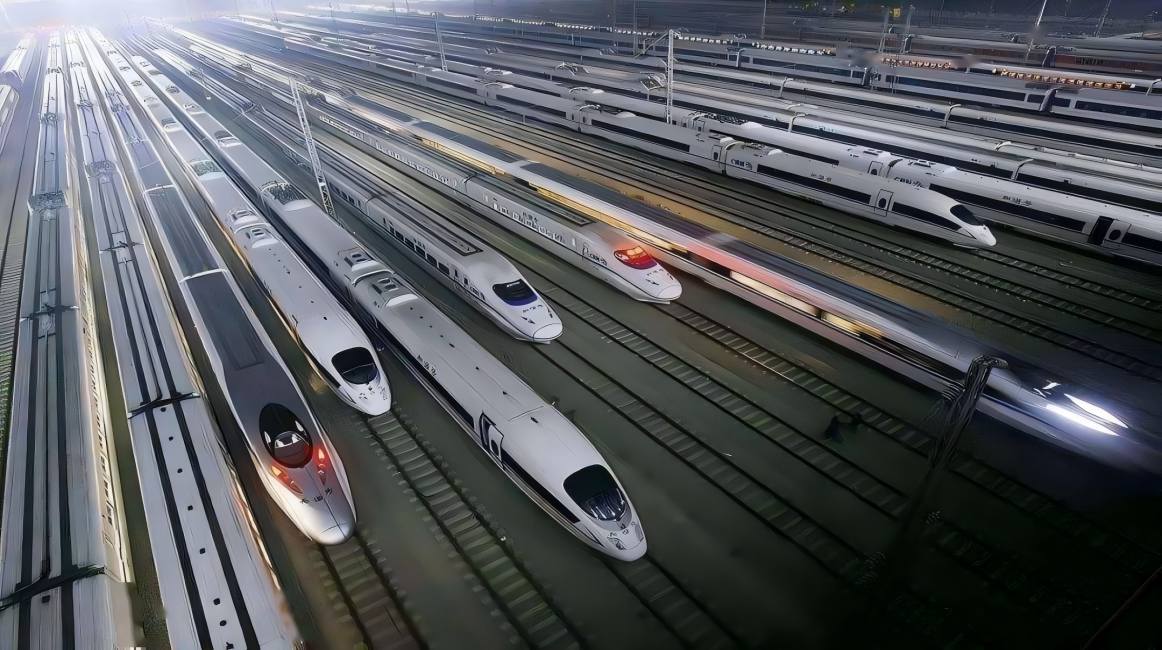
From desert edge-fixing projects to lunar exploration facilities, from domestic people's livelihood projects to global connectivity, China's infrastructure is writing an answer sheet of high-quality development with precision, speed and warmth.

