


Voluntary Product Removal and Apology Without Quality Defects
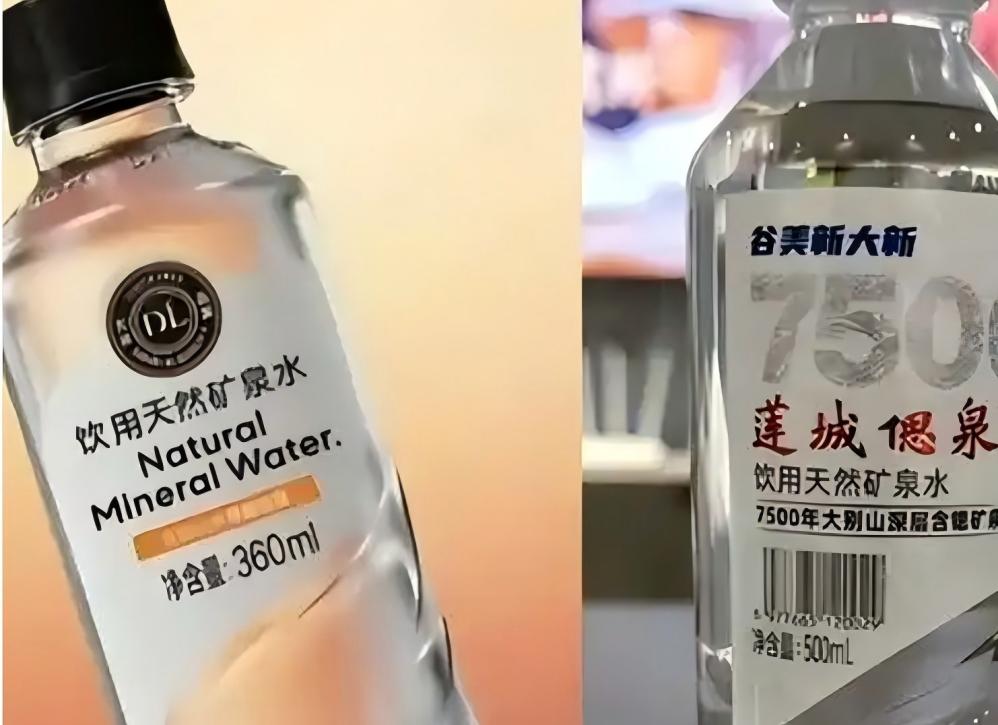
A recent official announcement from the benchmark retail brand Pangdonglai has sparked widespread online discussion. Its newly upgraded private-label mineral water was voluntarily removed from shelves and discontinued with a public apology. The brand confirmed that the bottle’s exterior design bore a high visual similarity to existing products on the market, constituting a major design error. This move has become a rare benchmark in the FMCG industry—a proactive effort to rectify mistakes and assume accountability, even in the absence of product quality issues.
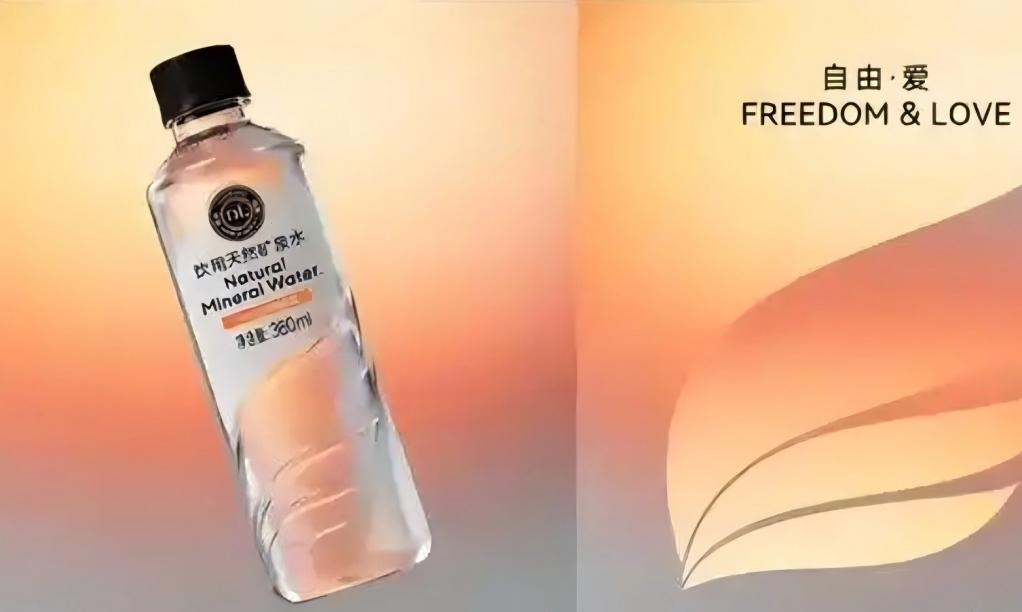
As a key product of Pangdonglai’s private brand upgrade strategy, the newly packaged mineral water was designed by a professional team with substantial investment in design and production costs. Thanks to its minimalist and exquisite appearance, it won wide favor from consumers shortly after its launch. However, netizens soon pointed out that its bottle outline and linear design closely resembled those of other drinking water products available commercially. Instead of remaining silent, defending itself casually, or taking chances on the grounds of non-infringement, Pangdonglai immediately reviewed its internal approval process, openly admitted its design flaws, announced the permanent removal of the new product, abandoned subsequent sales profits, and bore all economic losses independently to resolve the controversy decisively.
Respecting Patents and Upholding Originality
The core of this incident lies not in product quality problems, but in the visual similarity of exterior packaging that touches the bottom line of intellectual property rights and original design principles. In the FMCG sector, product packaging serves as a core brand identification symbol and is protected by design patents. Unique packaging design differentiates brands and builds market recognition. Similar packaging not only confuses consumers and misleads public perception but also risks infringing on competitors’ original design rights and disrupting fair market competition.
Meanwhile, the incident reveals loopholes in Pangdonglai’s product upgrading procedures, especially in design review, patent screening and pre-launch verification. The externally customized design failed to fully reference existing patented and mature products in the domestic market, resulting in the abandonment of a high-cost new product. What distinguishes Pangdonglai from most enterprises is its courage to face internal flaws and take full responsibility without shifting blame. While many brands choose passive handling and low-key rectification when facing similar dilemmas, Pangdonglai’s initiative to disclose errors, issue public apologies and bear full losses fully demonstrates its reverence for intellectual property rights.
Bearing Losses to Secure Long-term Reputation Through Integrity
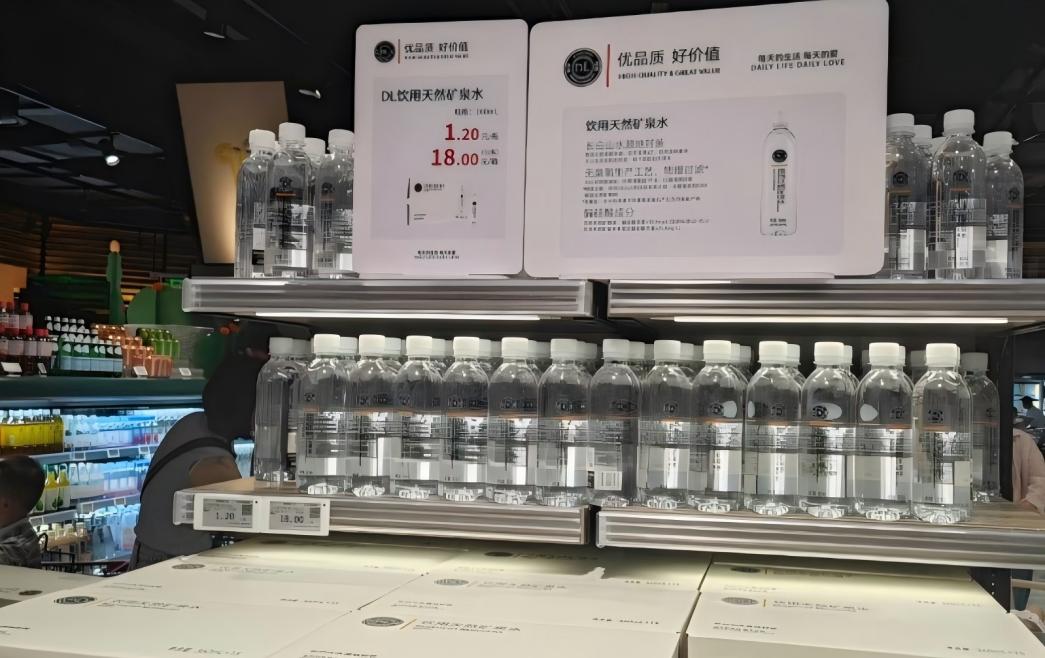
The product removal has brought substantial economic losses to Pangdonglai, including design fees, production costs and inventory losses, rendering all early investments ineffective. Faced with a choice between short-term economic benefits and long-term brand credibility and industry norms, Pangdonglai firmly opted for the latter. For consumers, this rectification eliminates confusion in brand identification and protects consumer cognitive rights. For industry peers, it respects competitors’ original design achievements and maintains a fair market competition environment.
Pangdonglai’s outstanding public reputation has never relied on marketing hype, but on consistent integrity and responsibility. From its extreme after-sales service and transparent operation model to voluntarily compensating for self-caused design errors, the brand always adheres to the principle of correcting mistakes and taking accountability. In contrast to many brands that defend themselves stubbornly and refuse to admit faults when facing packaging imitation disputes, Pangdonglai’s sincere apology and decisive disposal have not damaged its image, but further consolidated consumers’ recognition of its credibility and authenticity.
A Universal Lesson Behind a Single Brand’s Misstep
Pangdonglai’s proactive product removal due to packaging similarity has sounded an alarm for the entire FMCG and domestic brand industry. Currently, copycat design, packaging imitation and speculative “micro-innovation” are prevalent in the market. Many brands take chances with the misconception that visual similarity does not equal plagiarism, replicating mature designs at low costs while ignoring intellectual property protection, which eventually leads to infringement disputes and reputational collapse.
This incident proves that brand development can never rely on imitation. Originality is the core competitiveness for sustainable growth. All brands, regardless of scale, must strictly abide by intellectual property rules, optimize pre-launch patent retrieval and design review processes, and avoid design similarity from the source. In addition, operational flaws are inevitable in brand development. The courage to face mistakes and take responsibility always wins more market recognition than perfect marketing packaging.
Rectification as a Path to Growth
The product removal triggered by packaging similarity is both a profound operational error and a valuable growth opportunity for Pangdonglai. The substantial economic losses have promoted comprehensive process review, consolidated public trust, and set a model for integrity operation and originality respect for the whole industry. In a fickle market environment, brands capable of admitting mistakes and taking the initiative to remedy losses are extremely rare, which explains Pangdonglai’s enduring popularity among consumers. Upholding original design and integrity is the core principle for all brands to achieve long-term and stable development.

