


Every year on the fifth day of the fifth month of the Chinese lunar calendar, a remarkable transformation sweeps across China. Rivers that flow quietly through cities and villages suddenly come alive with the rhythmic pounding of drums, the synchronized splash of dozens of oars, and the thunderous cheers of spectators lining the banks. This is the Dragon Boat Festival, known in Chinese as Duanwu Jie—a celebration that stretches back more than two millennia and has evolved from a regional folk observance into a nationally recognized holiday, a UNESCO-recognized element of intangible cultural heritage, and increasingly, a global cultural phenomenon. Yet for all its colour, pageantry, and deep historical resonance, the festival is not without its complexities. Like many ancient traditions navigating the currents of modernity, the Dragon Boat Festival embodies both the enduring beauty of cultural continuity and the uncomfortable tensions that arise when age-old customs collide with contemporary values, environmental concerns, and the demands of a rapidly changing society.
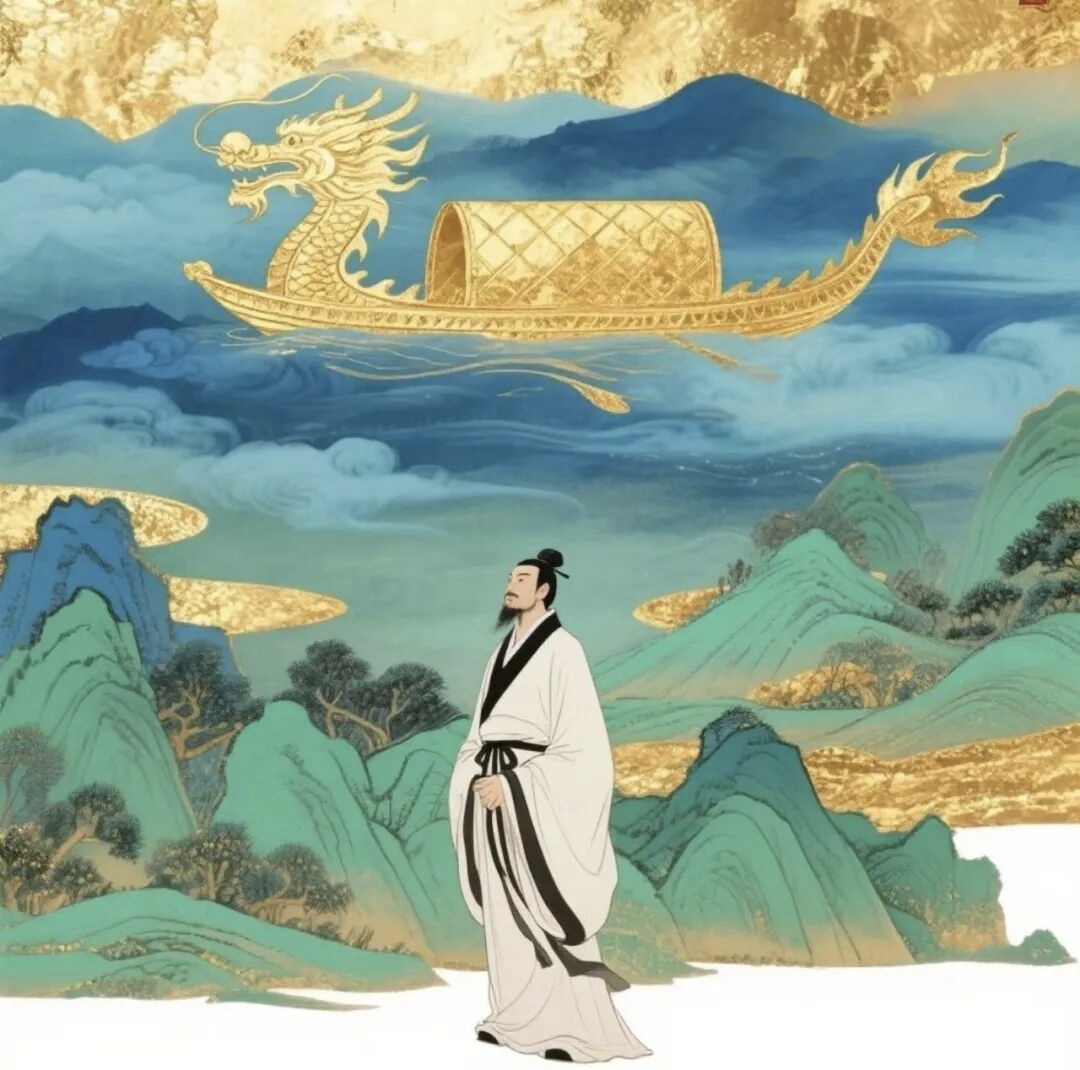
The origins of the Dragon Boat Festival are shrouded in the mists of legend, though historians generally agree that the festival predates the story most commonly associated with it. The best-known and most widely celebrated narrative centres on Qu Yuan, a patriotic poet and government official who lived during the Warring States period (475–221 BC). Qu Yuan served as a minister in the State of Chu, a kingdom that found itself increasingly threatened by the expansionist ambitions of the neighbouring State of Qin. A man of principle and profound loyalty to his homeland, Qu Yuan urged the King of Chu to resist Qin aggression and forge an alliance with the State of Qi. His counsel, however, ran counter to the interests of powerful court officials who had been bribed by Qin agents, and Qu Yuan was eventually slandered, stripped of his office, and banished from the capital. For years, the exiled poet wandered through the southern reaches of the Yangtze River, pouring his grief, frustration, and unwavering love for his country into poetry. His most famous work, Li Sao (often translated as "Encountering Sorrow"), remains one of the great masterpieces of classical Chinese literature—a sprawling allegorical autobiography in which he lamented the corruption of the court and articulated his political ideals. When word reached Qu Yuan in 278 BC that the Qin army had captured the Chu capital, his despair was complete. Clasping a large stone to his chest, he walked into the Miluo River in what is now northeastern Hunan Province and drowned himself.
The legend holds that the local people, who deeply admired Qu Yuan's integrity and mourned his tragic end, rushed out in their boats to search for his body. They beat drums and splashed their oars to scare away fish and river dragons, and they scattered rice into the water to feed the creatures so that they would not devour the poet's remains. These acts of devotion, repeated year after year, gradually crystallized into the festival's two most enduring traditions: dragon boat racing and the eating of zongzi, the pyramid-shaped glutinous rice dumplings wrapped in bamboo or reed leaves.
It is worth noting, however, that Qu Yuan is not the only heroic figure honoured during the Dragon Boat Festival. Depending on the region, the festival's memorial ceremonies may pay tribute to different local sages. In parts of southern China, Wu Zixu—a military strategist from the Spring and Autumn period who met a similarly tragic fate—is venerated. Among the Dai ethnic community in Yunnan Province, the festival is associated with Yan Hongwo, a legendary figure said to have died while slaying a dragon. This regional diversity underscores a crucial point about the Dragon Boat Festival: it is not a monolithic, centrally prescribed observance but rather a living tapestry of local traditions, each weaving its own stories and meanings into the broader fabric of the celebration.
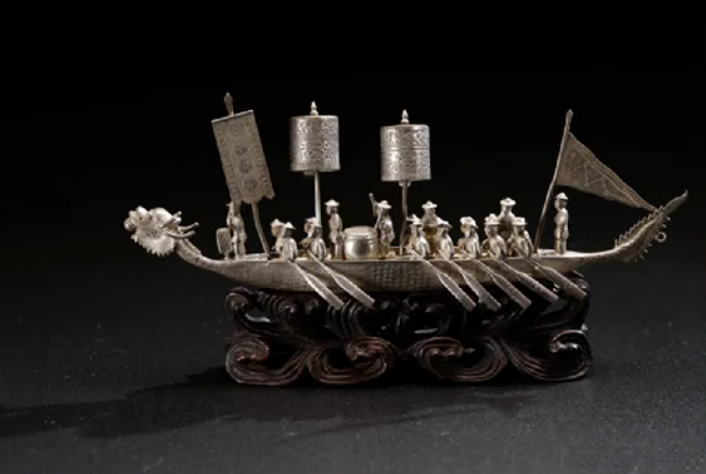
At the heart of the festival, both literally and symbolically, lies the dragon boat race. These vessels are long and narrow, their prows carved into the likeness of a Chinese dragon—a creature of immense cultural significance, associated with water, power, and auspicious fortune. A team of rowers, typically numbering anywhere from a dozen to more than fifty, propels the boat forward in a furious, coordinated rhythm, guided by a drummer seated at the front whose beats set the pace. The races are fierce, competitive, and electrifying to watch; they are said to bring good harvests and good fortune to the winning team's village. The spectacle has grown so popular that dragon boat racing was officially incorporated into China's state sports competition programme in 1980, and it has since spread to countries around the world, from Britain and Japan to Australia and the United States. In Hong Kong, the Victoria Harbour has hosted international dragon boat races since 1976, transforming a local custom into a global sporting event. The appeal is not difficult to understand: there is something primal and unifying about the sight of a dragon boat cutting through the water, forty oars rising and falling as one, the drum booming across the river like the heartbeat of the community itself.
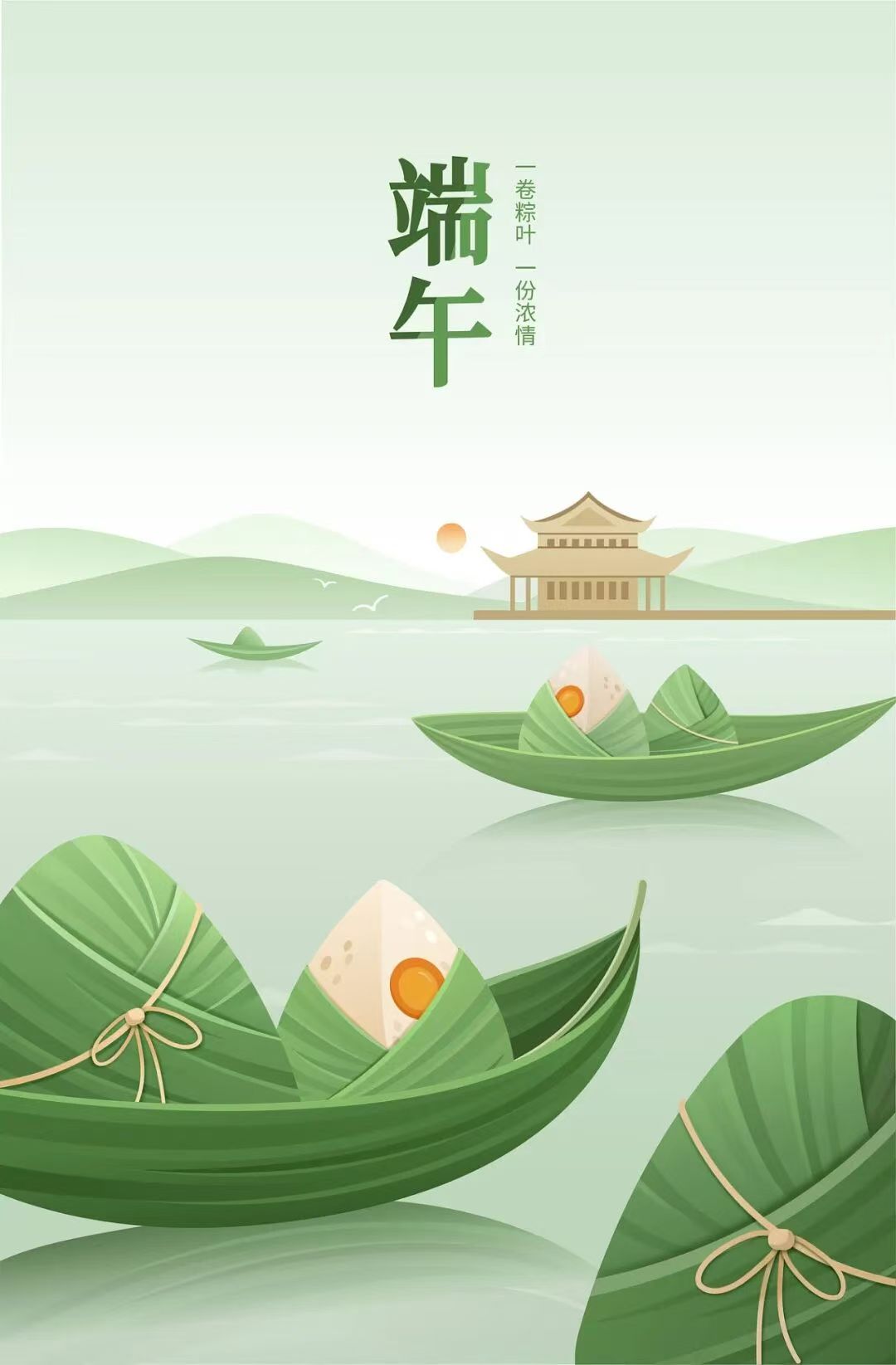
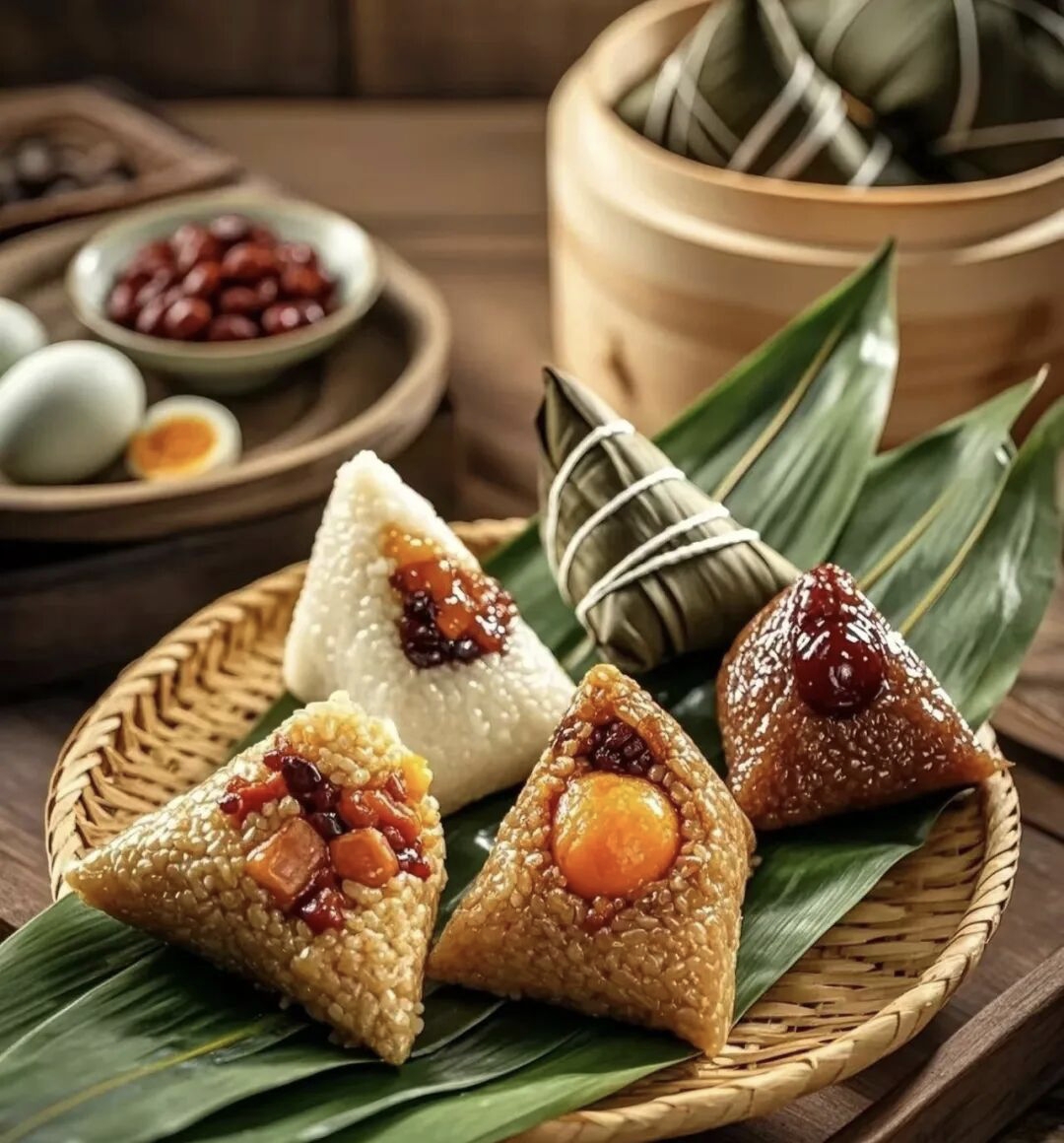
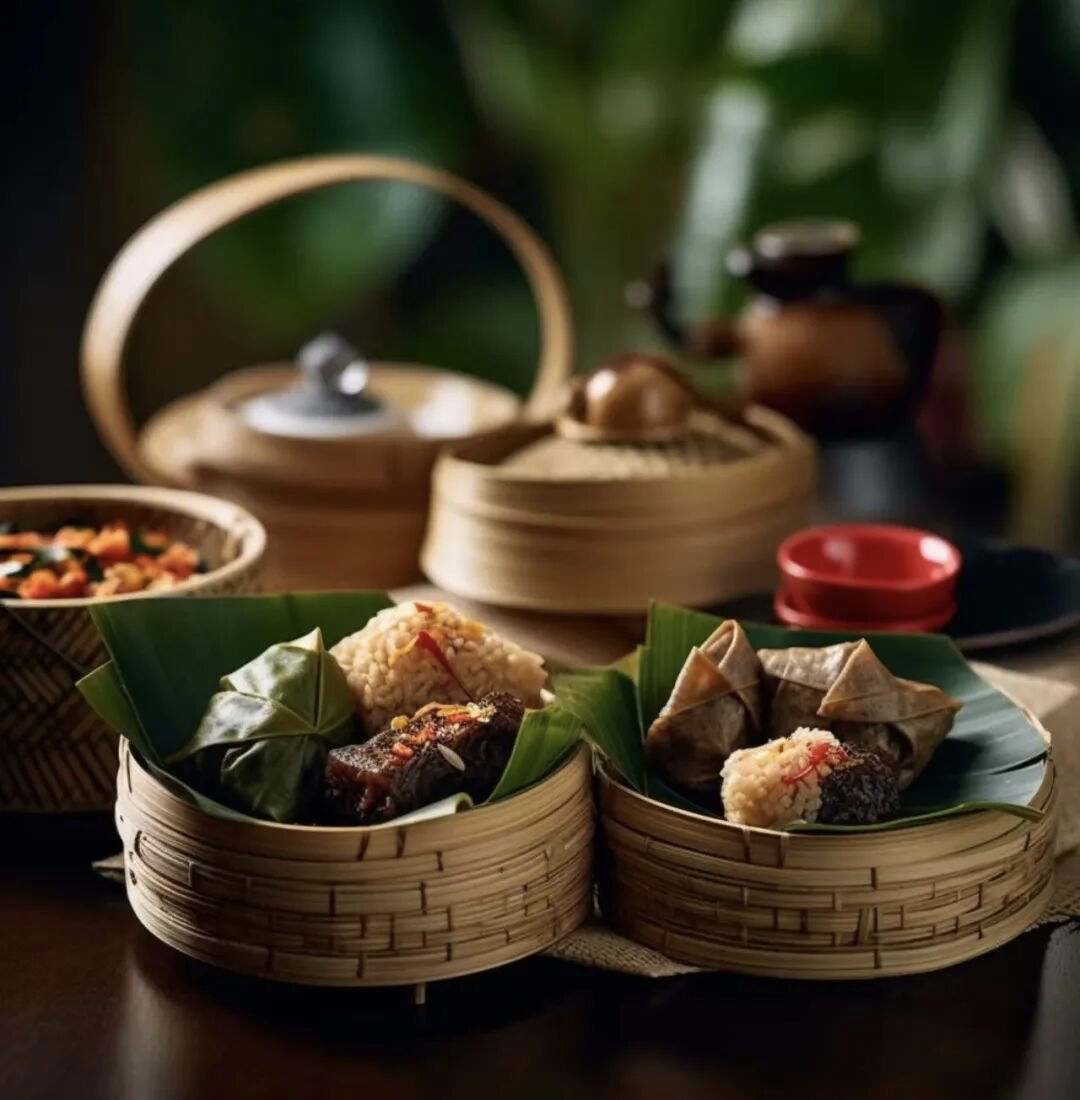
Alongside the races, the consumption of zongzi is the festival's other indispensable ritual. The preparation of these rice dumplings is itself an act of cultural transmission—a practice passed down through generations, often within families. The fillings vary enormously across China's vast geography, reflecting the country's culinary diversity. In the north, where wheat and sweeter flavours predominate, zongzi are typically stuffed with red bean paste or Chinese dates. In the south, savoury versions are favoured, with fillings of pork, salted egg yolk, chestnuts, and even spicy crayfish or Kung Pao chicken. Some regions, such as Sichuan, have even incorporated their signature chilli into the dumplings. In recent years, however, the tradition of making zongzi at home has declined significantly. The dumplings have migrated from the family kitchen to supermarket shelves, livestreaming rooms, and social media feeds. What was once a seasonal food made with little packaging and no price premium has become a heavily commercialized product, available in elaborate gift boxes and marketed with the same aggressive consumerism that characterizes other major holidays. This shift is not without its critics, who lament the loss of the intimate, hands-on quality that once defined the festival's culinary traditions.

Beyond the races and the rice dumplings, the Dragon Boat Festival is rich with lesser-known customs, many of which reflect the ancient Chinese belief that the fifth lunar month was a time of heightened danger—a "poisonous" month when venomous creatures emerged and infectious diseases spread more easily. To ward off evil spirits and protect against illness, families hang mugwort leaves and calamus over their doors; the plants' strong aroma is thought to repel insects and purify the air. Children are dressed in scented sachets containing cinnabar, realgar, and aromatic herbs, and five-colour silk threads are tied around their wrists, ankles, and necks—ornaments believed to possess magical and healing properties. In some households, pictures of Zhong Kui, a fearsome figure brandishing a magic sword, are hung to scare away demons. Some communities still practice the tradition of balancing eggs at noon, a feat said to bring good luck for the coming year. These customs, taken together, reveal a festival that is not merely about remembrance but also about protection, purification, and the reaffirmation of communal bonds in the face of perceived threats—both natural and supernatural.
In recognition of its profound cultural significance, the Dragon Boat Festival was inscribed in 2009 on UNESCO's Representative List of the Intangible Cultural Heritage of Humanity. It was the first Chinese holiday to receive this honour. UNESCO's citation emphasizes that the festival "strengthens bonds within families and establishes a harmonious relationship between humanity and nature" while also "encouraging the expression of imagination and creativity, contributing to a vivid sense of cultural identity". This official recognition has undoubtedly bolstered the festival's prestige, both within China and abroad. It has also contributed to a remarkable surge in tourism and cultural spending during the holiday period. In 2026, foreign tourism to China during the Dragon Boat Festival increased by more than 500 per cent year-on-year. Sachet workshops operate at full capacity, with daily sales reaching hundreds of thousands of yuan. Cinemas enjoy box-office bonanzas as new films compete for holiday audiences. The festival has become a powerful engine for economic activity, linking ancient rituals with modern consumer behaviour in ways that would have been unimaginable to the villagers who first rowed out in search of Qu Yuan's body.
Yet it would be a mistake to view the Dragon Boat Festival through rose-tinted lenses. For all its beauty and cultural resonance, the festival is also a site of considerable tension and controversy. Perhaps the most visible of these tensions concerns gender. In 2022, a video went viral showing male dragon boat rowers in Foshan, Guangdong Province, repeatedly shouting "women go away" at female spectators gathered along the riverbank. The incident ignited a fierce public debate about whether certain festival customs amounted to gender discrimination. Local officials offered a defence rooted in tradition: the boats, they explained, were consecrated with shrines to local gods, and the presence of women was believed to offend these deities. This explanation only deepened the controversy, with critics pointing out the absurdity of gods who could be offended by women but not by the men they had raised. Similar incidents have occurred elsewhere: a woman who boarded a dragon boat to film a video promoting the event was subjected to online harassment, with commenters declaring that she had "ruined" the local traditional culture. Defenders of the custom have argued that traditional wooden dragon boats are distinct from modern fibreglass "standard" boats, and that only the former carry gender restrictions. Nonetheless, the underlying question remains unresolved: how should a society balance respect for cultural heritage with the principle of gender equality? The debate is not merely academic; it reflects a broader struggle taking place across many societies as they grapple with the legacy of patriarchal traditions in an era of rapidly evolving gender norms. Notably, there are signs of change. In Wuhu City's Erba Town in Anhui Province, a grassroots women's dragon boat team was established as early as 2007, and it has since grown into a network of nearly a dozen all-female teams. Such initiatives suggest that tradition is not static—it can be reinterpreted, challenged, and reshaped by those who participate in it.
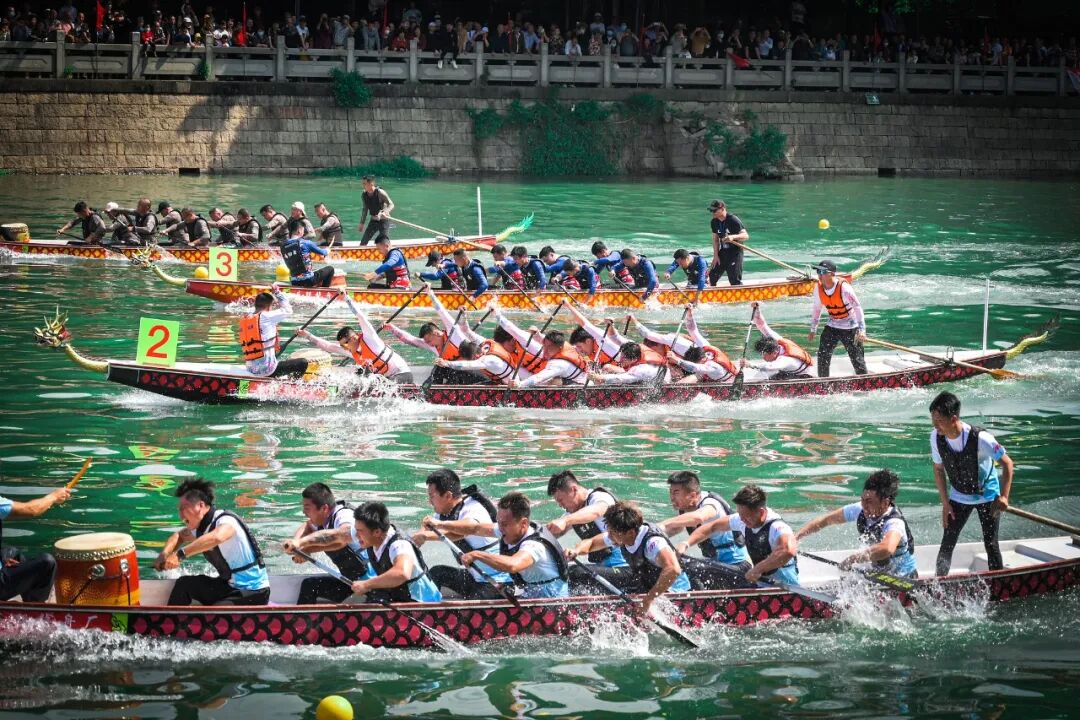
Safety is another recurring concern. Dragon boat racing, for all its excitement, is an inherently risky activity. Boats can capsize, participants can drown, and crowds can become unruly. In 2018, seventeen people died in Guangxi Zhuang Autonomous Region when two dragon boats overturned near a weir. In 2024, a training session in Xiushan County, Chongqing, resulted in three deaths when a boat capsized. Other incidents have been reported in Hubei, Guizhou, and Zhejiang provinces. In response to such tragedies, local governments have increasingly clamped down on privately organized dragon boat races, requiring official approval for any event. In some cases, this has led to heavy-handed enforcement. In June 2023, two villagers in Rui'an, Zhejiang Province, were given administrative detentions of nine and seven days respectively for organizing an unauthorized practice session in which their boat sank (though no one was injured). The detentions sparked a public outcry, with some experts arguing that blanket bans on private events are disproportionate and psychologically damaging. A poll on the microblogging platform Weibo found that roughly 65 per cent of respondents disagreed with such bans, comparing them to "giving up eating for fear of choking". The tension here is palpable: local authorities have a legitimate duty to protect public safety, but they also face pressure to allow folk traditions to flourish organically, without excessive bureaucratic interference. Finding the right balance is no easy task.
Health concerns extend beyond the racecourse. Realgar wine, a traditional beverage consumed during the festival, contains arsenic compounds and has been linked to cases of acute poisoning. A case series documented eight patients, including two children, who suffered acute arsenic toxicity after consuming realgar wine. Similarly, food safety issues have emerged around commercially produced zongzi. In one inspection, city food authorities found that three out of four types of zongzi from local factories contained excessive amounts of copper. Consumers have also raised concerns about the chemicals used in the plastic strings that tie some zongzi, which may leach into the food during prolonged boiling. The vivid green colour of some bamboo leaves, achieved through chemical processing, can also indicate copper contamination. These issues highlight the gap between the romanticized image of traditional festival foods and the mundane realities of industrial food production—a gap that regulators struggle to bridge.
Environmental challenges, too, have begun to cast a shadow over the festivities. Dragon boat races require clean, navigable waterways, yet pollution remains a persistent problem in many Chinese rivers. A 2014 report from Guangzhou's environmental protection bureau classified sixteen local rivers and two reservoirs as contaminated, with excessive phosphorus and other chemicals. More recently, concerns about water quality have even threatened the future of dragon boat festivals outside China: the Colorado Dragon Boat Festival in Denver, held annually at Sloan's Lake, has faced potential displacement due to blue algae blooms, warm and shallow water, and dead fish. While the festival has continued to return to the lake despite these concerns, the episode serves as a reminder that cultural traditions are not immune to the broader ecological crises of our time. In China, the period surrounding the Dragon Boat Festival coincides with the heaviest precipitation of the pre-flood season, known locally as "dragon boat rain," which can cause flooding and water quality fluctuations. Climate change may well exacerbate these challenges in the years ahead, posing new risks to a festival that is so intimately tied to rivers and lakes.
Even the festival's name has become a subject of debate. Some critics have argued that translating Duanwu Jie as "Dragon Boat Festival" is culturally inappropriate, since the Western dragon is a very different creature from the Chinese long—a benevolent, auspicious symbol rather than a fearsome, fire-breathing monster. Proponents of this view have suggested alternative translations such as "Duanwu Festival" or even "Loong Boat Festival," using a transliteration of the Chinese word for dragon. While this debate may seem trivial to outsiders, it reflects a deeper anxiety about cultural authenticity and the extent to which Chinese traditions should be adapted to make them accessible to international audiences. It is a question that touches on broader issues of cultural representation, translation, and the politics of language itself.
For all these complications, however, the Dragon Boat Festival endures. It endures because it is not merely a collection of customs but a living expression of community, memory, and identity. In villages across China, the festival remains a time when families gather, when neighbours compete, and when the past is brought into conversation with the present. The dragon boat races, with their thunderous drums and furious splashing, are not just athletic contests; they are acts of collective remembrance, re-enacting the desperate search for a beloved poet who died for his principles. The zongzi, whether homemade or store-bought, sweet or savoury, carry within them the flavours of home and the stories of ancestors. The sachets and the five-colour threads, the mugwort and the calamus, speak to a worldview in which the boundary between the human and the spiritual, the natural and the supernatural, is permeable and negotiable. These are not mere survivals from a bygone era; they are practices that continue to evolve, to adapt, and to matter.
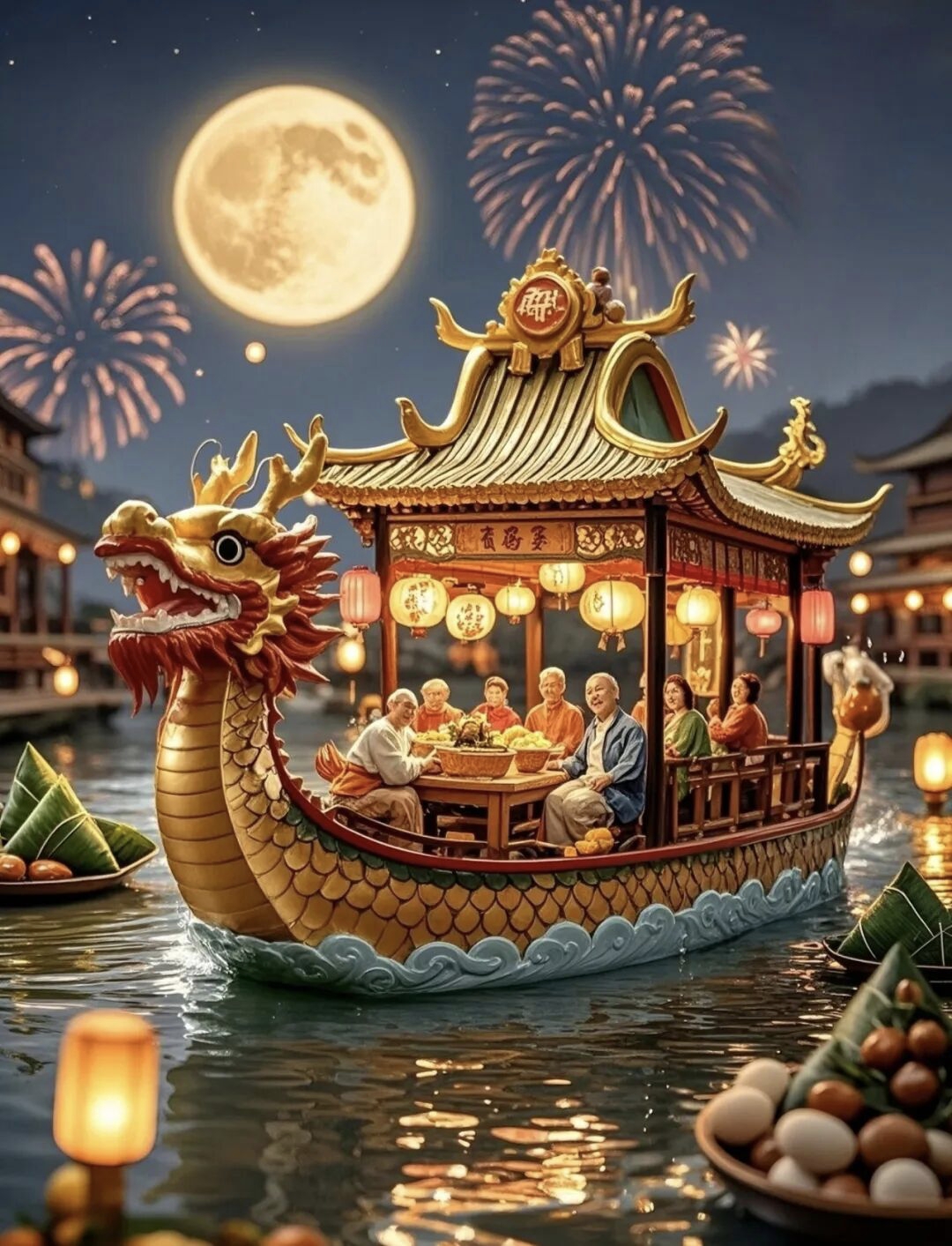
The Dragon Boat Festival, in short, is a festival of contradictions. It is a celebration of loyalty and a site of gender discrimination. It is a UNESCO-recognized treasure and a source of environmental pollution. It is a deeply local tradition and a global phenomenon. It is a time for families to come together and a time for consumers to open their wallets. These contradictions do not diminish the festival's significance; on the contrary, they are precisely what make it so fascinating. Like all great cultural traditions, the Dragon Boat Festival is not a static artefact to be preserved in amber but a dynamic, contested, and ever-changing practice—shaped by the people who celebrate it, the challenges they face, and the stories they choose to tell. As the drums beat on and the dragon boats race forward, one thing is certain: this ancient festival, with all its beauty and all its flaws, will continue to evolve, carrying its past into an uncertain but undeniably vibrant future.

