


The World Cup is the pinnacle of global football and a top-tier stage for international brand exposure. The advertising boards surrounding the tournament venues serve as an intuitive showcase of national strength and brand charm across the globe. Looking back at the decades-long history of the World Cup, the evolution of arena advertisements vividly records the global expansion of Chinese brands. From a complete absence in the early years to widespread coverage of domestic brands today, even though the Chinese national football team has never qualified for the World Cup finals, Chinese manufacturing, brands and culture have stepped onto the world stage and conveyed the power of the East through the global influence of football.
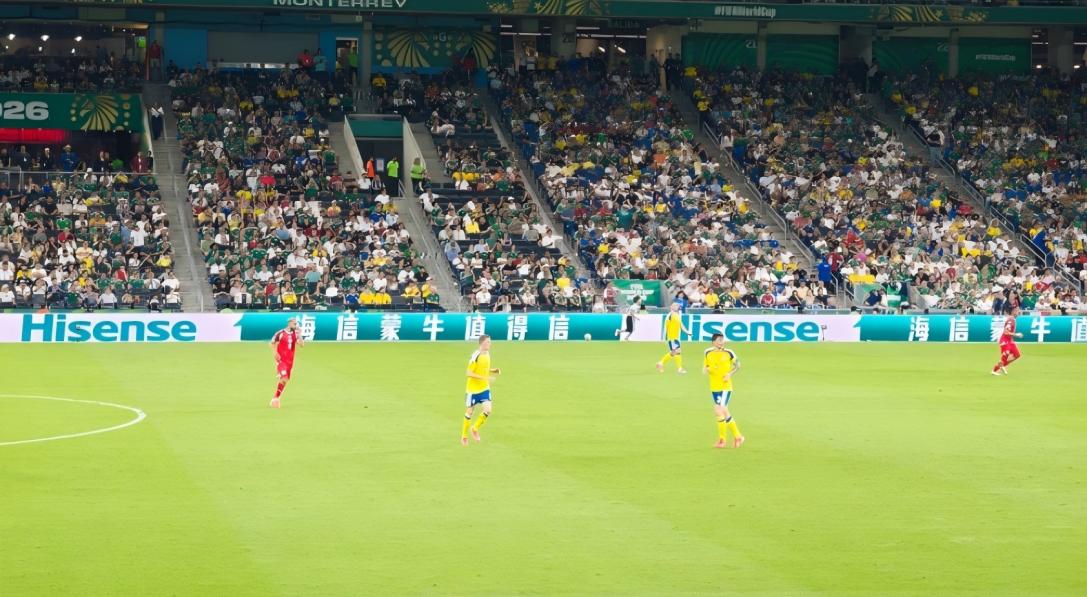
From Zero to One: Breaking Ice and Making a Debut on the World Cup Stage
Before 2010, World Cup advertising boards were exclusively dominated by European, American and Japanese brands, with no trace of Chinese logos or enterprises. Though China’s manufacturing industry had taken initial shape back then, Chinese brands lacked international influence. Few domestic enterprises dared to embrace the World Cup’s high-end marketing platform, leaving China’s brand globalization stagnant.
The 2010 South Africa World Cup changed this situation completely. Yingli Green Energy became the first Chinese official sponsor of the World Cup, displaying the four Chinese characters “China Yingli” on the global arena. With an 8-minute rolling advertising exposure in every match, it created an unprecedented Chinese mark in World Cup history, allowing global football fans to witness a Chinese enterprise on the top football event for the first time. This debut was no coincidence. It represented Chinese enterprises’ bold attempt to break geographical barriers and integrate into the global market, laying the foundation for the subsequent wave of Chinese brands entering the World Cup. At the 2014 Brazil World Cup, Yingli continued its sponsorship, maintaining China’s presence and letting the Chinese voice echo across the international green field.
From One to Many: Cluster Appearance of Domestic Brands on the Global Stage
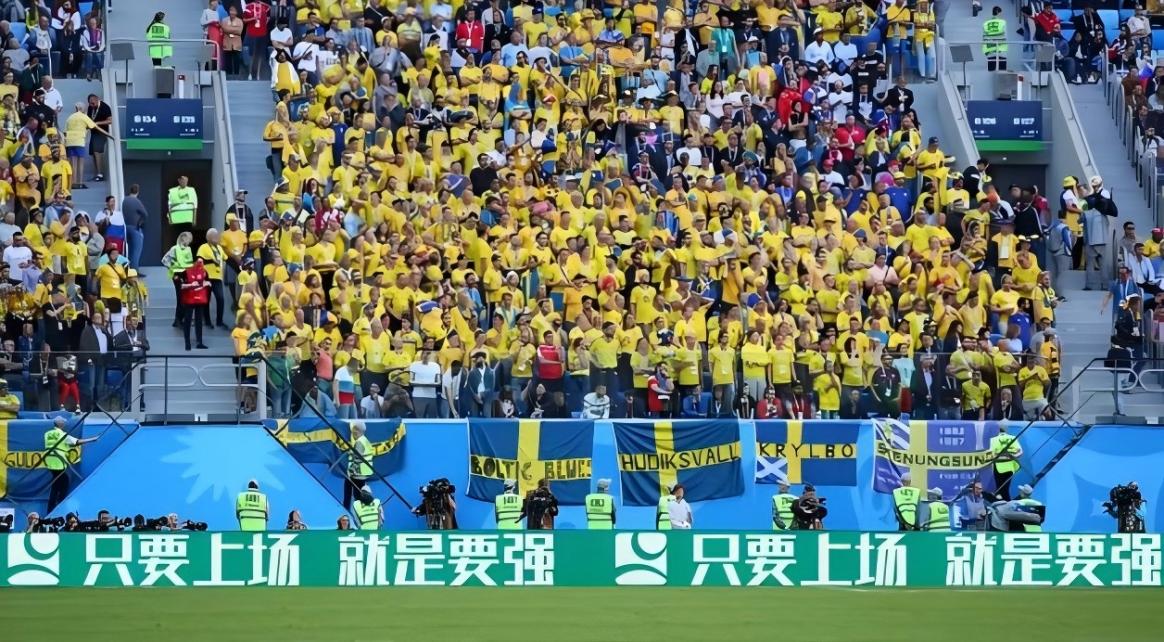
After accumulating experience from two World Cups, Chinese brands entered a stage of large-scale global development, achieving a leap from solitary exploration to collective display. The 2018 Russia World Cup became a grand showcase for Chinese brands. As Wanda Group joined FIFA’s top-tier partnership program, renowned domestic brands including Hisense and Mengniu made remarkable appearances, thoroughly reshaping the brand landscape of World Cup advertising.
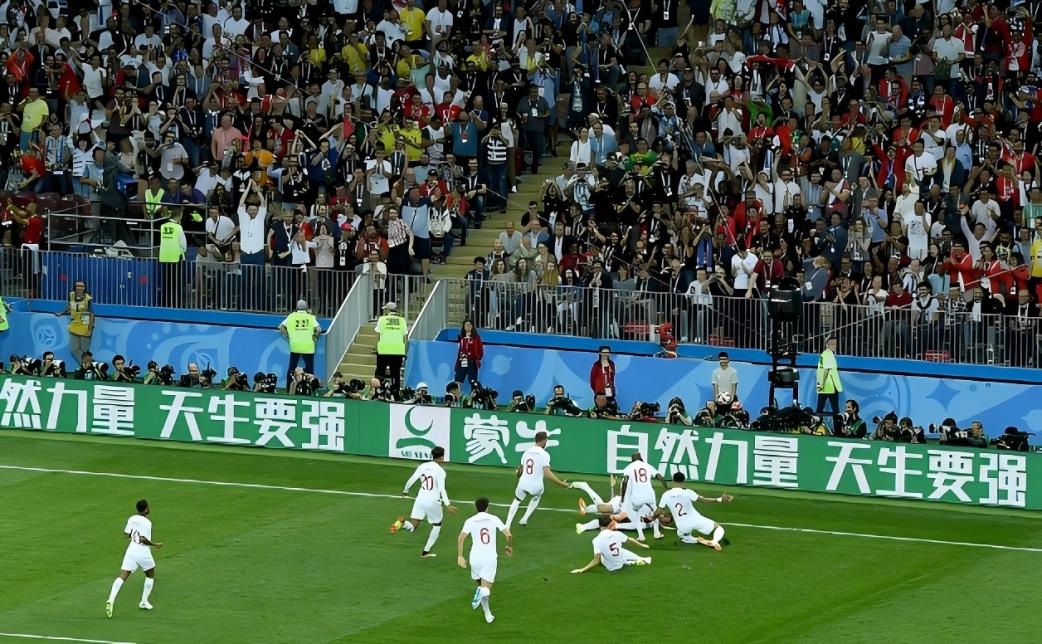
Among them, Hisense and Mengniu stood out as outstanding representatives of Chinese brands. As the first Chinese consumer electronics brand to settle in the World Cup, Hisense occupied core advertising positions with cutting-edge technological strength and global vision. Mengniu won worldwide attention with its Chinese slogan “Born for Strength”, showcasing the charm of Eastern copywriting to the globe. Overseas netizens rushed to recognize Chinese characters, and foreign media reported extensively on emerging Chinese brands. For the first time, the World Cup arena was no longer exclusive to Western brands, with distinctive Chinese elements becoming a unique highlight of the tournament.
Gaining Global Recognition: Winning Worldwide Praise with Solid Strength
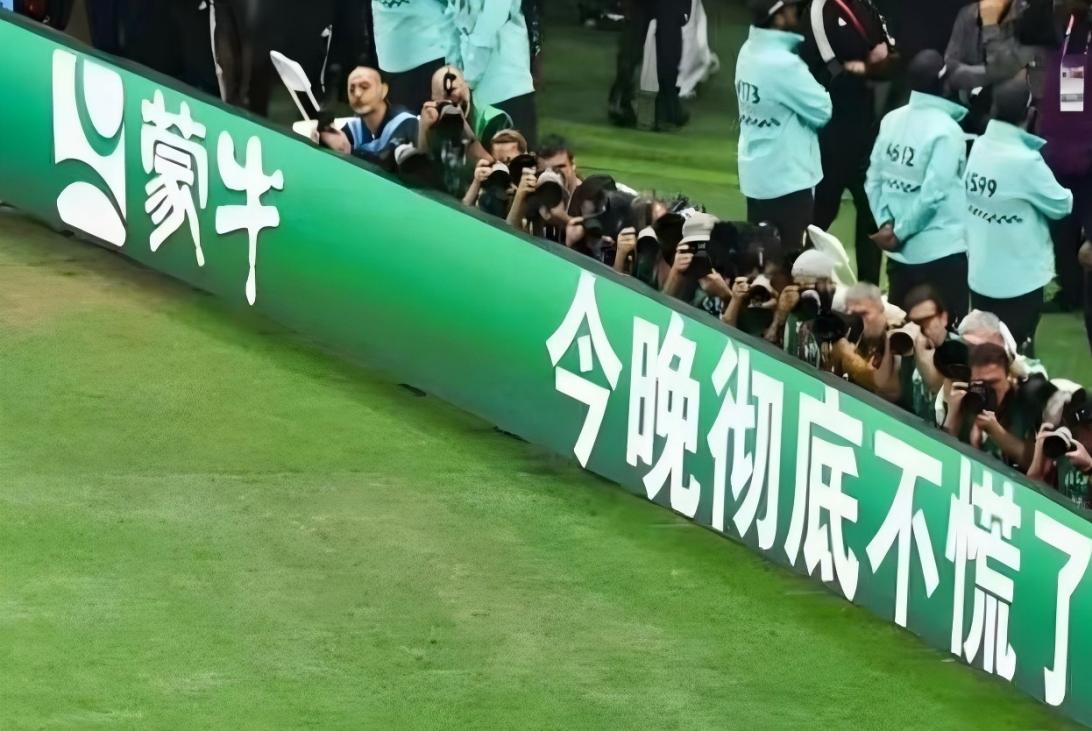
At the 2022 Qatar World Cup, Chinese brands’ World Cup marketing matured fully, shifting from simple brand exposure to deep-rooted global reputation. Continuing their in-depth layout on the World Cup stage, Hisense and Mengniu delivered consistent high-quality products and globally oriented marketing strategies, winning wide acclaim at home and abroad. The popular folk praise “Mengniu and Hisense are truly remarkable, reliable and trustworthy” has spread virally online, becoming a genuine recognition of domestic brand strength.
This simple and catchy saying reflects public praise for the excellent quality, reliable service and comprehensive strength of the two leading domestic brands, and embodies the vigorous rise of Chinese brands. Hisense empowered World Cup live broadcasts with advanced intelligent display technologies, delivering high-definition viewing experiences for global audiences and demonstrating the strength of Chinese intelligent manufacturing. Mengniu spread the concept of healthy living with high-quality dairy products, presenting the warmth and humanity of Chinese consumer brands. Standing on the World Cup platform, the two brands broke overseas stereotypes about Chinese products and made Chinese quality and global standards widely recognized worldwide.
Filling the Arena Gap: Chinese Brands Going Global Through Football
It remains a lasting regret for Chinese football that the national team has never stepped onto the World Cup’s competitive pitch. However, this absence in sports competition has been perfectly filled by the booming rise of Chinese brands, forming a unique scene: while China’s football team is absent from the World Cup, Chinese brands are sailing toward the global market.
The upgrading of Chinese brands on World Cup advertising boards epitomizes the takeoff of China’s manufacturing industry. From a single energy enterprise in the early stage to the clustered overseas layout of home appliance, food, technology and other industries today, it stems from the improvement of China’s industrial system, the upgrading of product quality and the innovation of brand concepts. Meanwhile, Chinese characters, Eastern cultural expressions and Chinese brand stories are spread globally alongside the tournament, enabling Chinese culture to transcend geographical boundaries and integrate into the world subtly through sports.
Football knows no borders, and brands carry immense power. Every appearance of Chinese brands on the World Cup arena serves as a powerful voice of China’s national strength. In the future, leading Chinese brands represented by Hisense and Mengniu will continue to take sports as a bridge to deepen global market layout, allowing Chinese intelligent manufacturing and Chinese culture to shine brightly on the world stage.

