


In the sprawling industrial landscape of modern China, an often-overlooked transformation is quietly gathering momentum. The country's material recycling industry — once characterised by back-alley scrap collectors and rudimentary processing — has evolved into a vast and sophisticated sector that now ranks among the largest in the world. With annual recycling volumes exceeding 400 million tonnes and a market value surpassing one trillion yuan, China's recycling ecosystem is no longer a peripheral curiosity but a central pillar of its economic and environmental strategy. Yet for all its staggering scale and technological ambition, the industry remains a study in contradictions: a realm where state-backed giants and cutting-edge AI sorting systems coexist with sprawling informal networks, environmental legacies, and persistent structural weaknesses.
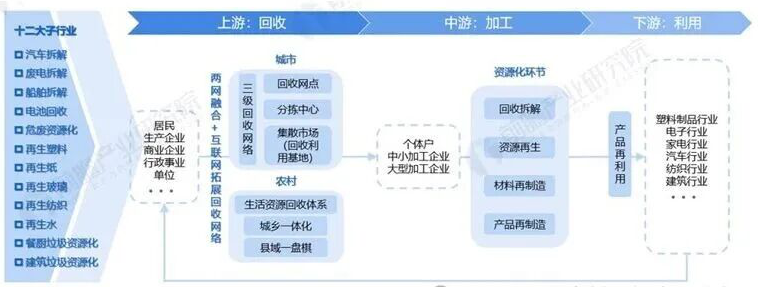
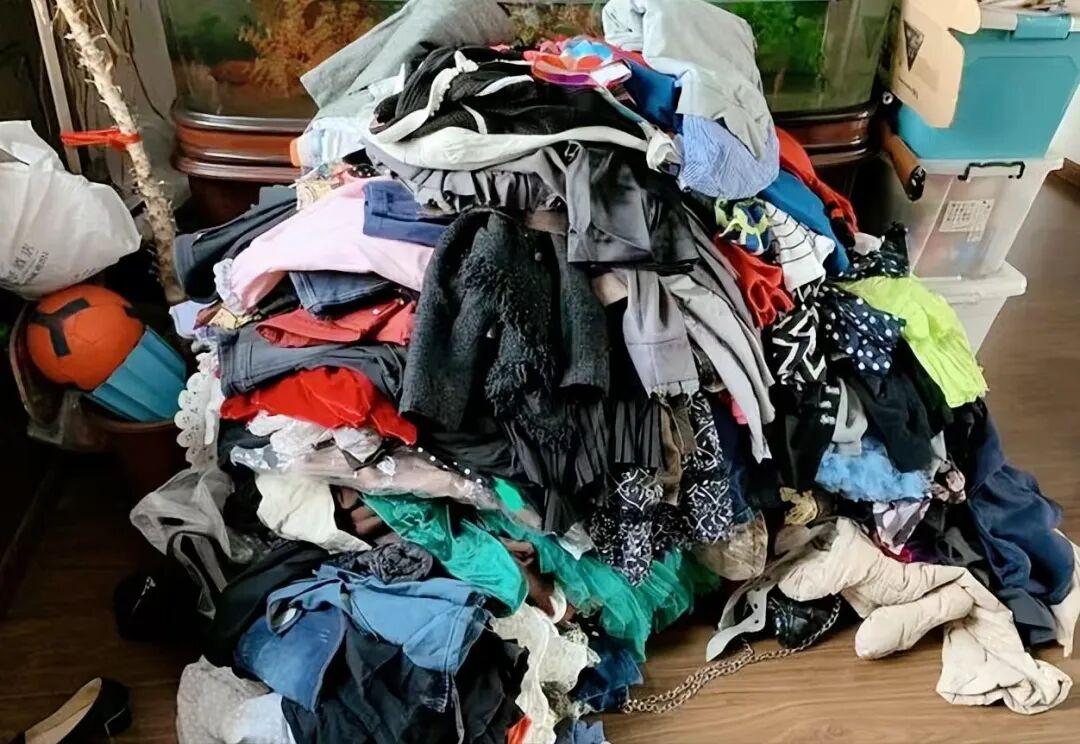
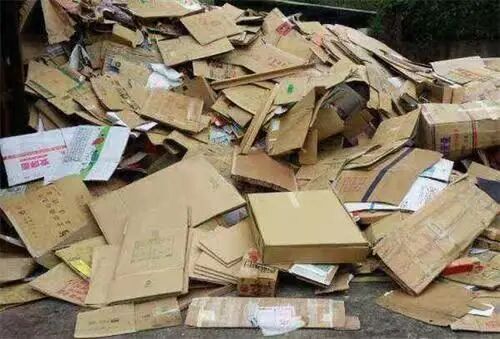
The sheer magnitude of China's recycling operation is difficult to overstate. In 2025, the country's recycling industry processed approximately 417 million tonnes of material across eleven major categories — including scrap steel, non-ferrous metals, plastics, paper, tyres, waste electrical and electronic equipment, end-of-life vehicles, textiles, glass, batteries, and retired wind and photovoltaic equipment. This represented a year-on-year increase of 4.1 per cent, marking the third consecutive year of growth. The total value of these recovered resources reached 1.39 trillion yuan (roughly US$204 billion), reflecting a market of considerable economic heft. Scrap steel alone accounted for more than 60 per cent of the total volume, underscoring the foundational role that ferrous metals continue to play in the country's industrial metabolism.
Perhaps the most striking success story within this broader narrative is the recycled non-ferrous metals sector. During the 14th Five-Year Plan period (2021–2025), annual production of recycled non-ferrous metals grew at an average rate of 7.2 per cent, reaching an estimated 20 million tonnes by the end of 2025. China now accounts for approximately one-third of global production in this category. The environmental implications are profound: between 2021 and 2024 alone, the expansion of recycled non-ferrous metal production saved an estimated 3.6 billion tonnes of mining resources and reduced carbon dioxide emissions by 560 million tonnes. Some Chinese manufacturers now report that recycled materials constitute more than 60 per cent of their total raw material input, a figure that would have been unthinkable just a decade ago.
This remarkable growth has been propelled by a confluence of policy interventions, technological innovation, and strategic industrial reorganisation. At the policy level, the Chinese government has pursued an increasingly ambitious agenda. The "Two New" policy — formally known as the Action Plan for Large-Scale Equipment Renewal and Consumer Goods Trade-In — injected 7.5 billion yuan of central fiscal special funds into the recycling sector, catalysing a wave of investment and infrastructure development. More recently, the Action Plan for Promoting the Application of Recycled Materials, issued by the National Development and Reform Commission and several other ministries, has set out a clear roadmap for increasing the proportion of recycled content in key products, from automobiles and electrical appliances to textiles and packaging. These policies reflect a growing recognition that recycling is not merely an environmental nicety but a strategic imperative for resource security and industrial competitiveness.
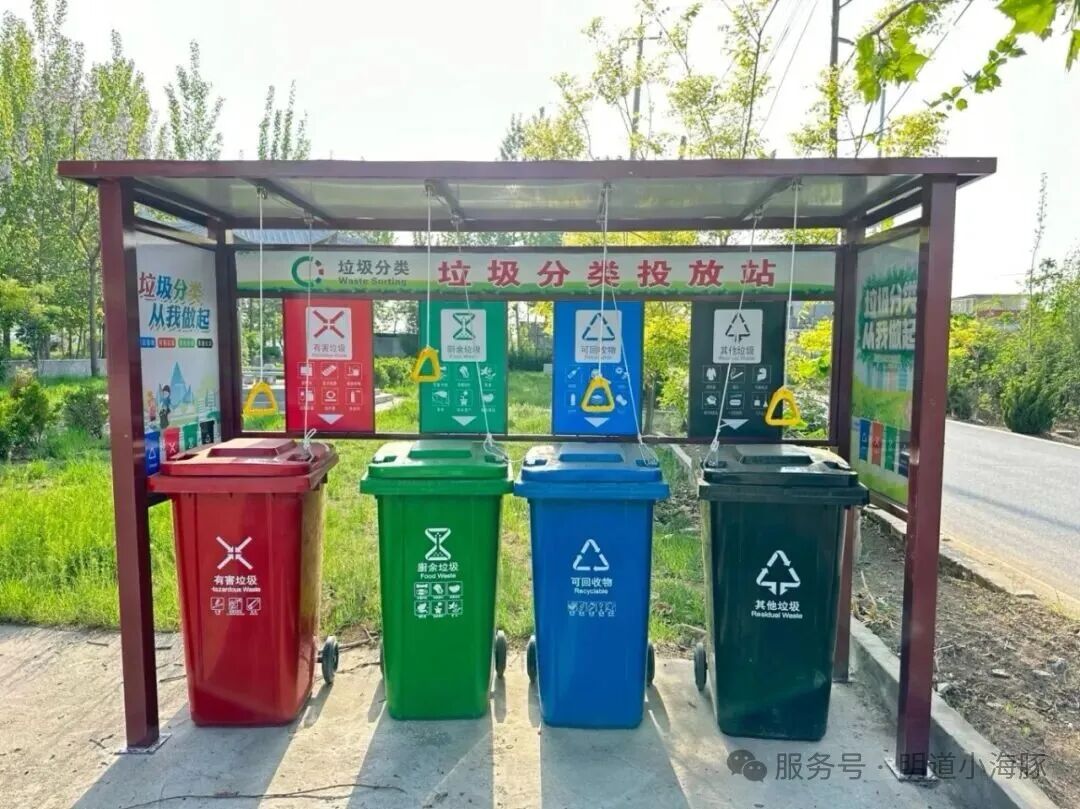
Technological innovation has been equally transformative. In Fuzhou's Green Digital Sorting Centre, for instance, twelve AI-powered robotic sorters operate around the clock, using spectral recognition systems with 95 per cent accuracy to identify and separate plastic bottles on conveyor belts. The result is recycled plastic of 99 per cent purity, which commands three times the price of mixed material. Similarly, multi-spectral sorting equipment developed by Tsinghua University has improved the identification accuracy of bottle caps (HDPE) and bottle bodies (PET) to 99.5 per cent, addressing a long-standing industry pain point that had previously devalued recycled plastics by as much as 30 per cent. In the chemical recycling domain, breakthroughs have been equally notable: a supercritical water oxidation technology developed by the Chinese Academy of Sciences achieves 99.9 per cent removal of organic matter from oily sludge, with a demonstration facility capable of processing 500,000 tonnes of hazardous waste annually planned for the Beijing-Tianjin-Hebei region.
The structure of the industry itself is undergoing a profound transformation. For decades, China's recycling sector was famously fragmented — a chaotic patchwork of millions of small-scale operators, itinerant scrap collectors, and backyard workshops. This "small, scattered, and disorderly" model was efficient in its own way, but it also bred informality, safety hazards, and environmental contamination. Today, however, state-owned enterprises are rapidly consolidating the sector. China Resources Recycling Group, established in 2024, has emerged as a stabilising force, deploying advanced technologies that have lifted lithium recovery rates to 95 per cent — well above the industry average of 85 per cent — while reducing energy consumption per tonne by 15 per cent. The group's subsidiary, Zihuan Lianjin, has built a recycled steel trading platform that integrates physical flows, financial flows, invoices, contracts, and information into a single digital system, ensuring that every batch of scrap steel is fully traceable from source to steel mill. The platform has already facilitated over 100 million tonnes of transactions worth more than 250 billion yuan. By the end of 2025, the supply and marketing cooperative system alone operated nearly 50,000 recycling collection points and more than 600 sorting centres across the country.
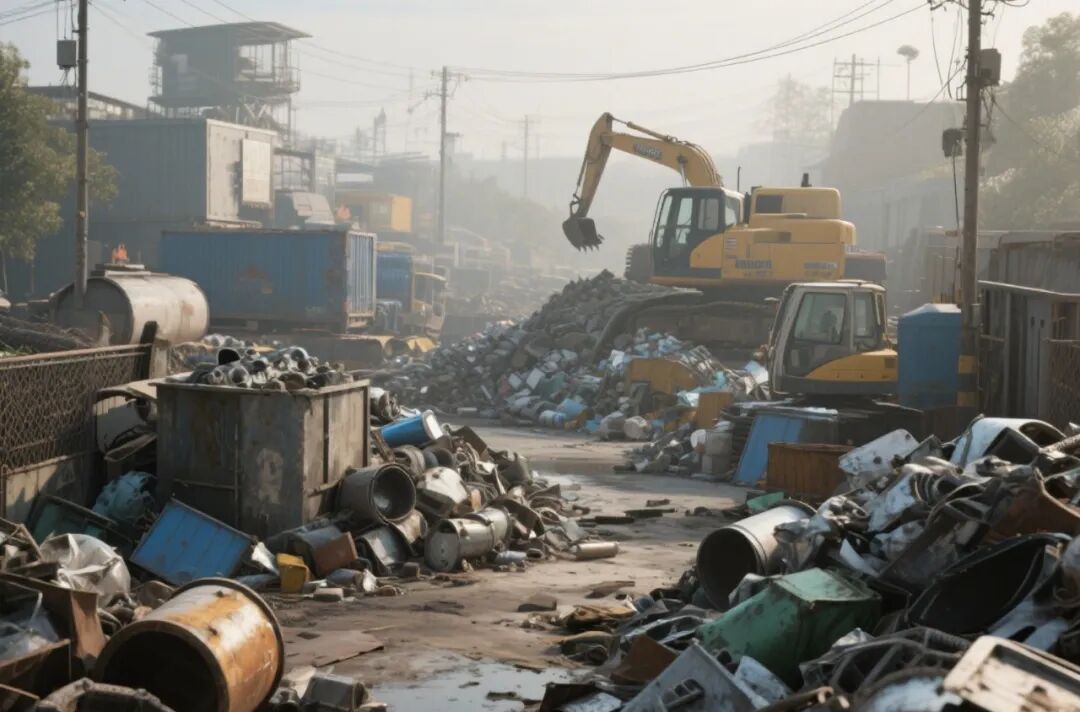
Yet for all these achievements, the industry's path has been far from smooth, and its challenges remain formidable. One of the most persistent problems is the coexistence — and competition — between formal and informal recycling channels. Informal operators, who still account for an estimated 50 per cent of the market, often offer higher prices to consumers because they avoid the compliance costs borne by formal enterprises. This creates a perverse incentive structure in which responsible recyclers struggle to compete, with capacity utilisation rates at compliant firms often falling below 60 per cent. The result is a two-tier system in which a substantial portion of valuable materials flows through channels that are opaque, inefficient, and environmentally problematic.
The environmental legacy of informal recycling is particularly troubling. The case of Guiyu in Guangdong province — once notorious as the world's largest electronic waste dumping ground — illustrates the stakes involved. For decades, thousands of family workshops in Guiyu extracted valuable metals from discarded electronics using crude methods: open burning, acid leaching, and heating circuit boards over charcoal fires. The environmental toll was devastating: contaminated soil, polluted water sources, and severe health impacts on local residents. While the government has since relocated these operations into a dedicated industrial park with centralised pollution control facilities, some observers question whether the underlying practices have truly changed. The broader point is that China's recycling industry still bears the scars of its informal origins, and the transition to a fully formalised, environmentally sound sector remains very much a work in progress.
Plastic recycling presents a particularly acute set of challenges. In 2025, China recycled approximately 20 million tonnes of waste plastic, generating 16.8 million tonnes of recycled plastic with a market value of 103.5 billion yuan. Yet the recycling rate for low-value plastics — such as flexible packaging and soft films — remains stubbornly low, with physical recovery rates of just 8.7 per cent. Many regions still rely on manual sorting methods that are inefficient and difficult to scale. Moreover, the industry remains heavily skewed towards low-end applications; high-value "upcycling" — in which recycled plastic is returned to its original grade for food-contact or automotive use — remains the exception rather than the norm. The phenomenon of "bad money driving out good" persists, as low-quality recycled materials undercut higher-quality alternatives in the marketplace. Compounding these difficulties is the fact that many companies lack incentives to adopt recycled materials, given the short-term cost pressures and technical adjustments involved.
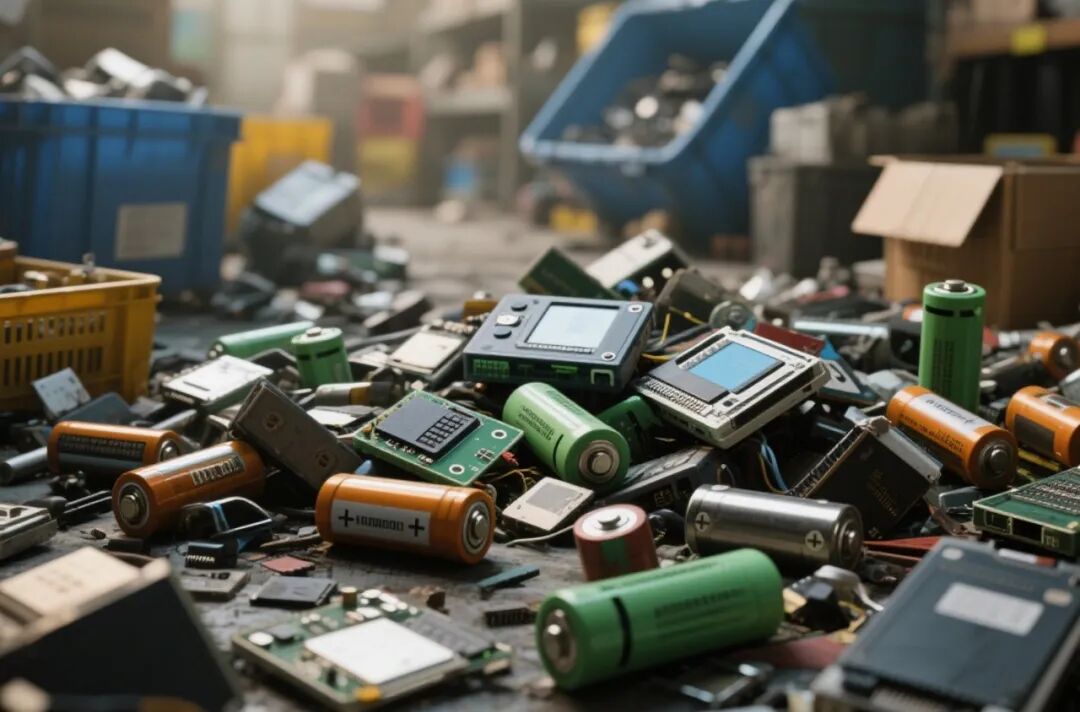
The electric vehicle battery recycling sector, while growing rapidly, faces its own set of growing pains. With China's new energy vehicle fleet expanding explosively, the volume of retired power batteries is surging — yet the formalised recycling rate for these batteries remains below 25 per cent. A significant portion of spent batteries flows through informal channels, raising concerns about both environmental safety and the loss of valuable critical minerals. The industry also grapples with immature recycling technologies, high operating costs, and non-standardised collection channels. Overcapacity and low utilisation rates — around 30 per cent in some segments — further compound the pressure on legitimate operators.
Land constraints and regulatory gaps add another layer of difficulty. The industry faces persistent challenges in securing land for recycling facilities, and the implementation of certain policies — such as the "reverse invoicing" mechanism designed to formalise scrap transactions — has fallen short of expectations. The waste electrical and electronic equipment (WEEE) sector, despite processing over 230 million units in 2025, continues to struggle with illegal dismantling and the financial strain on compliant operators. At the same time, approximately 70 million tonnes of low-value recyclables are still sent to incinerators or landfills each year because the economics of recovery simply do not pencil out.
Looking ahead, the trajectory of China's recycling industry will depend on how effectively it can reconcile its immense scale with the demands of quality, sustainability, and environmental integrity. The government has set ambitious targets: the Action Plan for Comprehensive Solid Waste Management calls for major recycled resources to reach 510 million tonnes of annual circulation by 2030. The industry is also expanding its international footprint, with initiatives such as the China-ASEAN Resource Recycling Industrial Cooperation Roundtable and the China-Shanghai Cooperation Organisation Green Industry Platform signalling a growing ambition to export expertise and build cross-border recycling networks. The second China-EU High-Level Policy Dialogue on the Circular Economy, held in Beijing in July 2025, further underscored the importance of international alignment on standards and best practices.
Yet the fundamental question remains: can China's recycling industry move decisively beyond its legacy of informality and environmental compromise to become a genuine model of sustainable resource management? The answer is not yet clear. The industry's strengths are undeniable — its scale, its policy backing, its technological dynamism, and the strategic vision of its state-backed champions. But its weaknesses are equally real: the persistence of informal channels, the environmental debts of the past, the structural incentives that favour low-quality outcomes, and the regulatory gaps that allow bad actors to thrive. For an industry that has grown as fast and as far as China's recycling sector has, the next chapter will be defined not by how much it collects, but by how well it transforms — from a system that moves materials to one that truly conserves resources, protects communities, and delivers on the promise of a circular economy. The tide is rising, but whether it will lift all boats — or simply sweep the same problems into deeper waters — remains to be seen.

