


As artificial intelligence deeply penetrates the film and television industry, AI virtual actors, digital human appearances, and AI-generated performance clips have become industry norms. Thanks to their low cost, high efficiency and no schedule restrictions, AI actors have been widely adopted in mass-produced short dramas and template-based commercial shoots. This has sparked widespread anxiety that human actors will be fully replaced. In fact, the partial replacement of human actors by AI is an irreversible industrial transformation, yet the complete elimination of professional human actors will never happen. This technological innovation represents an inevitable industrial reshuffle and an opportunity for performing arts to return to its essence.
Driven by Efficiency and Cost, the Replacement of Basic Performances Is Inevitable
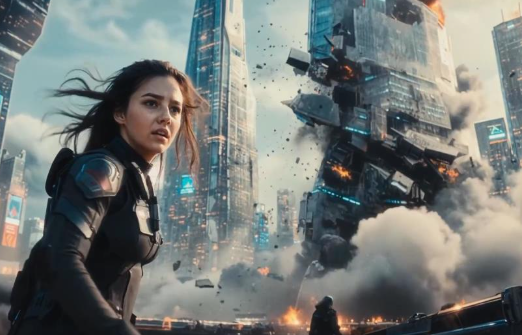
The industrial nature of the film and television industry determines its continuous pursuit of cost reduction and efficiency improvement, which is the core logic behind AI’s adoption in performance scenarios. In traditional filming, roles such as extras and background supporting actors involve standardized work and simplistic emotional expression, requiring no sophisticated acting skills but consuming massive human, time and financial resources. In contrast, AI actors can generate numerous footage rapidly, adjust scenes at any time, and eliminate venue and schedule costs, perfectly catering to the production needs of lightweight film and television content including short videos, web dramas and e-commerce advertisements.
Currently, AI-generated virtual human short dramas and comic dramas have occupied a large market share, greatly reducing the shooting opportunities for ordinary extras and bit actors in filming bases like Hengdian. The replacement of these standardized, soulless and unindividualized basic performance positions is an irreversible result of technological progress. It is fair to say that AI does not eliminate the acting profession itself, but weeds out mechanized, formulaic and low-value performance jobs, which is an essential step in the industrial upgrading of the film and television industry.
Emotion and Soul: The Irreplaceable Core of Human Performance
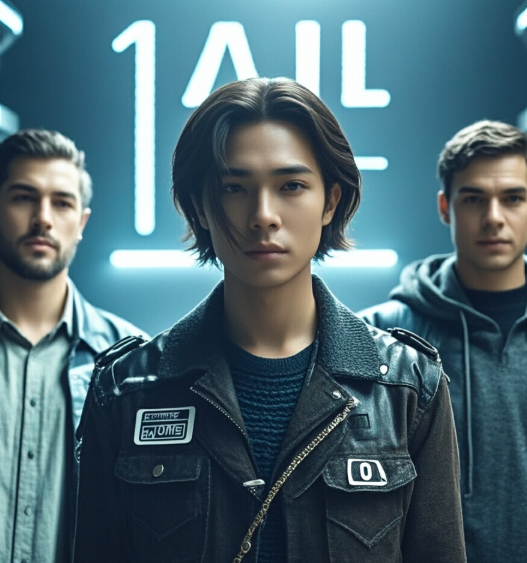
Despite the increasingly realistic superficial performances of AI, it can never touch the core essence of performing arts—spiritual empathy and emotional soul. Performance is never a simple replication of facial expressions and movements, but a secondary creation based on actors’ life experience, emotional perception and life accumulation. The complex emotions embodied in characters, such as forbearance, breakdown, tenderness and vicissitudes, carry unique human life traces. Subtle voice tremors during choking, restrained micro-expressions in emotional outbursts, and impromptu emotional interactions in scene cooperation are all details that algorithms cannot accurately simulate.
All AI performances are derived from data integration and template splicing, which can only replicate existing performance paradigms rather than create original emotional expressions. Devoid of real joys and sorrows or life insights, AI is incapable of shaping three-dimensional, vivid and heartfelt characters with unique spiritual arcs. The core roles in blockbusters, high-quality long dramas and in-depth literary works require actors to resonate with characters and audiences, conveying diverse human natures and humanistic warmth. This unique artistic value constitutes an insurmountable core barrier of human actors against AI replacement.
Industrial Reshuffle: Pushing the Industry to Abandon Mediocre Internal Competition
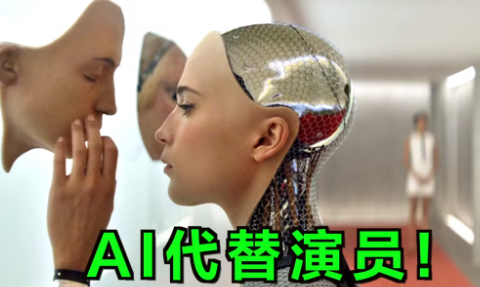
Public anxiety over AI replacing actors essentially stems from concerns about the mediocre internal involution of the film and television industry. For a long time, the industry has been plagued by malpractices. Some traffic actors rely on formulaic performances without polishing their acting skills, gaining popularity merely by appearance; many practitioners cope with perfunctorily and perform mechanically, reducing acting to a streamlined tool. Such AI-style mechanized performances are no match for efficient and precise AI technology and are doomed to be replaced sooner or later.
In contrast, powerful actors dedicated to honing their craft and artistic creation always occupy core positions in the industry. The popularity of AI is not an industrial crisis, but a survival-of-the-fittest reshuffle. It forces actors to step out of their comfort zones, abandon formulaic acting, polish their skills, accumulate life experience and enhance empathy, so as to gain a foothold in the industry with irreplicable artistic creativity. Meanwhile, it promotes the film and television industry to abandon the distorted traffic-oriented model and return to the original aspiration of prioritizing content and acting skills.
Human-AI Symbiosis: Rebuilding a New Ecosystem for the Film and Television Industry
The future pattern of the film and television industry will never be full AI substitution, but a new ecosystem featuring human-AI symbiosis and differentiated responsibilities. AI will continuously undertake standardized, repetitive and basic performance work, greatly improving film and television production efficiency, lowering industrial creation thresholds and freeing up more space for content innovation. Human actors, on the other hand, will focus on high-quality creation, in-depth interpretation of complex roles, humanistic expression and artistic innovation, dedicating themselves to producing heartfelt, profound and timeless film and television works.
Technology is always a tool, not a terminator of art. The partial replacement of human actors by AI is unavoidable, yet the core of art always lies in human emotions and thoughts. In this technological revolution, it is mediocre performances that get eliminated, while timeless art endures. Only by facing technological changes squarely and polishing professional capabilities can human actors uphold their core values in the era of transformation and sustain the vitality of performing arts.

