


On the evening of 14 March 2026, a 25‑year‑old medical postgraduate student at Xiangya Hospital of Central South University in Changsha left her dormitory and walked to the Orange Isle Bridge. She had just completed her night shift. At 23:03, she sent a final message to her classmates and colleagues: "I've finished my night shift! I'll have to leave the follow‑up patients to all of you. I wish everyone a happy life." By the following afternoon, her body had been recovered from the river below. Her name was Sun Kexin, and she was one of hundreds of thousands of young doctors in China's standardised residency training programme – a system that has, since its inception in 2014, been both praised as a necessary modernisation and condemned as a machinery of exhaustion. Her death, following a string of similar tragedies in recent years, has cast a harsh light on a framework that was designed to produce competent physicians but has instead become, for many, a gauntlet of overwork, exploitation, and despair.
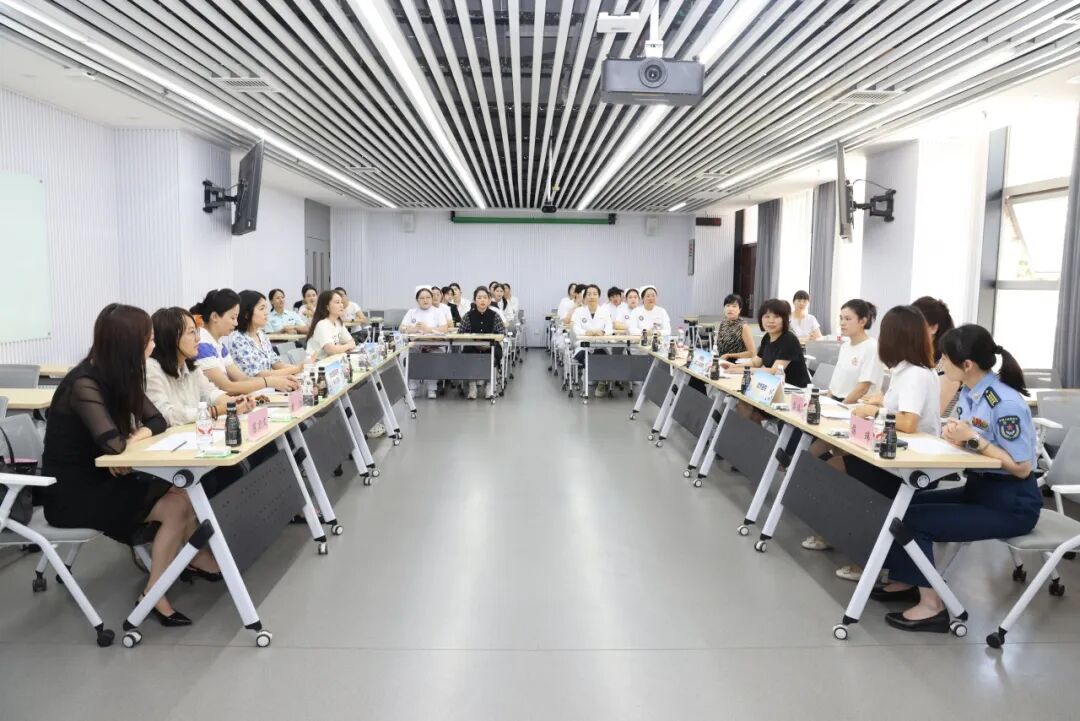
China introduced its standardised residency training system in 2014, modelling it broadly on the graduate medical education frameworks long established in the United States and the United Kingdom. The rationale was sound: a uniform, rigorous training period would ensure that all newly qualified doctors possessed the clinical competence to practise independently, replacing the uneven quality that had historically resulted from the traditional master‑apprentice model. Under the current structure, every medical graduate must complete a residency of typically three years – thirty‑three months, to be precise – before they can obtain their practising licence. For those enrolled in professional master's degree programmes, the residency is integrated with their graduate studies in a "parallel track" arrangement: they must simultaneously complete their clinical rotations, pass their residency assessments, conduct research, write a thesis, and satisfy their academic supervisors. They are, in the words of one observer, "students when it comes to treatment and compensation, and doctors when it comes to work".
The working hours that residents endure would be startling to anyone familiar with the labour standards of Western healthcare systems. While the American Accreditation Council for Graduate Medical Education caps resident duty hours at eighty per week, with at least one 24‑hour period of continuous rest, Chinese residents routinely exceed this threshold by a considerable margin. A survey of Peking University's affiliated teaching hospitals found that roughly two‑thirds of residents worked more than fifty hours per week. But for many, fifty hours is a conservative estimate. One former resident at a Beijing tertiary hospital reported working "at least 100 hours" per week, and sometimes as many as 110 – an average of nearly sixteen hours each day. Another trainee disclosed that her weekly workload ranged from 80 to 90 hours, and could spike to 120 or 130 during particularly demanding periods. A 2024 survey of medical personnel found that 41.68 per cent worked more than ten hours daily, and 15.03 per cent exceeded twelve hours.
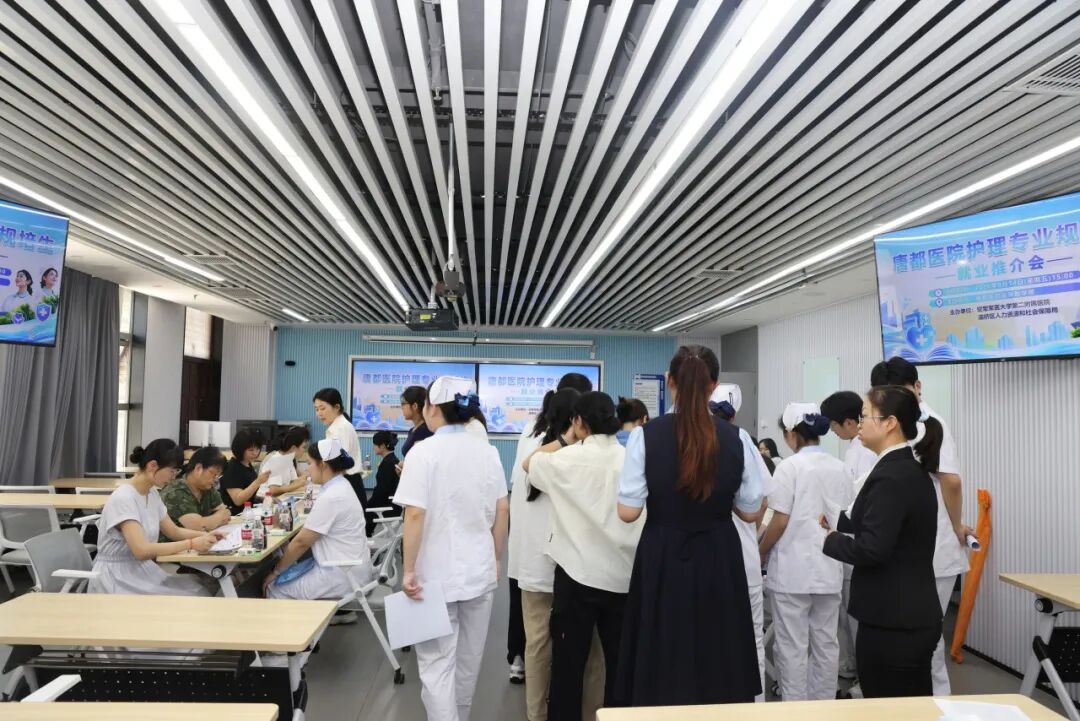
What does a typical day look like for these residents? It begins before dawn. One former trainee at a Beijing hospital described arriving at 6:30 each morning to conduct a preliminary ward round before the attending physician's formal rounds at 8:00. She would memorise every patient's key clinical indicators so that she could recite them on demand. After the attending's rounds, she would rapidly transcribe instructions into the electronic ordering system – any delay risked a cascade of missed tests, delayed medications, and compromised patient care. Then came surgery: as a junior resident, she was responsible for sterilising the surgical field, retraction, and suction – tasks that required her to stand through procedures lasting four, six, or even more hours. If she was rotating through obstetrics, the nights could be more intense than the days, since hormonal changes frequently trigger labour after dark. On non‑surgical days, she admitted new patients, taking detailed histories that covered everything from past surgeries to the ingredients of their dietary supplements. Regardless of when she finished, she was back at 6:00 the next morning to repeat the cycle.
Night shifts add another layer of brutality. At many hospitals, an on‑call shift begins at 8:00 in the morning and does not end until 11:00 the following morning – a continuous stretch of twenty‑seven hours. Residents have been known to work thirty‑six hours consecutively. One trainee in Shaanxi province recounted that during her busiest periods, she went two full weeks without a single day off. In Jiangsu province, another resident managed only five days of rest over three months; she became so depressed that she would "sit at her workstation and just want to cry". She eventually took a leave of absence.
The financial compensation for these punishing hours is, by any standard, meagre. While published recruitment materials for residency programmes sometimes advertise annual incomes of 90,000 to 120,000 yuan (roughly US$12,500 to US$16,500), these figures often include subsidies and bonuses that are not universally available. The reality for many residents is far grimmer. A 2020 survey by a leading medical forum found that nearly 30 per cent of residents earned less than 1,000 yuan (about US$140) per month. A more recent investigation found that roughly one‑third of residents earned under 1,000 yuan monthly, and two‑thirds earned less than 3,000 yuan. One trainee in Shaanxi, working in a tertiary hospital's gastroenterology department, received a monthly subsidy of just 500 yuan (about US$70). When her day shift ended at 5:30 pm, she would spend two hours commuting to the laboratory to work on her research, then return to the hospital at 8:00 the next morning. The phrase frequently invoked by residents – "discuss work as a doctor, discuss treatment as a student" – captures the cruelties of a system in which they are expected to perform the duties of fully qualified physicians while being denied the protections and remuneration that accompany that status.
This ambiguity of identity is perhaps the most pernicious feature of the system. Professional master's students in the parallel track are simultaneously postgraduate students answerable to their academic supervisors and residency trainees answerable to their clinical attending physicians. These two authorities do not always align, and when they conflict, the resident is caught in the middle. Sun Kexin's case illustrates the devastating consequences of this dual subordination. In her final messages, she alleged that her supervisor had assigned so many tasks that they "seriously affected" her normal residency work. She wrote that she was being "scolded and berated" by both her supervisor and her clinical instructors, and that she had been threatened with the withholding of her graduation certificate. She acknowledged that the demands of her supervisor's projects often forced her to be absent from clinical duties during daytime hours, which she knew was "very inappropriate". Fellow trainees recalled that Sun would receive phone calls from her supervisor so frequently that she became afraid even to look at her mobile phone. On one occasion, she collapsed during ward rounds and had to be placed on oxygen. On another, she experienced a nosebleed so severe that blood "seemed to spray out". She was, in the words of one colleague, under "enormous pressure".
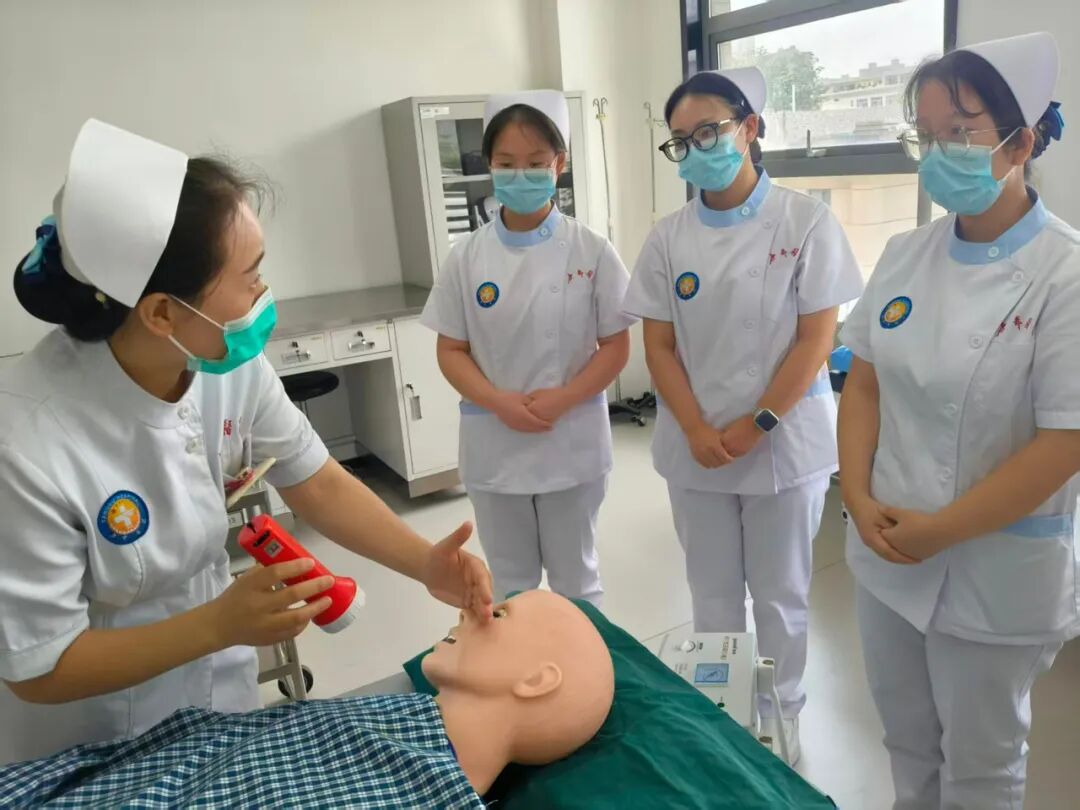
Sun is far from alone. According to publicly available information, at least nine resident physicians, nurses, or medical interns died by suicide between 2024 and 2025 alone. In February 2024, a resident at Hunan Provincial People's Hospital named Cao Liping cut her own carotid artery with a scalpel. The thousand‑word suicide note she left behind contained the word "overtime" ten times, "asked for leave" nine times, "couldn't finish the work" six times, "sudden death" four times, and "couldn't rest" three times. Online, doctors share images of themselves working night shifts while running a fever, or writing patient charts while receiving intravenous fluids. One resident who survived the three‑year ordeal described the experience as "an immense challenge" characterised by "overloaded working hours, a sense of not belonging, a torn sense of identity, and meagre income". The psychological toll is measurable: a study of nearly 3,000 residents found that 20.3 per cent exhibited moderate to severe anxiety symptoms, 19.7 per cent had moderate to severe depressive symptoms, and 9.6 per cent suffered from moderate to severe insomnia. Another survey found that 85.59 per cent of residents worked more than forty hours per week, and 55.29 per cent slept less than seven hours per day. Recent research indicates that the depression and anxiety detection rates among medical students are 12 per cent higher than among the general student population.
The system's defenders point out that residency training is inherently demanding everywhere. In the United States, first‑year residents work long hours and experience similar rates of depression. One prominent Chinese advocate for the residency system has argued that Chinese trainees must simply accept this intensity, citing the American eighty‑hour cap as evidence that even regulated systems require substantial commitment. But this comparison elides crucial differences. American residents, for all their struggles, are at least employees with contractual protections, defined limits on their working hours, and compensation that, while modest relative to attending physicians' salaries, is sufficient to live on. Chinese residents, by contrast, often occupy a legal grey zone: they are neither fully students nor fully employees, and their status leaves them without the protections of China's labour law. They cannot unionise, they cannot collectively bargain, and they have little recourse when they are exploited. As one observer put it, "when it comes to dedication, they are doctors; when it comes to the law, they are students".
The complaints channels that do exist are frequently useless. Because the hospital, the university, and the training base are often intertwined institutionally, residents who speak up against unfair treatment find themselves confronting a unified front. Their supervisors control their graduation, their residency certification, and their chances of securing a permanent position at the hospital. The power imbalance is so severe that many trainees simply dare not refuse unreasonable demands. One resident who participated in a national survey described the situation as "slave labour" – a hyperbolic comparison, perhaps, but one that conveys the depth of the frustration and helplessness that pervades the ranks of China's junior doctors.
The consequences extend beyond the personal suffering of individual trainees. When residents are exhausted, they make mistakes. When they are distracted by research obligations imposed by their supervisors, patient care suffers. When they are treated as disposable labour rather than as future colleagues, the medical profession loses the very idealism that drew these young people to medicine in the first place. Sun Kexin wrote in her final message that she loved neurology and never regretted choosing it – "I just can't be a neurologist anymore". Her story, and the stories of the many others who have been broken by the system, represent not only individual tragedies but also a systemic failure that undermines the quality and sustainability of China's healthcare workforce.
Reform is urgently needed, and there is no shortage of proposals. Some have called for bringing residency trainees under formal contract‑based employment, which would grant them the protections of labour law and ensure minimum standards of compensation and working hours. Others have advocated for independent and confidential complaint mechanisms that would allow trainees to report abuse without fear of retaliation. Still others have urged that supervisors be prohibited from using graduation or employment as leverage over their trainees. The national political advisors have raised these issues in successive sessions, arguing that the current financial subsidies are "significantly insufficient" and that the system suffers from poor coordination between medical education and clinical training. A 2025 proposal recommended that residency trainees be brought under a unified contractual management framework to improve their compensation, social security, and career advancement pathways.
Yet meaningful change has been slow to arrive. The system that was intended to elevate the standard of Chinese medicine has, in too many cases, become a mechanism for extracting cheap labour from the very people who should be its most carefully nurtured assets. The tragedy of Sun Kexin, and of the others who have come before her, should serve as a wake‑up call – not just to the Chinese authorities who oversee medical education, but to the global medical community that shares the common challenge of training the next generation of physicians. Residency is supposed to be arduous; it is not supposed to be lethal. When young doctors are dying from exhaustion and despair, the system that surrounds them has failed, and it is the responsibility of all who care about the future of medicine to demand that it be fixed.

