


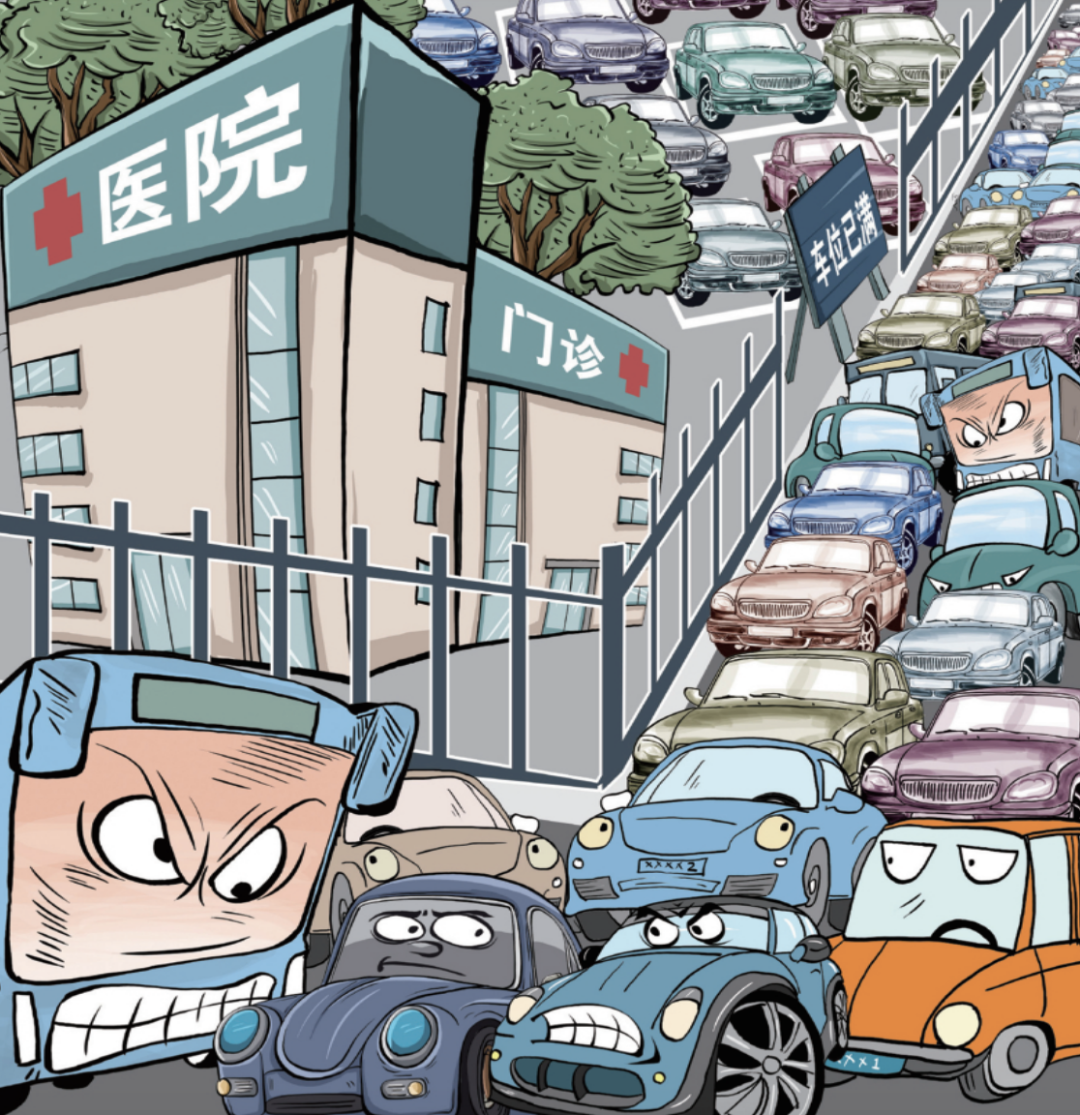
On any given morning in a major Chinese city, the scene outside a tertiary hospital unfolds with predictable frustration. Vehicles stretch in long queues along surrounding streets, their drivers—many of whom are patients or anxious family members—watching the minutes tick by as they wait to enter hospital grounds. Once inside, the ordeal continues: circling cramped parking lots in search of a vacant spot, often in vain. For countless Chinese citizens, the experience of seeking medical care begins not in a consultation room, but in a parking lot. The phrase "queueing for parking takes longer than seeing the doctor" has become a weary commonplace. Hospital parking shortages in China have evolved from a logistical nuisance into a full-blown crisis that affects patient outcomes, urban mobility, and the very quality of healthcare delivery.
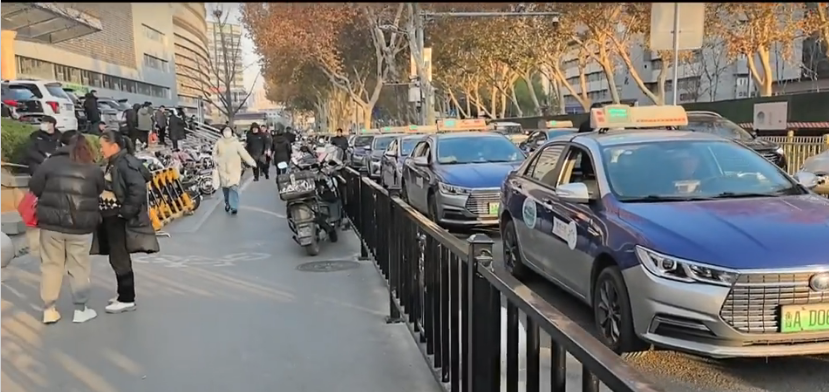
The sheer scale of the problem is staggering. China's vehicle population has surpassed 430 million, yet urban parking spaces number only about 80 per cent of that figure, leaving a national shortfall of more than 80 million spaces. Within this systemic deficit, hospitals represent a particularly acute pressure point. Tertiary hospitals—China's highest-tier medical facilities—bear the brunt of the crisis. According to data from the National Health Commission, the average parking space shortfall at these institutions reaches 40 per cent, with peak-hour satisfaction rates falling below 60 per cent. The numbers tell a stark story: a typical Grade A tertiary hospital handles more than 8,000 daily outpatient visits, with leading facilities in major cities exceeding 20,000. Based on an estimate of one vehicle per three outpatients, this translates into a daily parking demand of 3,000 to 6,000 vehicles. Yet most such hospitals possess only a fraction of that capacity—in one provincial capital, a hospital with just 1,200 spaces faced a daily shortfall of 2,500.
The Sichuan Cancer Hospital offers a case in point. In 2023, the hospital recorded over 760,000 outpatient visits and more than 80,000 inpatient admissions—yet it had only 830 parking spaces available. The result is a daily queue of vehicles stretching nearly 200 metres from the hospital's western gate. Such disparities are not anomalies; they reflect a systemic mismatch between healthcare demand and infrastructure capacity that has worsened as China's automobile ownership has surged over the past two decades.
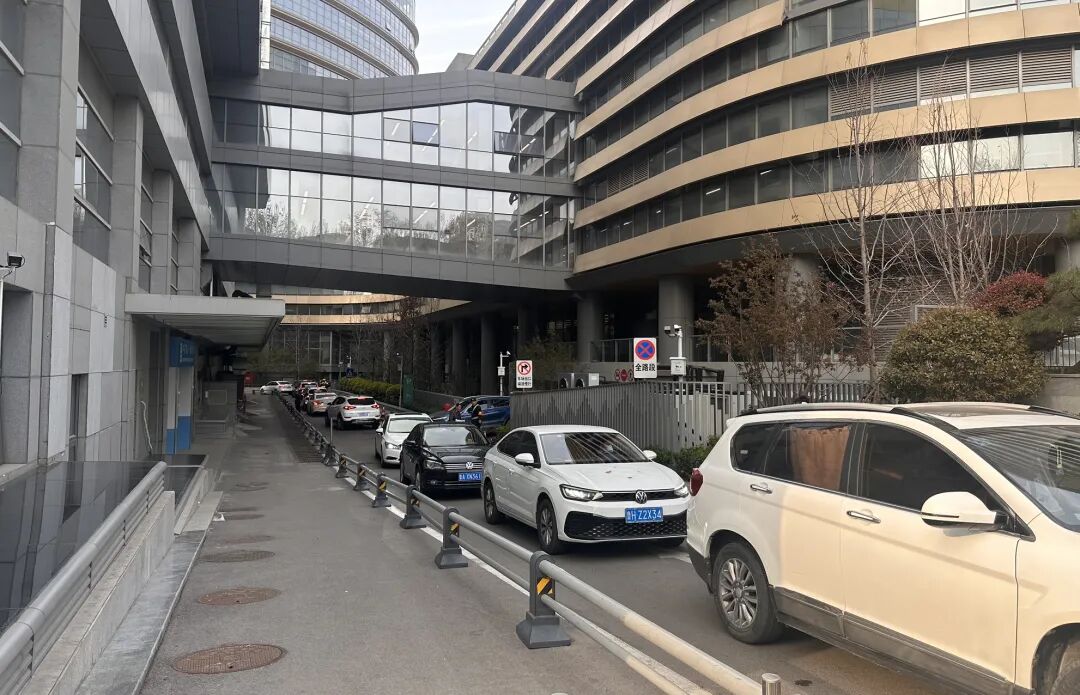
Several interlocking factors explain why hospital parking has become so intractable. The first is historical and spatial: many of China's premier hospitals were established decades ago in city centres, when car ownership was negligible. These institutions were built without underground parking facilities, and the land they occupy—now in some of the most expensive real estate markets in the country—offers little room for expansion. As one observer noted, "the land available for building parking structures is also extremely scarce". The combination of prime urban locations and fixed physical footprints has created a situation in which even aggressive efforts to add spaces cannot keep pace with demand.
Compounding this spatial constraint is the phenomenon of non-patient vehicles occupying hospital lots. Because public hospitals operate under a public-service pricing model, their parking fees are significantly lower than those of surrounding commercial facilities. At Sichuan Provincial People's Hospital, non-patient vehicles accounted for nearly one-third of all parked cars. Similar patterns emerged at other institutions, where non-patients occupied roughly 20 per cent of available spaces. The price differential is substantial: while a commercial parking garage in Chengdu might charge 6 yuan per hour, a hospital just blocks away charges as little as 4 yuan for four hours. This "price" effect actively incentivises commuters, shoppers, and tourists to treat hospital car parks as convenient, low-cost alternatives to market-rate facilities, further squeezing the limited spaces meant for the sick.
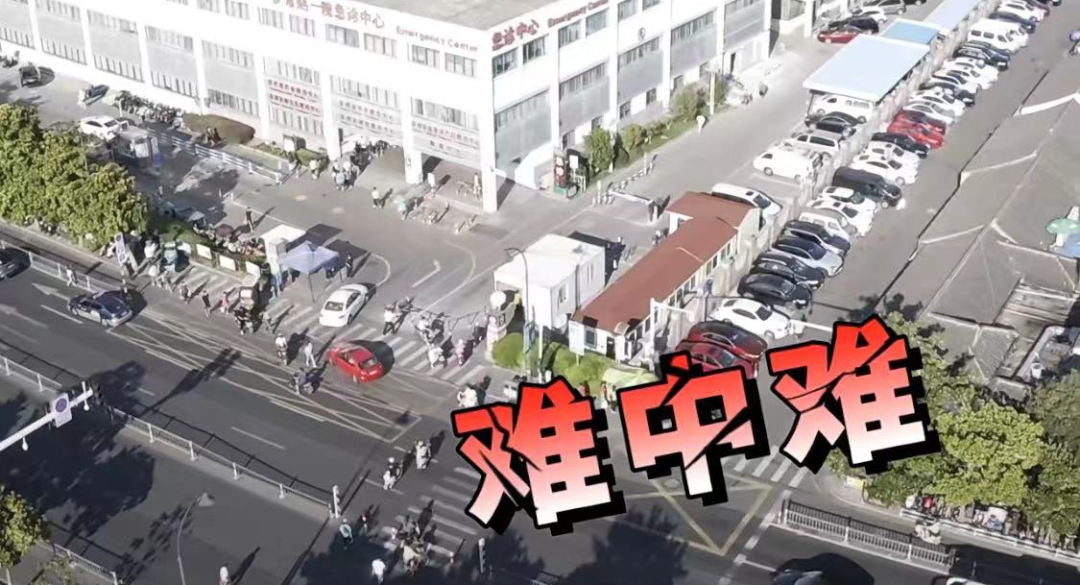
The repercussions of the parking crisis extend far beyond inconvenience. At the most fundamental level, parking delays can compromise patient care. Studies indicate that 12 per cent of emergency and critical patients have experienced delays in receiving treatment because of parking-related issues. For patients with mobility impairments, the elderly, or those in acute distress, being forced to park blocks away and walk to the hospital is not merely an annoyance—it is a genuine barrier to accessing care. The crisis also generates significant economic and social costs. Hospital entrances become choke points that paralyse surrounding street networks. In Guangzhou, city officials have acknowledged that hospital-induced congestion not only inconveniences residents but also impedes economic activity. The problem has even spawned informal economies: at some hospitals, "parking guides" offer to find spaces for desperate patients for a fee of 49 yuan per visit, while others have reported touts gathering outside hospital gates to direct patients to private lots at inflated prices.
For patients themselves, the psychological toll is profound. One patient described circling for over 20 minutes before giving up and parking elsewhere. Another recounted spending 40 minutes waiting just to enter a hospital car park. Perhaps most poignantly, a pregnant woman reported finishing her entire prenatal check-up while her husband was still waiting in the parking queue. Such experiences erode trust in the healthcare system and add emotional strain to what is already a stressful situation.
In response to this mounting crisis, hospitals and governments across China have begun experimenting with a range of solutions. One of the most significant innovations has been the "staff yield" approach, in which hospital employees voluntarily relinquish on-site parking to patients. At Nanchang University's First Affiliated Hospital—a facility handling over 10,000 daily outpatient visits across two campuses—the institution made the radical decision in May 2025 to require all staff to park off-site. The hospital leased 1,700 spaces in nearby commercial car parks, subsidising 70 per cent of the cost for employees. The result was transformative: patients who had previously been unable to find on-site parking could now do so, and queuing times dropped dramatically.
Similar initiatives have emerged nationwide. In Jinhu County, two county-level hospitals increased their parking supply by 58 per cent through a combination of new construction and reconfiguration, bringing total spaces to 1,145. Traffic flow efficiency improved by 30 per cent, peak-hour congestion shortened by an average of 15 minutes, and average parking search time fell to just five to ten minutes. In Beijing, comprehensive traffic management efforts at 22 major hospitals have yielded measurable results: at Friendship Hospital's Tongzhou campus, the surrounding traffic congestion index dropped by 20.7 per cent.
Technology is also playing an increasingly important role. Smart parking systems incorporating licence plate recognition, real-time space availability displays, and integrated mobile payment have been deployed at numerous hospitals. At Binzhou Medical University Hospital, a smart management system reduced average parking search time from 20 minutes to just five. More advanced solutions, such as automated guided vehicle (AGV) robotic parking systems, have been installed at some facilities—Shandong University's Qilu Hospital now operates a 128-space AGV garage that handles the entire parking process automatically once the driver leaves the vehicle.
Pricing reform has emerged as another critical tool. Recognising that below-market rates attract non-patient vehicles, many jurisdictions have introduced differential pricing that charges higher rates to non-patients while offering generous concessions to those seeking medical care. Under these schemes, patient vehicles typically receive two hours of free parking, after which they pay a modest fee, while non-patient vehicles receive only 30 minutes of free time and face substantially higher hourly rates. In Jinan, for example, patient parking at Qilu and Shandong Provincial hospitals caps at 45 yuan per day, while non-patient parking is priced to discourage long-term occupancy. The logic is straightforward: by aligning prices with policy objectives, hospitals can reserve scarce spaces for those who truly need them.
Yet for all these efforts, fundamental challenges remain. The parking shortage is, at its core, a symptom of deeper structural issues in China's healthcare and urban planning systems. As long as premier medical resources remain concentrated in a relatively small number of large urban hospitals, patients will continue to travel long distances by car to access care. The solution, many experts argue, lies not only in building more parking but in rethinking the distribution of healthcare itself. Strengthening primary care, expanding telemedicine, and developing hospital networks with distributed campuses could reduce the pressure on flagship facilities and, by extension, on their parking lots.
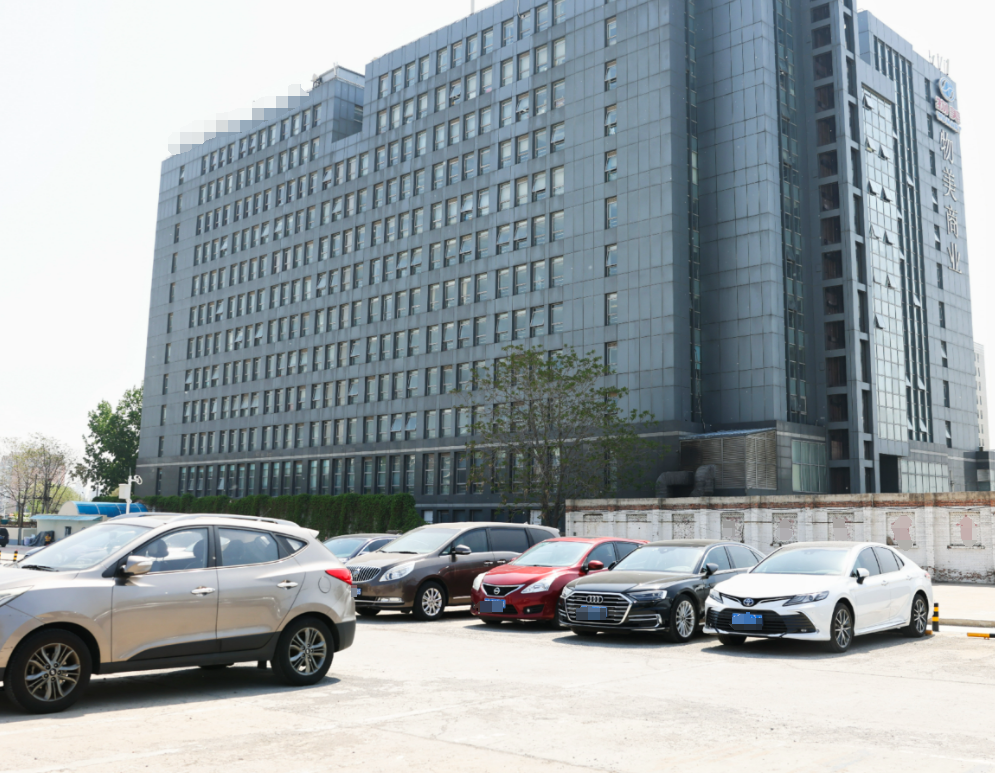
Additionally, there is growing recognition that simply adding parking spaces is not a sustainable answer. As one industry expert noted at the 2025 Hospital Parking Symposium, "parking space allocation standards should not be increased indefinitely". Instead, a diversified approach combining traffic planning, refined operations, and external coordination is needed. This might include better public transport connections to hospitals, park-and-ride schemes, and shared parking arrangements with neighbouring commercial or residential properties.
The hospital parking crisis in China is a vivid illustration of how infrastructure development can lag behind rapid social change. In the space of a single generation, China has transformed from a nation of cyclists to one of car owners, yet the physical fabric of its cities—and particularly its hospitals—has not kept pace. The consequences are measured not only in hours wasted in traffic but in delayed treatments, added stress, and diminished trust in institutions meant to heal.
The good news is that awareness of the problem has never been higher. Governments at all levels are prioritising the issue, and innovative solutions are being tested and refined. The challenge ahead lies in scaling these experiments into systemic change—and in recognising that, in the end, the goal is not merely to create more parking spaces but to ensure that the journey to receive medical care is as smooth and dignified as the care itself. Until that vision is realised, however, millions of Chinese patients will continue to start their healthcare experience not with a diagnosis, but with a desperate search for a place to park.

