


As a global metropolis committed to public health protection, Hong Kong has established one of the world's most rigorous regulatory systems for cigarette packaging, setting a benchmark for tobacco control across international regions. Unlike many Western countries that allow branded designs and subtle decorative elements on tobacco products, Hong Kong enforces strict packaging rules centered on plain design and prominent health warnings, aiming to curb tobacco consumption, especially among young people, and reduce the public health risks caused by smoking. These regulations, continuously updated and optimized through local legislation, reflect the region's firm stance on prioritizing community well-being over commercial tobacco interests.
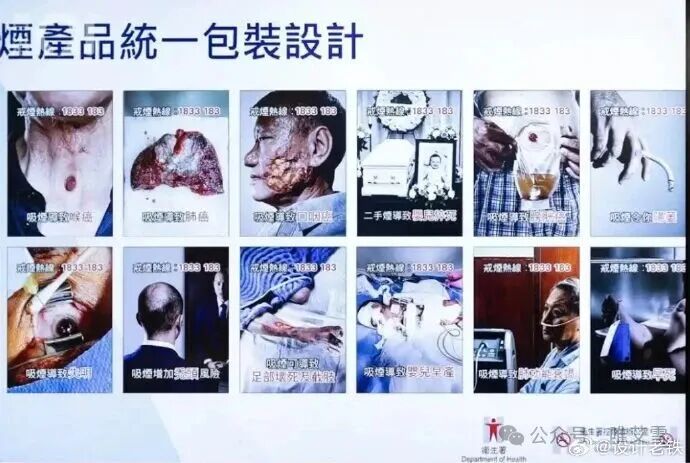
Hong Kong's cigarette packaging regulations are rooted in the Smoking (Public Health) Ordinance, a comprehensive legal framework that has undergone repeated revisions to strengthen tobacco control effects. The most groundbreaking reform took place in 2026, when new legislative amendments officially introduced standardized plain packaging for all traditional tobacco products sold in the region. Under these new rules, all cigarette packs are prohibited from displaying colorful graphics, decorative patterns, eye-catching brand logos, or promotional slogans that could enhance product appeal. Instead, tobacco packages adopt a uniform, dull base color with minimalist layouts, completely stripping away the commercial marketing attributes of cigarette packaging. This policy aligns with successful tobacco control practices implemented in 27 countries and regions worldwide, proving that simplified packaging can effectively reduce the attractiveness of tobacco products to potential smokers.
A core feature of Hong Kong's cigarette packaging requirements is the mandatory display of large, vivid health warnings, which occupies the majority of the pack's surface area. Different from the small, text-only warnings commonly seen on cigarette packages in the United States and the United Kingdom, Hong Kong specifies that health warnings must be printed on the two largest surfaces of every cigarette pack, with the front carrying Chinese warnings and the rear displaying corresponding English versions to cover both local and international readers. In the 2026 regulatory update, the government refreshed its 8-year-old warning content, launching 12 sets of updated health alerts. These warnings no longer merely state general smoking hazards but present specific and intuitive consequences, including physical disfigurement, chronic disability, respiratory failure, and harm to family members and future generations. Every warning is framed with clear black borders and printed in standardized fonts, ensuring high visibility and readability for people of all ages. Additionally, all packs must print the official quit smoking hotline “1833 183” alongside the warnings, providing immediate support channels for smokers willing to quit.
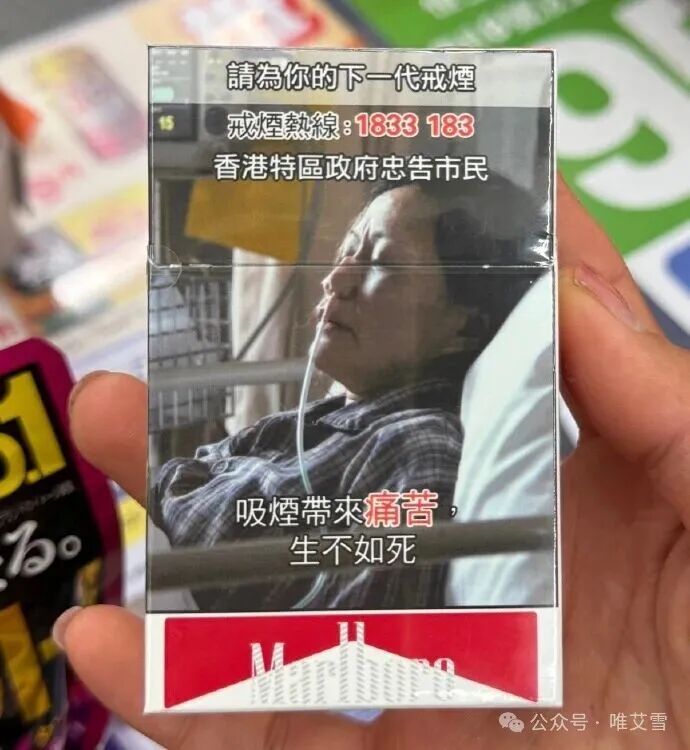
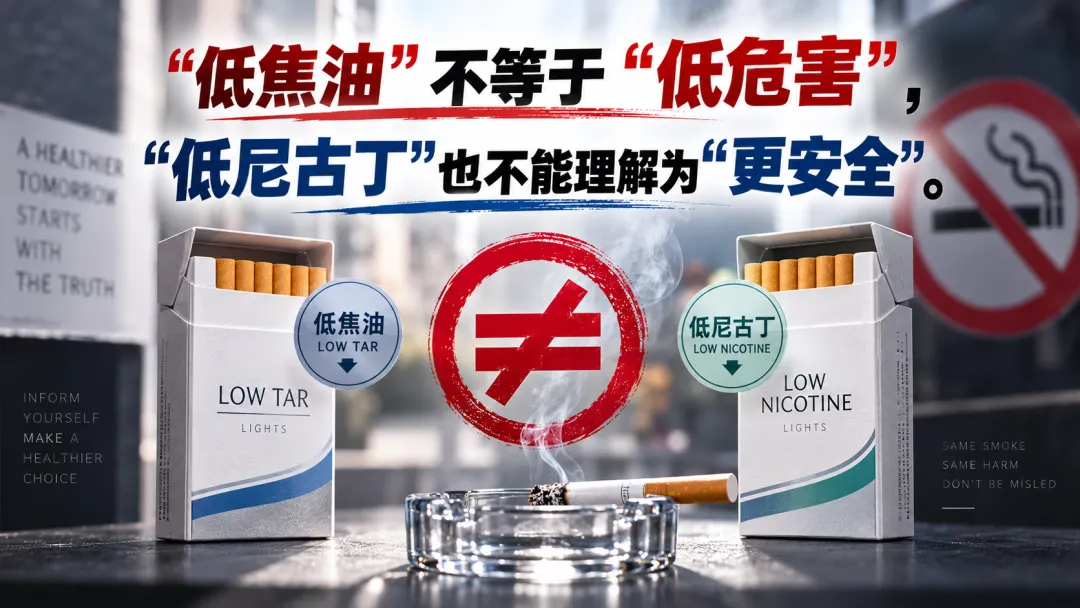
Beyond health warnings and plain design, Hong Kong imposes detailed standardized requirements for all printed information on cigarette packaging. Tobacco manufacturers are only permitted to display limited legal content on packages, including official brand names, product origin marks, traceability identifiers, and standardized tar and nicotine yield data. All technical indicators such as tar and nicotine content must be printed on the side of the pack in fixed fonts and sizes, avoiding any exaggerated or misleading descriptions. The manufacturing date is also required to appear once on each retail package with specified bold font styles for English letters and numbers, ensuring full transparency of product information. Strict laws ban any words or patterns that imply cigarettes are low-harm, mild, or high-quality, eliminating misleading marketing tactics that trick consumers into underestimating smoking risks.
The implementation of strict cigarette packaging regulations has yielded remarkable public health outcomes in Hong Kong. By removing decorative designs and prominent brand visuals, plain packaging greatly weakens the brand appeal of cigarettes, effectively preventing tobacco companies from conducting subtle marketing through packaging aesthetics. This restraint is particularly significant for teenagers and young adults, who are more susceptible to trendy packaging designs and brand culture. The graphic and detailed health warnings continuously expose the severe health consequences of smoking, helping the public form a clear and sober understanding of tobacco hazards over time. Meanwhile, the unified and standardized packaging system also facilitates government supervision and market management, effectively curbing illegal tobacco sales and counterfeit cigarette circulation in the retail market.
Internationally, Hong Kong's tobacco packaging policies demonstrate a progressive and people-centered approach to public health governance. While some Western regions balance commercial freedom and tobacco control with relatively lenient packaging rules, Hong Kong insists on putting public health first, sacrificing the commercial beautification of tobacco products to protect the long-term health of its residents. This regulatory model has provided valuable references for global tobacco control, proving that standardized packaging and prominent health warnings are practical and effective measures to reduce smoking prevalence.

In conclusion, Hong Kong's cigarette packaging regulations represent a scientific, systematic, and forward-looking public health policy. Through plain packaging design, mandatory visualized health warnings, and standardized information disclosure rules, the region effectively suppresses tobacco marketing, disseminates anti-smoking knowledge, and safeguards public health. As Hong Kong continues to update its tobacco control legislation and optimize packaging standards, it will further consolidate its leading position in global tobacco control, contributing more experience and wisdom to international public health cooperation and anti-tobacco campaigns.

