


Every November, a shopping phenomenon unfolds across China on a scale that has no precise equivalent in the Western retail calendar. On 11 November—a date written as 11.11, whose four solitary digits once signified singledom—hundreds of millions of consumers open apps, fill digital carts, and collectively generate sales that dwarf the combined totals of Black Friday and Cyber Monday. In 2025, the extended Double 11 campaign produced approximately 1.695 trillion yuan in online sales, a year-on-year increase of 14.2 percent, according to third-party estimates. For an outside observer, the obvious question is not whether Double 11 is large, but what it actually represents: a discount festival, a technological arms race, a barometer of Chinese consumer sentiment, or something less flattering—a ritual of excess with costs that are easier to ignore than to measure. The answer, as the festival enters its second decade and a half, is that it is all of these at once, and that its evolution tracks the broader transformation of China's retail economy more closely than any single corporate report could.
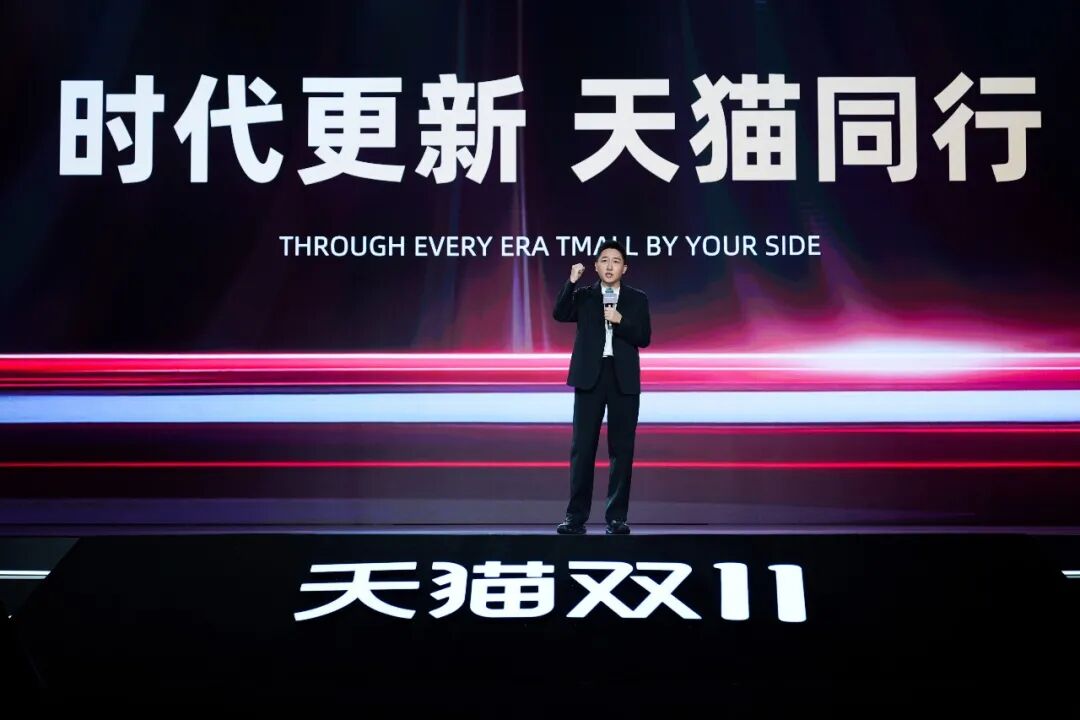
The origins of Double 11 are often told as a marketing fable, but the prehistory matters. In the early 1990s, students at Nanjing University in eastern China began marking 11 November as a playful counter-Valentine's Day for unmarried young people, choosing the date because the four "1"s resembled four unattached individuals. The informal holiday, known as Singles'Day, remained a campus curiosity for more than a decade. Its commercial conversion came in 2009, when Zhang Yong, then general manager of Taobao Mall—the platform later renamed Tmall—was searching for a way to lift transaction volume. He selected 11 November for a one-day, site-wide discount event. Only 27 brands participated, yet sales reached 52 million yuan, roughly $7.1 million at the time, overnight. The following year, the figure jumped to 936 million yuan, and the template was set: a manufactured shopping occasion, anchored to a date with cultural resonance, capable of compressing months of retail demand into a single promotional window.

What followed over the next fifteen years was not merely growth but a transformation in the architecture of Chinese e-commerce. Alibaba's early dominance gave way to a competitive field in which JD.com, Pinduoduo, Douyin, and Kuaishou each built distinct positions. By 2025, Tmall and Taobao still held more than half of the market, but JD.com accounted for 18.9 percent, Pinduoduo for 14.8 percent, and Douyin for 12.2 percent, according to Analysys data. The rise of Douyin—the Chinese counterpart of TikTok—is particularly instructive. Its entry into Double 11 signaled the convergence of content, entertainment, and commerce: livestream hosts demonstrate products in real time, viewers purchase without leaving the video feed, and the boundary between advertising and entertainment dissolves. The festival is no longer a contest among shopping platforms alone; it is a contest among attention platforms, logistics networks, and payment ecosystems.

The mechanics of the promotion have also changed in ways that reveal shifting consumer expectations. For years, Double 11 was associated with elaborate discount rules—cross-store spending thresholds, stacked coupons, and pre-sale deposits that required consumers to perform arithmetic before they could determine a final price. That complexity became a liability. In 2025, Tmall replaced the familiar "spend X to receive Y" mechanism with a simpler structure: an official discount of at least 15 percent off, supplemented by platform-wide consumption vouchers and category-specific coupons. The pre-sale model, introduced by Tmall in 2014 to give merchants greater certainty over inventory and logistics, remained in place, but the overall message was one of simplification. The festival's organizers had absorbed a lesson that Western retailers are also confronting: consumers will tolerate complexity only when the perceived savings are large enough, and after more than a decade of promotional noise, the perceived savings were no longer sufficient to justify the effort.
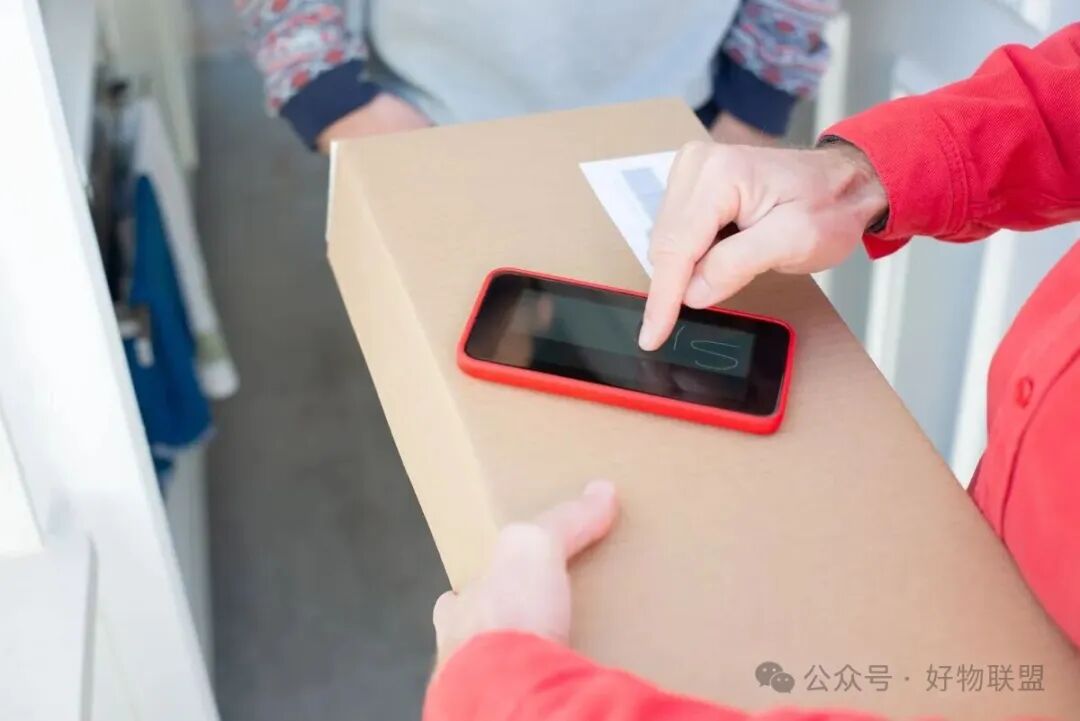
Beneath the discount mechanics, a subtler shift in consumer behavior has been underway. The conventional image of Double 11 is one of impulsive, price-driven purchasing, but survey evidence from recent years points toward a more deliberate pattern. Consumers increasingly describe their approach as "rational" and "needs-based," buying in bulk only what they genuinely require and paying closer attention to product value rather than nominal discounts. Domestic brands have benefited disproportionately from this shift. In beauty, Proya, a Chinese skincare company, has ranked at the top of Tmall's sales charts; in apparel, domestic names occupy the majority of top-ten positions. In home appliances, the share of consumers who prioritize domestic brands rose from 55 percent in 2021 to 69 percent in 2025; in beauty and skincare, the corresponding figure climbed from roughly 12 percent to 43 percent. These numbers do not mean that foreign brands have been displaced, but they do indicate that the "national trend" in consumption is not a marketing slogan. It reflects a generation of consumers for whom quality and cultural familiarity are not opposing considerations.
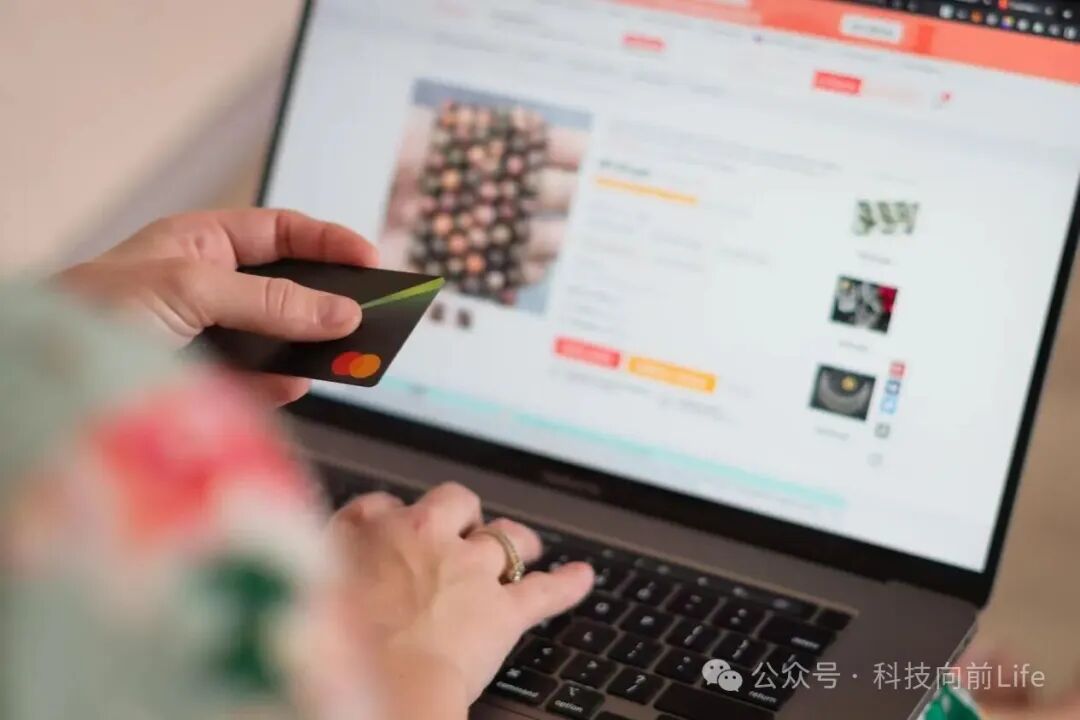
The most consequential development, however, may be Double 11's outward expansion. For most of its history, the festival was a domestic affair, with international participation limited to overseas brands selling into China. That asymmetry is now eroding. In 2025, Taobao launched simultaneous Double 11 promotions in twenty countries and regions, offering interfaces and services in Chinese, English, Russian, Thai, and Malay. Daily order volumes from overseas users grew by double digits, and in nine key markets the year-on-year increase in daily ordering users exceeded 20 percent. The festival is beginning to function less as a Chinese export to overseas consumers and more as a genuinely transnational retail event, with logistics and payment infrastructure adapting to cross-border demand. This matters for foreign observers because it suggests that the promotional logic pioneered by Alibaba—compressed urgency, gamified engagement, and platform-coordinated discounts—is not culturally bounded. It is exportable, and it is being exported.

Yet the same scale that makes Double 11 remarkable also makes its externalities difficult to overlook. The environmental footprint of the festival has been documented for years. Greenpeace estimated that the 2016 edition generated 258,000 tonnes of carbon dioxide emissions, equivalent to what 2.58 million trees would absorb in a year. Packaging waste is the most visible symptom: China's courier industry consumed tens of billions of plastic bags, woven bags, and cardboard boxes annually even before the festival's most explosive growth years, and Double 11 concentrates that consumption into a few weeks of peak intensity. Returns add another layer. Patagonia's Tmall store reported that during a recent Double 11, nearly 70 percent of its shipped orders were returned, producing roughly 200 tonnes of carbon emissions from reverse logistics alone. Not all returns are frivolous—sizing uncertainty and discrepancies between product listings and delivered goods are structural features of online apparel retail—but the aggregate effect is a festival whose logistical efficiency is matched by a corresponding inefficiency in reverse flows.
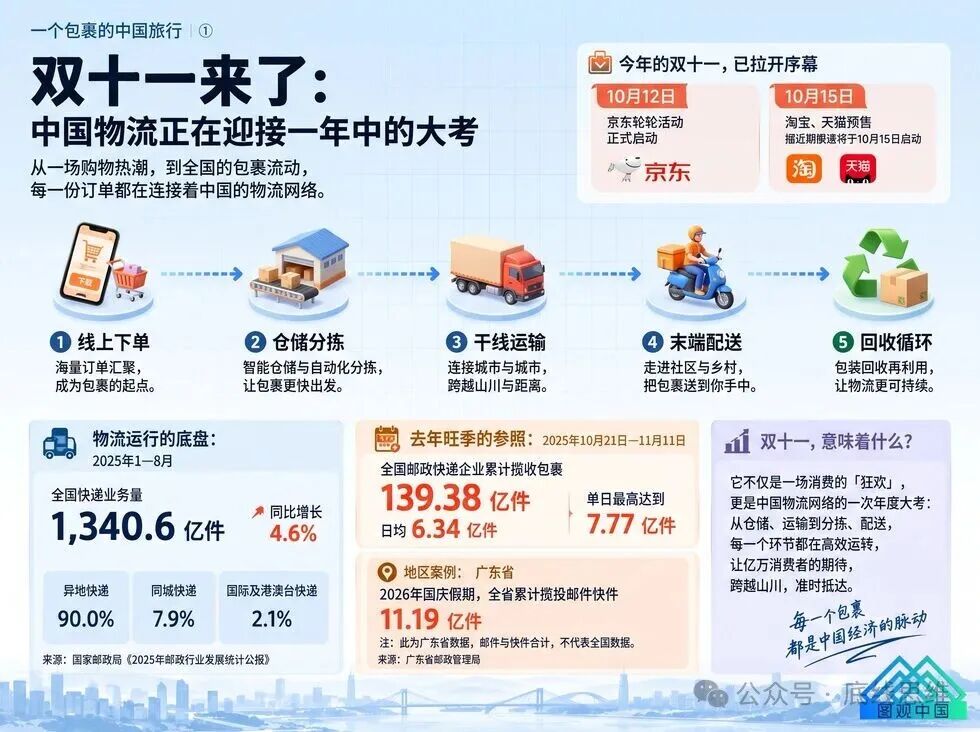
These criticisms are not unique to Double 11. Black Friday and Cyber Monday generate their own packaging mountains, carbon emissions, and post-purchase regret. What distinguishes Double 11 is concentration and visibility: a single, coordinated event, orchestrated by a handful of platforms, producing environmental and social effects at a scale that is impossible to disperse or ignore. The Chinese regulatory environment has begun to respond. In 2025, the State Administration for Market Regulation issued compliance guidance ahead of the festival, targeting deceptive pricing, fabricated discounts, and misleading livestream claims. The guidance reflects a recognition that a promotional event of this magnitude requires rules that go beyond consumer protection and touch on the integrity of the pricing signal itself.
For a foreign audience accustomed to thinking of China's e-commerce as a distant and somewhat opaque system, Double 11 offers an unusually legible entry point. It is a festival with a clear origin story, a measurable scale, and a visible trajectory of change. It began as a student joke, became a corporate experiment, matured into a national ritual, and is now testing whether its model can travel beyond China's borders. The 2025 edition, with its simplified discounts, its AI-assisted recommendations, its instant-retail integrations, and its twenty-market international footprint, suggests that the next phase of Double 11 will be defined less by raw growth than by questions of sustainability, credibility, and global adaptability. Those are not questions that can be answered by a single sales figure. They are the questions that any mature retail ecosystem—Chinese, American, or European—must eventually confront. Double 11 simply confronts them first, and at a volume that makes the rest of the world pay attention.

