


Every year, as the sweltering heat of summer begins to recede and the first cool breezes of autumn sweep across China, something remarkable happens on the country's social media platforms. WeChat Moments, Weibo, Xiaohongshu, and Douyin suddenly fill with photographs of plastic cups filled with creamy, tapioca-studded beverages, accompanied by a now-familiar caption: "The first cup of milk tea in autumn". What began as a spontaneous online gesture in September 2020 has, over the course of six years, evolved into what many now call the "milk tea industry's Double Eleven" — an annual consumer ritual that sees millions of people across the nation ordering, receiving, or gifting this beloved drink on the day of Liqiu, the traditional Chinese solar term marking the beginning of autumn.
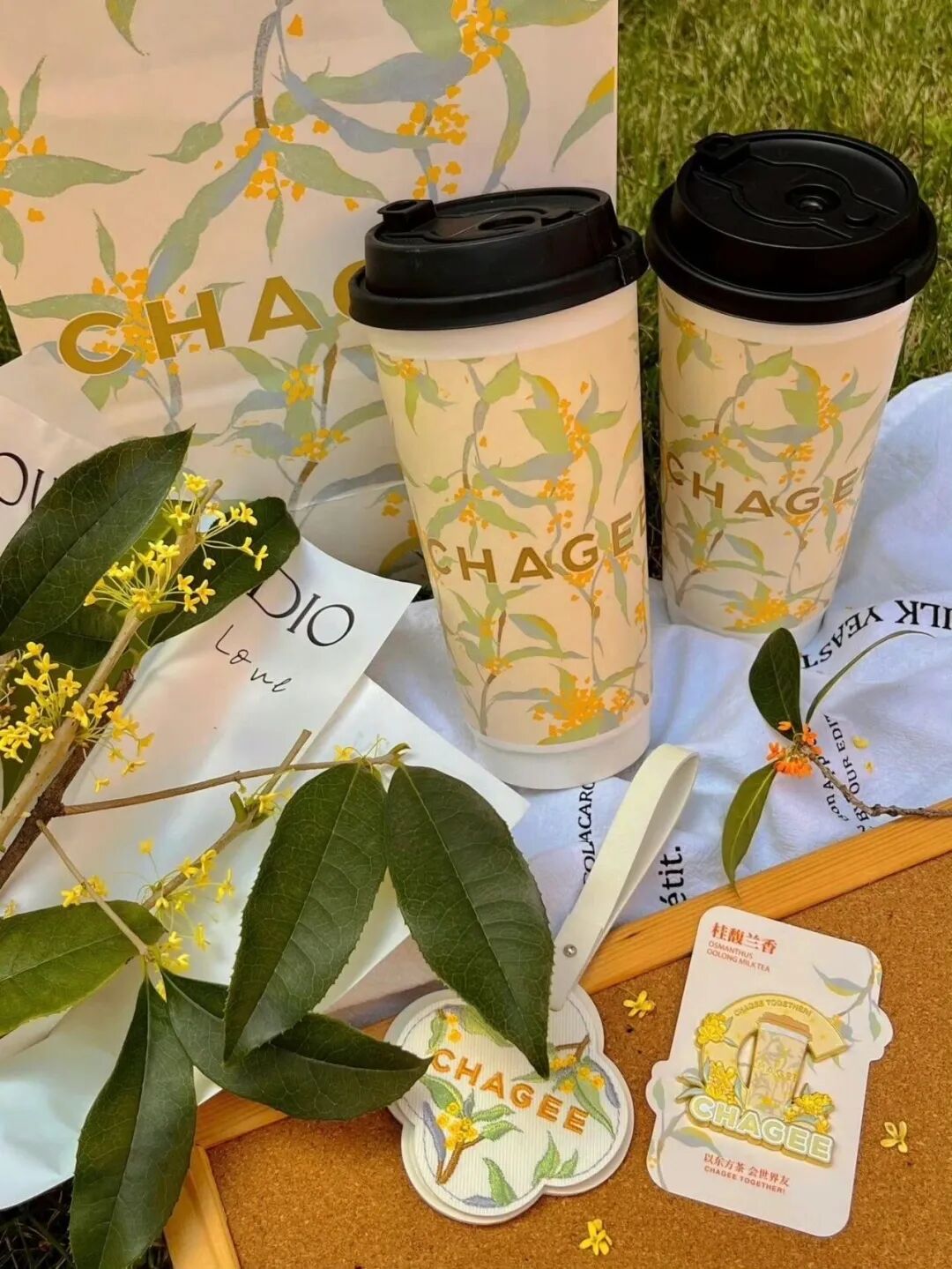
The phenomenon traces its origins to a single, unassuming screenshot that circulated on WeChat in late September 2020. A young woman posted a picture of a conversation with her boyfriend, in which he had sent her a digital red packet containing exactly 52.0 yuan, with the note: "For the first cup of milk tea in autumn". The number 52, pronounced wǔ-èr in Mandarin, is a homophone for wǒ ài nǐ — "I love you". The gesture was simple, inexpensive, and deeply personal: a small monetary gift, wrapped in the seasonal metaphor of warmth and care, offered as proof that someone was thinking of another as the weather turned cold. Within hours, the image spread like wildfire across social platforms, sparking countless imitations. Couples, friends, and even family members began sending one another 52-yuan red packets with the same affectionate note, turning a private moment of tenderness into a public, participatory trend.
What made the trend truly take off, however, was not merely its romantic appeal but its remarkable capacity to transcend its original context. In the same month that the meme first appeared, a police officer in Dazhou, Sichuan Province, used the phrase to talk a young woman out of attempting suicide. Approaching her with the simple, disarming offer of "Let me buy you the first cup of milk tea in autumn," the officer transformed a lighthearted internet joke into a gesture of genuine human compassion and life-affirming kindness. This act of empathy resonated deeply with the public, elevating the meme from a fleeting online fad to something far more meaningful. By the end of 2020, "the first cup of milk tea in autumn" had been officially recognised as one of the year's top ten internet catchphrases by China's National Language Resources Monitoring and Research Centre.
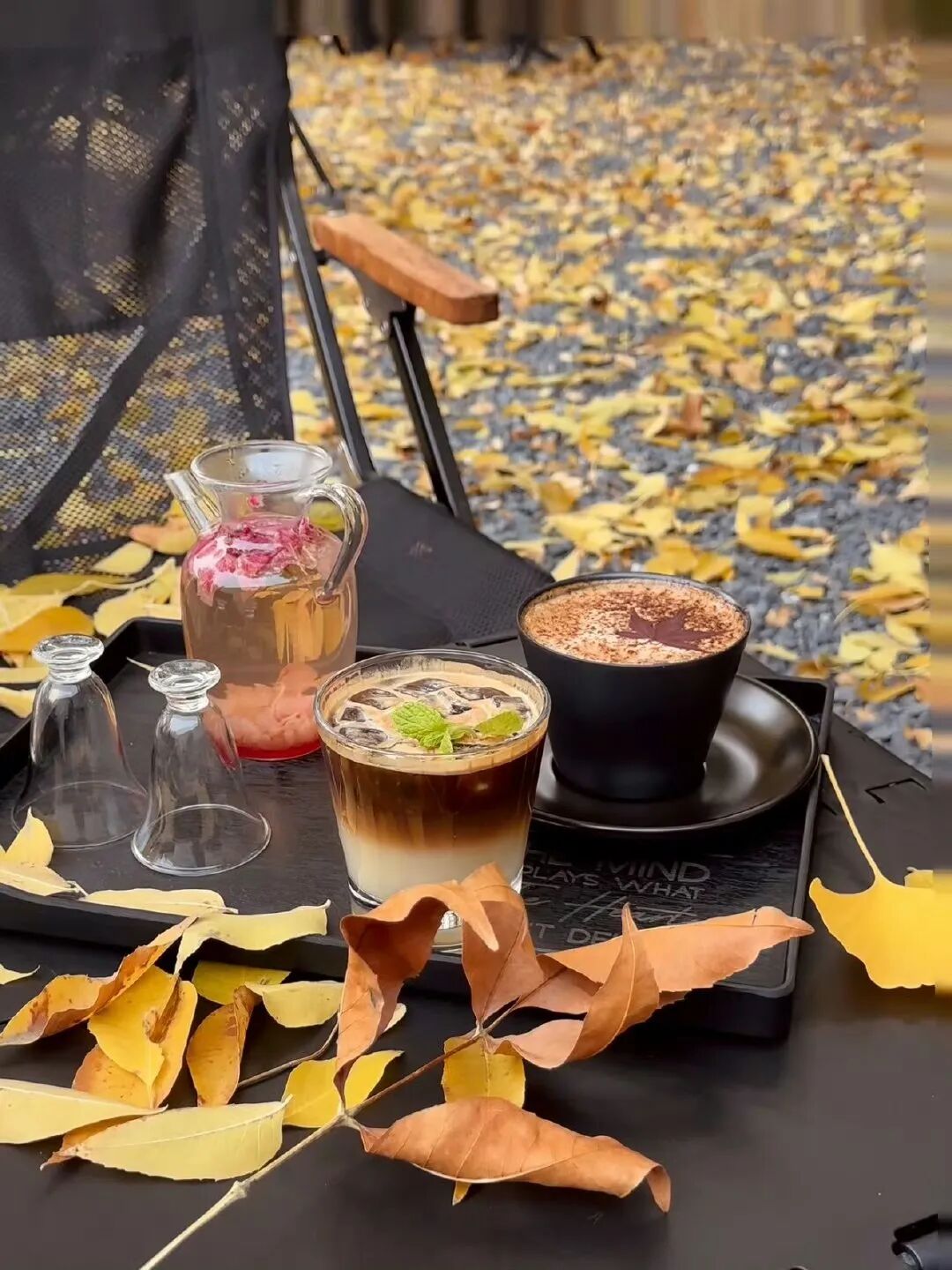
At its core, the enduring appeal of this ritual lies in what it offers to participants: a low-cost, high-return emotional experience. For young urban consumers, particularly those belonging to Generation Z, a cup of milk tea priced at fifteen or twenty yuan represents one of the most accessible forms of emotional consolation available. In a society marked by rapid urbanisation, intense work pressures, and increasingly digital forms of social interaction, the simple act of sending or receiving a seasonal beverage provides a moment of connection that feels both personal and communal. As one netizen put it, "Twenty yuan for a cup of milk tea buys a little slice of happiness at the turn of the seasons". The ritual is not about the drink itself, but about the feeling of being remembered, cared for, and valued by someone else. It transforms an ordinary commodity into a vessel for affection, a tangible symbol of interpersonal warmth in a world that often feels increasingly impersonal.
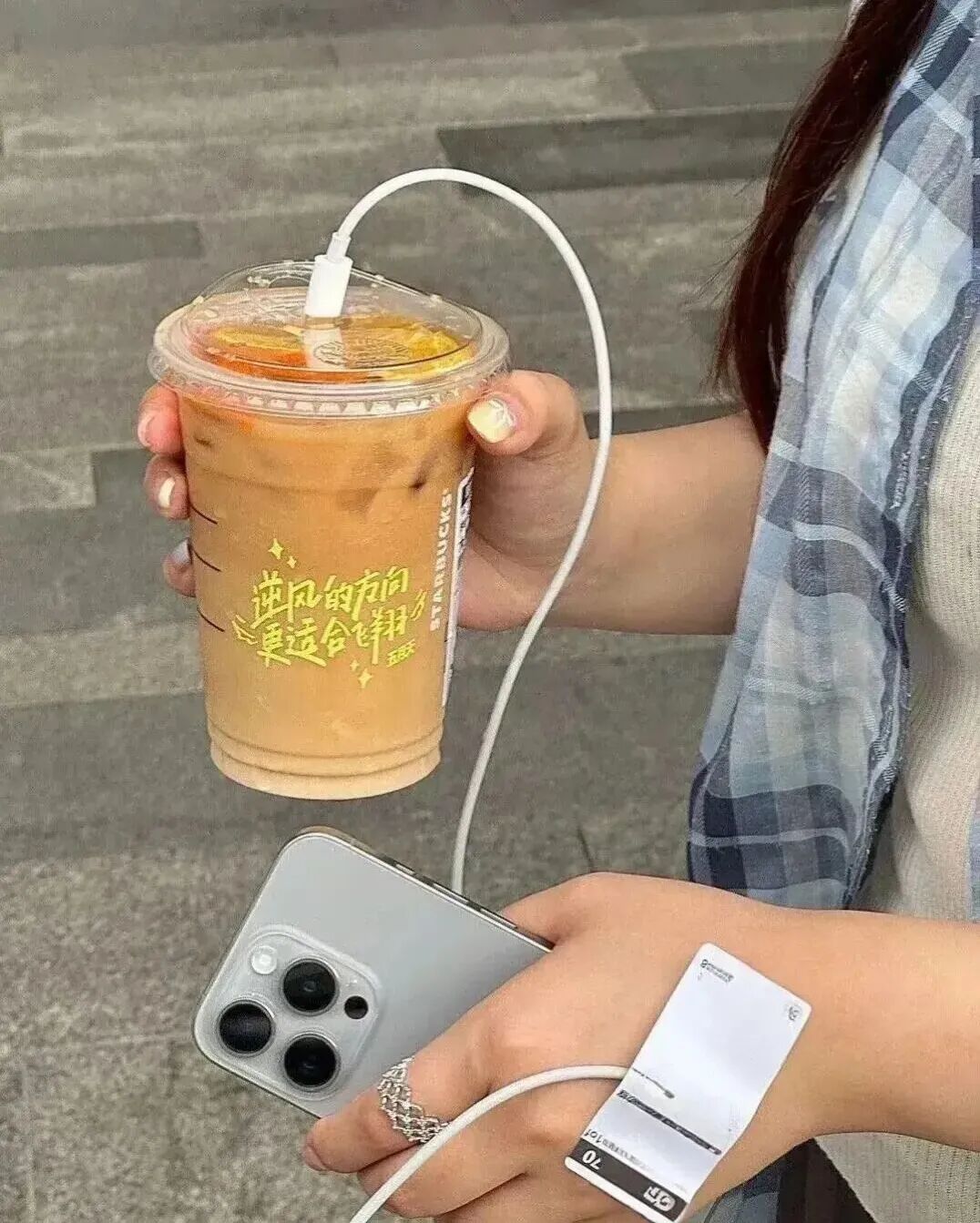
The phenomenon also functions as what sociologists might call a form of "social currency." Posting a screenshot of a received red packet or a photograph of a cup on social media is not merely documentation — it is a performance of belonging. It signals to one's social circle that one is loved, that one participates in the collective mood of the moment, and that one is attuned to the rhythms of contemporary digital culture. The act of sharing transforms a private exchange into a public declaration, inviting likes, comments, and further exchanges that reinforce social bonds. In this sense, the first cup of milk tea in autumn is less about hydration or even taste than about participation in a shared emotional experience that momentarily unites millions of strangers in a common, light-hearted celebration of the changing season.
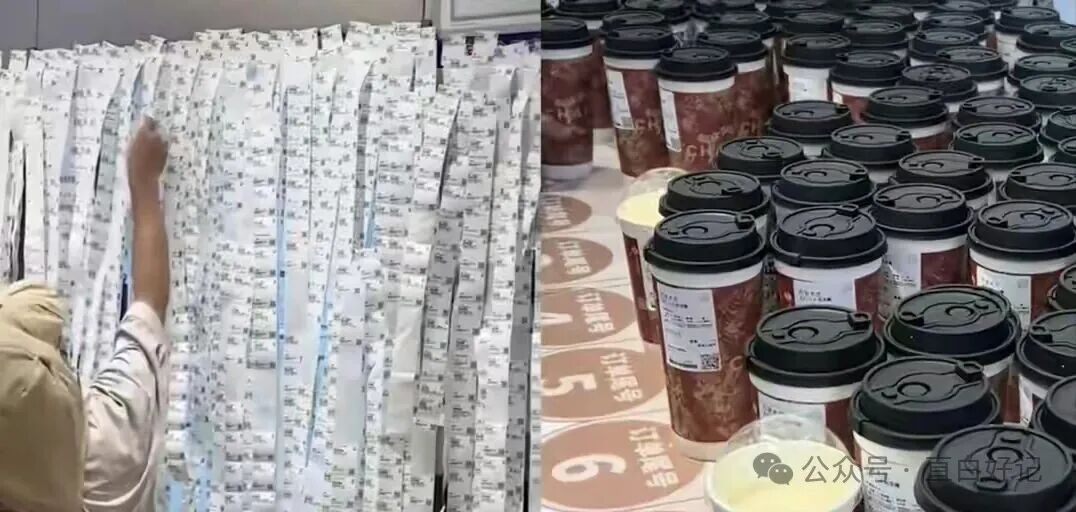
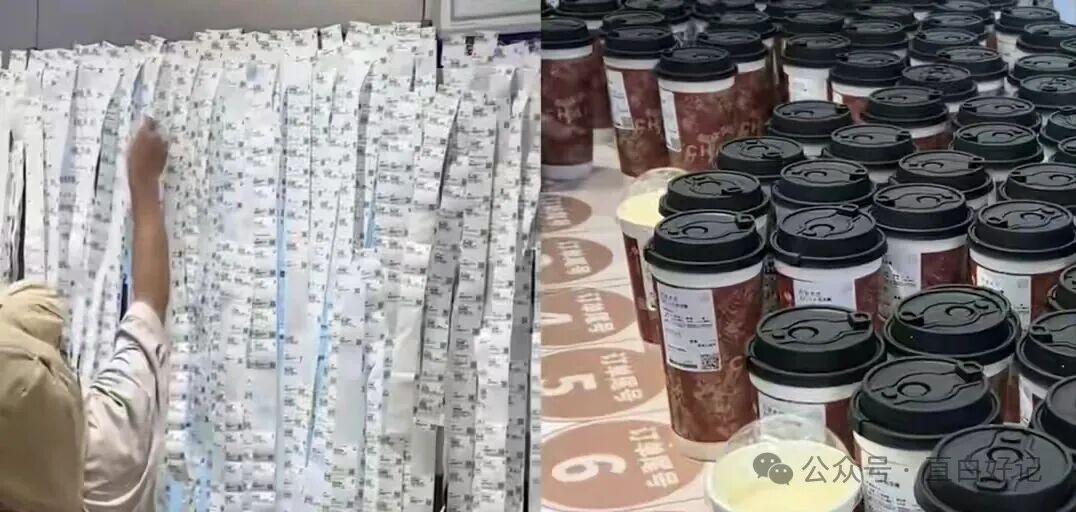
Unsurprisingly, the commercial world has not been slow to recognise the potential of this annual ritual. What started as an organic, grassroots phenomenon has become a carefully orchestrated marketing event of considerable scale. Milk tea brands now prepare months in advance for Liqiu, launching limited-edition seasonal flavours, special packaging, and elaborate promotional campaigns. In 2026, some brands went so far as to offer customers the chance to win gold bullion or even automobiles through lottery-style promotions. Major delivery platforms such as Meituan and Ele.me join the fray with discounts, subsidies, and exclusive offers, while individual stores report order backlogs of hundreds or even thousands of cups. In some cities, wait times for a single cup of milk tea on Liqiu day can stretch to three hours or more. The scale of the phenomenon is staggering: in 2025 alone, more than 100 tea brands and 250,000 beverage outlets participated in Liqiu promotions on Meituan's platform. The "first cup of milk tea in autumn" has, in effect, become the beverage industry's equivalent of Black Friday — a fixed date on the commercial calendar that guarantees a surge in consumer spending and media attention.
Yet the phenomenon is not without its critics and complications. The explosive demand on Liqiu day places immense strain on retail staff, delivery riders, and supply chains. Store employees work under extreme pressure, struggling to fulfil orders that arrive faster than they can be prepared; delivery riders face punishing schedules and heightened safety risks as they race against time. Some commentators have pointed out that the burden of this manufactured consumer falls disproportionately on low-wage workers, while brands reap the majority of the profits and publicity. There is also a certain irony in the fact that a gesture originally meant to express care and consideration can, in its commercialised form, create conditions of stress and exhaustion for those who make the ritual possible. As one observer noted, the phenomenon has produced its own victims: the overworked staff and riders who bear the cost of the public's desire for seasonal sentiment.
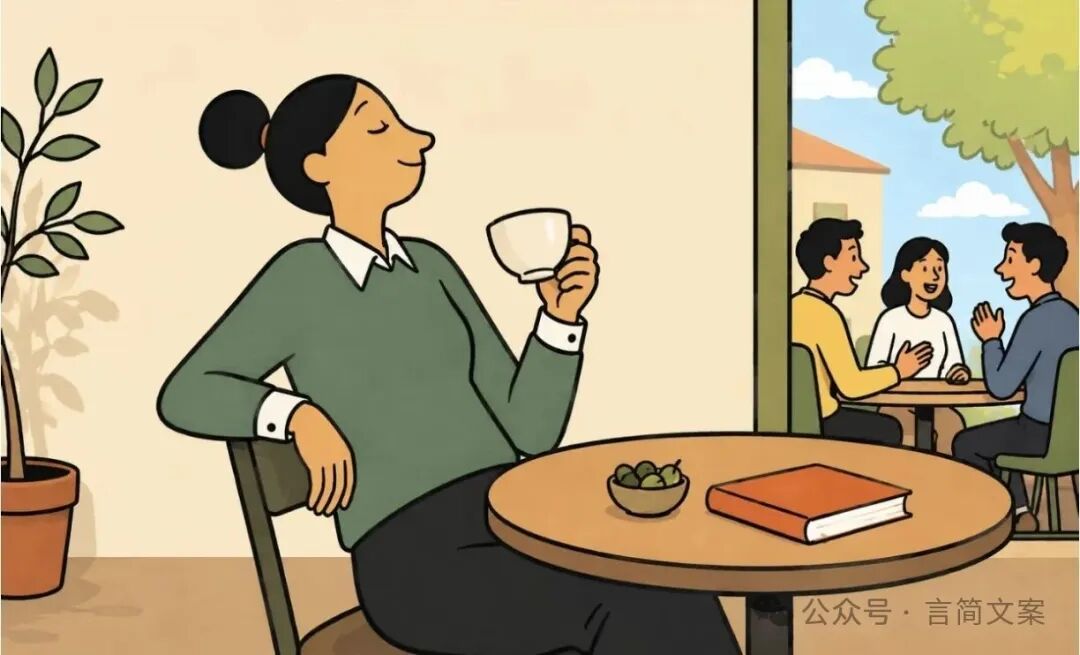
Beyond these practical concerns, the ritual also raises interesting questions about the nature of contemporary Chinese consumer culture and the growing importance of what analysts have termed the "emotion economy". The willingness of young consumers to spend money not on goods or services in any utilitarian sense, but on the emotional satisfaction derived from participation in a shared cultural moment, reflects a broader shift in spending patterns. Research suggests that more than 40 per cent of consumers are now willing to pay a premium for products that offer emotional value. The first cup of milk tea in autumn is a quintessential example of this trend: consumers are not buying a beverage so much as buying into a feeling, a sense of connection, and a moment of collective joy. It is a form of consumption that is as much about identity and belonging as it is about material acquisition.
Interestingly, the ritual has also begun to spawn offshoots and variations. Some people now celebrate the "first cup of coffee in autumn" or the "first bouquet of flowers in autumn," extending the logic of the original meme to other categories of goods. Others have adapted the practice for different relationships: where the original trend was primarily romantic, it now encompasses friendships, familial bonds, and even professional relationships, with colleagues buying奶茶 for one another or employers surprising staff with seasonal treats. This broadening of the ritual's scope suggests that its underlying appeal is not tied to any specific product or relationship type, but rather to the universal human desire to mark the passage of time with small, meaningful gestures of care.
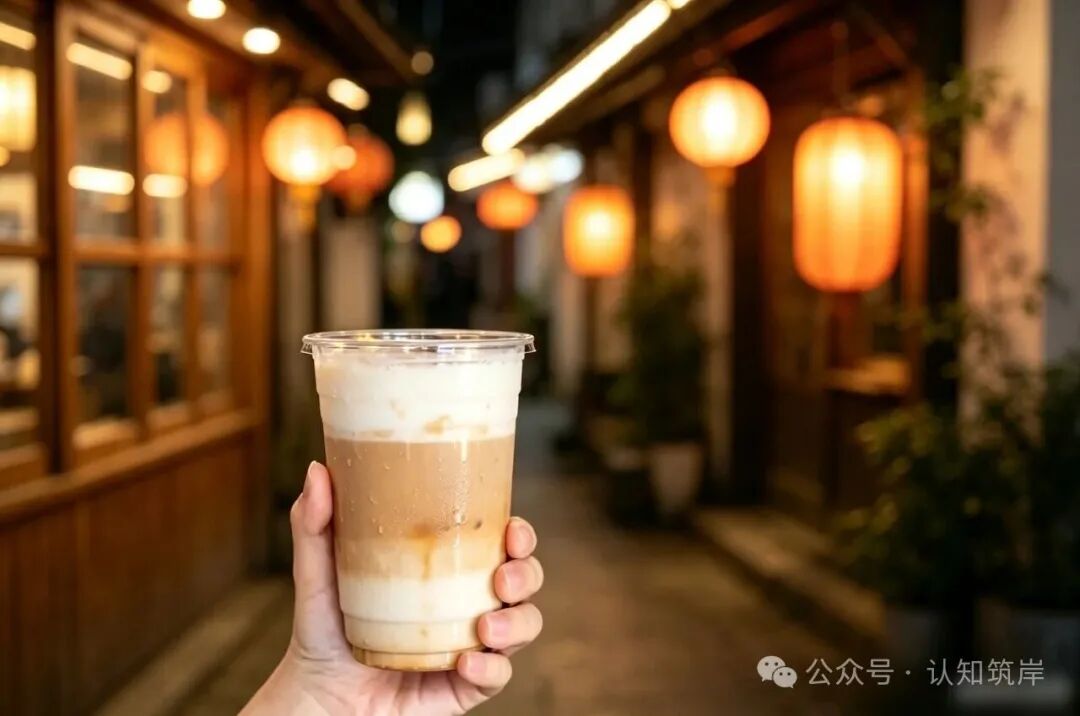
For foreign observers, the phenomenon of the first cup of milk tea in autumn may at first appear puzzling — a curious example of internet culture run amok, perhaps, or evidence of Chinese consumers' love affair with sweetened beverages. Yet to dismiss it as mere frivolity would be to miss its deeper significance. In a society that has undergone extraordinary economic and social transformation over the past several decades, traditional seasonal rituals have often been lost or forgotten. The first cup of milk tea in autumn fills a void, offering a new, distinctly contemporary way to mark the change of seasons — one that is accessible, democratic, and rooted in the digital platforms that now mediate so much of daily life. It is, in its own way, a form of modern folklore: a ritual invented not by any authority or institution, but by millions of individuals participating in a shared, spontaneous act of seasonal celebration.
Six years after that first screenshot appeared on WeChat, the first cup of milk tea in autumn shows no signs of fading. Each year, as Liqiu approaches, social media feeds begin to buzz with anticipation; each year, stores brace for the inevitable rush; each year, millions of people across China send and receive that familiar 52-yuan red packet, accompanied by the same affectionate message. The ritual has become, for better or worse, a fixture of the autumnal calendar — a testament to the enduring human need for connection, for marking time, and for finding small reasons to celebrate. Whether one participates enthusiastically, observes with bemusement, or critiques the commercial excesses it has inspired, there is no denying that the first cup of milk tea in autumn has secured its place in the cultural landscape of contemporary China. It is a reminder that even in an age of rapid change and digital abstraction, the simplest gestures — a warm drink, a few yuan, a note of affection — can still carry profound meaning. And as the leaves begin to turn and the air grows crisp, millions will once again raise their plastic cups to the season, to each other, and to the small, sweet rituals that make life a little more worth living.

