


With a social ownership of 380 million units, electric bicycles have become the "capillaries" of urban travel in China. After the implementation of the new version of the "Safety Technical Specifications for Electric Bicycles" in September 2025, this transformation covering the entire chain of production, sales and use is seeking the optimal solution in balancing safety and efficiency, standardization and convenience.
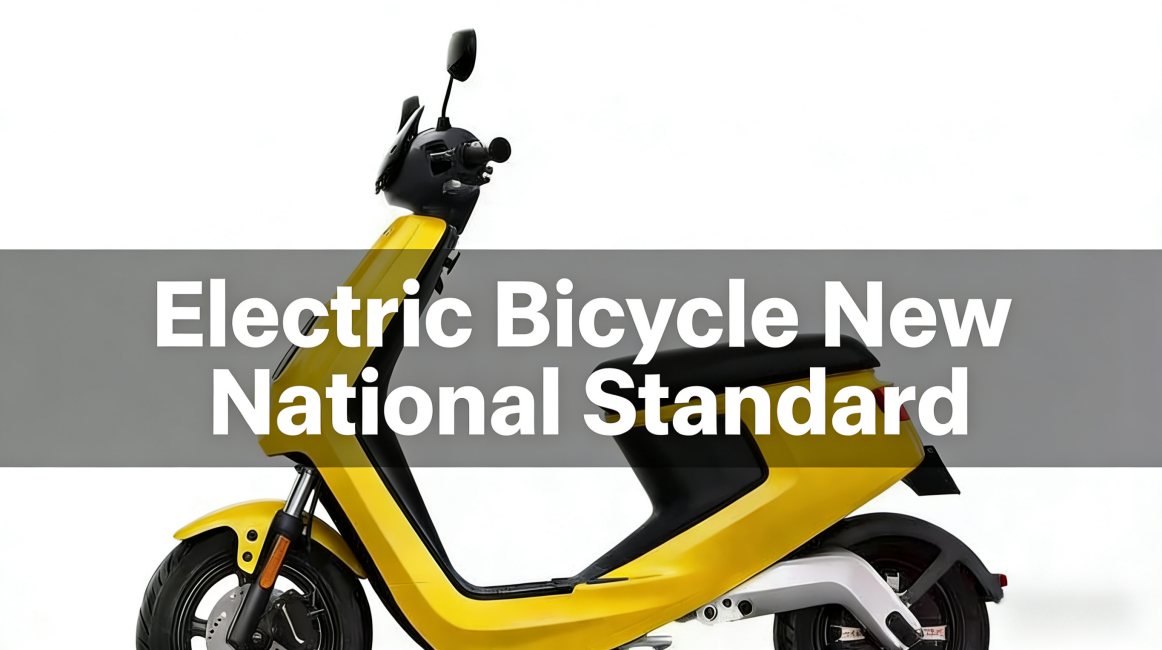
Core Foundation: Upgraded Safety
Over the past three years, electric bicycle fires have increased by more than 20% annually, with 21,000 police reports in 2023. This has promoted a comprehensive upgrade of flame retardant standards. The new national standard strictly controls the proportion of plastic parts below 5.5%, and key components such as battery boxes adopt high flame-retardant materials, reducing the risk of death from toxic smoke by 80% at the source. More importantly, there has been a breakthrough in anti-tampering technology. Through voltage identification and hardware locking, unauthorized battery installation will cause the entire vehicle to fail. Shanghai has held 9 illegal modification merchants accountable based on this, eliminating the persistent problem of "decoding to increase speed". Data confirms the effectiveness: in early 2025, electric bicycle fires in Beijing decreased by 27% year-on-year, and the fire rate per million vehicles dropped from 5.2 to 3.4.
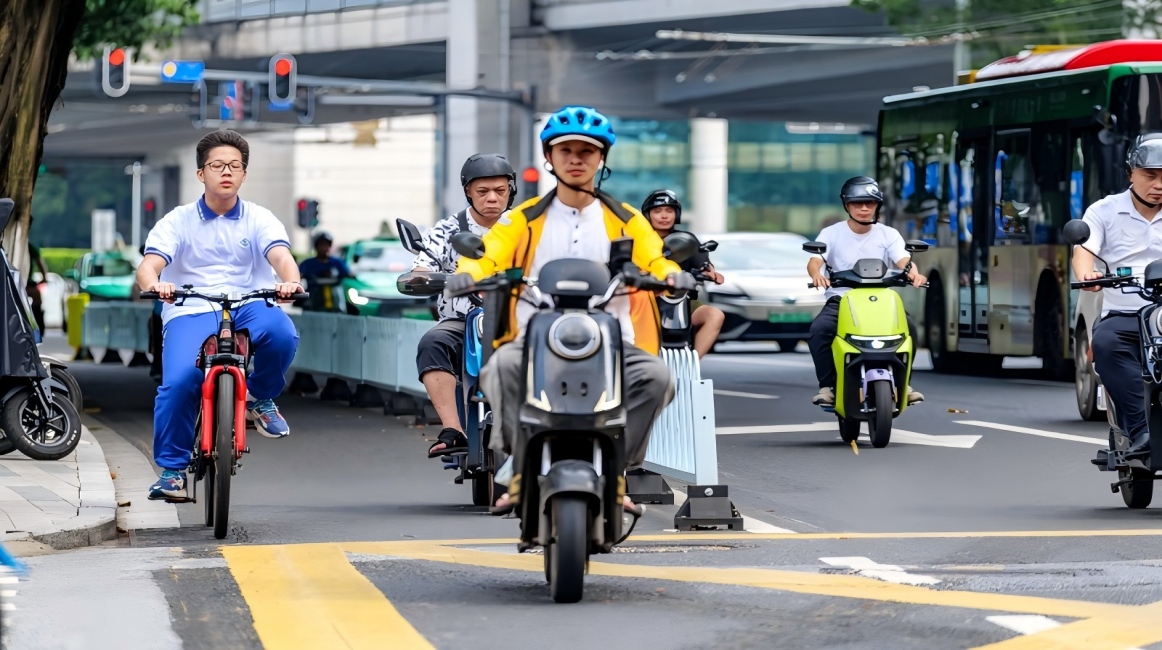
Industrial Leap: Standardization Drives Quality Improvement
The industry has achieved a qualitative leap in standardization. China's new national standard requires enterprises to have core capabilities such as frame production and electrophoresis welding, accelerating the elimination of "assembly-style" small enterprises. Leading enterprises have seized the opportunity to break through: Yadea's "Guan Neng" series is equipped with graphene batteries and intelligent systems, with revenue increasing by 33% in the first half of the year; Aima's self-developed magnesium alloy frames reduce weight by 30% and cost by 15%. As of November 2025, 468 compliant models from 99 enterprises have passed certification, driving the industry towards "intelligentization and lightweighting". It is expected that the penetration rate of intelligent models will increase significantly in 2026. The upstream industrial chain has also benefited simultaneously, with surging demand for flame-retardant materials and Beidou positioning chips, forming a 100-billion-level new market.
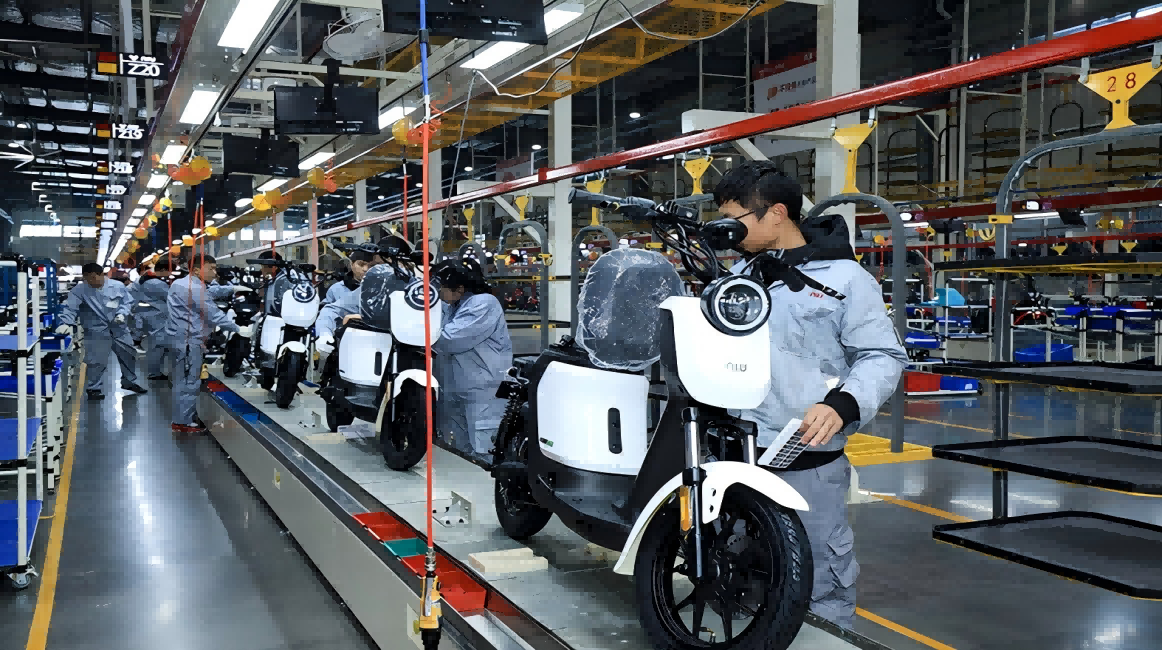
Livelihood Adaptation: Refining Details Continuously
Models priced around 4,000 yuan have become the mainstream in the Chinese market, a price increase of about 25% compared with old models, making some consumers adopt a wait-and-see attitude. Individual models do not consider the demand for carrying passengers, which deviates from policy orientation. However, solutions are being promoted: enterprises promise that the supply of spare parts for old vehicles will continue for at least 5 years, the mandatory national standard for charging piles is about to be implemented, and technologies such as millisecond-level power-off protection and intelligent fire early warning will fill the gaps in charging safety. The contrast between the increase in average transaction price and short-term fluctuations in sales volume in Beijing precisely indicates that the market is transforming from "price-sensitive" to "value-prioritized".
From potential fire hazards in corridors to intelligent safety protection, from workshop assembly to standardized production, China's new national standard has promoted not only product upgrading but also the advancement of travel civilization. When 380 million electric bicycles are equipped with "safety locks" and "smart cores", this transformation advancing in standardization will eventually depict a clearer picture of green travel.

