


In the serene mountains of China, where Taoist temples have stood for centuries as places of quiet contemplation and spiritual pursuit, a modern transformation is underway. The ancient philosophy of Taoism, which emphasizes harmony with nature and simplicity, now finds itself entangled with the forces of consumerism and commercialization. This phenomenon reflects a broader tension between traditional religious practices and the economic ambitions shaping contemporary Chinese society.
The commercialization of Taoism manifests in various forms, some overt and others subtle. One of the most visible examples is the integration of sacred sites into tourism-driven economies. Temples and monastic complexes, once primarily dedicated to spiritual practice, are increasingly marketed as cultural attractions. At places like Qingcheng Mountain, a UNESCO World Heritage site and a cornerstone of Taoist heritage, visitors encounter a landscape where religious symbolism coexists with commercial activity. The entrance to the mountain features propaganda billboards celebrating Chinese cultural confidence, while inside, temples offer immersive experiences—allowing tourists to spend a night in a Taoist temple or participate in abbreviated rituals for a fee. Such initiatives blur the line between spiritual engagement and entertainment, transforming sacred spaces into curated consumer experiences .

This shift is partly driven by local economic policies. In many regions, local governments have embraced a model of "religious, economic" (religion building the stage for the economy to perform), where religious sites are leveraged to boost tourism and regional development. Large-scale projects, such as the construction of oversized statues or the expansion of temple complexes, are often justified as efforts to promote cultural heritage. However, these projects frequently prioritize revenue generation over religious authenticity. For instance, some sites charge exorbitant entrance fees, effectively excluding devout but less affluent worshippers. In one documented case, a temple auctioned the right to light the first incense stick for over a million yuan, reducing a solemn ritual to a symbol of status and wealth . Such practices distort the core tenets of Taoism, which advocates for modesty and non-attachment to material pursuits .
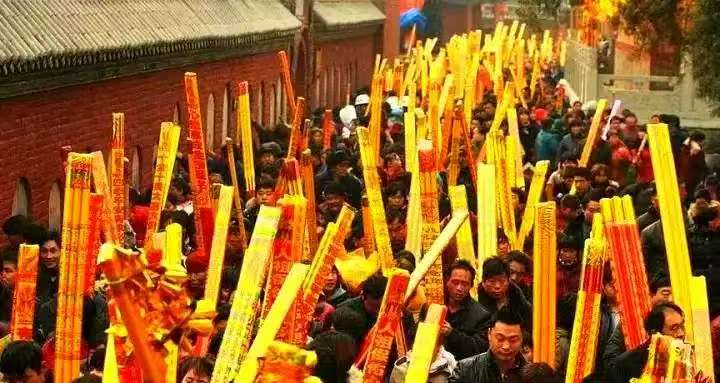
The involvement of commercial capital further complicates the landscape. Private enterprises sometimes sign management contracts with temples, effectively turning them into profitable ventures. In extreme cases, religious sites have been treated as financial assets, with their "income streams"—such as donations from merit boxes —even being integrated into corporate balance sheets. This commodification of faith has drawn criticism from both religious practitioners and policymakers. As early as 2017, China’s State Administration for Religious Affairs, along with 11 other departments, issued guidelines explicitly prohibiting commercial capital from controlling or manipulating religious activities. The rules stress that temples must maintain their non-profit nature and resist being used as tools for profit-driven ventures .

Yet, the issue is not solely external. Within Taoist communities, commercialization has sparked introspection and debate. Some Taoist practitioners have expressed concern about the erosion of religious values. Abbott Yuan Zhihong of Beijing Dongyue Temple, for example, has lamented the secularization of rituals, where the pursuit of donations sometimes overshadows spiritual intentions. Similarly, Li Zhijin, a leader of the Hebei Taoist Association, has criticized fellow Taoists who prioritize financial gain over religious discipline. These internal challenges highlight a broader struggle: how to sustain Taoist institutions in a modern economy without compromising their ethical foundations. For many temples, limited government funding and declining donations have made some degree of commercial activity necessary for survival. Activities such as selling incense, talismans, or vegetarian meals are widely accepted as legitimate forms of self-support, provided the earnings are used for temple upkeep or charitable purposes. The line between necessary self-sufficiency and excessive commercialization, however, remains difficult to define .
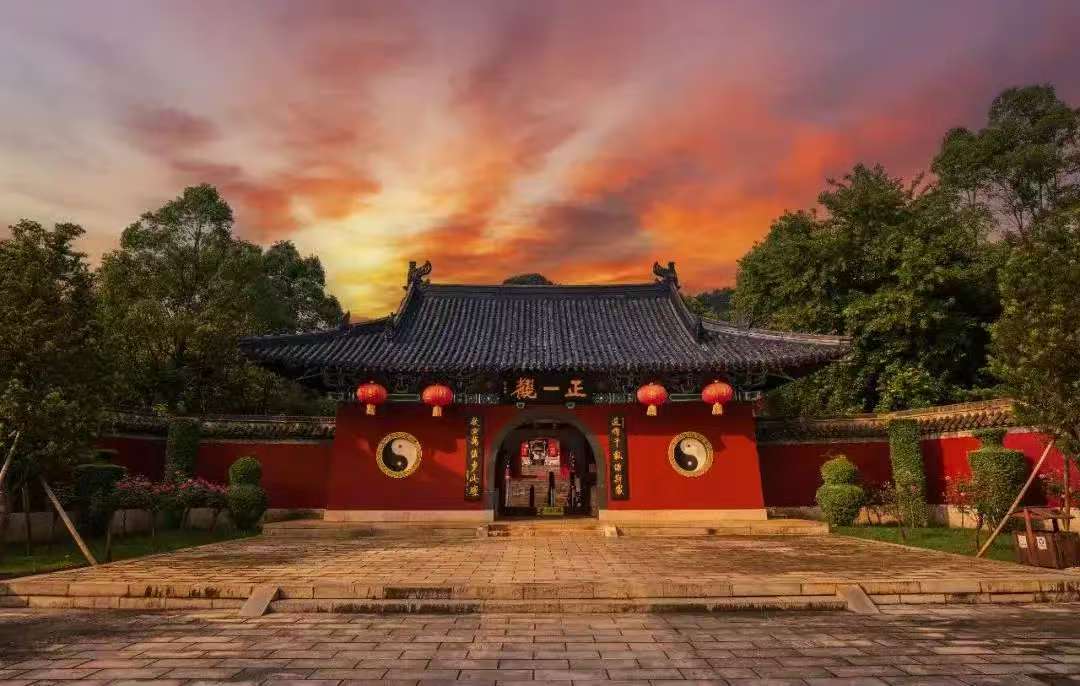
The digital era has introduced new dimensions to Taoist commercialization. Online platforms now enable virtual rituals, video-call blessings, and the sale of digital talismans. During the Hungry Ghost Festival, one temple reported performing 300 in-person rituals but received over 2,700 orders for virtual services via WeChat. This digital expansion offers convenience and accessibility, yet it also raises questions about the authenticity of spiritual experiences when mediated through screens. Furthermore, the internet has given rise to hybrid practices, such as fortune-telling services outsourced to Taoist temples by social media influencers. While these innovations reflect Taoism’s adaptability, they also risk reducing profound practices to transactional commodities .
Government policies have sought to curb the excesses of commercialization. The 2017 "Opinions on Further Governing the Commercialization of Buddhism and Taoism" outlined measures to prevent the exploitation of religious resources. These include stricter oversight of temple finances, bans on the construction of unauthorized large-scale religious statues, and penalties for fake clergy or fraudulent fundraising. Additionally, campaigns emphasize the need for Taoist communities to strengthen internal governance, reinforce ethical disciplines, and align with socialist core values. As one official noted, the goal is to ensure that religious sites serve as spaces for cultural and spiritual enrichment—not profit centers .
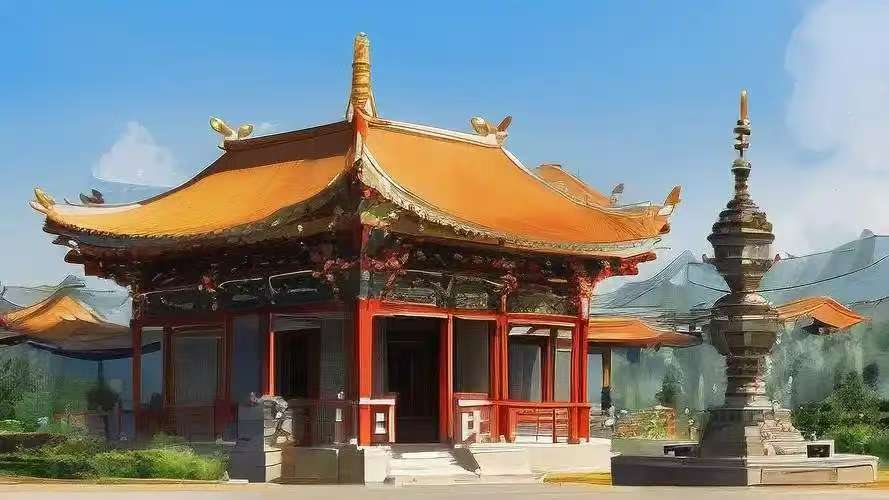
The persistence of commercial pressures, however, suggests that deeper structural issues remain. For many local governments, religious sites are seen as assets for regional branding and economic growth. This mindset, coupled with the rising consumer demand for "experiential" tourism, creates incentives to commercialize heritage. Meanwhile, Taoist institutions themselves grapple with generational shifts; younger practitioners may bring different attitudes toward technology and outreach, further blurring the boundaries between tradition and innovation .

In conclusion, the commercialization of Taoism in China is a multifaceted issue, reflecting broader tensions between spirituality and modernity. While economic engagement can help sustain religious institutions, it also risks diluting their core values. The future of Taoism may depend on finding a middle path—one that allows for adaptation without alienation, ensuring that its ancient wisdom remains accessible yet uncorrupted by the relentless winds of commerce.

