


Against the backdrop of rapid urbanization and social progress, behaviors such as failing to clean up after dogs in public and spitting randomly have long been viewed as uncivilized habits. These acts not only damage the urban environment and public health but also reflect gaps in public awareness and civic etiquette. In recent years, the Chinese government has rolled out comprehensive measures combining legislation, law enforcement, and public education. Significant improvements have been achieved, marking a steady shift from external restriction to internalized civility.
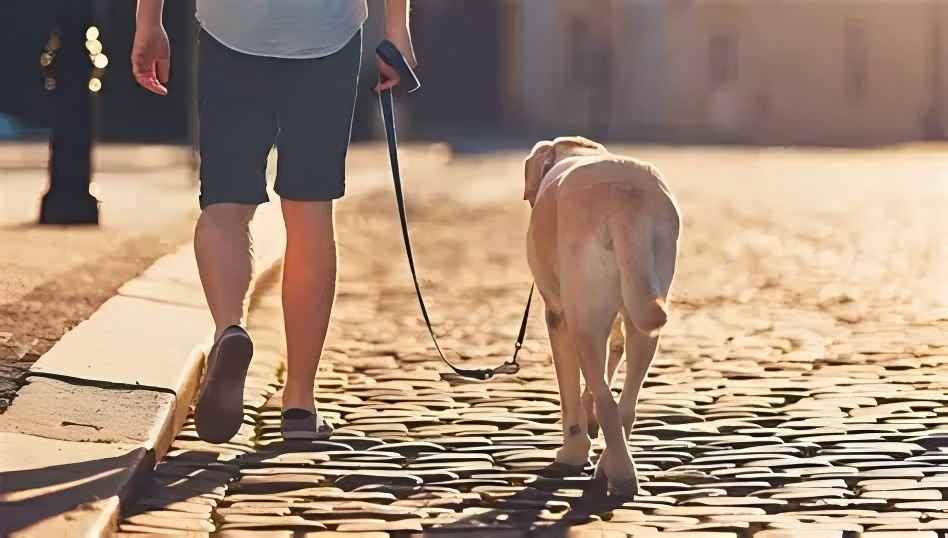
I. Root Causes: Why Some Unhealthy Habits Persist
The persistence of uncivilized behaviors stems from a combination of individual, institutional, and environmental factors.
At the individual level, the core issue is weak public consciousness. Some people prioritize personal convenience over public interests. They may let their dogs defecate in public areas without cleaning up, or spit on the street without considering hygiene risks. Many act out of long-standing habit or a fluke mindset, assuming they will not be held accountable.
Infrastructure gaps also play a role. In some older communities and suburban areas, public restrooms, trash cans, and pet waste stations are insufficient or poorly maintained. This lack of convenient facilities makes it harder for people to behave in a civilized manner.
In the past, governance was also less effective. Enforcement was relatively soft, focusing mostly on persuasion rather than strict penalties. Coordination between departments such as urban management, public security, and community committees was fragmented, leading to inconsistent oversight.
II. Government Measures: Comprehensive Governance for a Civil Society
To tackle these persistent problems, authorities have implemented a multi-pronged approach with tangible effects.
1. Legislation: Establishing Clear Rules
Many cities have introduced local regulations on civilized behavior and dog management. These rules clearly define and restrict uncivilized acts, including public spitting and failure to clean up pet waste. Penalties, fines, and demerit systems have been introduced to strengthen deterrence. Legal consequences have turned “optional courtesy” into “required compliance.”

2. Strict Enforcement and Smart Supervision
Law enforcement agencies have strengthened daily inspections and targeted campaigns. Many cities now use technology such as AI cameras and digital monitoring to identify and deter uncivilized behaviors more efficiently. Community grids and joint patrols have improved responsiveness to public complaints.
3. Improving Public Facilities
Governments have invested heavily in public infrastructure. More public toilets, litter bins, and pet-friendly facilities have been installed. Urban sanitation and waste treatment systems have been upgraded, making it easier and more convenient for people to maintain clean public spaces.
4. Public Education: Promoting Self-Awareness
Extensive publicity campaigns have been launched in communities, schools, and workplaces. Through education and advocacy, the idea of “civic responsibility for public spaces” has become more widely accepted. Volunteers and residents are encouraged to participate in supervision, fostering a culture of shared governance.
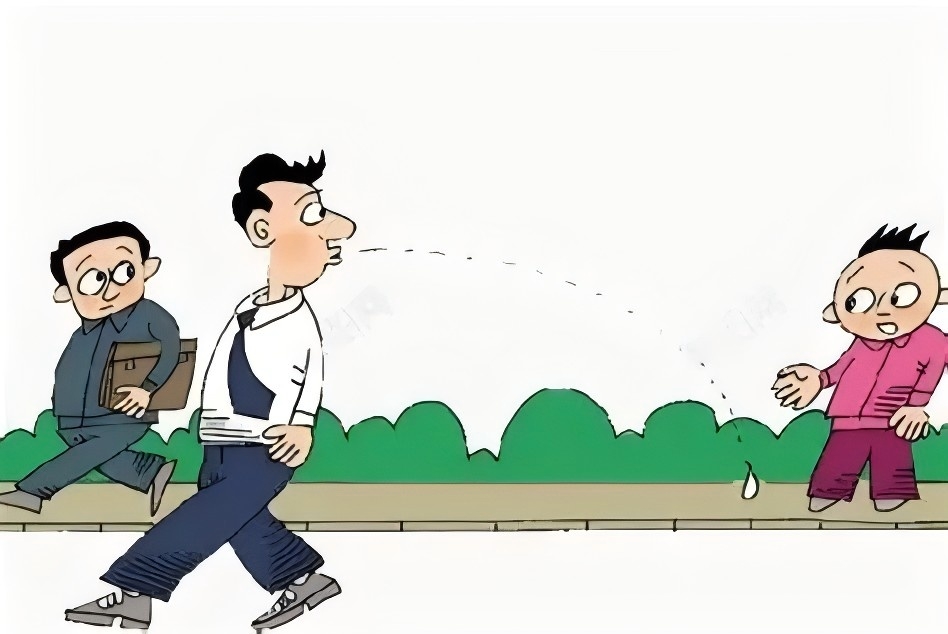
III. Positive Changes: Steady Progress in Civilized Living
Years of consistent efforts have brought about visible and positive changes.
The frequency of uncivilized behaviors has dropped significantly. Complaints about messy pets and public hygiene disturbances have decreased markedly in cities with strict management. Public health awareness has improved greatly, with more people understanding the importance of hygiene and environmental protection.
More importantly, social norms have shifted. Cleaning up after pets, avoiding spitting in public, and keeping public areas clean are increasingly seen as normal and respectable behaviors. Civility is gradually shifting from being enforced by rules to being a natural part of daily life.

IV. Long-Term Path: Sustained Improvement for a Better Society
Although great progress has been made, a few uncivilized habits still exist in some areas. Sustained efforts are needed.
Future work will focus on improving long-term governance mechanisms, deepening public education, and using technology to support smarter, more humane management. The goal is to make civilized behavior a natural and universal lifestyle.
The improvement of living habits mirrors the progress of a society. From addressing bad habits to promoting internalized civility, China is moving steadily toward a cleaner, more orderly, and more civilized society. With continued governance and rising public awareness, healthy and polite lifestyles will become the new norm.

