


When hydrogen-powered heavy trucks at the Beijing Daxing Hydrogen Energy Demonstration Zone complete refueling operations, and when the green ammonia project in Inner Mongolia produces the world's first certified product, China's hydrogen energy is moving from laboratories to the main battlefield of the country's energy transition. As a strategic choice under China's "dual carbon" goals, the hydrogen energy industry has embarked on a development path full of opportunities and challenges amid scale expansion and technological breakthroughs.
The layout of hydrogen energy has long been elevated to a national strategic height. China's "Medium and Long-Term Plan for the Development of the Hydrogen Energy Industry (2021-2035)" clearly defines its status as an energy carrier, and the "Energy Law" implemented in 2025 has laid a legal foundation for its development. Driven by favorable policies, the industrial scale continues to lead the world: China's total hydrogen output exceeded 36.5 million tons in 2024, with green hydrogen capacity reaching 125,000 tons per year, accounting for half of the global total, and there are over 800 planned hydrogen-ammonia-alcohol projects. This scale advantage provides solid support for the large-scale application of hydrogen energy.
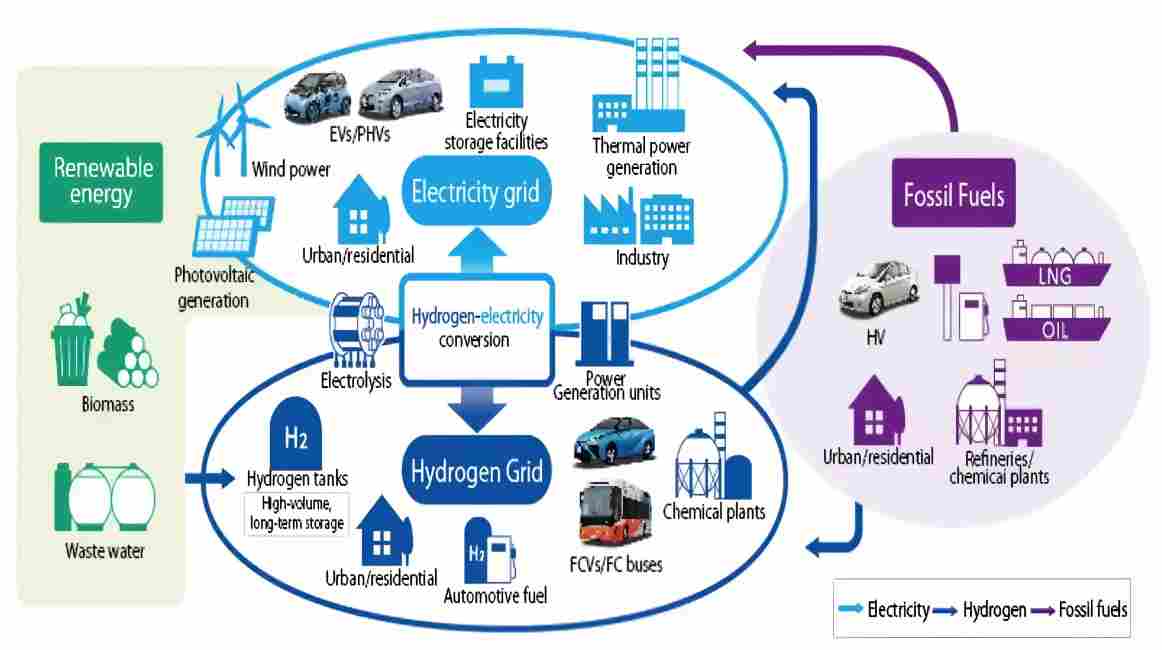
Independent breakthroughs in the entire industrial chain have become the core competitiveness. The 12-micron proton exchange membrane developed by Beijing Qingchi Technology is comparable to the "chip" of fuel cells; Hebei Weishi Energy has achieved full independent research and development from catalysts to fuel cell stacks, breaking import dependence. In the field of storage and transportation, the pipeline hydrogen transportation technology verified by Inner Mongolia's "wind-solar-hydrogen-storage" project has reduced the cost per 100 kilometers to one-tenth of that of road transportation, enabling cross-regional allocation. A technological closed loop from hydrogen production to utilization is accelerating formation.
The implementation of diversified application scenarios demonstrates greater innovation vitality. In the transportation sector, hydrogen-powered heavy trucks in the Beijing-Tianjin-Hebei region and the "Three Gorges Hydrogen Boat No. 1" power vessel are in constant operation; in the industrial sector, hydrogen-based shaft furnaces in steel enterprises replace coke smelting, and photovoltaic hydrogen production projects in the petrochemical industry have achieved significant emission reductions. New scenarios such as building heating and backup power for data centers are emerging continuously, and Shandong's "Hydrogen Enters Ten Thousand Homes" project has brought hydrogen energy into daily life. By 2025, hydrogen energy has been applied in demonstration projects across more than 20 industries in China, forming a unique scenario advantage.
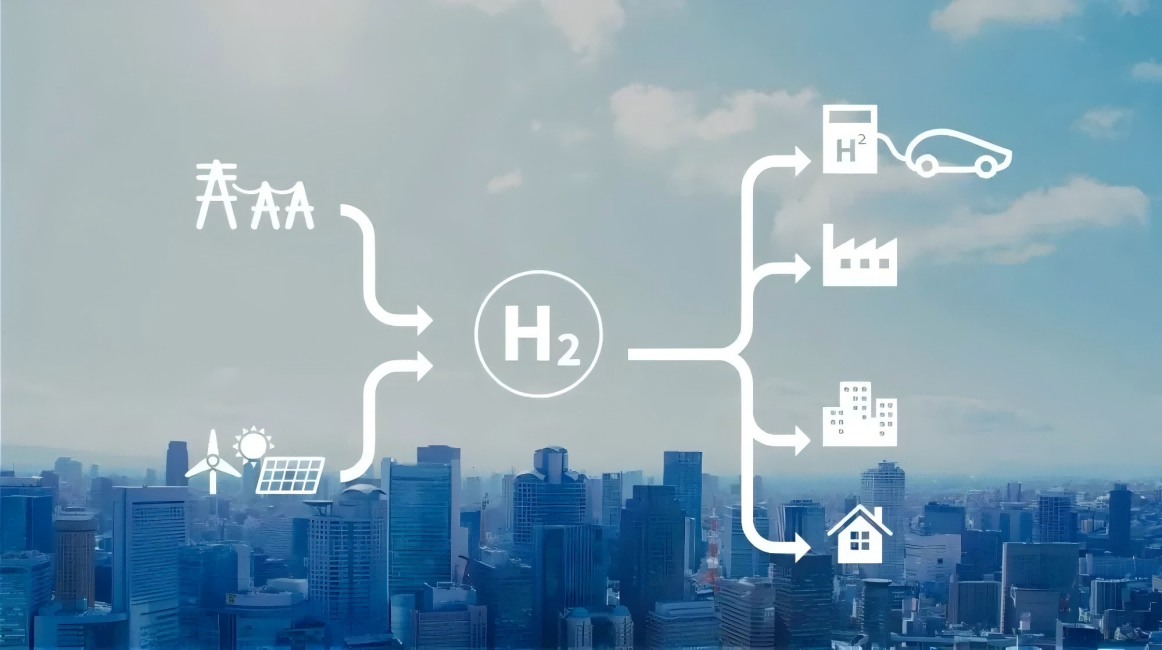
Of course, the industry still needs to overcome obstacles: the cost of green hydrogen has not yet reached parity with gray hydrogen, infrastructure such as hydrogen refueling stations is insufficiently laid out in small and medium-sized cities, and the long-term effectiveness of some core materials needs to be improved. However, these issues are being gradually addressed: as the carbon price rises to 92 yuan per ton, the premium space for green hydrogen continues to expand; 41 pilot projects announced by China's National Energy Administration are accelerating infrastructure improvements; new catalysts developed by research teams have provided new ideas for technological optimization.
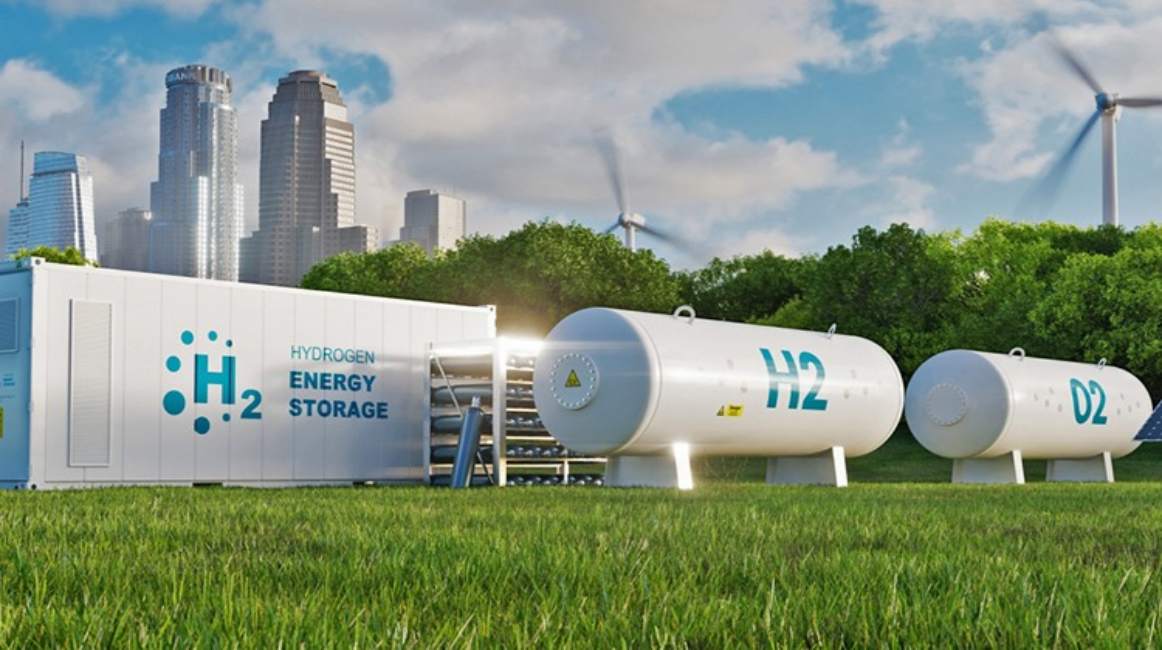
From the perspective of energy security, hydrogen energy has greater strategic value. China's resource endowment of "being rich in coal, poor in oil, and scarce in gas" makes wind-solar hydrogen production a key to reducing energy dependence on foreign countries. As green hydrogen gradually replaces fossil energy, it will not only reduce industrial carbon emissions but also build an independent and controllable energy system. As Professor Zhang Cunman, Deputy Director of the New Energy Vehicle Engineering Center and Director of the Fuel Cell Hybrid Power Research Institute at Tongji University, stated, hydrogen energy is precisely the "key" to energy transition.
Driven by both policies and the market, China's hydrogen energy is moving from the demonstration phase to large-scale development. Those temporary bottlenecks are exactly the ladder for technological iteration. With the decline in green hydrogen costs and the continuous enrichment of application scenarios, hydrogen energy is expected to account for 10% of the energy structure by 2035, becoming an important pillar of China's green development.

