


With the rapid development of the digital economy, flexible employment has become an important part of China's job market. Groups such as riders, ride-hailing drivers, and anchors have propped up half the sky of urban services with their advantages of low thresholds and flexible working hours. It is estimated that the number of flexible workers in China has exceeded 240 million, among which the proportion of new forms of employment practitioners is significant. However, in sharp contrast to the large group size, the social security participation rate of these workers is relatively low, and disputes over rights and interests protection are prominent, becoming an urgent livelihood problem to be solved in the digital age.
The Social Security Dilemma of Three Groups, Each with Pain Points but the Same Plight
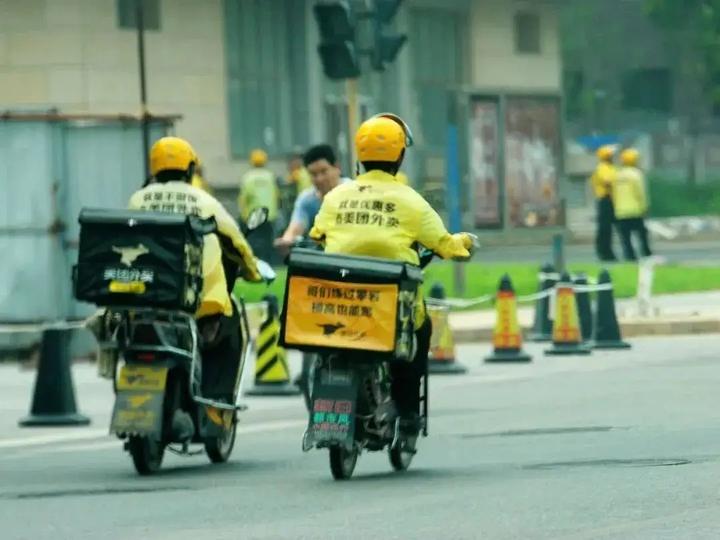
Although riders, ride-hailing drivers, and anchors all belong to flexible employment, they have different worries about the lack of social security. The risk of insufficient social security for food delivery riders is the most direct. They travel dozens of kilometers every day, and traffic accidents and sudden illnesses occur frequently. According to data from the Ministry of Human Resources and Social Security, the participation rate of flexible workers in employee medical insurance is only 27.6%. Most riders are not insured, and they have to bear the losses of accidents themselves. Many riders have to reluctantly stop paying social security due to declining income.
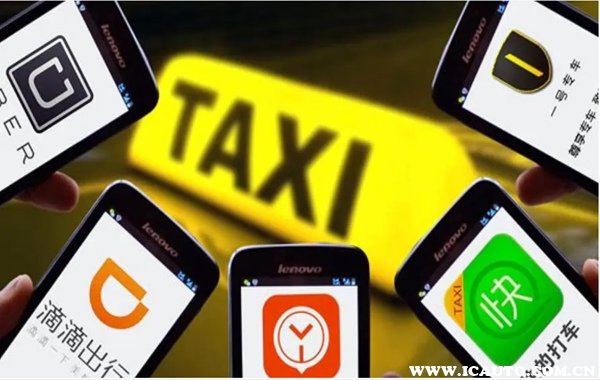
The dilemma of ride-hailing drivers focuses on the imbalance between social security and income. They have to bear costs such as vehicle wear and tear and platform commissions, and their income fluctuates greatly, while social security is a rigid expenditure. Taking Shanghai as an example, the lower limit of the social security contribution base for flexible workers in 2026 is 7,384 yuan per month, and the monthly payment for endowment insurance and medical insurance exceeds 2,200 yuan, with an annual expenditure of more than 26,000 yuan. For drivers with a monthly income between 2,000 and 8,000 yuan, the pressure is enormous, and many have to give up insurance to make a living.
The lack of social security for anchors shows a polarization and concealment. Top anchors have high incomes and mostly pay social security by themselves; while a large number of small and medium-sized anchors and part-time anchors only have a cooperative relationship with the platform, without a clear labor relationship. The platform does not bear the responsibility of paying social security. Due to unstable income, high contribution costs, strong mobility, and cumbersome social security transfer, individuals have low willingness to participate in insurance and become "marginalized people" in the social security system.
Intertwined Factors Leading to a "Dilemma" in Social Security Protection
The lack of social security for flexible workers is the result of the joint action of multiple factors. The core reason is the vague employment model of the platform. Most platforms define practitioners as "individual operators" through outsourcing and cooperation agreements, evading the legal obligation of signing labor contracts and paying social security, and shifting the employment risk to individuals.
Secondly, the current social security system is insufficiently adapted to the characteristics of flexible employment. This system is mainly designed for regular employees, with a rigid payment method. Most regions require fixed monthly payments, and some cities force the bundling of endowment insurance and medical insurance, increasing the burden on practitioners; although cross-regional transfer of social security has been realized online, the process in some regions is cumbersome, making it deterring for frequently mobile flexible workers.
In addition, the low willingness and ability of individuals to participate in insurance exacerbate the problem. The income of flexible workers fluctuates greatly, and some can only maintain a basic living. The full self-paid social security fee has become a burden; some practitioners have a low awareness of social security policies, have doubts about "paying more and getting less", or hold a fluke mentality of "no need for social security when young", ignoring long-term protection needs.

Accumulation of Individual Risks, Reflecting Shortcomings in Social Governance
The lack of social security poses hidden dangers to both individuals and society. For individuals, stopping the payment of endowment insurance will interrupt the contribution period and affect the pension payment after retirement; after the medical insurance is interrupted, the medical expenses for major diseases will plunge the family into difficulties, and if the interruption exceeds 3 months, a waiting period will be required to re-insure.
For society, the pension and medical problems of the large number of uninsured groups may be converted into social burdens in the future; disputes such as difficulty in claiming work-related injuries and inability to protect rights caused by the lack of social security affect the sense of gain of workers and are likely to trigger social conflicts; at the same time, the interruption of social security payment will make flexible workers lose relevant qualifications such as buying houses and enrolling children in schools, increasing the difficulty of their integration into the city.
Joint Efforts from All Sides to Build a Bottom Line of Protection for Flexible Workers
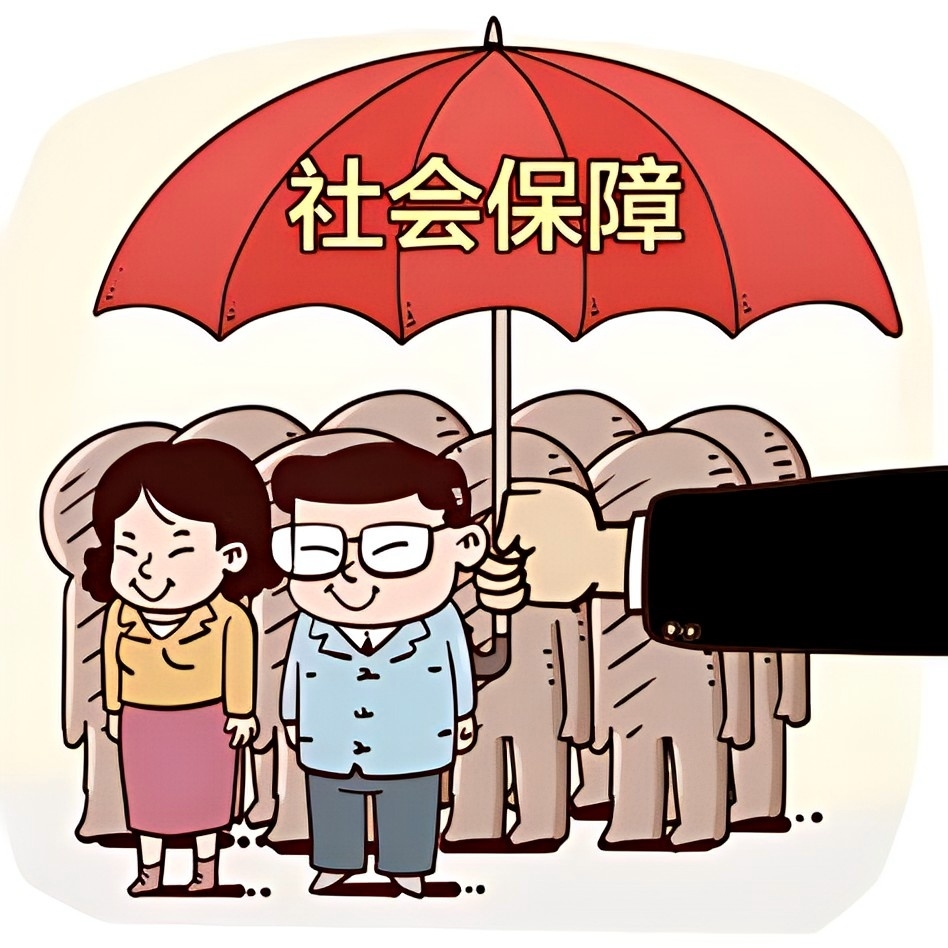
Solving the dilemma requires the joint efforts of the government, platforms, and individuals. At the government level, we should accelerate institutional innovation, expand the pilot scope of occupational injury protection, and promote the "per-order charging" model to cover key groups; optimize the insurance participation policy, lift the restriction on separate participation in endowment insurance and medical insurance, implement a flexible payment model, and smooth the channel for social security transfer and continuation.
At the platform level, it is necessary to strengthen the sense of responsibility, standardize employment under regulatory supervision, clarify rights and obligations, and explore the feasibility of the platform assuming part of the social security contribution responsibility; launch social security subsidy policies to improve the enthusiasm of practitioners to participate in insurance, and at the same time standardize algorithms to avoid exploiting workers' rights and interests.
At the individual level, we should abandon the fluke mentality, recognize the importance of social security, choose an appropriate insurance participation level according to our income, and avoid interruption of payment; take the initiative to learn social security policies and protect our legitimate rights and interests through legal channels when our rights and interests are infringed.
Flexible workers are participants in the digital economy and builders of urban development. Solving their social security dilemma is not only an inevitable requirement to protect the legitimate rights and interests of workers, but also an important measure to promote the healthy development of flexible employment and maintain social harmony. Only through joint efforts from all sides can flexible workers get rid of their worries and move forward with peace of mind on the road of flexible employment, so that every worker can share the fruits of development.

