


With the accelerating social rhythm and increasing life pressure, mental health issues have become an undeniable public health concern. Data from the World Health Organization shows that approximately 1 billion people worldwide are affected by mental health problems, and the prevalence of common mental disorders such as depression and anxiety in China is on the rise year by year. However, the field of mental health in China is currently facing a triple dilemma: insufficient supply of mental health services, deep-rooted social stigma, and controversial public willingness to seek medical care. These three factors are intertwined, hindering the improvement of the service system and leaving countless people in psychological distress in the awkward situation of "having no one to turn to" or "being unwilling to seek help", which urgently needs to be addressed by the whole society.
The Dilemma of Supply: Shortage and Imbalance of Resources, Unable to Meet Diverse Needs
Insufficient supply of mental health services is the most prominent shortcoming, mainly reflected in the shortage of total resources, uneven distribution, and insufficient professionalism, which makes it difficult to meet public needs. In terms of total quantity, there are only about 2.4 psychiatrists per 100,000 people in China, far below the global average. Psychotherapists and counselors are also in short supply; according to standards, primary and secondary schools need 200,000 full-time or part-time mental health education teachers, but the current training scale is far from meeting the demand.
The imbalance in resource distribution has exacerbated the supply dilemma. High-quality resources are concentrated in tertiary hospitals in developed regions and large cities, while grassroots, remote and rural areas are almost blank, making it inconvenient for the public to seek help. At the same time, the service forms are single, mainly focusing on offline outpatient services and drug treatment, with insufficient diversified services such as online consultation and crisis intervention. In addition, the industry supervision is not perfect, and some online platforms have chaotic qualifications and irregular charging. Furthermore, insufficient public investment and low medical insurance reimbursement ratio for psychological consultation have increased the cost of seeking help for the public.
The Injury of Stigma: Prejudice and Misunderstanding, Building an Invisible Barrier to Seeking Help
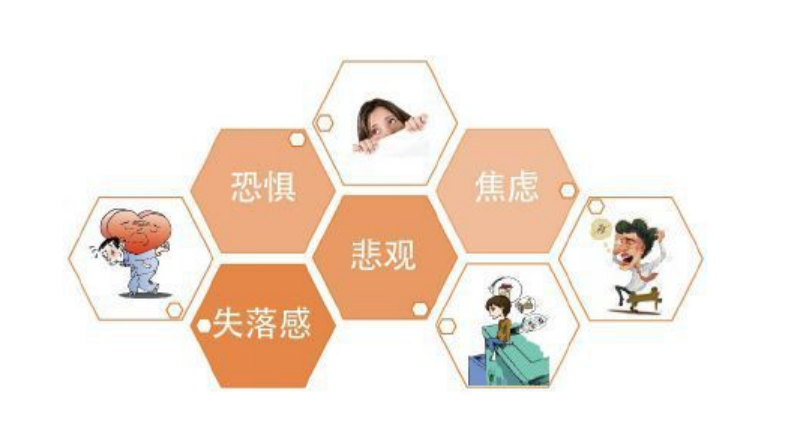
Social stigma is the core obstacle preventing the public from seeking help. This prejudice stems from traditional concepts, cognitive misunderstandings and improper dissemination, linking mental illness with negative labels such as "weak character" and "mental disorder". East Asian society emphasizes emotional restraint, and mental problems are often misunderstood as "not being able to think through" or "lack of willpower" rather than diseases that require professional intervention, leaving patients in self-denial.
Stigma manifests as public discrimination and self-stigma of patients. The public mostly has fear and rejection towards people with mental illness, and there is discrimination in employment and education; one-sided media reports portray people with mental disorders as "dangerous figures", strengthening negative stereotypes. Patients, on the other hand, hide their illnesses and avoid seeking help due to a sense of shame, which aggravates their conditions. This kind of stigma not only harms the physical and mental health of patients, but also hinders the popularization of mental health knowledge and the advancement of the service system.
The Confusion of Willingness: Controversy and Vacillation, Reflecting Multiple Practical Considerations
There is obvious controversy over the public's willingness to seek medical care for mental health. The consultation rate for mental and psychological diseases in China is less than 20%, and the standardized treatment rate for depression patients is less than 10%, far lower than the level in developed countries. This is related to stigma, but also has deeper reasons.
Many people confuse emotional fluctuations with pathological disorders, believing that "being in a bad mood" does not require professional help, and even regard seeking medical care as "being melodramatic". At the same time, high medical costs, limited medical insurance coverage, insufficient professionalism of some psychological counselors, and chaos in online consultation have reduced public trust. In addition, patients are worried that medical records will affect their studies and employment, so they choose to avoid seeking help; there are also some people who are eager to seek help but cannot convert their willingness into action because they do not know how to choose formal institutions.

The Path to Breaking the Dilemma: Joint Efforts to Solve the Triple Predicament
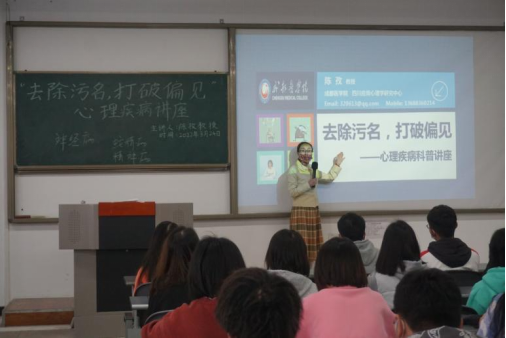
To solve the triple dilemma, it is necessary for the government, society and individuals to work together to build a comprehensive mental health service system. The government should increase public investment, promote the sinking of high-quality resources, expand the team of professional talents, improve medical insurance policies and industry supervision, implement relevant plans, and build a service system covering the whole population and the whole life cycle by 2030. Society should strengthen the popularization of knowledge, spread scientific concepts through multiple channels, and guide the public to correctly understand mental illness and tolerate people in psychological distress.
Individuals should establish a correct concept of mental health, abandon the "stigma of illness", take the initiative to seek help and respect the psychological needs of others. At the same time, digital intelligence technology can be used to expand online services and reduce the threshold for seeking help. Only by breaking the supply bottleneck, eliminating the stigma barrier and guiding scientific medical treatment can mental health services be truly accessible and lay a solid psychological foundation for Healthy China.

