


With the rise of the appearance economy, the medical aesthetics industry has experienced explosive growth, becoming an important choice for many people to pursue external beauty. However, behind the industry's prosperity, chaos such as over-medicalization and induced consumption occurs frequently, which not only infringes on the legitimate rights and interests of consumers, but also seriously touches the bottom line of medical ethics, triggering a crisis of trust in the industry. As a branch of medical care, medical aesthetics should adhere to the original intention of ethics. If profit is allowed to override the essence of medical care, it will eventually fall into a development dilemma. Only by facing the chaos squarely, digging deep into the root causes, and strengthening supervision can we promote the industry to return to the right track.
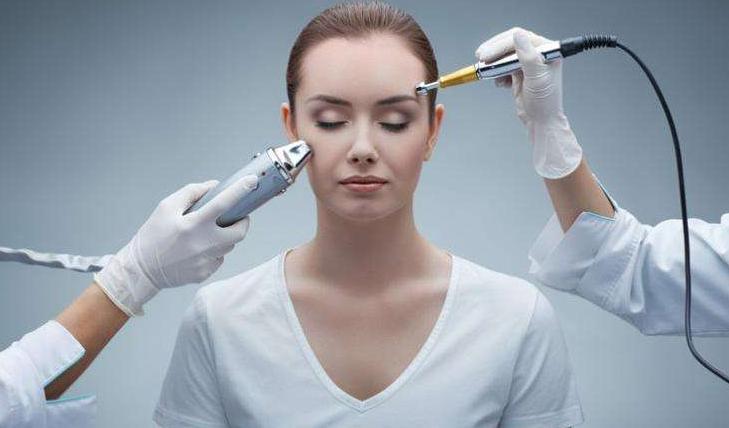
Specific Manifestations of Over-Medicalization and Induced Consumption in the Medical Aesthetics Industry
At present, over-medicalization and induced consumption in the medical aesthetics industry have formed systematic routines, with the core of deviating from consumers' real needs and taking profit as the sole orientation, showing the characteristics of diversification and concealment.
Induced consumption routines accurately grasp consumers' psychology, and "beauty agents" marketing is particularly common. Medical aesthetics institutions train "beauty agents" to attract consumers to the store with low-price experience cards through acquaintance endorsement, false cases and other methods, and then create appearance anxiety through words, deny consumers' appearance, and induce them to buy high-priced projects. What's more, some institutions secretly bundle "beauty loans", handle high-interest loans for consumers without their knowledge, conceal risks, and put consumers in a dilemma of "failing to become beautiful but falling into debt".
Over-medicalization violates medical norms. Some institutions ignore consumers' needs and physical conditions and recommend treatment projects beyond the necessary scope. For example, consumers who only want to improve slight fine lines are induced to undergo traumatic projects such as full-face filling; some institutions exaggerate product efficacy and induce consumers to buy frequently; unqualified institutions carry out projects illegally and use unknown materials, which may lead to infection, disfigurement and even endanger life.
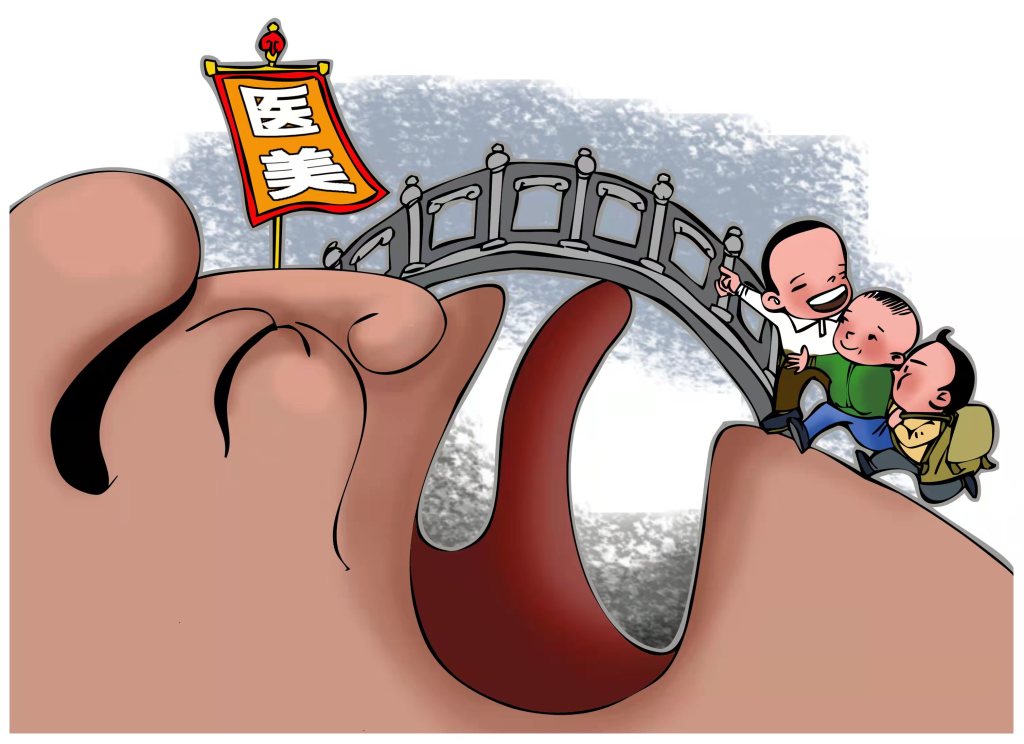
Multiple Drivers Behind the Chaos in the Medical Aesthetics Industry
The emergence of chaos in the medical aesthetics industry is the result of the interweaving of multiple factors such as industry orientation, regulatory system and consumer cognition, with the core being the erosion of medical ethics by profit orientation.
At the industry level, the pursuit of profit above all distorts the development direction. Many institutions abandon public welfare, regard consumers as "profit tools", implement "full-staff marketing", and link medical staff's salaries with performance, forcing them to give up medical bottom lines. At the same time, the access threshold of the industry is uneven, and unqualified institutions and medical staff without practice certificates operate illegally, providing opportunities for chaos.
At the regulatory level, imperfect laws and regulations and lack of supervision form blind spots. The existing regulations are not detailed enough in the penalty standards for "beauty agents", beauty loans and over-medicalization, making it difficult to accurately investigate and punish illegal acts. In addition, the medical aesthetics chain is complex, and the supervision of multiple online and offline links is difficult. Some institutions evade supervision, exacerbating industry disorder.
At the consumer level, cognitive deviations and appearance anxiety are easily exploited. The atmosphere of "appearance first" makes some people fall into appearance anxiety, lack rational judgment, and are easily kidnapped by anxiety marketing; at the same time, consumers have limited understanding of medical aesthetics knowledge and qualification risks, blindly pursue "high-end" and "quick beauty", and are difficult to identify induced routines.
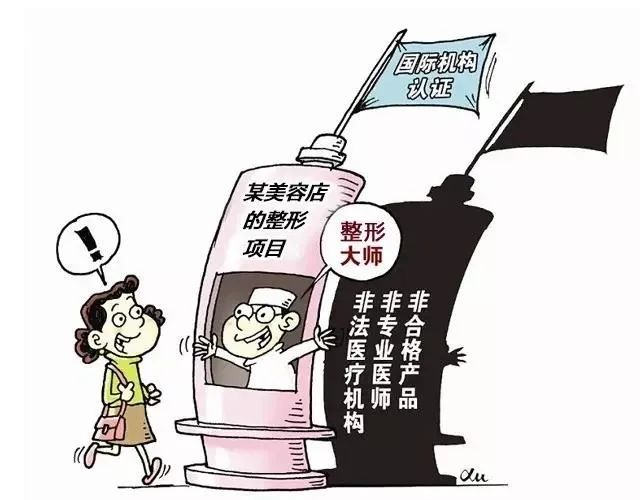
Ethical Dilemmas Behind the Disorder of the Medical Aesthetics Industry
The essence of over-medicalization and induced consumption is the lack of ethics in the medical aesthetics industry, with the core being the imbalance between the essence of medical care and commercial interests, which violates the core principles of medical ethics and triggers profound controversies.
It violates the principle of "non-maleficence and beneficence" and ignores consumers' health. For the sake of profit, some institutions ignore norms, recommend unnecessary traumatic projects and use unqualified materials, which not only increases the economic burden, but also may cause irreversible harm, deviating from the original intention of "protecting health and enhancing beauty".
It violates the principle of "respect" and deprives consumers of their right to know and autonomy. Through brainwashing and false propaganda, institutions conceal key information such as project risks and charging standards, allowing consumers to accept over-medicalization and high-priced consumption without their knowledge and willingness.
Ethical anomie exacerbates the industry's trust crisis, forming a vicious circle of "bad money driving out good money", making it difficult for institutions adhering to ethics to survive and damaging the long-term development of the industry.
Adhere to Ethical Bottom Lines and Promote the Medical Aesthetics Industry to Return to Its Essence

To solve the chaos in the medical aesthetics industry and resolve ethical controversies, it is necessary for institutions, regulatory authorities and consumers to work together to promote the industry to return to the essence of medical care.
Medical aesthetics institutions need to adhere to the original intention of ethics, abandon the concept of profit first, put consumers' health at the top, standardize service processes, disclose qualifications, risks and charges, and eliminate false propaganda; strengthen the professional training and ethical education of medical staff, and carry out projects in strict accordance with norms to refuse over-medicalization.
Regulatory authorities need to improve the legal system, refine the penalty standards for illegal acts, and fill regulatory blind spots; strengthen daily inspections and special rectifications, severely crack down on illegal medical practice without qualifications, illegal operations and other acts, promote the standardization of the industry, and regulate the circulation and use of materials.
Consumers need to establish a rational cognition, abandon appearance anxiety, and clarify their own needs; take the initiative to learn medical aesthetics knowledge and choose formal institutions and medical staff; when encountering illegal acts, timely retain evidence and safeguard their legitimate rights and interests through legal channels, forcing institutions to operate standardizedly.
The healthy development of the medical aesthetics industry is inseparable from ethical guidance, regulatory protection and rational participation of consumers. Only by adhering to the essence of medical care and abandoning the abnormal profit-oriented orientation can we curb chaos, resolve controversies, and make medical aesthetics truly a healthy industry that protects beauty and enhances self-confidence, achieving a win-win situation for the industry and consumers.

