


As an inevitable path for China to transform from a major automobile country to a powerful automobile country, the new energy vehicle industry has achieved leapfrog development in recent years, with its ownership continuing to rise and the world's largest electric vehicle charging network built. However, behind the rapid development, four major pain points—difficulty in charging, false range claims, battery safety hazards, and disputes over industry standards—have become increasingly prominent, becoming a bottleneck restricting the high-quality development of the industry.
I. Prominent Pain Points: Four Major Issues Facing the Development of New Energy Vehicles
At present, the pain points of new energy vehicles are concentrated in three core usage scenarios—charging, range, and safety—as well as various disputes caused by imperfect industry standards. These four issues are intertwined, affecting the healthy development of the industry.
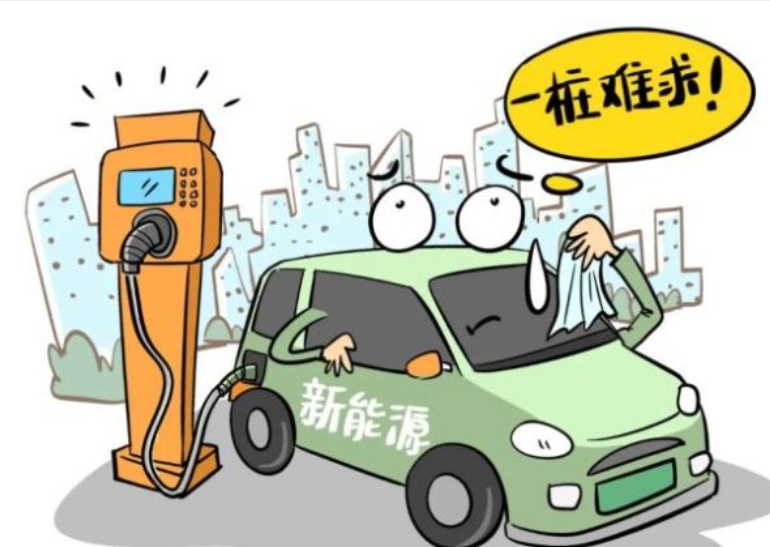
Difficulty in charging presents a structural imbalance, with sufficient total supply but mismatched supply and demand. By the end of 2025, the total number of charging infrastructure in China had exceeded 20 million, with a vehicle-to-pile ratio of 1:1, but "queuing for charging" remains the norm for car owners. In terms of space, charging piles are densely distributed in core areas of first-tier cities, while the coverage rate in third and fourth-tier cities and rural areas is less than 5%; in terms of time, the use of charging piles in residential areas is unbalanced between day and night, and the phenomenon of queuing for charging at highway service areas during holidays is prominent. In addition, problems such as old "zombie piles", incompatible platforms, and insufficient proportion of fast-charging piles further exacerbate charging anxiety.
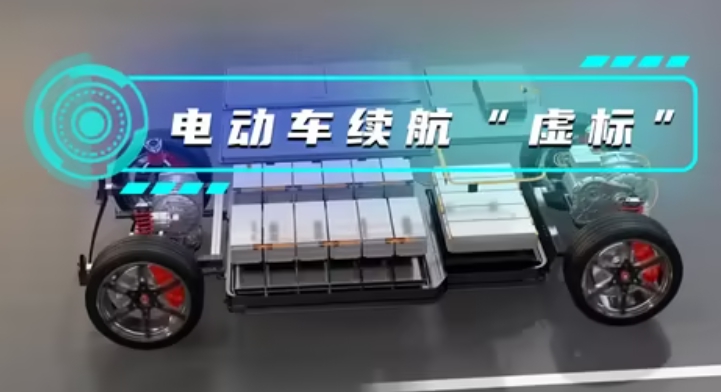
False range claims are common, with a significant gap between ideals and reality. In January-February 2026, complaints about new energy vehicles involving inconsistent range with publicity accounted for more than 38%, an increase of 42% year-on-year. Most car companies use CLTC ideal working condition data for publicity, which is seriously disconnected from actual driving scenarios. The range shrinks significantly in low temperatures and high-speed driving; in an environment of -10℃, the actual range of some models is less than 53% of the claimed range. At the same time, there is a "gray area" in determining battery attenuation, and some car companies indirectly reduce range by locking power through OTA upgrades, making it difficult for consumers to defend their rights.
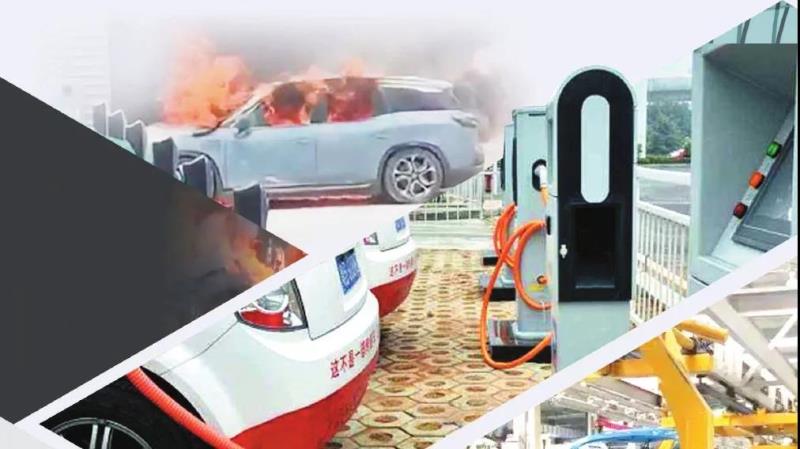
Battery safety hazards persist, and risk prevention and control remains a long-term task. Battery safety is the lifeline of new energy vehicles, but accidents such as battery fires and explosions occur occasionally, with thermal runaway of power batteries being the main cause. Although car companies have increased investment in safety technology research and development, improper use by consumers can still exacerbate hidden dangers, and the imperfect recycling system for waste batteries brings dual environmental and safety risks.
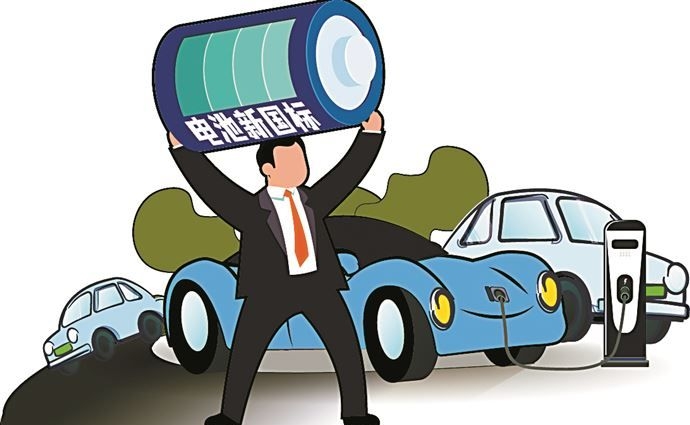
Industry standards are lagging behind, and various disputes continue to emerge. Standards for range testing, battery safety, and battery health detection are not unified, and the CLTC standard is used as a "fig leaf" by some car companies; after the implementation of the new national battery safety standard, some small and medium-sized enterprises face pressure for technological transformation; at the same time, some enterprises are caught in a price war, sacrificing quality and safety, and problems such as shirking quality assurance responsibilities further increase consumer dissatisfaction.
II. Chain Reactions: Pain Points Restrict Industrial Development and Consumer Confidence
The four major pain points not only directly affect consumers' driving experience but also trigger chain reactions, comprehensively restricting the high-quality development of the new energy vehicle industry from the consumer side, industrial side to the industry ecosystem, and even affecting the progress of the "dual carbon" goal.
For consumers, difficulty in charging, false range claims, safety hazards, and inability to defend their rights directly reduce the sense of driving happiness, weaken purchasing willingness, and make some consumers adopt a wait-and-see attitude towards new energy vehicles.
For the industry, some car companies fall into the misunderstanding of "valuing publicity over quality" and ignore the research and development of core technologies; price wars and lack of standards lead to vicious competition, increasing the survival pressure of small and medium-sized enterprises and restricting the breakthrough of core technologies.
For the industry as a whole, frequent exposure of related problems reduces industry credibility, which is not conducive to large-scale promotion; unresolved disputes over industry standards make it difficult for the industry to transform from "quantitative accumulation" to "qualitative leap", affecting China's competitiveness in the global new energy vehicle field.
III. Breaking Through: Multi-dimensional Measures to Promote Positive Industrial Development
In response to the above problems and impacts, the government, enterprises, and consumers have worked together to introduce a series of solutions, promote the improvement of industry standards, and the new energy vehicle industry has shown a positive development trend.
At the government level, it strengthens policy guidance and standardized supervision, optimizes the layout of charging facilities, promotes the renovation of power circuits in old residential areas, and accelerates the coverage of charging networks in counties and towns; implements the "strictest ever battery safety order", rectifies industry chaos, accelerates relevant legislation, unifies testing and quality assurance standards, and improves the battery recycling system.
At the enterprise level, it adheres to the bottom line of integrity, takes the initiative to disclose actual range data, and optimizes the battery management system; increases investment in battery safety technology research and development, and monitors battery status through cloud big data; leading enterprises promote the interconnection of charging platforms, get rid of price wars, and shift to technological innovation and quality improvement.
At the consumer level, it establishes a scientific concept of car use, standardizes driving habits, and avoids dangerous behaviors; takes the initiative to safeguard their own rights and interests, supervises the compliance operation of enterprises, and promotes the healthy development of the industry.
At present, positive industry trends have gradually emerged: the layout of charging facilities is becoming more balanced, and fast-charging technology is developing rapidly; the level of battery safety is continuously improving, industry standards are constantly improving, and core technologies are making continuous breakthroughs. China's new energy vehicle industry is gradually getting rid of the constraints of pain points and moving towards high-quality development.
The development of the new energy vehicle industry is a long-term battle, and the solution to the four major pain points cannot be achieved overnight. Only through the joint efforts of the government, enterprises, and consumers to make up for shortcomings, improve standards, and strengthen innovation can we resolve industry disputes, promote the effective improvement of quality and reasonable growth of quantity in the industry, and help China achieve the goal of becoming an automobile power and the "dual carbon" vision.

