


With the vigorous development of the e-commerce industry, the express delivery industry has become a core link connecting production and consumption. In 2024, China's express delivery business volume reached 175.08 billion pieces, with an average of over 120 pieces per person. However, behind the rapid development of the industry, problems such as excessive express packaging and prominent plastic pollution have become increasingly severe, and many controversies have emerged in the promotion of green logistics. Solving the packaging dilemma and balancing environmental protection and development have become an important issue that needs to be addressed urgently.
Prevalence of "Matryoshka-style" Packaging and Intensified Plastic Pollution
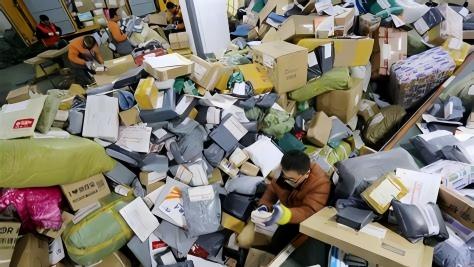
The most prominent problems in the current express delivery industry are, first, the prevalence of excessive packaging, and second, the difficulty in curbing plastic pollution. Excessive packaging refers to the excessive use of materials and increase in packaging layers beyond normal protection needs, forming "Matryoshka-style" packaging. A lipstick may be wrapped in a box more than 100 times its own volume, ordinary goods are often wrapped in multiple layers of cartons, bubble wrap, and plastic bags, and some cosmetics have more than 10 layers of packaging.
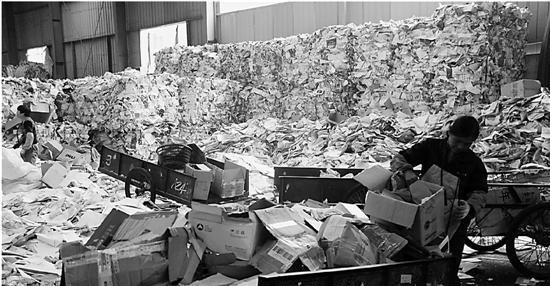
Plastic pollution is another persistent problem. In express packaging, disposable plastic products such as plastic tape, bubble wrap, and non-degradable plastic bags account for a very high proportion. Such materials are difficult to degrade and have a low recycling rate. Data show that in 2024, cardboard and plastic accounted for more than 80% of national express packaging, with an actual recycling rate of only 10%. The rest are mostly landfilled or incinerated. In large cities such as Beijing, Shanghai, and Guangzhou, express packaging waste accounts for more than 90% of new domestic waste. Some merchants also exploit loopholes in standards, disguising excess packaging as "functional" materials, which exacerbates the chaos.
Intertwined Factors and High Governance Difficulty
The formation of excessive express packaging and plastic pollution is the result of the joint action of multiple factors including merchants, enterprises, consumers, and supervision.
At the merchant level, avoiding after-sales risks and pursuing brand premium are the main driving forces. E-commerce merchants admit that packaging problems may lead to a negative review rate of 60% to 80%. To avoid damage and reduce claims, merchants have to over-package; some merchants improve the "grade" of products through gorgeous packaging, and also use loopholes in standards to add liners and other materials not included in the number of layers, which indirectly intensifies excessive packaging.
At the express enterprise level, cost pressure and priority on efficiency restrict green transformation. Environmental protection packaging materials are relatively expensive, and the price of degradable plastic bags is several times that of ordinary plastics. The use of green packaging will increase the per-package cost of enterprises by 0.15 to 0.3 yuan. For the express industry with meager profits, it is difficult to take the initiative to promote it. In addition, door-to-door recycling of waste packaging reduces delivery efficiency, and the storage space of express vehicles is limited, so enterprises lack the motivation to recycle.
At the consumer level, cognitive deviations indirectly contribute to the chaos. Some consumers link exquisite packaging with product quality and have insufficient environmental awareness, discarding packaging at will after unpacking. In addition, there are shortcomings in supervision. Manual sampling inspection is inefficient and has limited coverage, making it difficult to fully supervise small and medium-sized merchants, which exacerbates the spread of the problem.
Increased Ecological Burden and Restricted Industry Development
Excessive express packaging and plastic pollution not only damage the ecological environment, but also restrict the sustainable development of the express delivery industry and affect the quality of people's lives.
At the ecological level, a large amount of non-degradable plastics pollute soil and groundwater when landfilled, and produce harmful gases when incinerated. The excessive use of paper packaging intensifies wood consumption, which is contrary to the "dual carbon" goal. In 2023, China's express packaging waste reached nearly 20 million tons, bringing a heavy burden to the ecology.
At the industry level, excessive packaging pushes up logistics costs and causes resource waste. The environmental controversies caused by plastic pollution also affect the public image of the express delivery industry and restrict its high-quality transformation.
At the people's livelihood level, excessive packaging increases the burden of unpacking for consumers, and some packaging residues contain harmful substances such as plasticizers and formaldehyde, which affect human health; a large amount of waste packaging also brings enormous pressure to urban garbage disposal.
Joint Efforts to Solve the Governance Dilemma
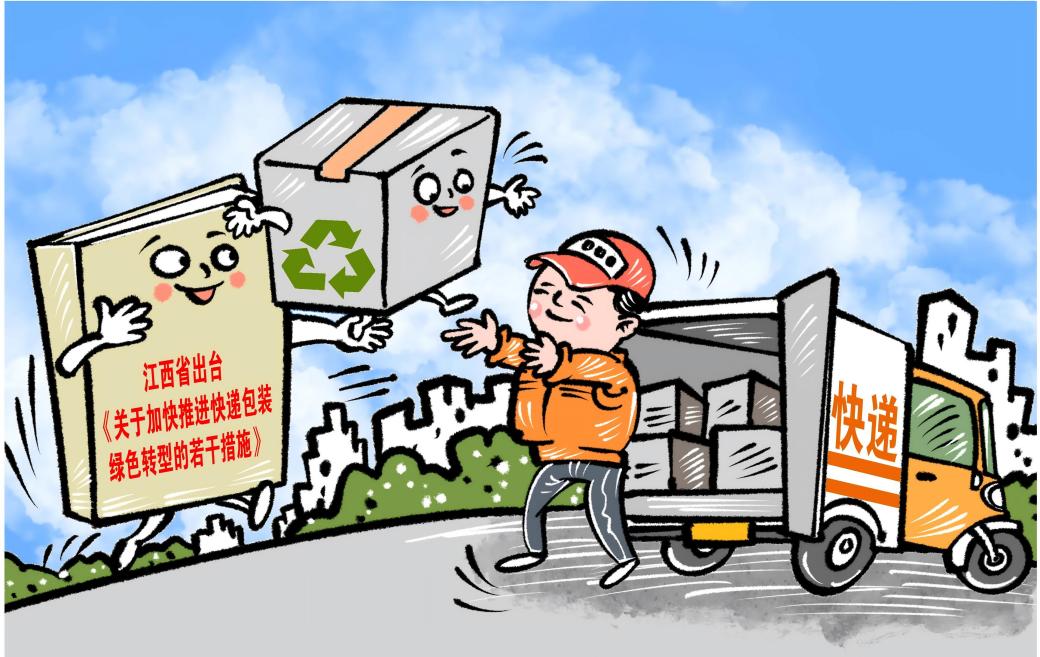
In response to relevant problems, China has introduced a series of measures to promote the development of green logistics, forming a governance pattern of "government guidance, enterprise leadership, and social participation".
At the government level, improve the policy, legal and standard system. The revised "Interim Regulations on Express Delivery" adds a special chapter on "express packaging", and issues mandatory standards such as "Requirements for Restricting Excessive Commodity Packaging", clarifying packaging requirements and prohibiting the use of non-degradable plastic tape. At the same time, it promotes new energy transportation equipment and encourages multimodal transport.
At the enterprise level, promote packaging reduction and recycling. Express enterprises promote "slim tape" and "tape-free cartons" to reduce the use of disposable plastics; some enterprises develop recyclable express boxes, packaging enterprises accelerate the industrialization of environmental protection materials, and e-commerce and express enterprises work together to reduce secondary packaging.
At the social level, strengthen publicity, guidance and supervision, improve consumers' environmental awareness, encourage express outlets to set up packaging recycling devices, use intelligent identification technology to improve supervision efficiency, and increase the investigation and punishment of excessive packaging behaviors.
Accelerated Green Transformation and Initial Results
Through the joint efforts of all parties, initial results have been achieved in the promotion of green logistics in China, and the level of greenization, reduction and recyclability of express packaging has been continuously improved.
The effect of packaging reduction is remarkable. The packaging ratio of "slim tape" below 45 millimeters nationwide has reached 90%, electronic waybills are basically fully covered, and the per-package usage of some enterprises has dropped significantly; 248 packaging products from hundreds of enterprises have passed green certification, and environmental protection materials are widely used.
The recycling system is gradually improved. Many express outlets in various regions have set up recycling devices, some enterprises have carried out pilot projects of recyclable express boxes, waste paper recycling technology has been improved, and carbon emissions in the logistics industry have been continuously optimized. Consumers' environmental awareness has been continuously improved, and more and more people take the initiative to participate in green express delivery. Although green logistics still faces controversies such as high costs and difficult recycling, with the joint efforts of all parties, the express delivery industry will surely achieve a win-win situation between ecological and economic benefits.

