


I. Livelihood Accounts: Hidden Increases in Household Expenses
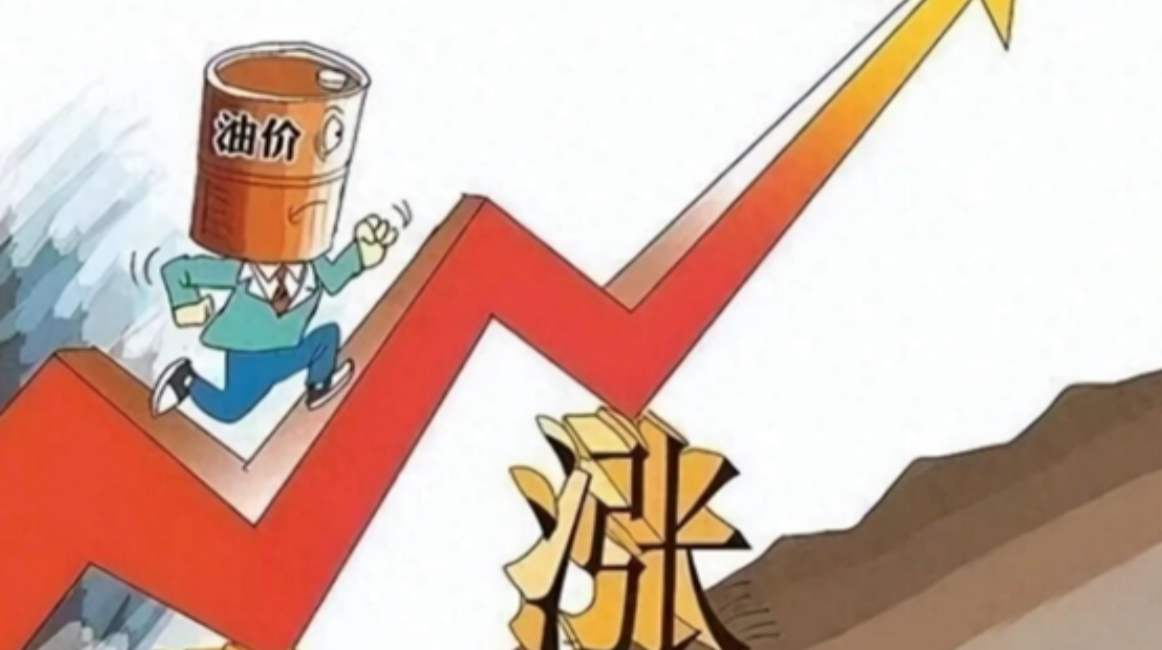
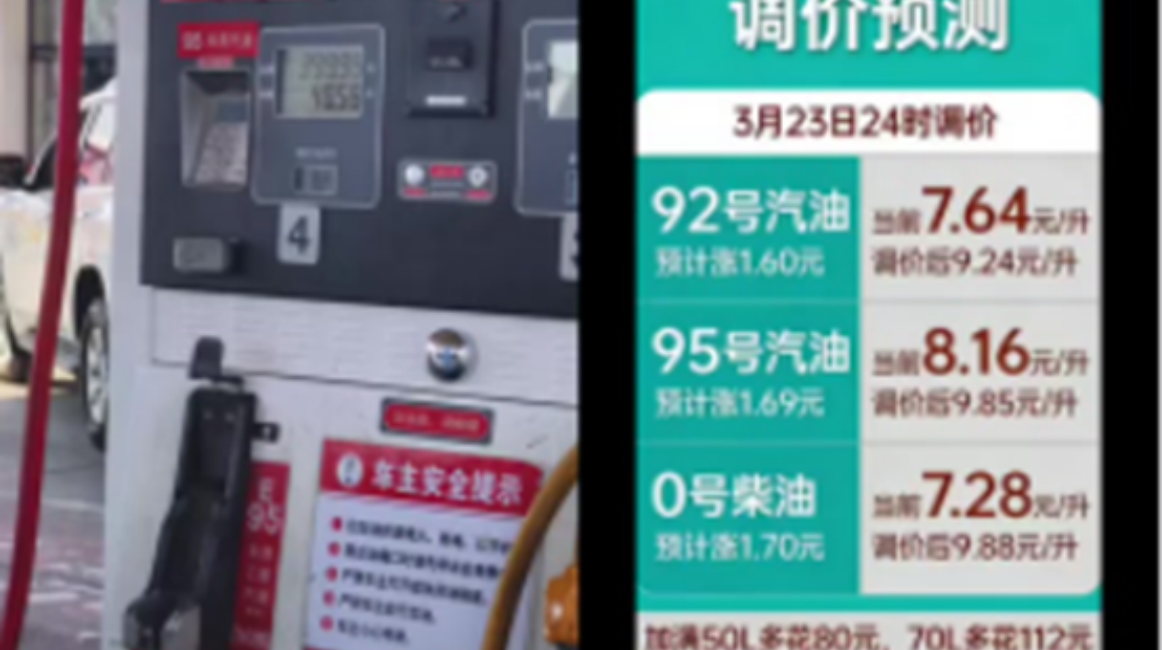
The most direct impact of rising oil prices lies in every household’s daily spending. Take a private car with a 50-liter fuel tank as an example: if gasoline prices rise by 1 yuan per liter, filling the tank costs an extra 50 yuan. For families commuting frequently, monthly fuel expenses can increase by over 400 yuan. More subtly, the indirect transmission: logistics costs account for 30%-40% of the prices of fresh produce and daily necessities. Rising oil prices push up courier fees and food delivery fees by 0.3-0.8 yuan per order, while vegetable, meat, and egg prices generally rise by 5%-10%. Low-income households are more severely affected—energy expenditures account for 6%-10% of their income, making their actual burden three times that of high-income households, forcing them to cut non-essential consumption.
II. Macroeconomy: Imported Inflation and Trade Pressure
As a country with over 70% dependence on crude oil imports, rising oil prices have a systemic impact on China’s macroeconomy. For every
20 billion, passively narrowing the trade surplus and putting periodic pressure on the RMB. The inflation transmission chain is equally clear: rising oil prices first push up the Producer Price Index (PPI) by 0.8-1.2 percentage points, then gradually pass through to the Consumer Price Index (CPI) by 0.3-0.5 percentage points, creating imported inflationary pressure. This places monetary policy in a dilemma between "stabilizing growth and fighting inflation." If inflation persists, accommodative policies such as interest rate cuts and reserve requirement ratio reductions may be delayed.
III. Industrial Chain Restructuring: Divergent Fortunes Across Sectors
High oil prices are triggering a redistribution of profits across the entire industrial chain, resulting in distinct structural divergence. Upstream oil and gas exploration enterprises are direct beneficiaries—companies like CNOOC have a barrel oil cost of only around
100 per barrel. Coal chemical enterprises leverage their "coal-to-oil substitution" advantage, with a unit product cost over 2,000 yuan lower than oil-based production, leading to a year-on-year net profit growth of over 50%. In contrast, downstream sectors such as transportation, chemical fiber, and textiles face severe pressure: jet fuel accounts for 30%-40% of airlines’ costs, potentially widening the first-quarter losses of China’s three major airlines. Chemical fiber enterprises see raw material costs rise by 30%, but sluggish downstream demand hinders price hikes, compressing the gross profit margin of small and medium-sized factories by over 15 percentage points.
IV. Energy Strategy: A Green Revolution Driven by Necessity
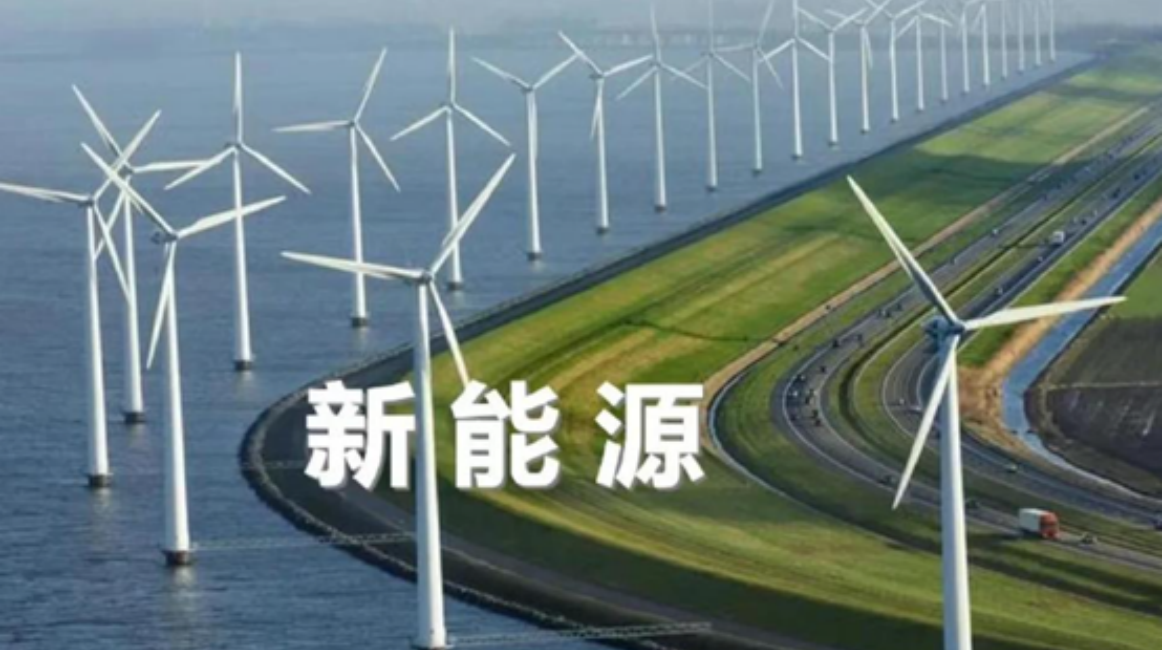
Short-term pains are accelerating the long-term transformation of China’s energy structure. High oil prices highlight the economic viability of new energy: electric vehicles (EVs) cost only 0.1 yuan per kilometer to operate, 1/4 to 1/6 that of gasoline-powered cars. For every 10% increase in oil prices, EV penetration can rise by 1.5%-2%. Driven by both policy and market forces, the share of non-fossil energy in China’s total energy consumption is expected to reach 25% by 2026, with new installed capacity targets for wind and solar power exceeding 200 million kilowatts. Traditional energy enterprises are also accelerating their transition—central enterprises like CNOOC are allocating 30% of their capital expenditure to offshore wind power, green hydrogen, and other fields, forming a dual-driver pattern of "ensuring oil and gas supply + deploying new energy."
V. Policy Buffers: Three-Tier Mechanism to Mitigate Short-Term Shocks
In response to soaring oil prices, China has established a multi-layered risk buffer system. The price regulation mechanism serves as the first line of defense: when international oil prices exceed $130 per barrel, a "price ceiling" is triggered. Recent regulations have reduced gasoline and diesel price hikes by 0.85 yuan per liter, saving private car owners 40-50 yuan per full tank. Strategic reserves play a stabilizing role—total crude oil reserves of 1.2-1.3 billion barrels can cover 140-180 days of net imports, far exceeding international safety standards. Diversified import channels further disperse risks: non-Middle Eastern suppliers such as Russia and Brazil now account for over 50% of imports, with land routes like the China-Russia crude oil pipeline ensuring stable core supply.

