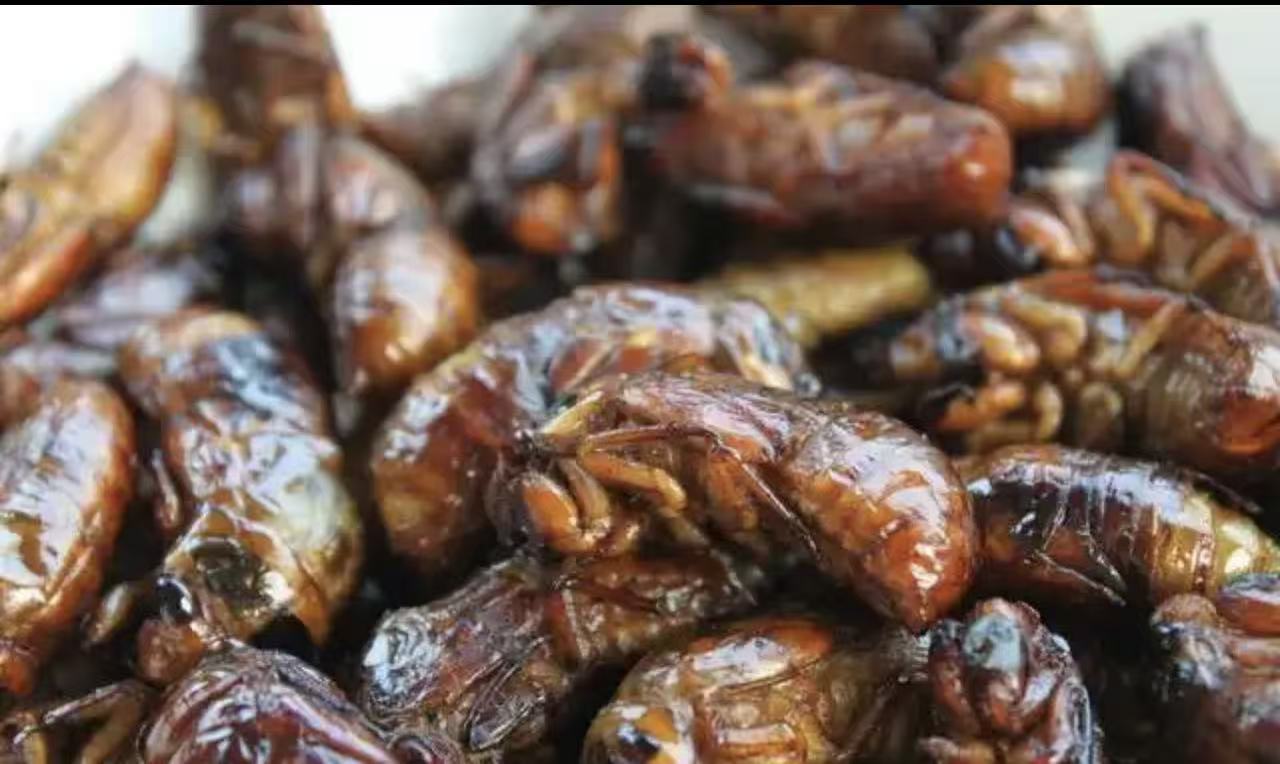


China is a vast country with a rich and ancient culinary culture, boasting countless flavors from south to north. However, among this dazzling array of delicacies, some foods are inherently controversial: some consider them the pinnacle of flavor, while others avoid them like the plague. Quanzhou sea worm jelly, Yunnan sa pie, Liuzhou snail rice noodles, and balut (fertilized duck egg)... these highly distinctive regional foods often become the focus of public discussion. But behind the controversy lies our understanding and tolerance of cultural diversity.
Controversy often stems from differences in perception. Many niche foods have unique ingredients and preparation methods, exceeding most people's daily experience. Like sea worm jelly, its translucent, jelly-like form hides star worms, which may initially intimidate and be difficult for first-time visitors to accept. But for the people of southern Fujian, it is a gift from the sea, a centuries-old tradition of nostalgia, and a memory etched into their taste buds. Taste is neither superior nor inferior; habits differ. We shouldn't judge others' preferences by our own standards.
Behind the controversy lies the unique expression of regional culture. Every controversial delicacy is rooted in its local environment, carrying the history, climate, and wisdom of the region. The pungent smell of snail rice noodles comes from fermentation; the freshness of sea worm jelly is a natural flavor bestowed by the ocean. These are not acts of deliberate exoticism, but rather survival and culinary methods discovered by locals over countless years. These foods have long transcended mere eating, becoming symbols of regional culture and vibrant carriers of intangible cultural heritage.
The true attitude towards controversial foods is not rejection or denigration, but respect and tolerance. Taste preferences vary from person to person, but the charm of culture lies in its diversity. We may not like them, but we don't have to deny them; we may not try them, but we should respect them. An inclusive society allows different tastes to exist and allows niche cultures to shine. It is this tolerance that allows Chinese cuisine to flourish and regional flavors to be passed down through generations.
Food itself is neither right nor wrong; flavors are multifaceted. Those controversial Chinese dishes are not about the bizarre or the exotic, but rather the most authentic cultural fabric of everyday life. May we all embrace different flavors with an open mind, respect every kind of homesickness, and make Chinese food culture even more vibrant and colorful through understanding and appreciation.