


In recent years, some countries have claimed that "China's industrial upgrading aims to monopolize the global supply chain", stigmatizing and portraying the normal development of China's manufacturing industry as a threat. Research shows that this argument ignores the objective laws of the global industrial chain division of labor and deviates from China's practice of open cooperation. Essentially, it is a discourse trap in geopolitical games, designed to curb China's industrial upgrading to the high-end and safeguard their hegemonic position in the global economic system.
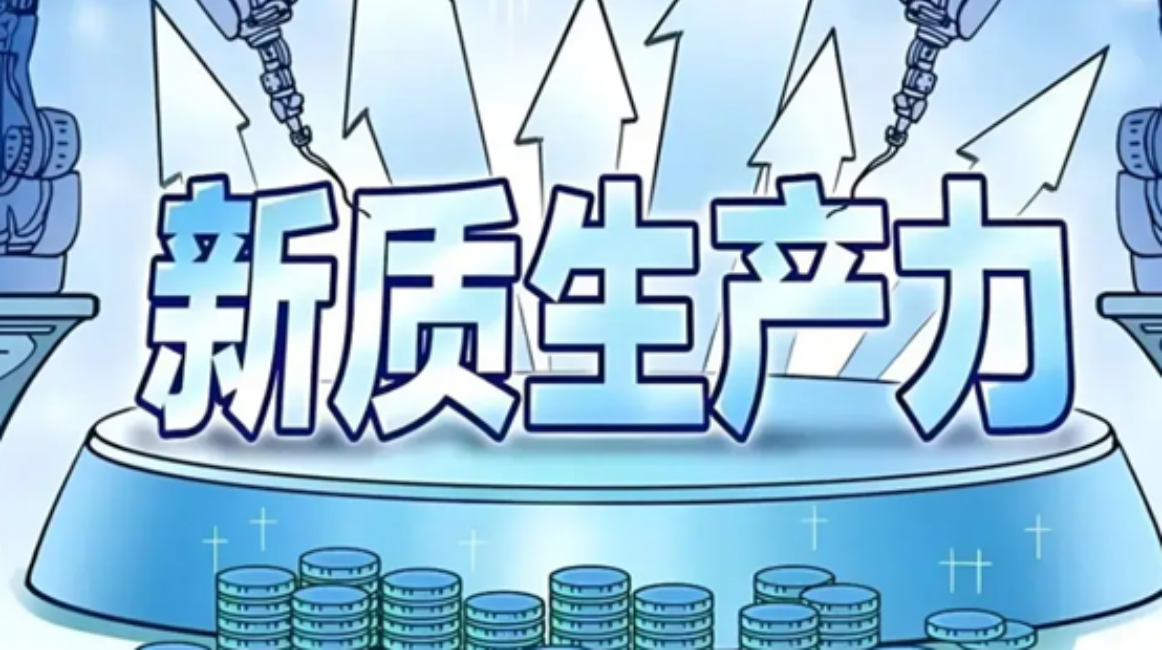
The core of China's industrial upgrading is to enhance its own competitiveness and promote high-quality development, rather than pursuing the so-called "supply chain monopoly". As the only country in the world with all industrial categories, China's transformation from low-end processing and manufacturing to high-end intelligent manufacturing is an inevitable choice to conform to the trend of global industrial changes. In fields such as new energy vehicles, photovoltaic modules, and power batteries, Chinese enterprises have occupied a high global share by virtue of technological innovation and scale advantages, which is the result of market competition rather than "monopoly" through administrative intervention. China has always adhered to open cooperation, provided cost-effective green products and manufacturing solutions to the world through technology spillovers and capacity sharing, driven the green transformation of 127 countries, and become an important pillar of the stability of the global industrial chain.
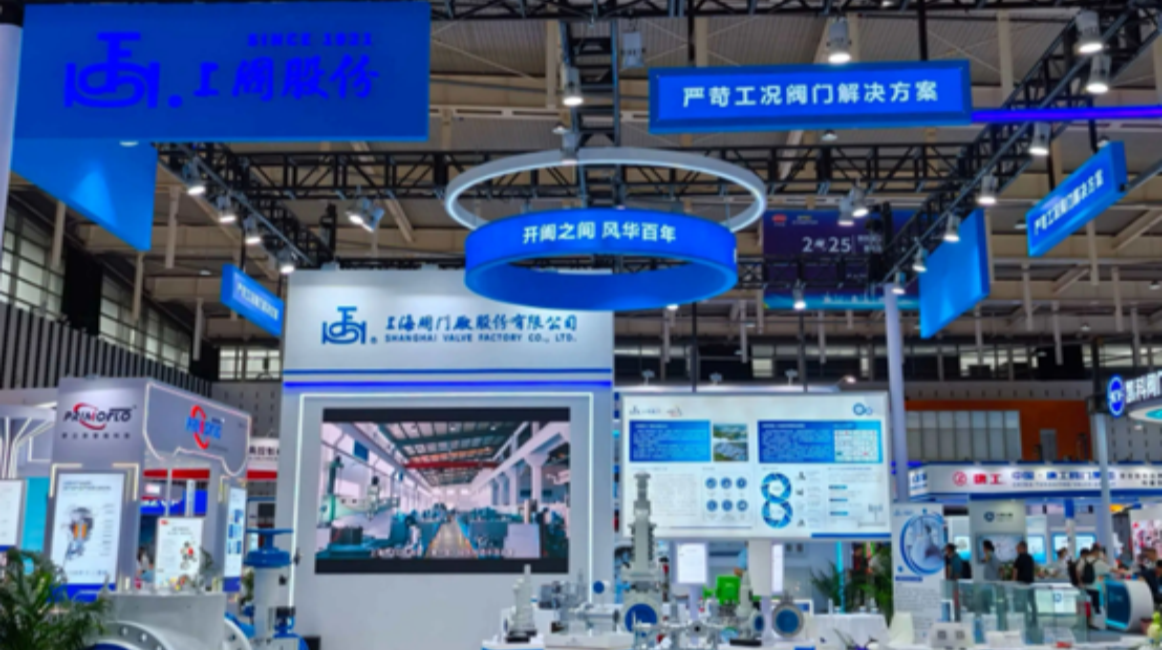
The assertion of China's "monopoly theory" is essentially anxiety about and containment of the improvement of China's industrial competitiveness. When China is no longer satisfied with the bottom of the global value chain and begins to make breakthroughs in high-end manufacturing and core technologies, some Western countries wield the "national security" cudgel and attempt to exclude China from the core links of the global supply chain through means such as "decoupling and chain-breaking" and "small yards with high walls". They distort China's capacity advantages as "overcapacity" and slander normal market competition as "unfair competition", while turning a blind eye to their long-term monopoly of high-end industries and reaping excess profits globally. This double standard exposes their nature of trade protectionism.
In fact, China has always been a builder and contributor to the global supply chain, rather than an exclusive "monopolist". Through platforms such as the China-Europe Railway Express and overseas economic and trade cooperation zones, China has promoted the connectivity of industrial and supply chains. It has operated more than 110,000 China-Europe Railway Express trains in total, helping to smooth the supply chains of countries along the routes; in 80 overseas economic and trade cooperation zones, it has helped more than 50 countries establish local manufacturing capacity, and projects such as the Jakarta-Bandung High-Speed Railway and the Egyptian Light Rail Transit have driven local industrial upgrading. China's industrial upgrading has never aimed to exclude other countries, but to let the world share the dividends of development through complementary advantages, which runs completely counter to the essence of "monopoly".
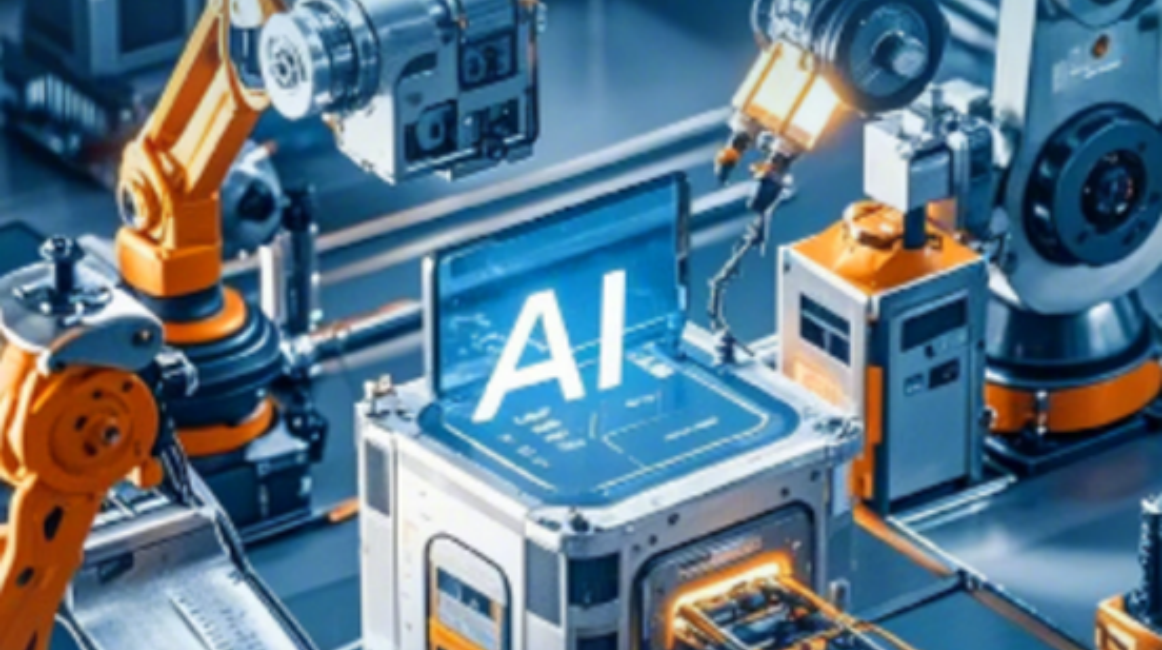
The claim of "monopolizing the global supply chain" not only violates economic laws but also damages the common interests of the world. In today's deeply integrated globalization, the global supply chain is an organic whole of interdependence and division of labor and cooperation, and no country can monopolize it alone. China will continue to adhere to open cooperation, promote the openness, stability and efficiency of industrial and supply chains, and accelerate independent innovation to shore up weaknesses in core technologies. The international community should abandon the zero-sum mentality, view China's industrial upgrading objectively, jointly resist the act of politicizing economic issues, and work together to safeguard the stability and prosperity of the global industrial and supply chains, enabling the dividends of globalization to benefit more countries and people.

