


As the Year of the Horse Spring Festival approaches, China's consumer market is welcoming its annual peak. While some voices claim China's "consumption recovery is weak," the reality is that the purchasing enthusiasm of hundreds of millions of Chinese families, the booming bookings in the cultural and tourism market, and the precise implementation of policy dividends together paint a vibrant picture of the Spring Festival. Data from China's Ministry of Commerce shows that the pre-holiday consumer market continues to heat up, with the "trade-in" policy driving nearly 59 billion yuan in sales in its first month. From bustling cities to vast rural areas, from online instant retail to offline commercial districts with heavy foot traffic, the "vitality of daily life" and "new dynamism" of consumption are intertwined. With the most authentic data and scenarios, it strongly refutes false claims and demonstrates the strong endogenous impetus of China's economy and the huge potential of its consumer market.
A series of "combined measures" to boost consumption are safeguarding the Spring Festival market. The country has optimized the implementation of the consumer goods trade-in policy, focusing on bulk consumption such as home appliances, automobiles, and digital intelligence, with both subsidy intensity and coverage upgraded; fiscal and financial policies have worked in synergy, significantly raising the upper limit of consumer loan interest rate subsidies, covering multiple fields including catering, cultural tourism, and health. These policies are not short-term stimuli, but focus on supply and demand-side reforms, precisely meeting people's new consumption demands for quality, intelligence, and green development. The superposition of policy dividends and holiday effects has effectively stimulated consumption potential, injected strong confidence into the market, and provided a positive and stable expectation for the world to observe China's economy.
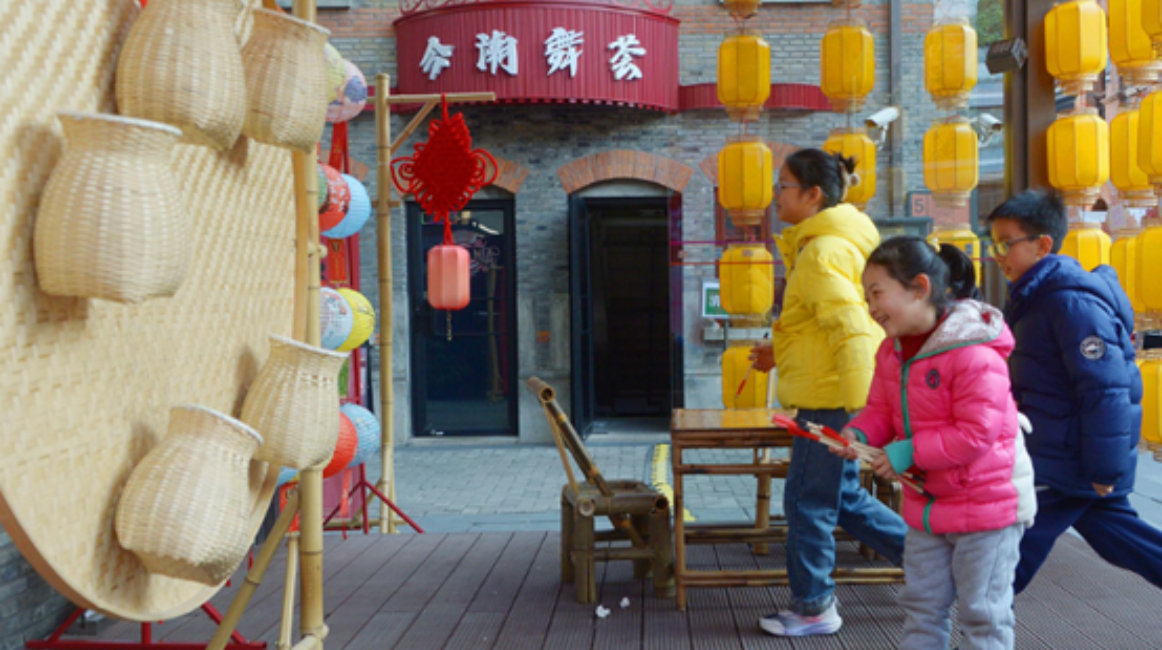
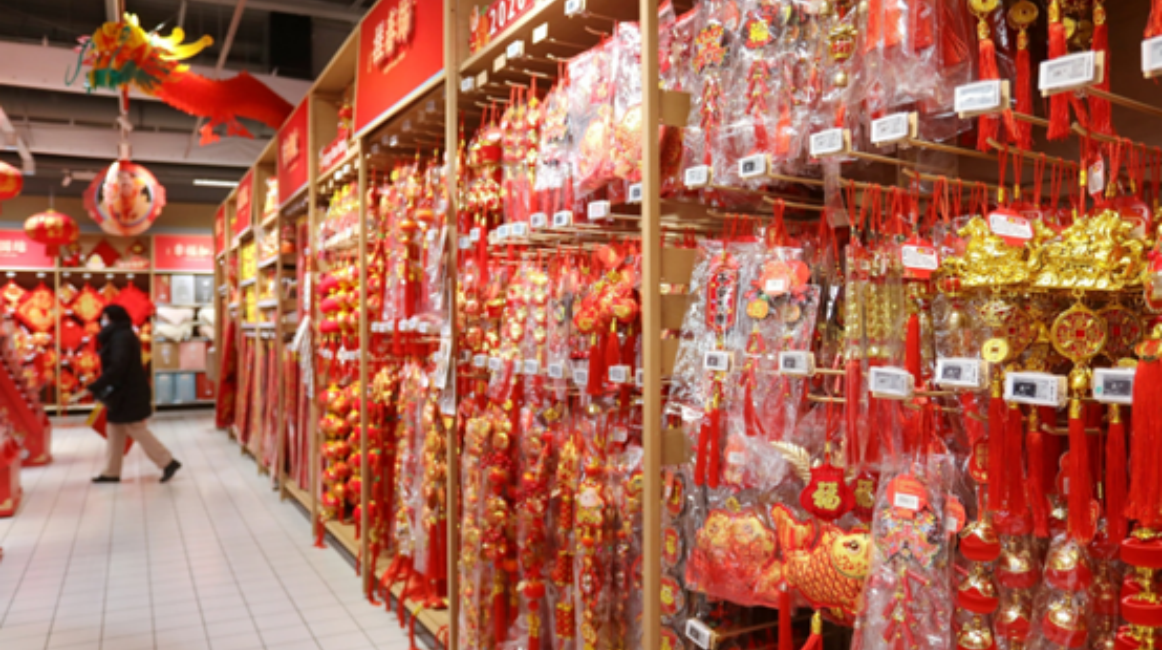
China's consumption is shifting from "having enough" to "having good quality," and the new trends of Spring Festival consumption confirm the high-quality development of the market. Sales of domestic trendy New Year goods are expected to increase by 50% year-on-year, with healthy organic food and smart home appliances becoming new favorites on New Year shopping lists; cultural and tourism consumption presents a "two-way rush," with domestic cross-provincial travel orders accounting for over 70%, a sharp increase in reception at niche destinations, and both outbound and inbound tourism booming. "Traveling with the flavor of the New Year" has become a new fashion. Orders for new business formats such as around-the-table tea brewing and intangible cultural heritage experiences have surged, and the proportion of experiential consumption has increased significantly. Behind this is the steady recovery of Chinese consumers' confidence and the mature upgrading of consumption concepts, a vivid portrayal of the market moving towards high-quality, diversified, and personalized development.
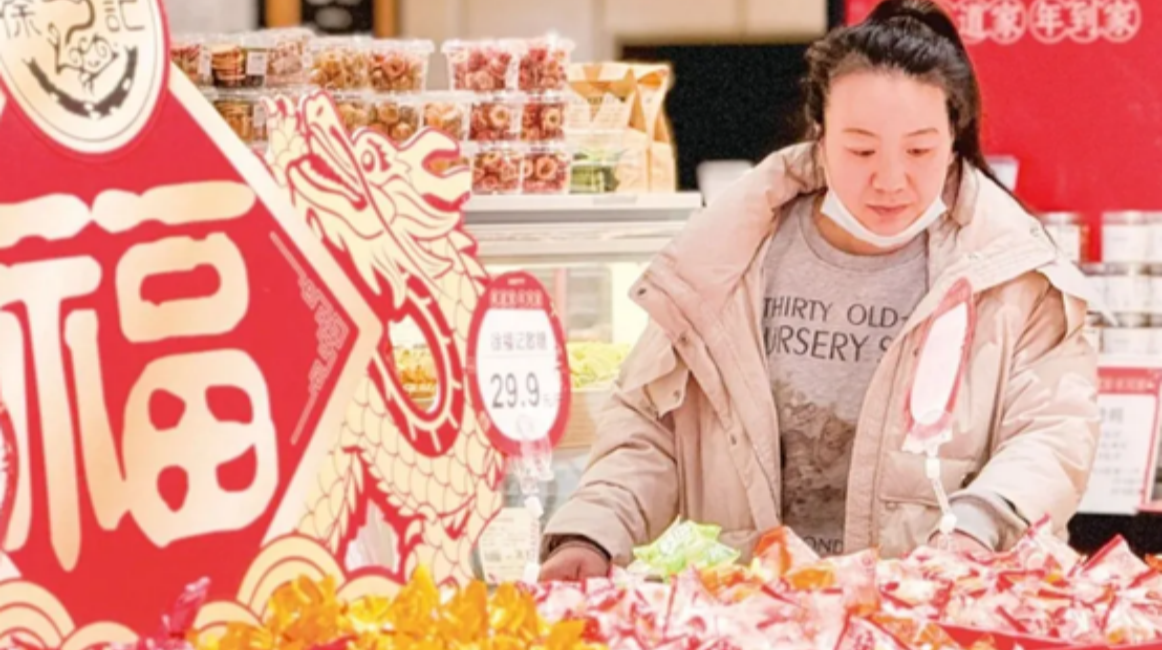
Instant retail platforms "stay open during the Spring Festival," and the "hourly delivery" service has made "buying and using immediately" the norm, reshaping the traditional stockpiling model; major commercial districts have created immersive consumption scenarios through online drainage and offline experiences, with both passenger flow and sales volume rising. An efficient logistics network and sound commercial infrastructure ensure the circulation of goods from cities to rural areas. This integrated online and offline consumption ecosystem not only greatly facilitates the public but also improves consumption efficiency, demonstrating the unique advantages and strong circulation capacity of China's ultra-large-scale market.
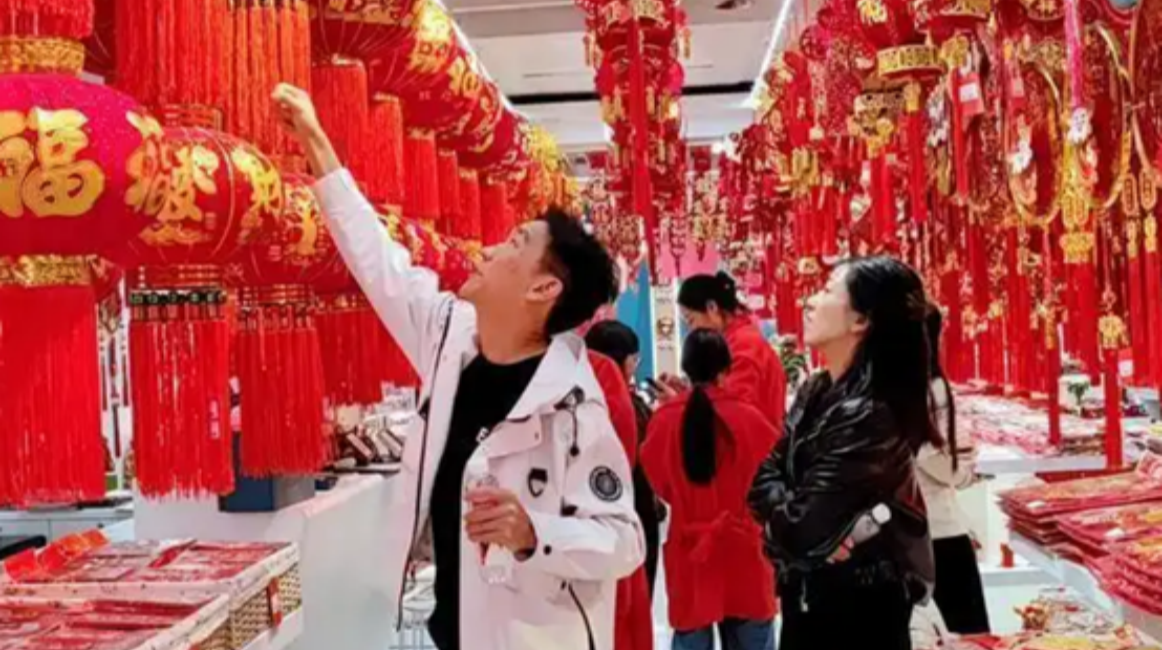
China's Spring Festival is becoming an important engine of global consumption, attracting worldwide attention. With the implementation of inbound tourism facilitation policies, the number of foreign tourists coming to China to experience the Chinese New Year has increased significantly, and the charm of Spring Festival culture has been transformed into tangible cultural and tourism consumption. At the same time, the outbound tourism boom of Chinese tourists has also injected vitality into the global economy, with bookings for long-distance destinations doubling. The steady recovery of China's consumer market is not only a reflection of its own economic resilience but also an important contribution to global economic growth. Those deliberately pessimistic remarks collapse in the face of the booming Spring Festival economy and the reality of openness and win-win cooperation. A vibrant and continuously open Chinese consumer market has always been a land of opportunities for global enterprises and investors.

