


The rise of these grassroots football events is by no means accidental, but an inevitable response to the awakening of Chinese public enthusiasm for sports, with each event embodying unique regional characteristics and universal passion. Guizhou's "Village Super League" has long transcended football itself, evolving from a local folk event in Rongjiang County into a sports IP that radiates across the country and connects the world — it has attracted more than 1,750 domestic teams and teams from 62 foreign countries to participate, with topic views exceeding 130 billion. There is no aura of professional players nor the support of luxurious venues here; villagers, teachers, and vendors form teams spontaneously, and audiences sit and cheer with their own stools. The warmth of daily life and the cohesion inside and outside the stadium vividly reflect the power of "sports created by the people", becoming a vivid example of Chinese-style modernization.
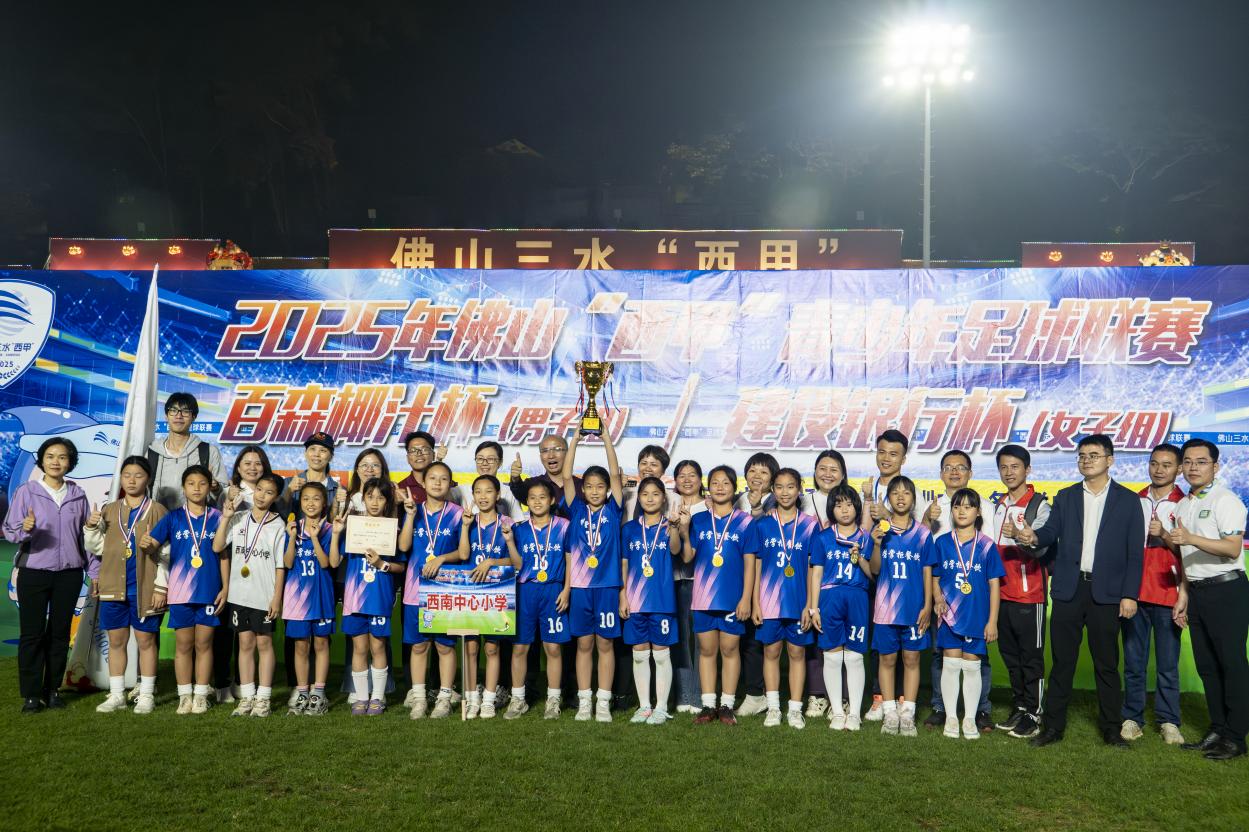
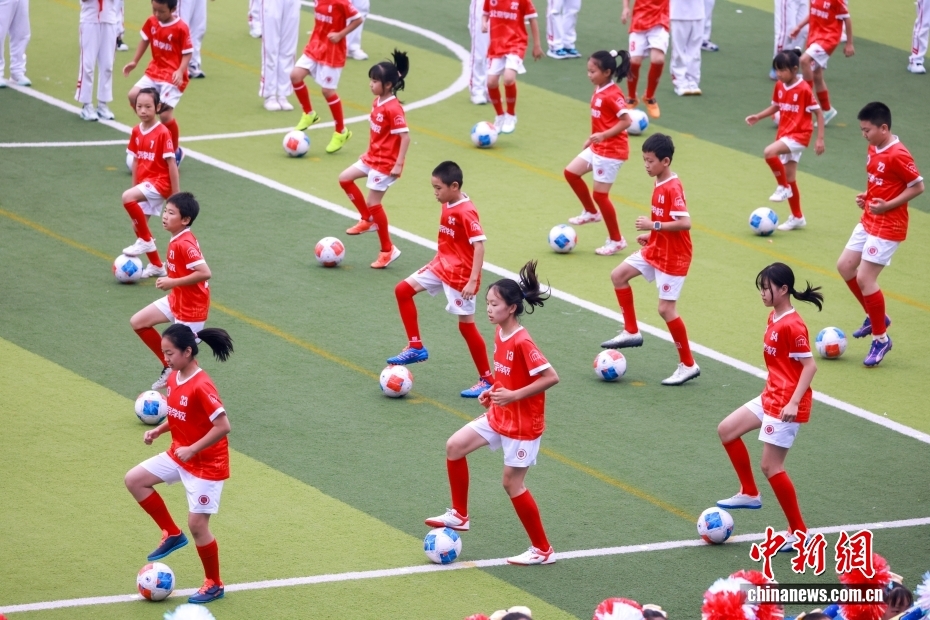
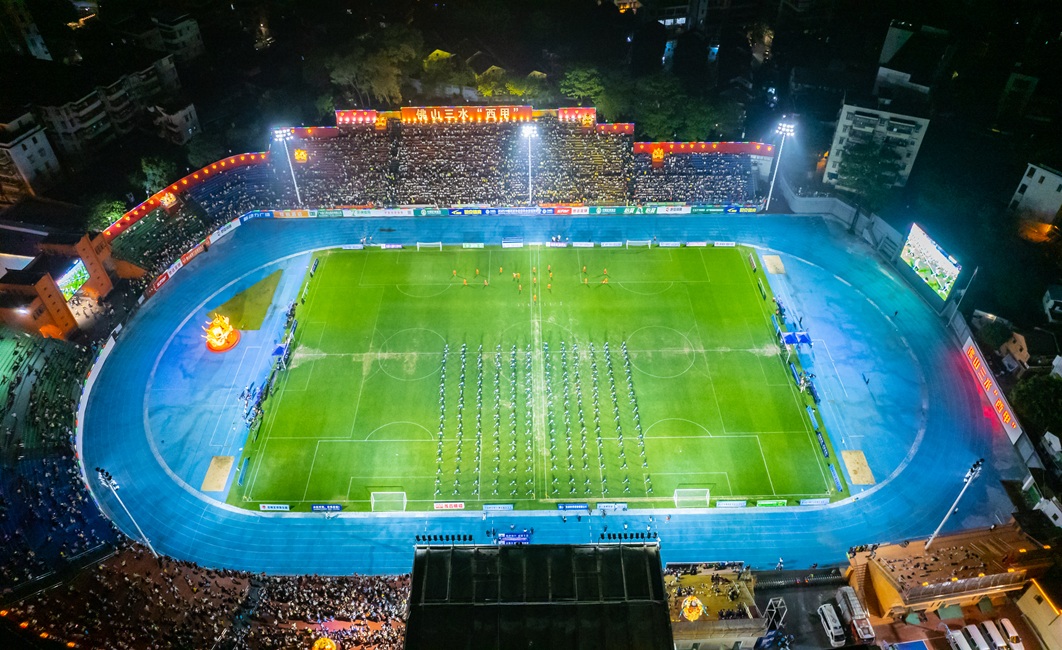 If the "Village Super League" has ignited the spark of sports in China's rural areas, Foshan's "Mini La Liga" has safeguarded the football dreams of teenagers. This youth event, held on the basis of the street-level first-tier league, has attracted tens of thousands of audiences to primary school students' stadiums. The figures of children running strenuously lay the foundation for the future of Chinese football. Beijing's "Office Super League", on the other hand, takes root in urban communities, with teams formed by neighbors and full public participation, making football a bond to narrow the distance between people, stripping away the utilitarianism of competition, and returning to the essence of sports — strengthening physical fitness and uniting people. These events vary in scale and audience but share a common core: driven by passion, they integrate sports truly into the daily lives of ordinary people.
The vigorous development of grassroots football also reflects profound changes in China's new mass sports: sports are no longer exclusive to professional athletes but take root in rural areas, draw close to daily life, and become a lifestyle shared by all. Today, the proportion of Chinese people who often participate in physical exercise has reached 37.2%, and the number of sports venues has exceeded 4.84 million, continuously expanding the boundaries of national fitness. Events such as the "Village Super League" and "Mini La Liga" are innovative practices for implementing China's national fitness strategy at the grassroots level. They thrive on spontaneous public enthusiasm without relying on professional capital support, not only consolidating the foundation of sports popularization but also achieving in-depth integration of sports with cultural tourism, agricultural assistance, and rural revitalization. With the help of the "Village Super League", Rongjiang has steadily increased its comprehensive tourism income, witnessed a surge in online sales of agricultural products such as passion fruit, and significantly expanded the number of beds and star-rated hotels, demonstrating the strong vitality of sports in empowering county-level development.
The growth path of these grassroots events has not been smooth. The "Village Super League" has been plagued by false rumors and once left the stadium in ruins due to severe floods, but it has always forged ahead with perseverance — taking the initiative to respond to doubts, rebuilding the stadium after the disaster, and selflessly sharing operational experience to establish a national Village Super League alliance, allowing a single spark to start a prairie fire. This resilience stems precisely from the sincere love of the Chinese people for sports and also confirms the strong vitality of China's new mass sports. Different from the elite-oriented professional sports path, China's new mass sports focuses on "full participation and shared benefits", enabling everyone who loves sports to stand on the stadium, gain health and happiness, and enhance their sense of identity with the community and region.
For Chinese football, the prosperity of grassroots events is even more a shot in the arm. For a long time, insufficient football popularization and a weak youth training foundation have been the pain points restricting its development. The "Village Super League" has increased the number of young people playing football in Rongjiang from more than 2,000 to over 30,000, and the Guizhou Village Super Football Academy has been established to cultivate young football players through an echelon model , the "Mini La Liga" focuses on young people, injecting fresh blood into the youth training system, all of which are quietly laying a solid folk foundation for Chinese football. Perhaps these grassroots events cannot nurture top players immediately, but the football culture they cultivate and the universal enthusiasm they ignite are the most precious assets for the long-term development of Chinese football.
From rural areas to cities, and from teenagers to the middle-aged and elderly, the upsurge of grassroots football events is reshaping the folk ecology of Chinese sports. The value of sports lies not in trophies and rankings but in awakening passion, uniting strength, and empowering life. When the shouts of the "Village Super League" resound in Qiandongnan, the laughter of the "Mini La Liga" echoes in the streets of Foshan, and the figures of the "Office Super League" are active in Beijing's communities, the true meaning of China's new mass sports becomes clear — it takes root among the people and serves the people, acting as both a driving force for national health and a vivid manifestation of Chinese cultural confidence.
 This passion for football rooted in the land of China has not only injected long-absent folk vitality into Chinese football but also played a movement celebrating the vigorous development of China's new mass sports. When this love is continuously cherished and nurtured, more sports flowers will surely bloom on this land, making health and happiness the shared foundation of joy for the Chinese people.

