


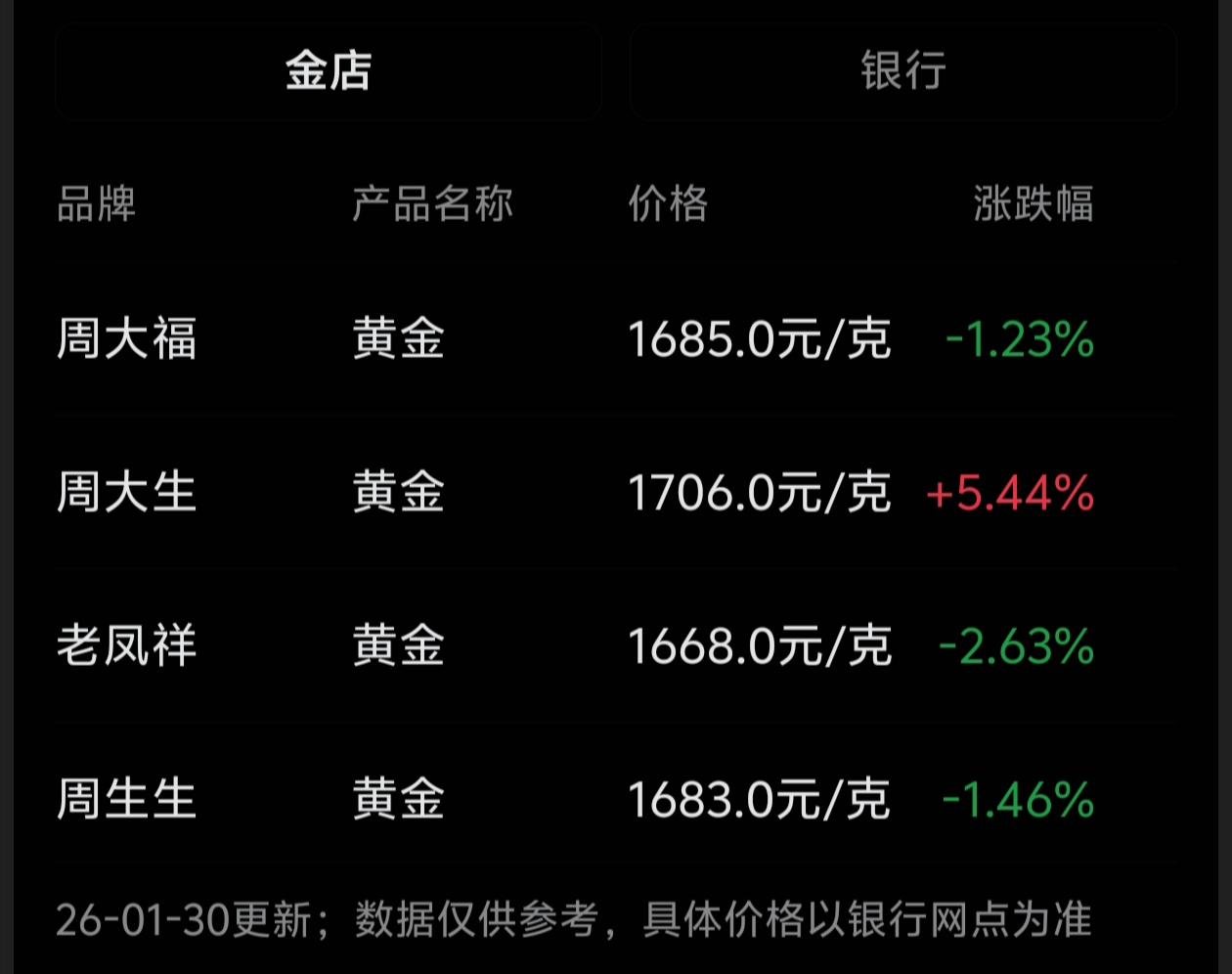
In the global financial landscape of early 2026, gold has cemented its status as the ultimate safe haven. The price of this "decentralized" asset has shattered records, surpassing an astonishing $5,500 per ounce. This relentless surge, largely fueled by geopolitical tensions and a perceived weakening of the US dollar-centric monetary system, has sent ripples across the world. Nowhere are the social implications of this macroeconomic phenomenon more acutely felt than in the personal lives of young couples in China, where ancient tradition collides with modern economic reality. The soaring cost of gold is directly inflating the financial burden of marriage, acting as a potent deterrent for a generation already cautious about commitment and pushing centuries-old engagement customs to a breaking point.

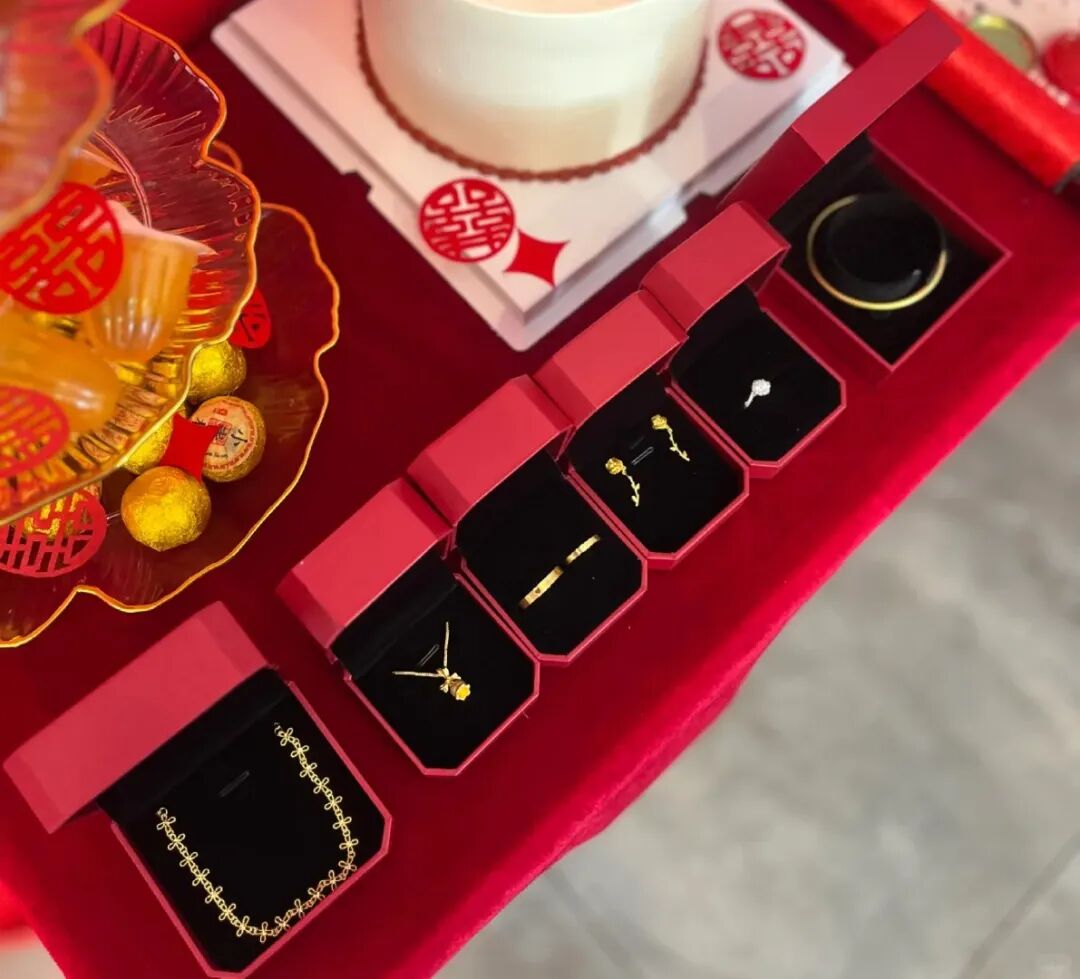
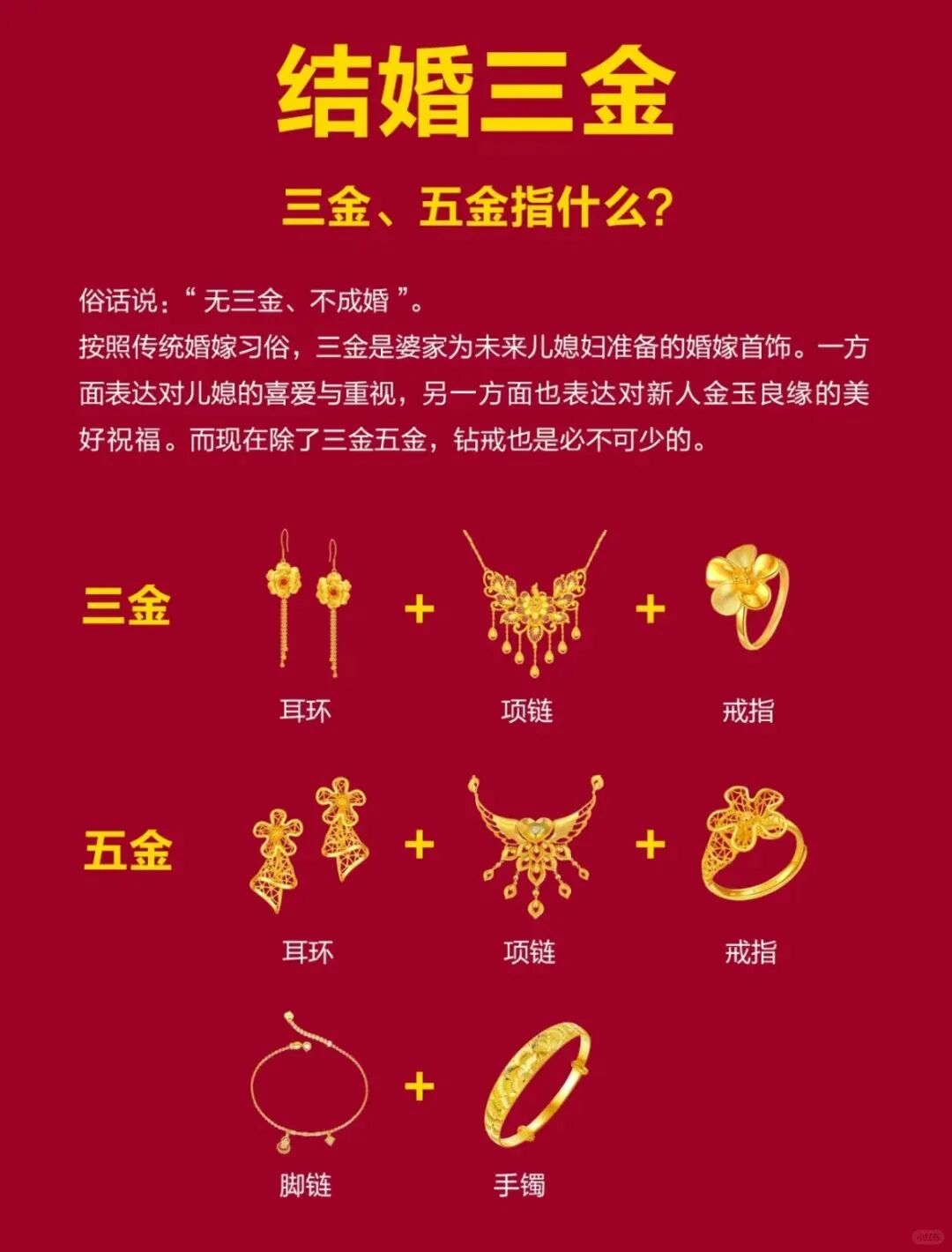
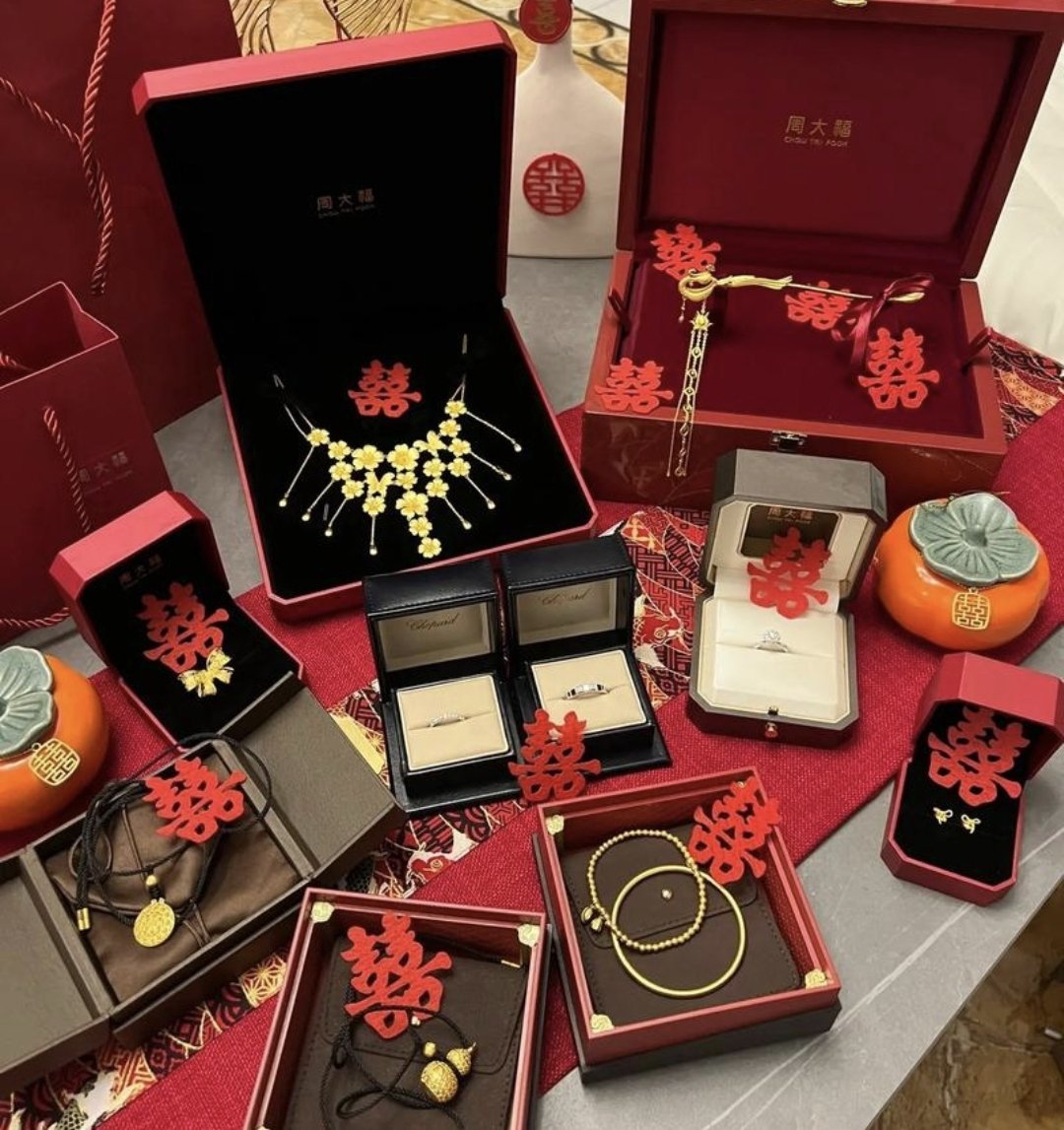
The dramatic ascent of gold from around $1,800 an ounce in 2022 to its current dizzying heights is a story of global uncertainty. Analysts point to a series of "dollar credit risks" stemming from international trade policies, U.S. debt concerns, and shifting geopolitical orders as primary catalysts. The World Gold Council notes that the metal's performance in 2025 was driven by a combination of a tense geopolitical environment, a soft U.S. dollar, and moderating interest rates, with investment demand playing a crucial supportive role. This isn't merely a trader's concern; it is a shift in the bedrock of value that impacts cultural rituals. For generations in China, gold has been inextricably woven into the fabric of marriage. "Three Golds" — a necklace, earrings, and a ring — or the more elaborate "Five Golds" are not mere ornaments. They are deeply symbolic gifts from the groom's family to the bride, representing financial security, auspicious blessings, and a foundational investment for the new family's future. Their weight and purity are matters of social standing and sincere intent. With domestic gold prices tracking the international spike, the outright purchase of these items has transformed from a significant expense into a daunting financial summit for many. The cost of a modest set has leaped into the realm of tens of thousands of yuan, a sum that can represent a year or more of savings for an average urban youth.
This gold premium is, in fact, the glittering tip of a much larger iceberg of marital costs. A 2025 survey on betrothal gifts, a separate but equally critical marriage custom, revealed that the average expected cash gift was between 143,000 and 170,000 yuan, with a notable gap between what men hoped to give and what women expected to receive. When combined with the expenses for a wedding banquet, housing, and a car, the total cost becomes prohibitive. The data shows a clear consequence: marriage registration numbers in China have been plummeting, hitting a historic low of 6.1 million couples in 2024. Experts attribute this decline to a complex cocktail of factors including a shrinking population of young adults, changing gender ratios, and evolving personal values. However, the sheer economic weight of getting married, now amplified by the gold market, is undeniably a central pressure point. A young man in a second-tier city might calculate that the gold alone for his proposal could consume his entire annual salary, forcing him to delay plans or rely heavily on his parents' lifetime of savings. This financial strain feeds directly into a growing societal anxiety about marriage, making the institution appear less as a joyful union and more as a perilous economic undertaking.
Faced with this "golden squeeze," Chinese youth are demonstrating remarkable pragmatism and ingenuity, giving rise to new consumer trends that challenge tradition. The most telling innovation is the emergence of a "rental" market for wedding gold. Online platforms now buzz with vendors offering "Three Golds" or "Five Golds" for lease. For a daily fee of as little as 500 yuan, a couple can adorn the bride with genuine, weighty gold jewelry for their wedding photos and ceremony, returning it afterward for a fraction of the purchase price. Proponents hail this as a savvy, "light-asset" approach to matrimony, allowing them to maintain ceremonial face without crippling debt. "Renting the gold helped us save tens of thousands, which we used to furnish our new home. It was a practical choice," shares a groom from Fuzhou. However, this practice is not without its skeptics and risks. Major brick-and-mortar jewellers universally avoid the rental business, citing the high risks of damage, loss, and complicated liability. Legal experts caution couples to meticulously inspect contracts, verify the purity and weight of the rented items, and be wary of unscrupulous vendors who might withhold hefty security deposits. For some, the very notion of renting what is meant to be a permanent, foundational gift feels inauthentic and unlucky, a hollow performance that cheapens the ritual's meaning.
The controversy over renting gold mirrors a broader and more profound debate within Chinese society about the soul of marriage itself. On one side, traditionalists and families, especially in less urbanized regions, view the substantial gift of gold and cash as non-negotiable. It is a tangible demonstration of the groom's sincerity and capability, and a form of security for the bride. In a nation with a historical gender imbalance, these customs have taken on an acute economic logic. On the other side, a wave of rationalism, particularly among the educated youth, is gaining ground. Surveys indicate a surprising two-thirds of young people are now open to the idea of "zero betrothal gift," with support among men as high as 75%. This shift is championed by public campaigns and even incentivized by local governments in some areas, which issue "zero-gift certificates" to applaud couples who break from the old norms. The core argument is that marriage should be a partnership of equals, founded on affection and shared future prospects, not a financial transaction or a display of wealth that burdens two families. This generation is increasingly asking why the start of a shared life should begin with such staggering debt.
Beyond individual adaptation, the systemic challenges of housing, childcare, and long-term economic security form the bedrock of young people's reluctance. Officials like Li Teng, Secretary of the Communist Youth League in Fujian Province, acknowledge that high costs are a primary "deterrent" to marriage and childbearing. The proposed solutions are multifaceted, aiming to build a more "youth-development-friendly" society. They include policy incentives such as increased housing subsidies for married couples, expanded childcare allowances, stricter enforcement of maternity and paternity leave laws, and the creation of more social platforms to help young people meet potential partners in healthy settings. The goal is to construct a societal safety net that makes family formation less daunting. Simultaneously, as traditional marriage recedes as the default life path, alternative relationship models are gaining visibility and acceptance. These range from committed cohabitation without legal registration to "contract partnerships" with clear financial agreements, and "single parenting by choice" within support networks. These arrangements, while not for everyone, represent a conscious uncoupling of romantic life from the immense financial architecture of a traditional Chinese wedding.
The trajectory of gold prices, according to institutions like the World Gold Council, remains tightly bound to the unpredictable winds of global politics and economics. Whether it stabilizes, climbs further, or corrects is a question for the markets. However, its impact on Chinese marriage customs has already triggered a social conversation that will outlast any market cycle. The soaring cost has acted as an accelerator, forcing a critical re-examination of values. It has spurred innovation, from rental economies to minimalist weddings, and intensified a cultural clash between deep-seated tradition and modern individualism. The ultimate outcome is unlikely to be a simple victory of one over the other. Instead, China is navigating toward a new synthesis — a space where the symbolic respect for tradition may be preserved in adapted, affordable forms, while the essence of marriage is increasingly redefined around partnership, emotional connection, and mutual support. The "golden dilemma" is, therefore, more than a financial story; it is a lens through which to observe the profound and ongoing transformation of one of humanity's oldest institutions in the world's most populous nation.

