


Consumption is the main engine of China's economic growth. It has long contributed more than 50% to economic development on average, undertaking the important mission of boosting domestic demand and benefiting people's livelihood. In recent years, affected by multiple factors, China's consumer market has experienced periodic weakness with structural decline in consumption capacity. However, this is not a short-term fluctuation, but a phased phenomenon caused by the superposition of multiple contradictions. Faced with challenges, the state has introduced a series of precise measures to gradually release consumption potential, promote the consumer market from recovery to positive upgrading, and demonstrate strong resilience and vitality.
The Weak Performance of China's Consumption Capacity
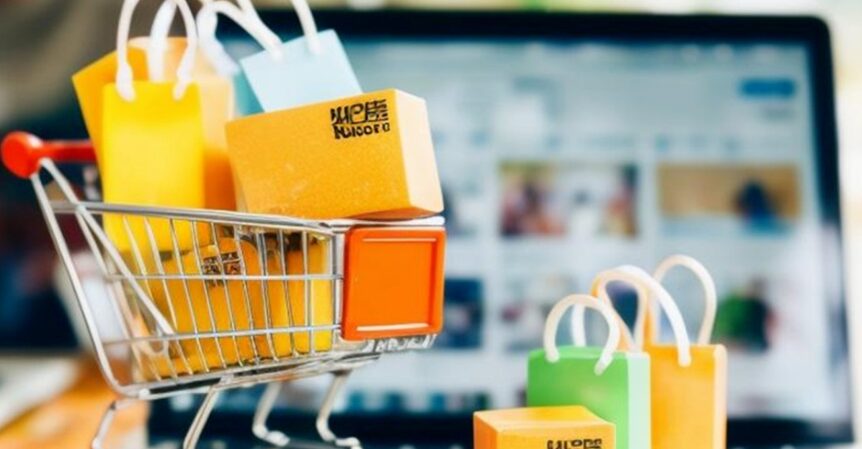
At present, China's consumer market is characterized by the "coexistence of total growth and structural weakness". From a data perspective, the total retail sales of consumer goods increased from 39.05 trillion yuan to 48.33 trillion yuan between 2020 and 2024, with an average annual growth rate of 5.5%. However, the growth rate fluctuated significantly, slowing down to 3.5% in 2024, rebounding to 4.5% in the first three quarters of 2025, and only 3.0% in September alone, indicating insufficient momentum.
The weakness of consumption is more prominently reflected in the structure: first, the contribution rate of consumption has dropped sharply, with the contribution rate of final consumption to GDP growth falling from 82.5% in 2023 to 44.5% in 2024, the second lowest since 2008; second, the consumption propensity is low, with the average household consumption propensity in 2024 being 68.3%, a decrease of 2-3 percentage points compared with that before the epidemic, and further dropping to 65.6% in the first half of 2025, which is lower than the level of developed countries; third, it presents a "K-shaped recovery", with high-end consumption remaining strong, while middle and low-income groups have shifted to cost-effective consumption, leading to a decline in per capita consumption in fields such as tourism and luxury goods[superscript:3]. In addition, there is still a gap between urban and rural consumption, with the Engel coefficient of rural residents higher than that of urban residents and a relatively high proportion of basic consumption.
The Core Causes of Weak Consumption Capacity
The weakness of consumption capacity is the result of the superposition of multiple factors such as income expectations and wealth effects, with the core being the dual constraints on residents' consumption capacity and confidence.
First, the slowdown in income growth and sluggish expectations are the fundamental constraints. From 2019 to 2024, the growth rate of per capita disposable income of residents dropped from 8.9% to 5.3%, and the wage growth rate of the private sector was only 1.7%. In addition, the employment market is facing three gaps, and urban employment has been impacted, which has intensified the uncertainty of income expectations and made residents dare not consume[superscript:3].
Second, the "scar effect" of the epidemic has pushed up precautionary savings. The epidemic has changed residents' consumption habits, reduced risk appetite, and increased the proportion of deposits, forming a situation of "having money but daring not spend it"; at the same time, the recovery of optional consumption such as culture, entertainment and transportation has lagged behind, further inhibiting vitality[superscript:1].
Third, the failure of the wealth effect and great pressure on people's livelihood. The adjustment of the real estate market has led to a decline in housing prices, and the wealth shrinkage has inhibited consumption; the protection of people's livelihood such as education, medical care and elderly care still needs to be improved, and the increase in residents' precautionary expenditure has squeezed the space for other consumption[superscript:1][superscript:3].
Fourth, the mismatch between consumption supply and demand. There is serious product homogenization in some fields, with a shortage of high-end supply and surplus of low-end supply, which is difficult to meet personalized and high-quality needs; the recovery of offline consumption scenarios is lagging behind, restricting the release of potential.
Comprehensive Measures to Boost China's Consumption
Faced with challenges, the state adheres to the orientation of "stabilizing growth, promoting consumption and benefiting people's livelihood", and has introduced targeted measures from multiple dimensions to solve consumption pain points.
First, strengthen income support and stabilize consumption expectations. Increase residents' income through multiple channels, strengthen support for middle and low-income groups, and improve the wage growth mechanism; optimize employment support policies, focus on key groups such as migrant workers and college graduates to expand employment channels, and deepen the reform of the fiscal and taxation system to narrow the income gap[superscript:3].
Second, introduce fiscal, taxation and financial policies to reduce consumption costs. In 2025, 1.3 trillion yuan of ultra-long-term special government bonds will be issued, with 300 billion yuan arranged for the trade-in of consumer goods, driving the sales volume of related commodities to exceed 2.6 trillion yuan; optimize the discount interest policy for consumer loans to expand coverage, and issue consumption coupons and introduce tax reductions and exemptions to stimulate consumption in key fields[superscript:2].
Third, optimize consumption supply to meet diverse needs. Promote consumption upgrading, support emerging consumption such as new energy vehicles and green home appliances, and expand high-end supply; tap the potential of traditional cultural consumption, promote the integrated development of cultural tourism and cultural and creative industries, and improve consumption standards and strengthen rights protection[superscript:2].
Fourth, enrich consumption scenarios and release potential. Promote the upgrading of offline business districts and pedestrian streets, develop night economy and instant retail to open up the "last mile" of consumption; promote the integration of online and offline consumption, and cultivate new models such as live streaming with goods to enrich consumption choices.
Fifth, improve social security and reduce consumption concerns. Increases investment in people's livelihood fields, improve the social security system, expand the coverage of endowment insurance and medical insurance, reduce the pressure of residents' precautionary expenditure, and enable residents to "dare to consume and be willing to consume"[superscript:3].

The Effects of Boosting Consumption and Positive Trends
The implementation of a series of measures has effectively promoted the consumer market to gradually get rid of weakness, showing a positive trend of "steady recovery, structural optimization and enhanced resilience".
The momentum of consumption recovery continues, and the total volume has steadily increased. In the first three quarters of 2025, the total retail sales of consumer goods reached 36.59 trillion yuan, a year-on-year increase of 4.5%, 1.2 percentage points faster than the same period in 2024; service consumption continues to pick up, and fields such as cultural tourism and catering have gradually recovered to the level before the epidemic[superscript:1].
The consumption structure continues to optimize, and new driving forces are gathering. Emerging consumption such as green, intelligent and healthy consumption is growing rapidly, with the proportion of online retail sales of physical goods reaching 30.84% in the first three quarters of 2025; the trade-in policy has driven the recovery of bulk consumption, and the gap between urban and rural consumption has narrowed, with the ratio of urban and rural residents' consumption expenditure dropping to 1.8 in 2024[superscript:1][superscript:2].
Consumption confidence has gradually recovered, and market vitality has increased. The consumer confidence index has maintained positive year-on-year growth for many consecutive months, the vitality of private investment has been stimulated, and the number of consumer market entities has increased, forming a virtuous cycle of "enterprises dare to invest and residents are willing to consume"[superscript:2].
Looking forward to the future, with the continuous implementation of various measures, residents' income expectations will improve, consumption supply will be optimized, and scenarios will be enriched, so that consumption potential will be further released. Although there are still periodic challenges, the resilience and potential of China's consumer market cannot be underestimated. It will surely return to normal growth and become a strong driving force for China's high-quality economic development.

