


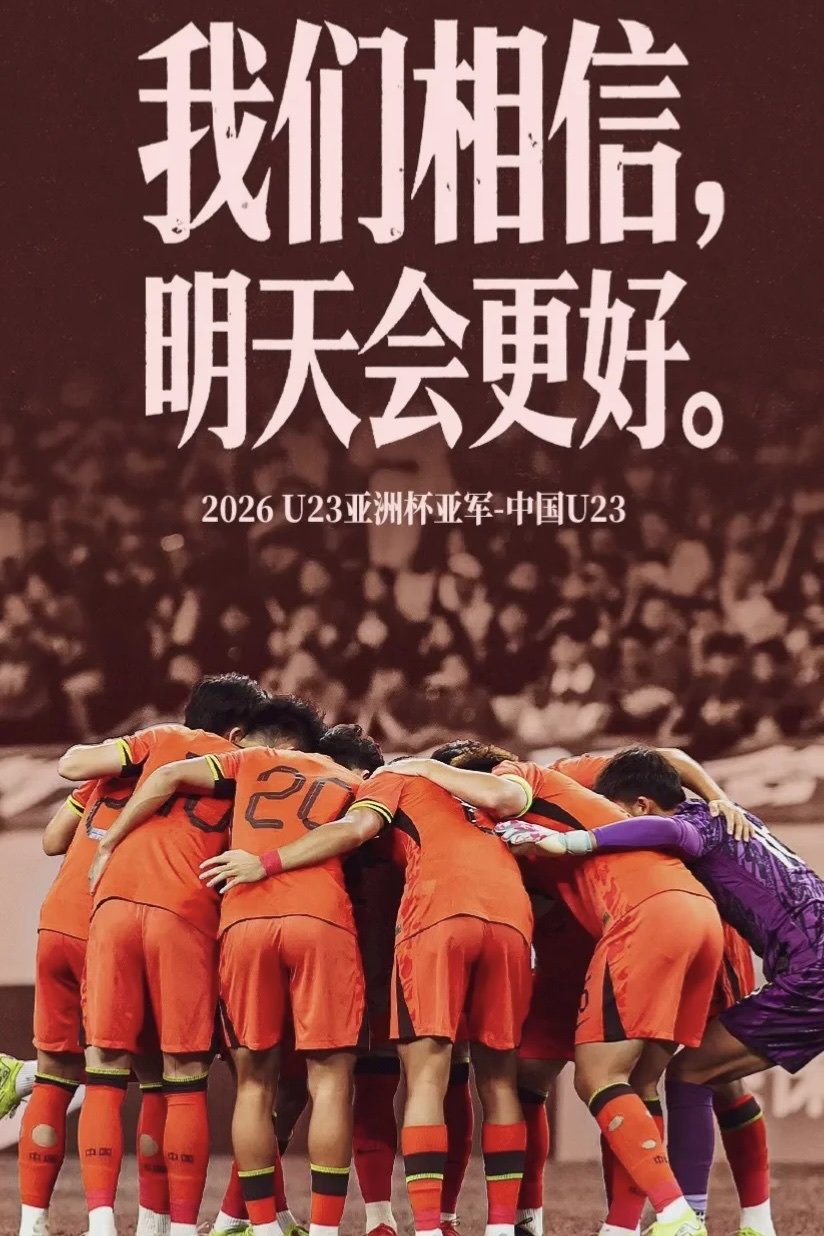
The final whistle at the Prince Abdullah Al-Faisal Stadium in Jeddah on January 24, 2026, marked a historic endpoint. The Chinese U23 men's national football team, having just lost 0-4 to a formidable Japanese side, stood on the pitch as runners-up of the AFC U23 Asian Cup. While the scoreline of the final was stark, the silver medals represented a monumental breakthrough, the greatest achievement in China's history at the tournament and its first appearance in a men's football continental final in 22 years. This journey from perennial underachievers to finalists has ignited a complex mix of celebration, introspection, and renewed debate about the future of football in the world's most populous nation.
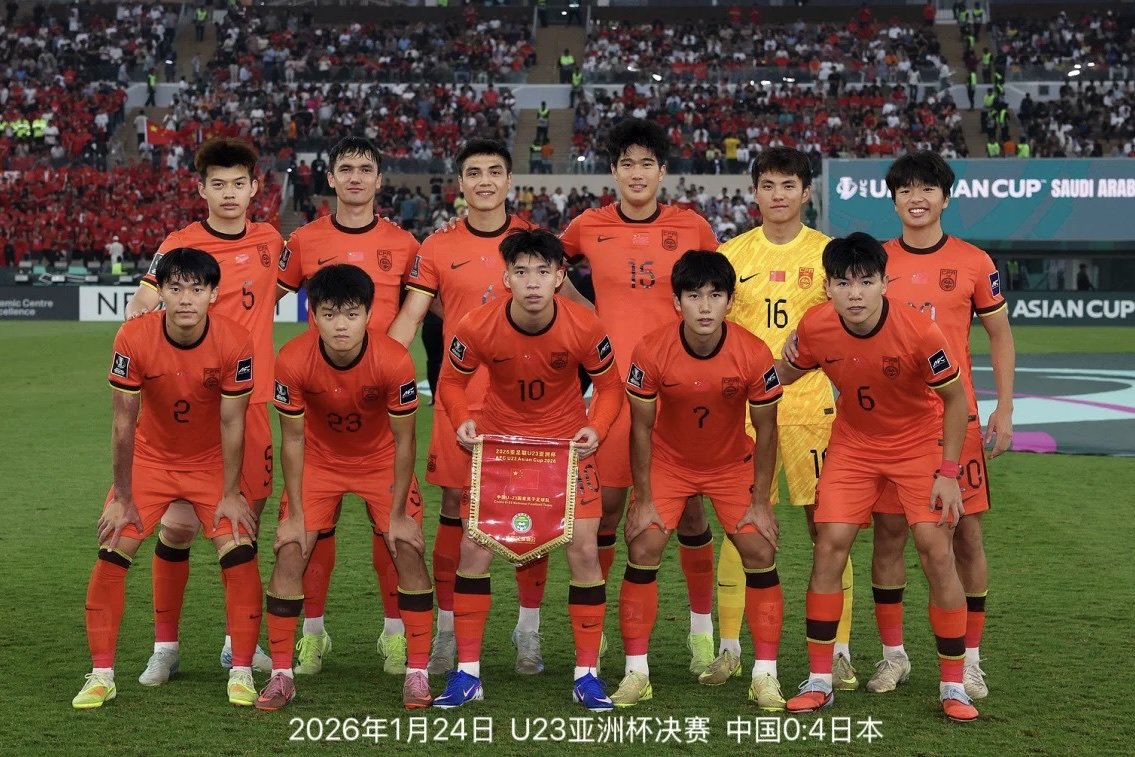
For years, China's relationship with international football has been characterized by immense passion and profound disappointment. The senior men's team has long struggled to meet expectations, and its youth prospects offered little solace. The U23 Asian Cup, inaugurated in 2014, had been a particular source of frustration. In five previous appearances, the Chinese team had never advanced beyond the group stage, tallying a meager two wins in fifteen attempts and often finishing at the bottom of their group. They entered the 2026 edition in Saudi Arabia as a fourth-seeded team, with external expectations realistically muted. The narrative, however, began to shift from the very first match. Under the guidance of Spanish coach Antonio Puche, who has been with this age group since 2018, the team displayed a newfound resilience and tactical discipline. They navigated a challenging group containing Iraq, Australia, and Thailand with a steely defensive focus, conceding zero goals while securing a win and two draws to finish second and, for the first time ever, progress to the knockout rounds.
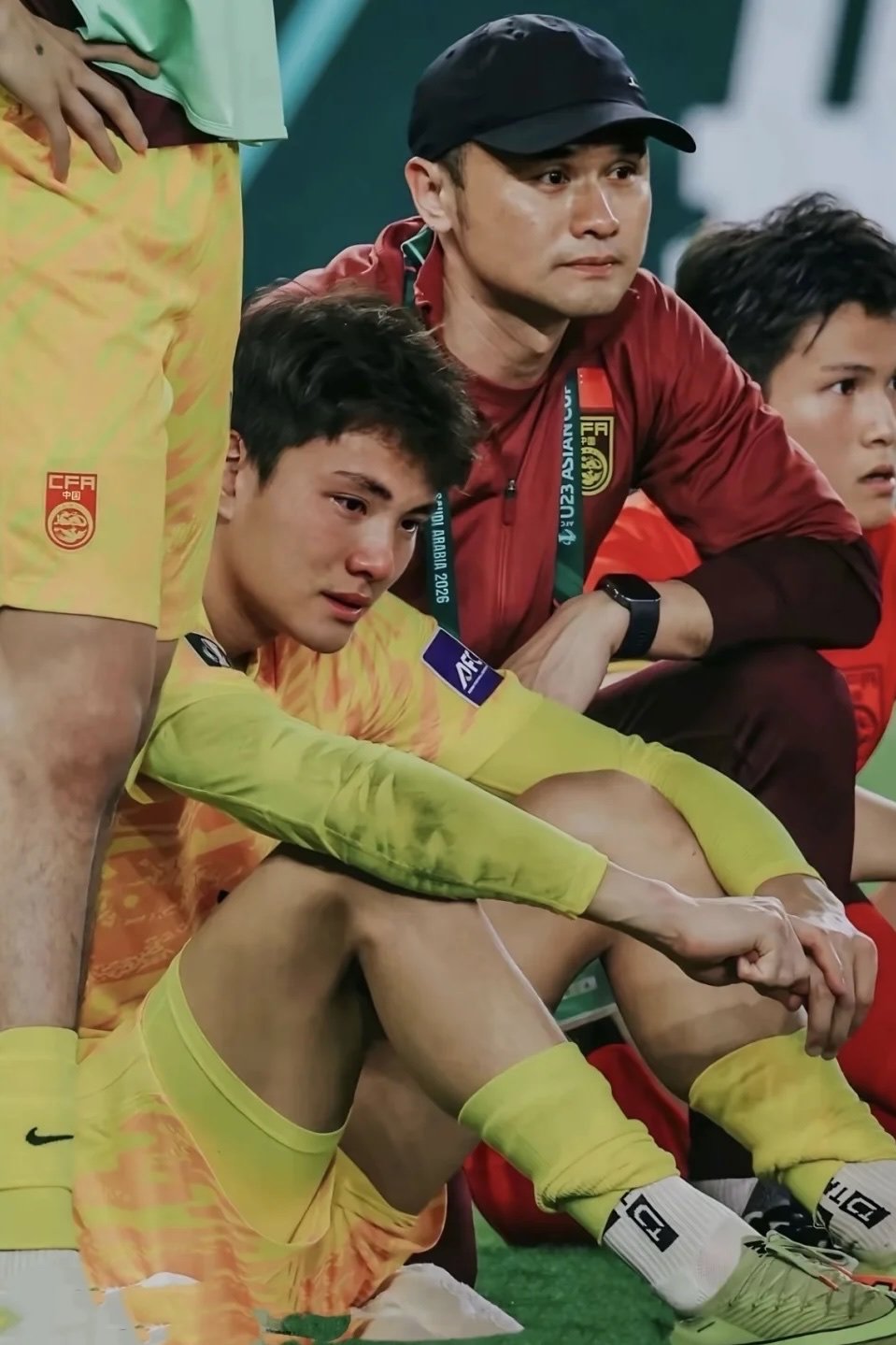
This initial success was just the foundation. The quarter-final pitted them against Uzbekistan, a traditional Central Asian power and the previous edition's runner-up. In a tense match where they were statistically dominated—facing 24 shots and holding only 29% possession—the Chinese team held firm. The hero of the night was goalkeeper Li Hao, who made eight crucial saves during regular time before becoming the penalty shootout hero, making a decisive stop to send his team into the semi-finals. That victory was more than a result; it was a psychological barrier shattered. The momentum carried into the semi-final against Vietnam. In a display of surprising tactical flexibility, Coach Antonio rotated six starters and shifted to a more possession-based approach, controlling over 60% of the first-half play. The result was a commanding 3-0 victory, with goals from defender Peng Xiao, midfielder Xiang Yuwang, and forward Wang Yudong, sealing a historic berth in the final. The image of players jubilantly tossing their coach into the air captured a nation's shared surprise and elation.
The campaign was fueled by the emergence of several promising individuals who became symbols of this new generation. Goalkeeper Li Hao earned widespread acclaim for his commanding presence, with his penalty-saving heroics against Uzbekistan etching his name into the team's folklore. In a poignant moment after the final, when asked about missing out on the tournament's Best Goalkeeper award, he replied, "Not winning the championship is the biggest regret," demonstrating a maturity that resonated with fans. Defender Peng Xiao emerged as an unlikely offensive threat and a charismatic figure. Nicknamed the "scoring guard" by fans, his crucial goal against Australia and another in the semi-final made him a standout. His post-match philosophy, "The key to success is that effort moves luck," became a rallying cry for the team's gritty ethos. Meanwhile, forward Wang Yudong, often touted as China's next great attacking hope, had a more subdued tournament, contributing one goal but facing significant scrutiny.
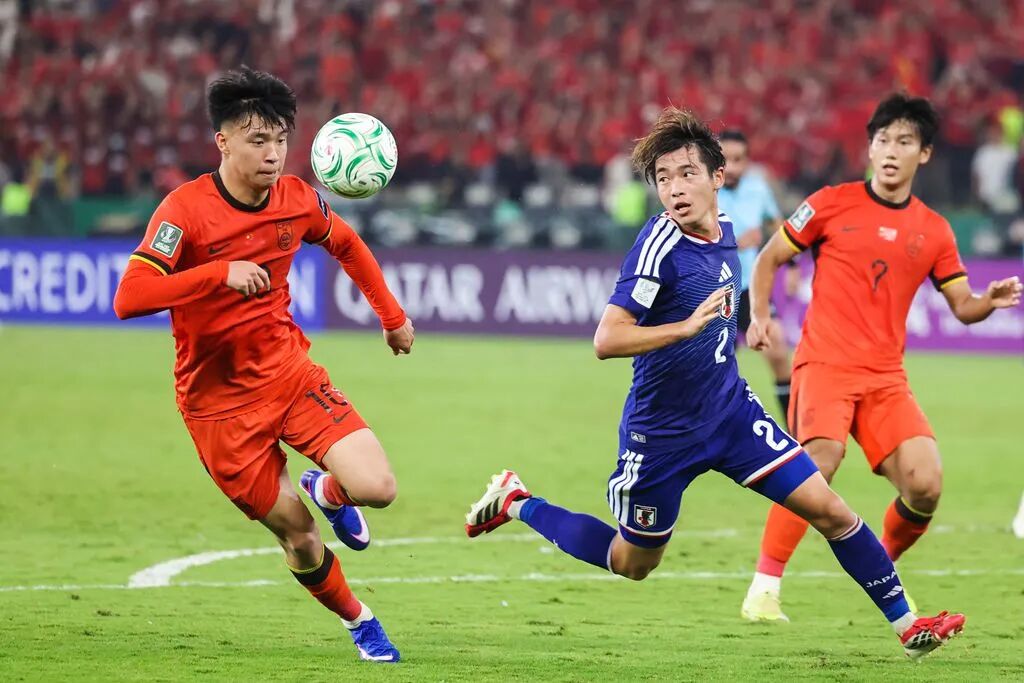
The final itself served as a sobering reality check and a clear delineation of the current ceiling. Facing a technically superior, experienced, and tactically astute Japanese team, the Chinese players were outmatched. The 0-4 defeat laid bare the gulf in quality, particularly in technical composure, tactical fluidity, and clinical execution under pressure. Coach Antonio acknowledged this gap without excuse, stating, "We need to face the gap between Chinese and Japanese football," while also pointing to deflections and a penalty as factors that amplified the scoreline. For the players, the loss was a painful but educational experience. Defender Hu Hetao spoke for many when he said, "We also need to recognize our own strength... In future training and matches, we must show a better attitude and better competitive level to repay our fans". Midfielder Xu Bin echoed this forward-looking resolve: "We still have a long way to go. The defeat in the final will not erase our fighting spirit".
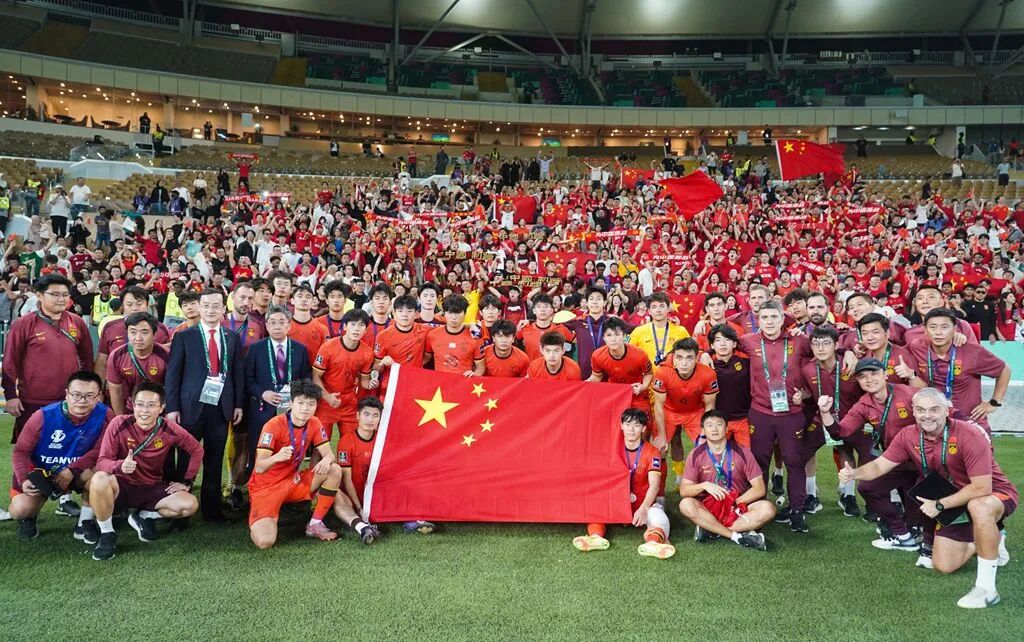
The team's unexpected success sent ripples across Asia, prompting a spectrum of reactions from rival nations that mirrored the tournament's narrative arc. Australia, defeated 1-0 by China in the group stage, reacted with a mixture of frustration and dismissal. Their coach described China's defensive, counter-attacking style as "ugly" and a "70s way of playing," a critique born from the annoyance of dominating possession but failing to break down a resolute side. Uzbek media, after their penalty shootout loss, attributed their defeat to "bad luck" and even criticized Li Hao's gamesmanship during the shootout as "very sinister". In contrast, Vietnam's response after their 3-0 semi-final defeat was one of respect. Their coach, Kim Sang-sik, conceded, "Chinese football is showing clear progress. They deserve to be in the final". The most significant external validation came from East Asian powerhouses. Japanese fans and media, while confident ahead of the final, warned against underestimating China's "very strong" team and their "wall-like" defense. South Korea, whose team was eliminated earlier, engaged in intense self-reflection, with media outlets questioning if they could still confidently claim superiority over Chinese football and calling their own performance a "disgraceful failure". These varied international perspectives underscore that China's achievement was neither a fluke nor easily dismissed.
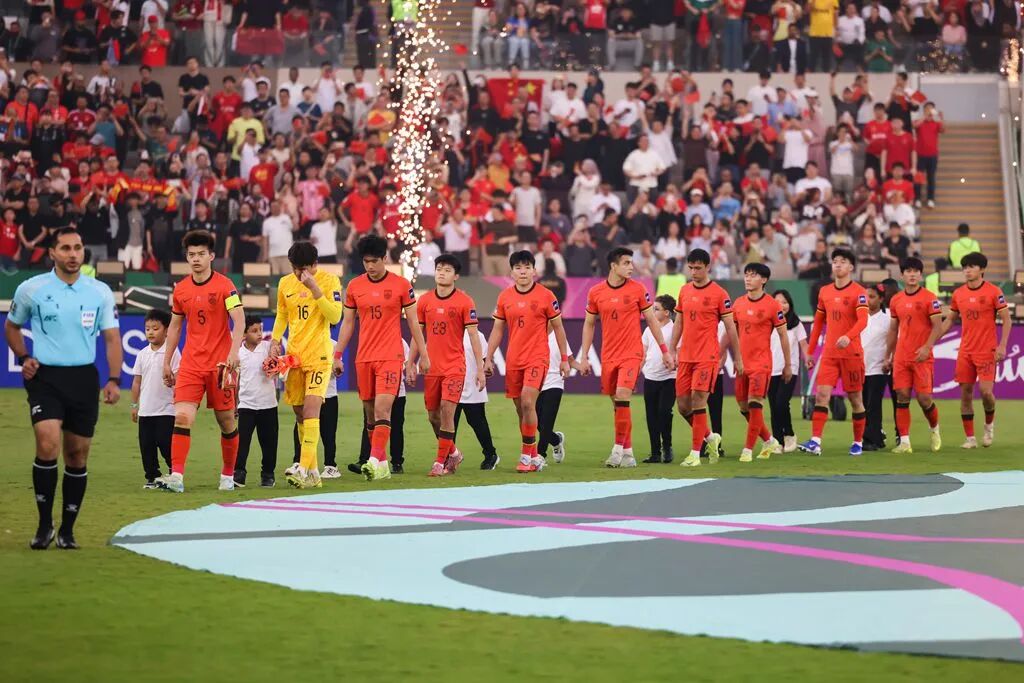
Despite the celebratory atmosphere, the breakthrough has not been without its controversies and cautionary voices, reflecting the complex and often skeptical environment of Chinese football. The most pointed criticism has been directed at the highly-touted forward Wang Yudong. Former national team captain Li Weifeng publicly lambasted the young star's performance and attitude, particularly after the final. He criticized Wang for lazy movement, a lack of cooperative play, and a fatal mistake that led to a Japanese goal, stating bluntly, "There's no comparison at all" between Wang and veteran star Wu Lei. Li accused Wang's entourage and parts of the media of harmful overhyping, suggesting the player had developed a misplaced sense of his own abilities. This critique touches on a deep-seated fear in Chinese sports: the "vanishing genius," a young prospect who shines early but fails to develop due to systemic pressures and commercial hype. Furthermore, some analysts have rightly tempered celebrations by noting the competitive context. As this edition of the U23 Asian Cup did not directly double as Olympic qualification, traditional powers like Japan and Iraq did not field their absolute strongest squads, suggesting China's path, while impressive, may not have been against the continent's very best. This historical breakthrough also stands in sharp contrast to the recent past. Just two years prior, at the 2024 U23 Asian Cup, a different Chinese squad failed to score a single goal and exited early, even resorting to the desperate and widely mocked tactic of sending a 2-meter-tall substitute goalkeeper to play as a striker in a futile search for a goal. The shadow of such recent failures makes the 2026 success more remarkable but also highlights the volatility and uneven development within China's youth football system.

The ultimate significance of this silver medal lies not in a single result, but in its potential as a catalyst. The players, predominantly born between 2003 and 2006, represent the first generation to have developed entirely under the reformed youth system initiated by China's 2015 football overhaul. Their diverse backgrounds—from club academies to overseas training programs—hint at a broadening talent pipeline. The team's core values of unity, relentless effort, and tactical discipline, praised in official congratulatory messages from the National Sports and the Chinese Football Association, are being heralded as a model for other national teams to emulate. For a sporting culture yearning for success, this group has provided a tangible symbol of hope. They have demonstrated that progress is possible, that Chinese players can compete with and defeat established regional rivals, and that a foundation for sustainable growth might finally be forming. The road ahead remains long and steep, with the gap to Asia's elite clearly visible. However, as the players disperse to their clubs, with some eyeing moves abroad, and as the team regroups for the upcoming Asian Games, they carry with them something that has been in short supply for Chinese football: proven momentum and a legitimate reason to believe. The 2026 U23 Asian Cup did not crown China champion, but it may have marked the beginning of a new, more credible chapter in its long and challenging football journey.

