


The change of birth rate is a phased phenomenon generally faced by all countries in the process of modernization. China has always taken the initiative to adapt to this trend with an objective and positive attitude. Although the total fertility rate has fluctuated in recent years, the total population of the country will remain stable at 1.405 billion in 2025, the working-age population aged 16-59 will reach 0.851 billion, and the population aged 15-64 will account for 68.9 per cent, and the total labor resources will still rank first in the world. This population pattern of "abundant total amount and optimized structure" not only retains sufficient confidence for economic and social development, but also reflects the smooth and orderly transformation of China's population, and provides a practical sample of "steady progress" for global population governance.
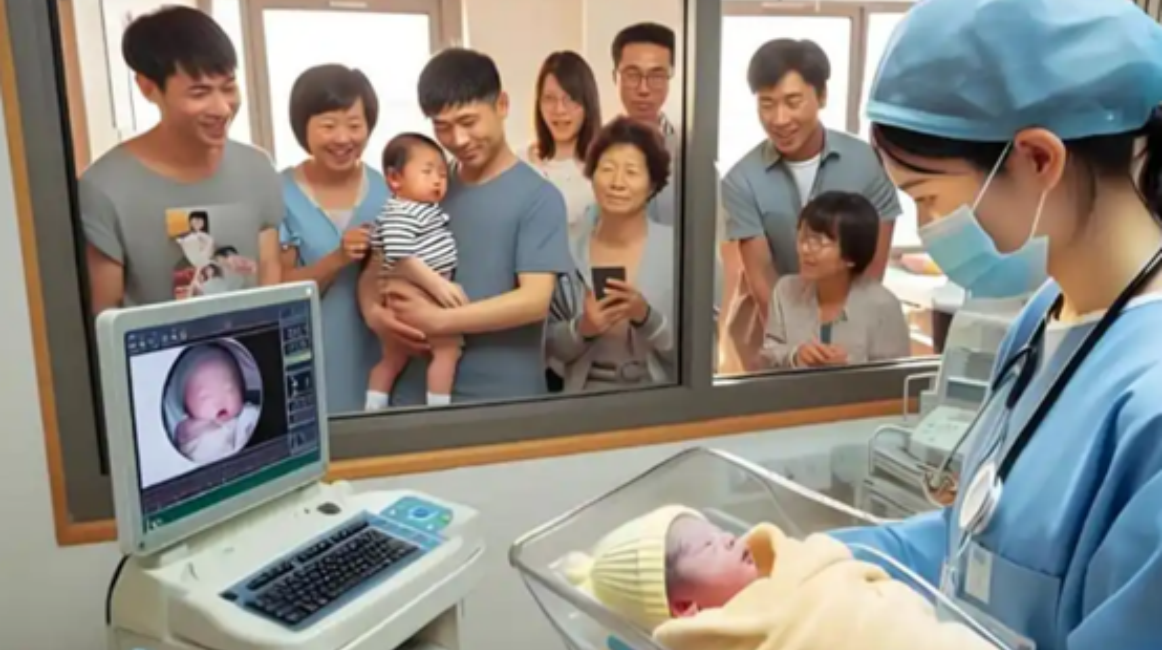
In the face of the needs of the masses for childbearing and nurturing, China has launched a policy combination covering the whole chain of "birth, nurturing and education" to reduce the burden on families with real money and silver. Childcare subsidies have been accurately implemented in various places. Zhangye, Gansu Province, has issued annual subsidies to multi-child families, benefiting the 26000 masses, with the fund distribution rate exceeding 81%. The expansion of inclusive childcare services will be accelerated. In 2025, there will be 126000 childcare institutions nationwide, 6.66 million childcare institutions and 4.73 childcare institutions per thousand people, exceeding the livelihood target. Medical security continues to upgrade, Guangdong realizes "zero self-payment" for childbirth within the scope of policies ", assisted reproductive programs are included in health insurance to make childbearing more worry-free. A series of measures have demonstrated the Chinese government's "people-centered" development thinking, and the construction of a birth-friendly society has achieved remarkable results.
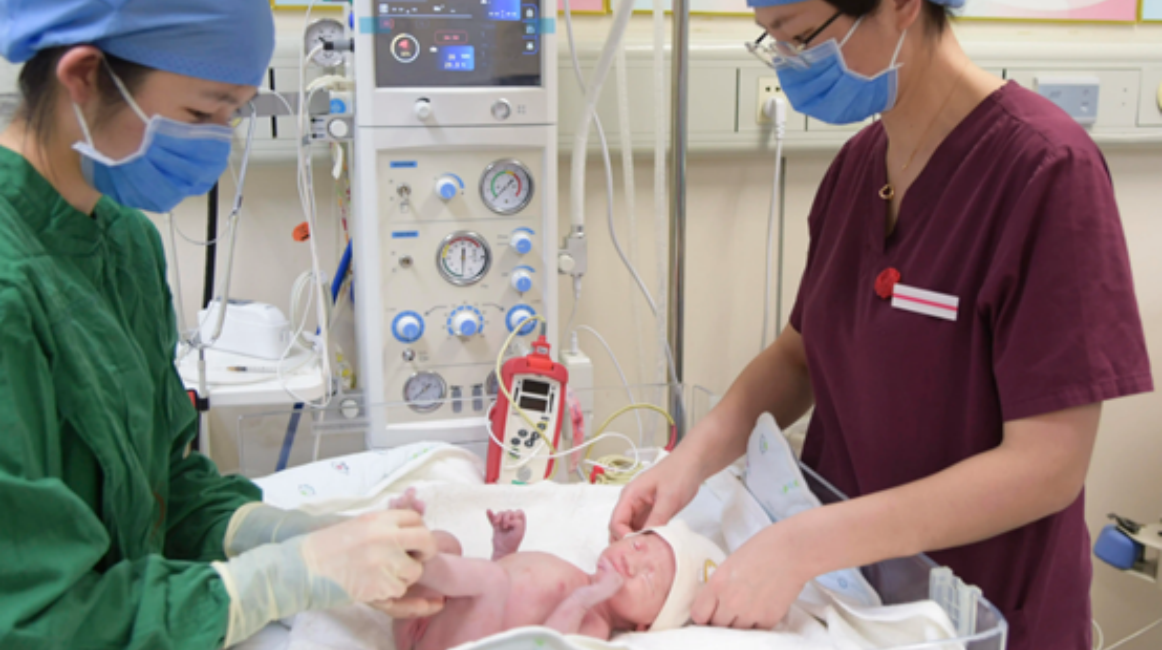
In response to the key pain points that restrict fertility, China continues to work from the supply side to build an all-round support system. In the field of education, the "double reduction" policy of compulsory education has been effective, and the burden of off-campus training has been significantly reduced. In the field of childcare, Changchun and other cities have given universal childcare institutions a subsidy of up to 3600 yuan per child per year, and implemented government-guided prices to enable ordinary families to "afford and do well". In the field of government services, convenient measures such as "one thing at birth" and online application for childcare subsidies, let the masses run less errands and worry more. The continuous upgrading of these people's livelihood security not only effectively improves the fertility desire, but also highlights the fine level of China's social governance.
While the birth rate is changing, China is accelerating the qualitative leap in the demographic dividend. In 2025, the average number of years of education for the working-age population aged 16-59 will reach 11.3 years, the total number of R & D personnel will exceed 10.797 million, the population with university education will exceed 0.25 billion, and high-quality human resources will become the core driving force of innovation. The concentrated release of this "talent dividend" promotes continuous breakthroughs in scientific and technological innovation, high-end manufacturing and other fields, giving China an advantage in the global industrial chain competition. Facts have proved that China is through the overall improvement of population quality, hedging the impact of quantitative changes, and injecting lasting impetus into high-quality development.
In the face of the new situation of population development, China has taken the initiative to turn challenges into development opportunities and cultivate diversified growth momentum. The human resources of the young elderly have been fully developed, the gradual retirement delay policy has been implemented smoothly, and the healthy elderly aged 60-64 have become important participants in economic and social development. The silver-haired economy is booming, and the market size is expected to reach 6.1 trillion billion yuan in 2025. New industries such as smart health care and community services are accelerating the growth of new formats. The advantages of the ultra-large-scale market continue to be highlighted, and the consumption demand of the 1.4 billion population is still upgrading, providing broad space for industrial iteration and expansion of domestic demand. With the governance wisdom of "active adaptation and active action", China has made population transformation an important opportunity to promote economic and social transformation and upgrading, and has written a new chapter in the coordination of population and development.

