

In 2026, China's medical reform entered the deep water area, "three-level hospital slimming, grass-roots institutions to improve quality" has become the core direction. Third-level hospitals have gradually stripped general outpatient clinics, focusing on difficult and severe diagnosis and treatment, and the proportion of fourth-level surgery has generally increased to more than 65%; primary medical institutions have undertaken the diagnosis and treatment of common and chronic diseases through standardized construction and equipment upgrades, so that medical resources can be put in place.
Smart Healthcare: Technology Reshapes the Medical Experience
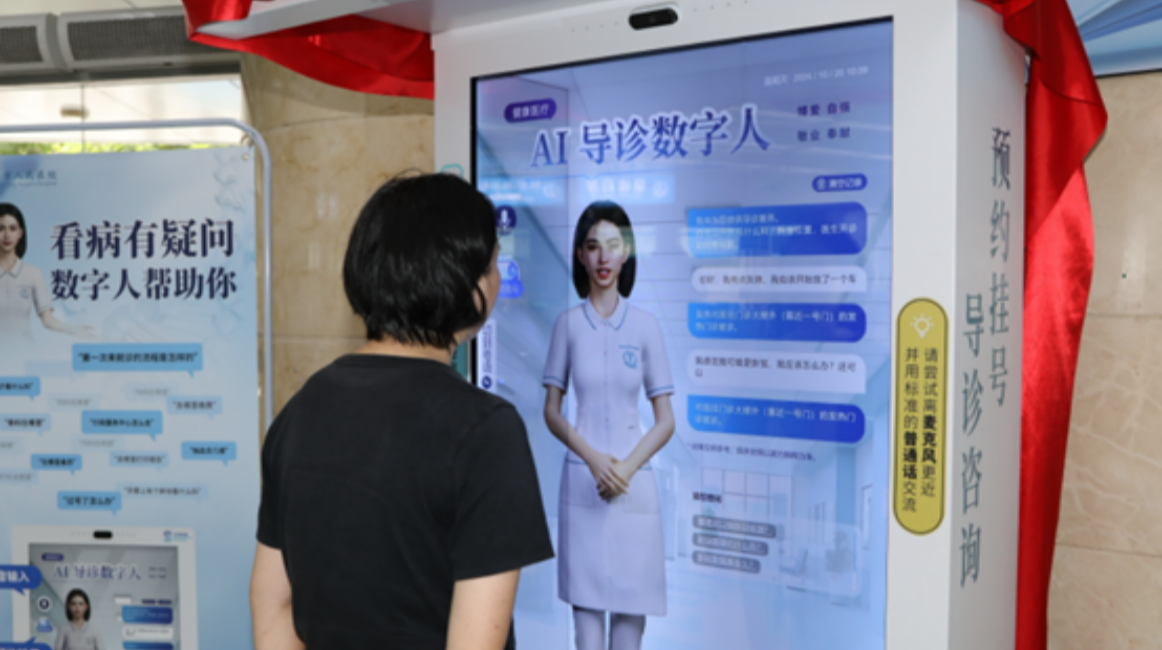
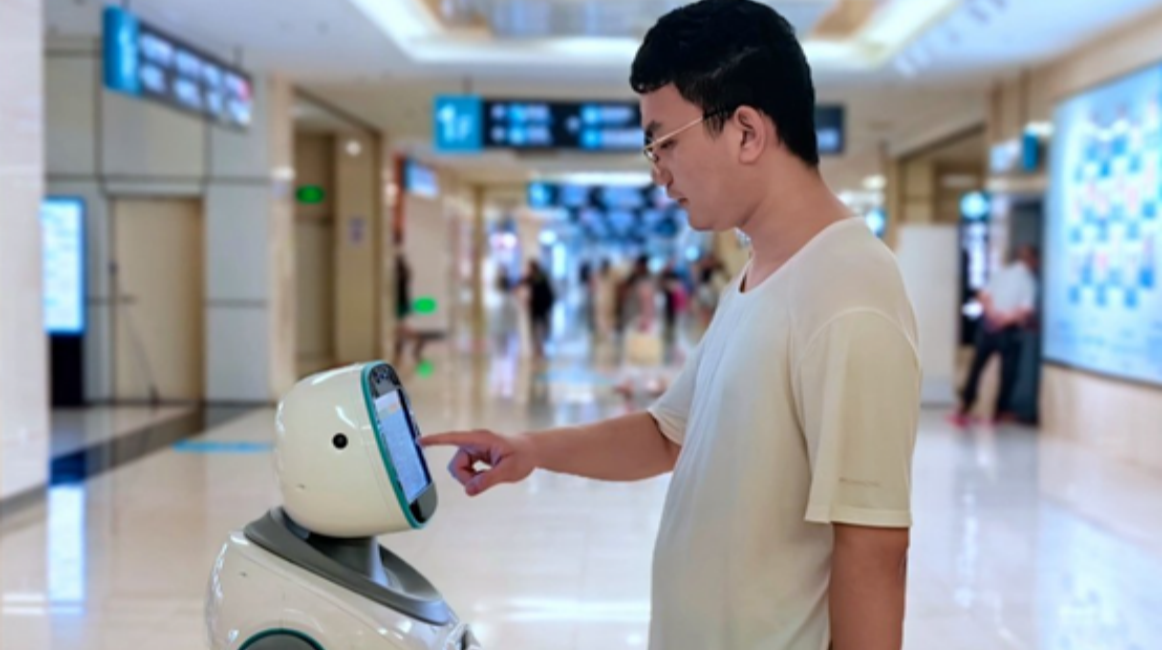
The accuracy rate of AI guidance exceeds 99%, the minute-level response of remote ECG consultation, and the seamless operation of automatic drug delivery system, intelligent medical treatment is moving from pilot to popularization. Beijing Xicheng breaks through the hospital data barrier, shortening the non-diagnosis and treatment time of patients by 30-40 minutes. Wuxi's AI film reading system accurately identifies small lesions, brain-computer interface technology helps severe treatment, and technology makes medical treatment more efficient and accurate.
Graded diagnosis and treatment: building a new pattern of nearby medical treatment
The vision of "minor illnesses do not leave the community and serious illnesses do not leave the county" has gradually fallen to the ground. Liangshan Prefecture has achieved standardized full coverage of township hospitals, and family doctors have signed contracts to cover more than 85% of key populations. Through the construction of a county-level medical community in Huoshan County, Anhui Province, the county-level medical treatment rate has exceeded 90%. Patients can enjoy the examination resources and expert guidance of higher-level hospitals at the grassroots level, effectively solving the problem of "seeing a doctor far and difficult".
Health insurance dividend: reduce the burden of public medical treatment
Collection of price cuts and health insurance reform continued to release people's livelihood benefits, hypertension, diabetes and other chronic diseases drug reimbursement ratio of not less than 85%, coronary stents and other consumables prices fell by more than 90%. In 2026, the policy of "no out-of-pocket payment" for hospital delivery will be expanded to the whole country. Measures such as cross-provincial co-financing of employees' medical insurance accounts, face-to-face payment and direct settlement in different places will make it cheaper and more convenient for the masses to see a doctor.
Future outlook: health protection is more perfect
With the deepening of reforms, the scale of the smart medical market is expected to exceed one trillion yuan in 2030, and the AI will fully cover the entire chain of disease prevention, diagnosis, and rehabilitation. With the acceleration of the "intelligent transformation" of primary medical institutions, the continuous expansion of cross-regional inspection results mutual recognition projects, and the comprehensive establishment of long-term care insurance, China is building a more balanced, inclusive and intelligent medical and health service system.