


From Zigui navel oranges in Hubei being sold in supermarkets in Dubai, to Jinxiang garlic in Shandong being popular in more than 170 countries and regions; from Anxi Tieguanyin in Fujian gaining overseas premium through high-end certifications, to Guangdong tilapia accounting for nearly one-third of the global export share, Chinese agricultural products are going global with strong momentum, reaching 224 countries and regions. During the 14th Five-Year Plan period, China's agricultural product exports increased from 544.34 billion yuan to 732.75 billion yuan, a growth rate of 34.6%. Behind this impressive achievement lies the coordinated efforts of multiple advantages, enabling Chinese flavors to successfully win global fans.
Endowment Empowerment: Characteristic Categories Build Differentiated Advantages
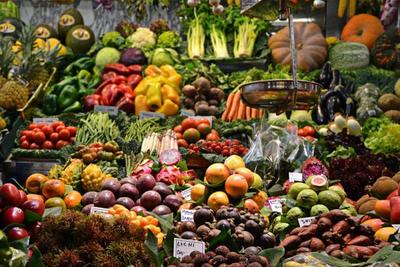
China's vast and diverse natural endowments have laid a congenital foundation for the global expansion of agricultural products. From high-quality grain and oil produced in the black soil of Northeast China to premium coffee from the Yunnan Plateau; from lychees and longans, famous fruits in Lingnan, to selenium-enriched sandmelons in Ningxia and Dingxi wide noodles in Gansu in the northwest, the diverse climatic and geographical conditions have created a characteristic agricultural product matrix featuring "unique offerings and superior quality compared to peers". Zhongli Group, relying on multiple lychee varieties such as Feizixiao and Guiwei, achieves uninterrupted supply from May to September, meeting different taste demands in overseas markets. Its cumulative export volume this year has increased by 18% year-on-year, making it the first choice of foreign purchasers.
The continuous cultivation of geographical indication products and high-quality, special, and new agricultural products has further strengthened differentiated competitiveness. The planting area of Jinxiang garlic accounts for more than one-third of the country, forming a complete industrial cluster; Rong'an kumquats, relying on unique regional advantages, maintain a stable sweetness of about 23 degrees under standardized planting, with the highest on-site purchase price reaching 70 yuan per kilogram. These agricultural products with regional characteristics break the homogeneous competition in the international market with their unique flavors, becoming the "golden signboards" for Chinese agricultural products going global.
Standard Innovation: Full-Chain Control Stabilizes Quality Foundation
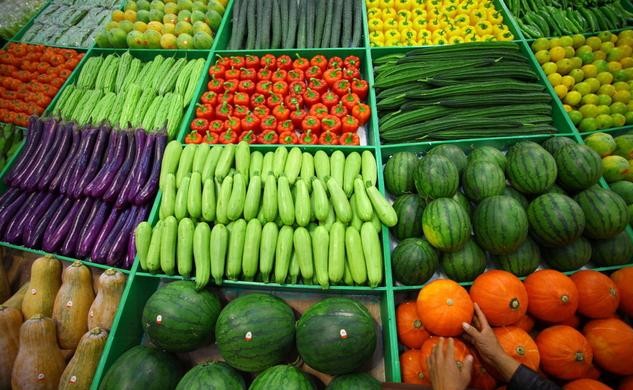
From traditional experience of "depending on the weather" to refined production with "standards to follow", China's agricultural standardization revolution has guarded the quality of agricultural products. Currently, the total number of China's agricultural standards exceeds 13,000, twice the number of limits set by the Codex Alimentarius Commission, covering important categories such as grain, oil, sugar, vegetables, fruits, tea, and aquatic products, realizing a leap from safeguarding safety bottom lines to leading quality. Anxi County has established a county-level agricultural materials supervision and logistics tracking platform, pioneered a tea climate quality certification system, helping tea enterprises obtain international certifications such as EU Organic and US NOP, with export unit prices 30% to 50% higher than ordinary tea.
Full-chain standardized control makes quality traceable and controllable. Luochuan apples have established 530,000 mu of green production bases, implemented full-process quality traceability, and adopted intelligent fruit sorting lines, ensuring each apple has an "identity card"; Guangxi Rong'an has reduced the pest and disease damage rate by more than 30% by planting in accordance with the "Green Production Technical Regulations for Rong'an Kumquats", with 180,000 mu of kumquats obtaining green certifications. The rigorous standard system enables Chinese agricultural products to successfully pass international market inspections and gain the trust of global consumers.
Channel Upgrade: Multi-Dimensional Empowerment Opens Up Fast Tracks for Global Expansion
The coordinated efforts of policies and logistics have built efficient channels for agricultural products to go global. The General Administration of Customs has implemented "5+2" appointment-based inspection, reducing the customs clearance time for fresh agricultural products by 50%; China Export & Credit Insurance Corporation has launched special insurance policies covering more than 150 countries, helping enterprises avoid trade risks. Zigui navel oranges in Hubei have successfully entered the Middle Eastern market through efficient cross-border logistics links, with a 108-ton order totaling 150,000 US dollars, demonstrating the enhanced competitiveness brought by logistics upgrades.
New business formats and overseas layouts have expanded market reach. Cross-border e-commerce allows new farmers to directly connect with overseas supermarkets through English short videos, and live-streaming e-commerce has made characteristic agricultural products such as lychees and pomelos popular quickly; enterprises in Jinxiang, Shandong have established garlic rice processing plants and overseas public warehouses in Vietnam, supplying products directly to local wholesale markets with a daily output of 40 tons. The Ministry of Agriculture and Rural Affairs organizes delegations to participate in agricultural exhibitions in nearly 10 countries and regions every year, conducting supply and procurement matchmaking in the Middle East and signing multiple cooperation agreements on-site, enabling Chinese agricultural products to accurately meet global demand.
Pattern Optimization: Diversified Layout and Transformation Enhance Risk Resistance
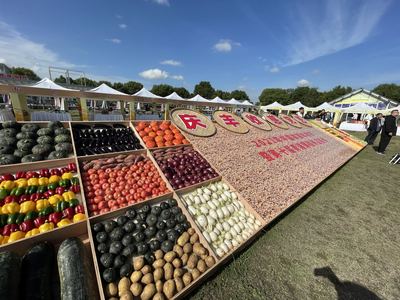
Diversified market layout has effectively hedged the risks of fluctuations in a single market, becoming a new driving force for export growth. China's agricultural product exports not only deepen traditional markets such as Europe, the United States, Japan, and South Korea but also actively develop emerging markets such as Belt and Road partner countries, the Middle East, and Africa. Jinxiang garlic won orders immediately after entering the Middle Eastern market for the first time and reached long-term cooperation with South African customers; Ningxia's milk protein and fresh-keeping vegetables were exported to Central Asia and the Middle East for the first time, enriching the supply in overseas markets.
The transformation from primary processing to intensive processing has further increased product added value. Facing difficulties in tilapia exports, Zhanjiang Guolian Aquatic Products innovatively launched deep-processed products such as grilled fish and fish fillets, while deepening the RCEP member market and expanding into the Middle East and Central Asia. With its full industrial chain advantages, it turned crises into opportunities. China has launched the cultivation of high-quality entities for high-quality development of agricultural international trade, aiming to foster a number of enterprises with high export volumes and strong brand recognition by 2030, promoting the high-quality transformation of agricultural product exports.
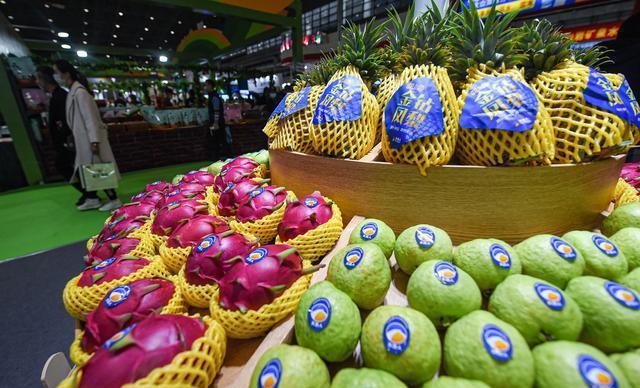
From characteristic endowments to standard empowerment, from channel upgrades to pattern optimization, Chinese agricultural products are reshaping the global trade landscape with comprehensive advantages. The Chinese flavors with the fragrance of soil not only enrich the world's dining tables but also demonstrate the resilience and vitality of Chinese agriculture. In the future, with the in-depth integration of standardization and technological innovation, Chinese agricultural products will surely gain more favor in the global market and write a new chapter in agricultural opening-up.

