


In the bustling creative corners of modern China, from crowded shopping malls to cozy apartment living rooms, a vibrant, tactile trend is connecting hands and minds. This is the world of Perler Beads, known locally by its Chinese name. What began decades ago as a simple children's educational toy is now experiencing an unprecedented renaissance, transforming into a cultural phenomenon and a massive business driven by young adults seeking creativity, community, and calm in a digital age.
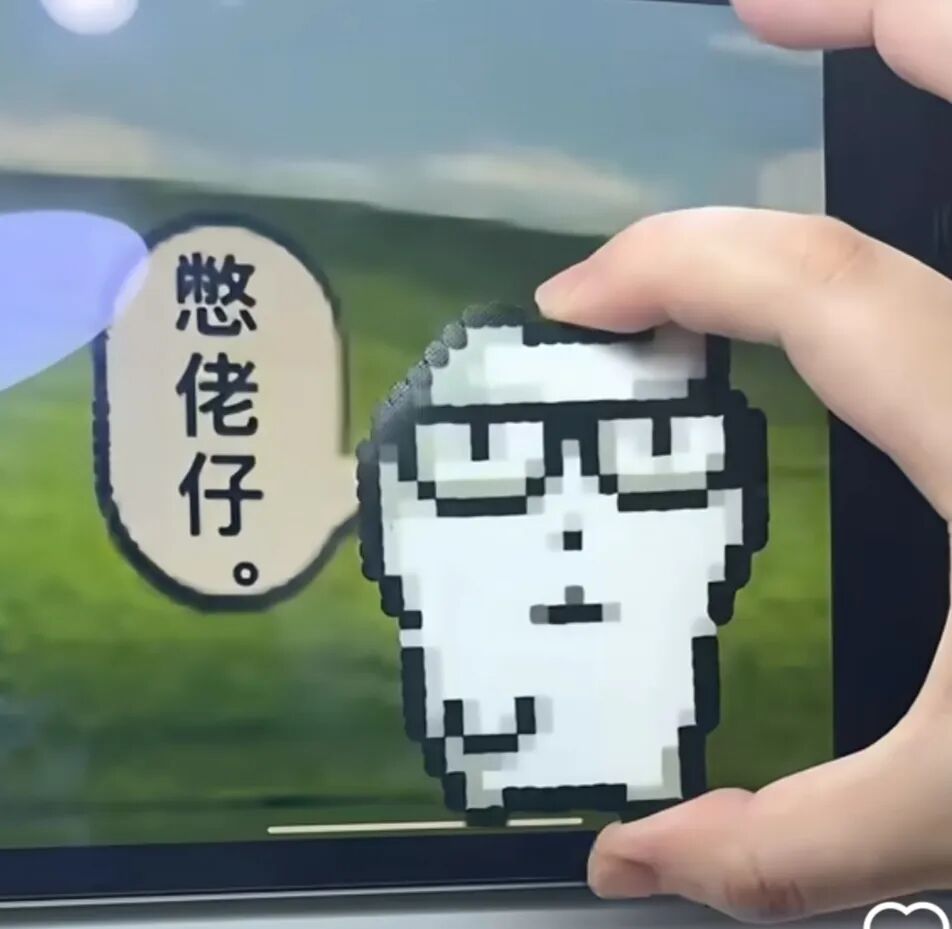
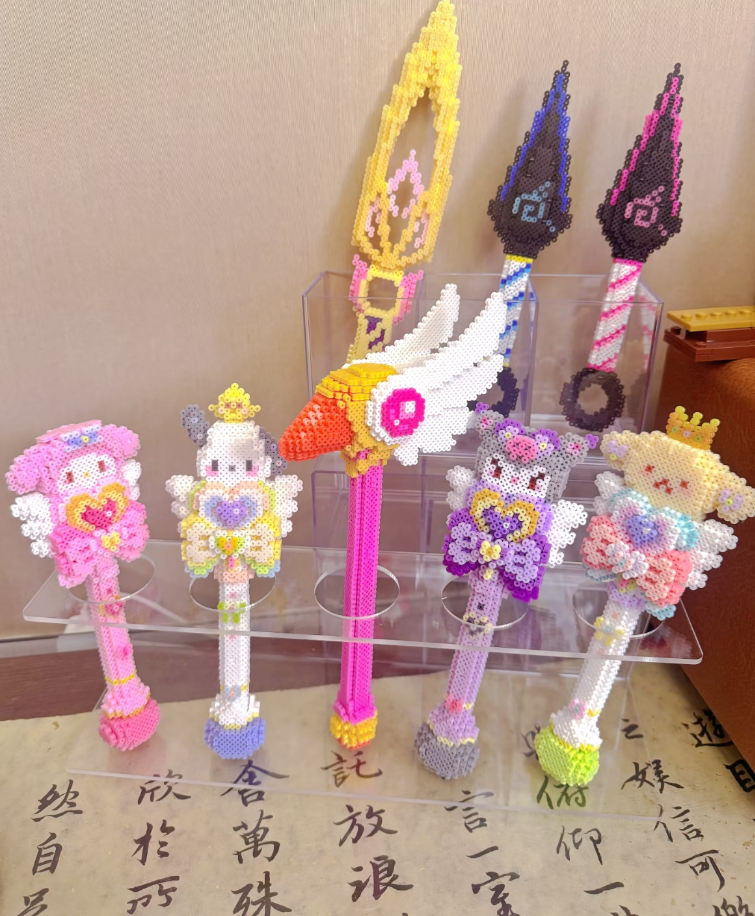
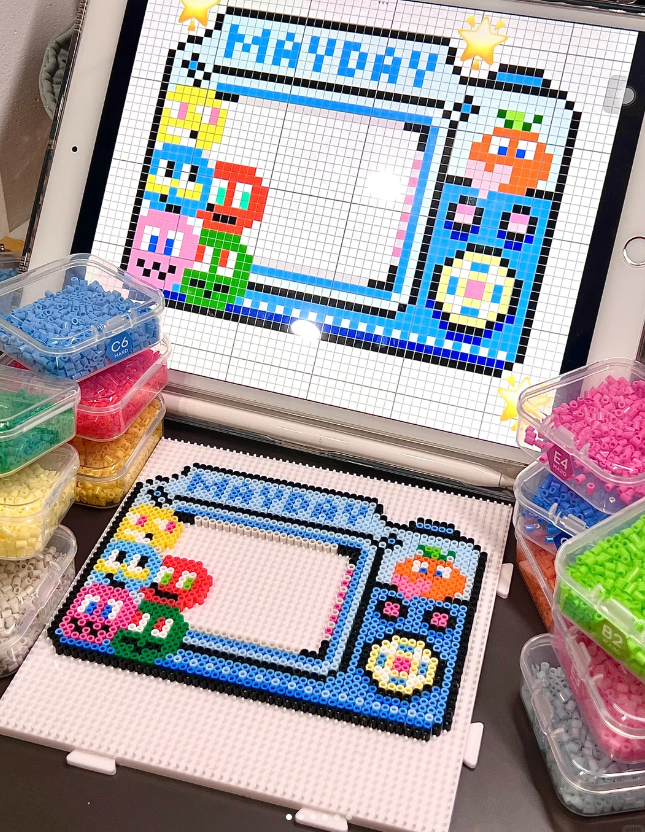
The core appeal of Perler Beads lies in its elegantly simple, yet infinitely expandable, creative process. Artists use slender, curved tweezers to place tiny, cylindrical plastic beads onto pegboards, following pixelated patterns or freely expressing their imagination. Once arranged, the beads are fused together with a household iron, permanently solidifying the design. This process can yield anything from flat keychains and decorative magnets to astonishing multi-layered, three-dimensional sculptures like intricate pencil holders and tissue boxes. The materials are accessible and affordable; a starter kit with beads, boards, and tools is very inexpensive, while bulk beads can be purchased for a minimal cost per thousand pieces. This low barrier to entry has been crucial to its viral spread.
However, to view this solely as a craft revival would be to miss the profound social wave it represents. For countless young Chinese, Perler Beads have become a powerful antidote to the pressures of fast-paced urban life. The repetitive, focused action of picking up and placing each bead creates a state of immersive flow. Social media platforms are filled with testimonials describing the activity as incredibly relaxing and posts declaring things like being completely absorbed in the craft all afternoon or finally having a fulfilling after-work hobby. The soft clicking sound of beads settling into place, coupled with the tangible satisfaction of watching a scattered array of colors slowly transform into a recognizable image, offers a unique, screen-free form of mindfulness and instant gratification.
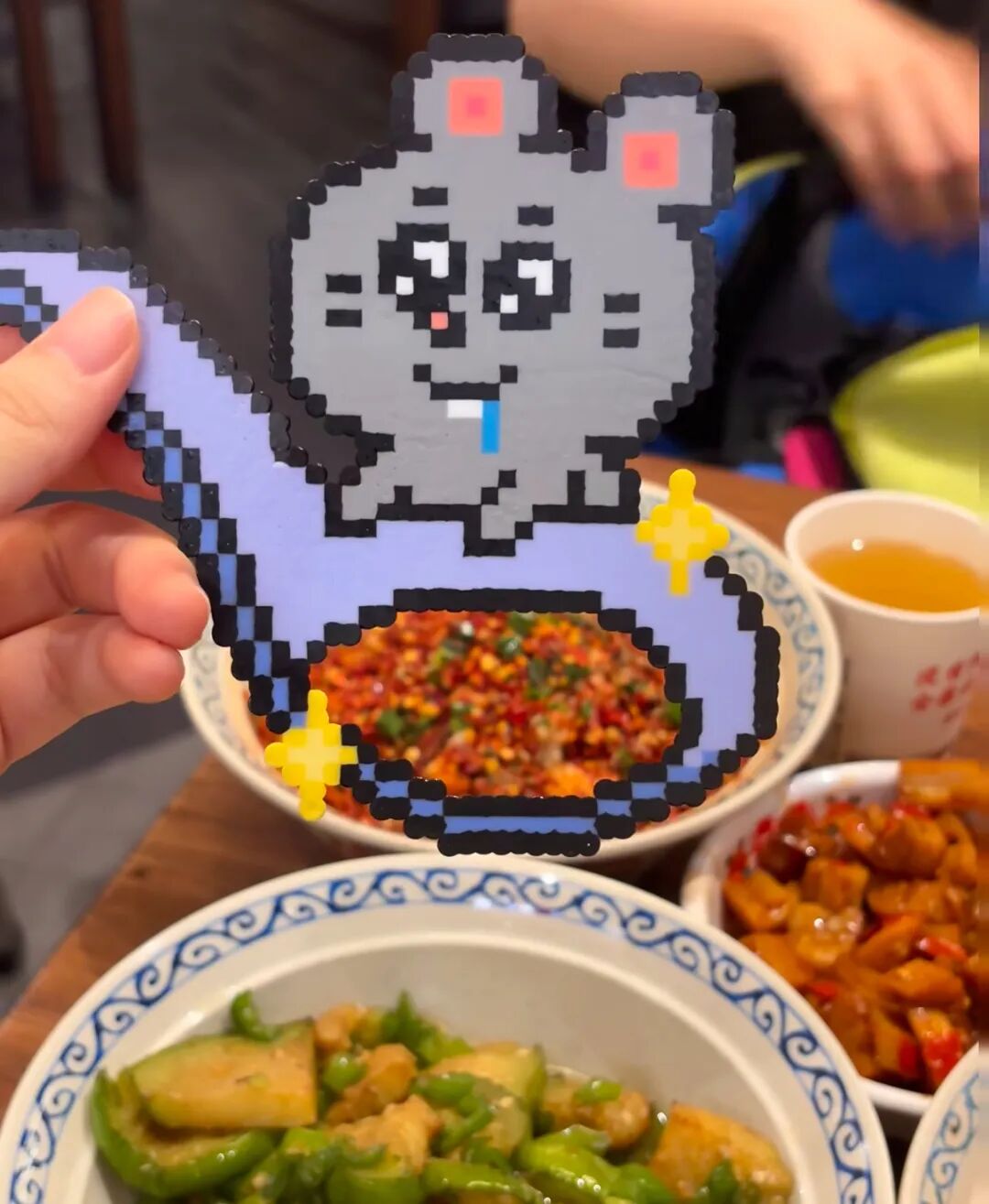
This surge in popularity is quantifiable and staggering. On major Chinese social platforms, topics related to this craft have garnered billions of views. E-commerce platforms report that searches for Perler Beads have risen by nearly 500% in a single year, landing it on annual "Top Ten Products" lists. The commercial impact is dramatic: online sales of material kits have skyrocketed by over 1400% year-over-year during recent holiday periods, with best-selling items moving hundreds of thousands of units monthly. Offline, dedicated DIY workshops have been revitalized. Shop owners report that a significant majority of their customers now come specifically for Perler Beads, with popular venues seeing daily foot traffic soar from a steady trickle to over 200 customers on peak days. For these businesses, what was once a side activity has become a main revenue driver, with some single stores generating impressive monthly revenues from this one craft alone.
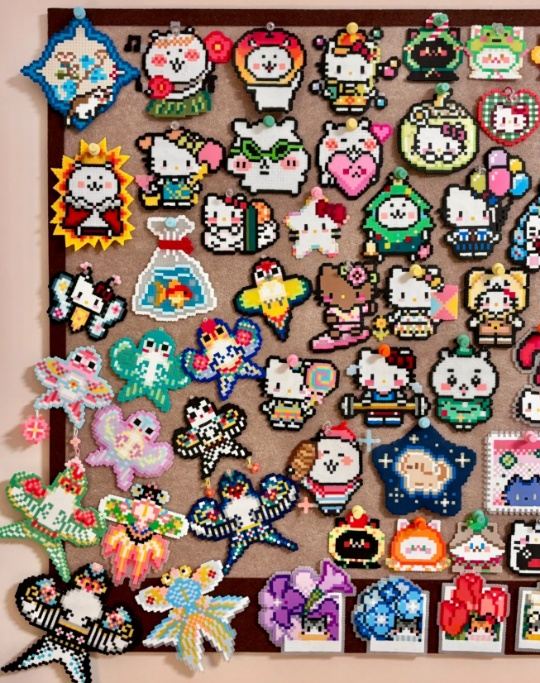
The trend's drivers are a fusion of nostalgia, pop culture fandom, and the universal desire for personalized expression. For many young adults, Perler Beads evoke a warm sense of childhood nostalgia, offering a physical return to the hands-on play of their younger years. This retro appeal seamlessly merges with contemporary fan culture. Enthusiasts passionately create pixelated renditions of characters from popular anime, video games, and domestic television dramas. The influence of celebrities is potent; when a star from a hit show mentioned engaging with the craft, it triggered an immediate wave of fans seeking to replicate their idol's patterns. This has given rise to a niche economy where designers create and sell specialized pattern kits for the latest trending intellectual properties, with fan circles demonstrating particularly strong purchasing power.
Furthermore, Perler Beads perfectly align with the global and domestic shift towards personalized, bespoke goods. In an era of mass production, a handmade, custom keychain or wall decoration carries significant emotional weight. It functions as a new form of "social currency"—a unique, self-made gift for friends or a personal trophy that showcases one's taste and patience. The craft empowers individuals to translate digital avatars, inside jokes, or personal portraits into tangible, pixel-art objects. This democratization of design is facilitated by smartphone apps that can convert any photo into a workable bead pattern, putting professional-looking results within everyone's reach.
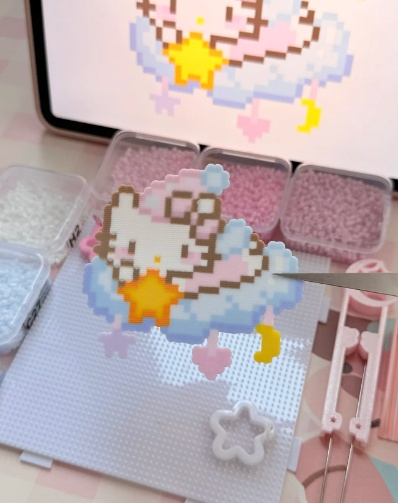
The community aspect is equally vital. Online, creators share intricate tutorials for advanced techniques like achieving a perfectly smooth ironing finish, creating complex 3D structures, or adding a glossy protective film for a professional shine. They commiserate over common frustrations, like beads scattering from a careless bump, and celebrate each other's dazzling creations. Offline, Perler Bead sessions in cafes or workshops have become a popular social activity, akin to a more tactile, quiet form of group gaming or puzzle-solving. It offers a space for connection that is collaborative rather than competitive, focused on shared creation.
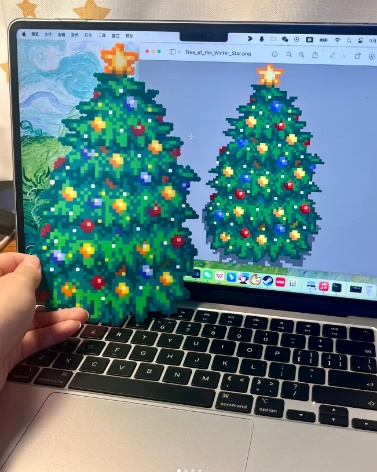
The economic ripple effects extend far beyond retail. In major manufacturing hubs, factories producing Perler Beads are operating at full capacity to meet the explosive demand. The market has also spurred entrepreneurship. Savvy artisans have transitioned from hobbyists to business owners, establishing online shops that sell not just materials, but original, copyrighted design patterns and complex 3D model kits. Pioneers in this space invested early in learning 3D modeling software to deconstruct objects into buildable bead blueprints, creating a lucrative niche that set them apart in a once-flat market. The trend has even gone global, with Chinese-made bead kits finding markets overseas on international e-commerce platforms, where they often sell at a significant premium.
As with any rapidly expanding market, cautions have emerged alongside the excitement. Consumer protection agencies have noted that certain low-cost bead products may release chemicals above safe levels when heated, prompting advice to prioritize quality materials and ensure proper ventilation during the ironing process. This highlights the growing pains of a hobby transitioning from a niche pastime to a mainstream industry.
Ultimately, the story of Perler Beads in China is more than a consumer trend report. It is a narrative about a generation consciously crafting moments of slowness. In the meticulous placement of each tiny bead, they find a respite from the endless scroll of social media and the abstract pressures of daily life. They are building not just pixel art, but pockets of peace, tokens of friendship, and a vibrant, supportive community—all connected by the simple, universal joy of making something with one's own hands. From a forgotten childhood toy to a cornerstone of a new stress-relief economy, the rise of Perler Beads illuminates a deep-seated yearning for tangible creativity, mindful focus, and authentic connection in an increasingly virtual world.

