


Youth Employment: Policy Precision to Resolve Structural Contradictions
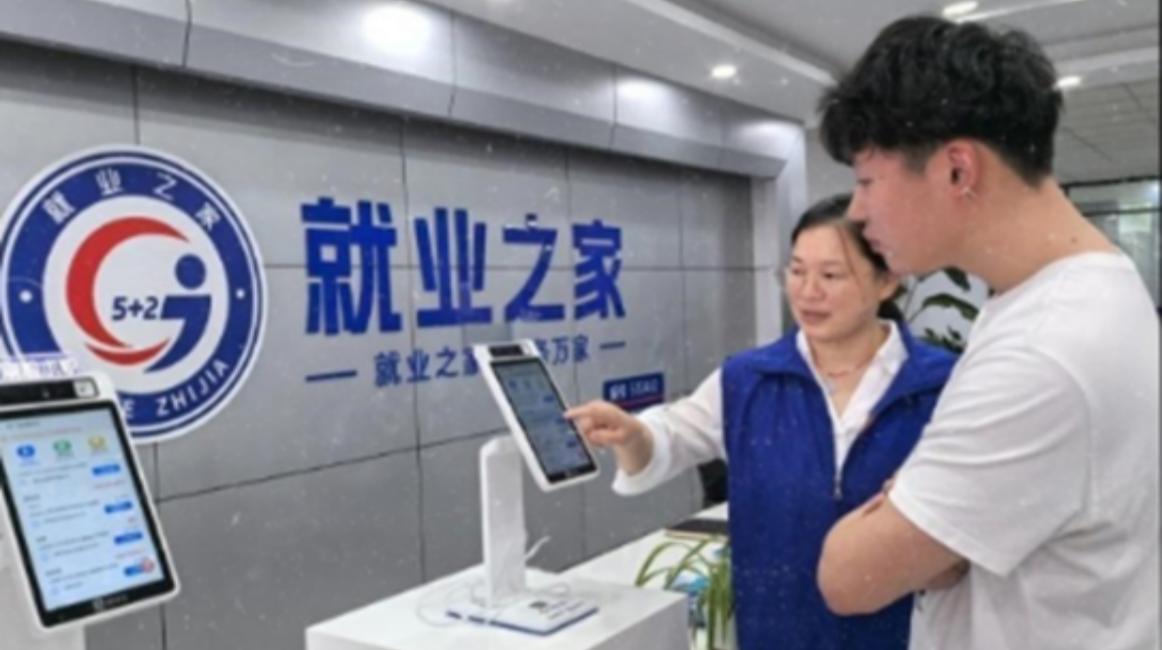
In 2025, the scale of college graduates will still reach 12 million, and youth employment will become the top priority of people's livelihood security. The three departments of the state have jointly issued 17 special policies to provide strong support for enterprises to absorb youth employment by continuing the policy of increasing the capital of state-owned enterprises and expanding the coverage of one-time job expansion subsidies. Innovatively launched the "Double Thousand" plan to improve employability, offering 1000 "micro-majors" and 1000 vocational ability training courses in colleges and universities across the country, and cooperating with the plan to raise millions of job trainees to accurately match market demand and youth skill improvement demands. For job-hunting groups in different places, youth employment stations have been built in many places across the country to provide "one-stop" policy interpretation and job docking services. Unemployed graduates who have left school can enjoy "1 1 3 1" special assistance to ensure that employment services do not leave dead ends, Let the road to youth employment be smoother.
Old-age security: long-term insurance expansion and medical integration to crack the "silver anxiety"
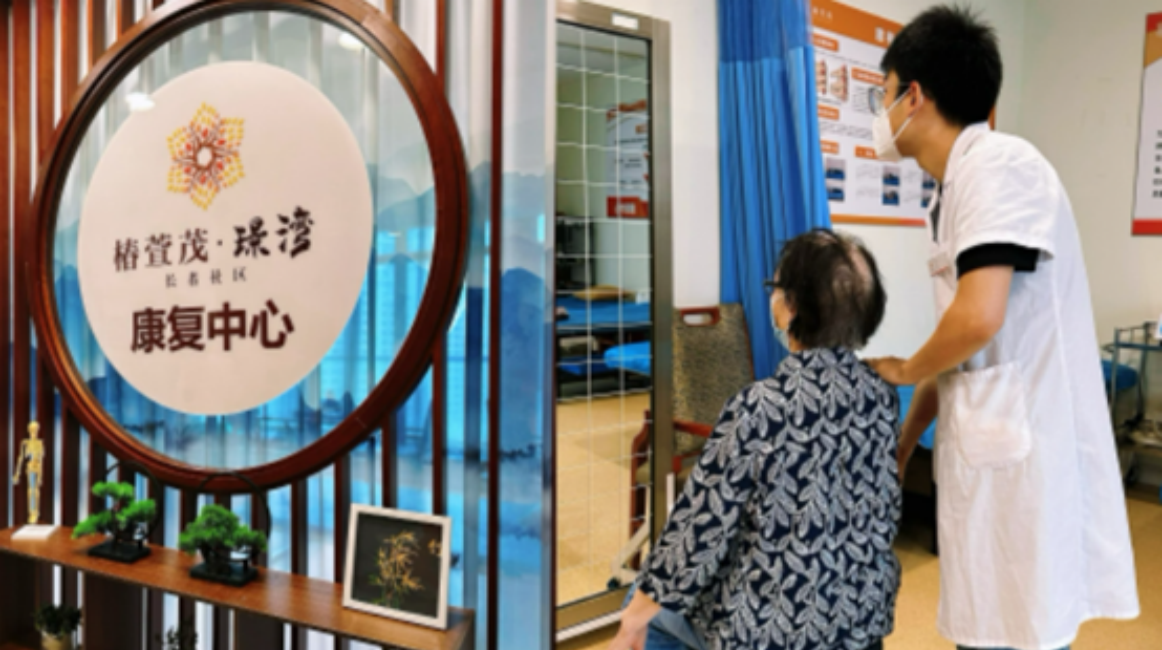
Under the background of accelerating the aging process, the upgrading of pension services has become the focus of people's livelihood. The National Medical Insurance Bureau officially issued the National long-term Care Insurance Service project Catalog, which includes 36 basic services such as diet care and medical care, and realizes the unification of service standards for institutions, communities and home care scenes. At present, it has covered nearly 0.19 billion insured people. The combination of medical care and nursing has been further promoted. 95% of the community health service centers in the country can provide elderly health management. Services such as family beds and door-to-door diagnosis and treatment reach the elderly at home. Shanghai Smart Nursing Home has increased the nursing efficiency by 3 times through intelligent mattresses, shift robots and other equipment. The pilot project of long-term care insurance has continued to expand, raising a total of more than 100 billion yuan, stimulating social capital investment of 60 billion yuan, and giving birth to nearly 10 million care posts, which not only ensures the disabled elderly to "provide for the aged with dignity", but also broadens employment channels. to achieve a win-win situation for people's livelihood security and industrial development.

Medical quality improvement: resource sinking and security expansion make health more accessible
In 2025, there were many breakthroughs in the field of medical and people's livelihood, and the problem of "difficult and expensive medical treatment" continued to ease. Assisted reproductive technology has been fully incorporated into medical insurance, covering 31 provinces across the country, 114 new drugs have been included in the medical insurance catalogue, clinically urgently needed drugs such as tumors and rare diseases have been "insured at a reduced price", and the proportion of hospitalization reimbursement for low-income people in rural areas has stabilized at 90 per cent. The construction of the "15-minute medical circle" has achieved remarkable results. Over 90% of residents can arrive at medical service points within a quarter of an hour. The proportion of diagnosis and treatment in primary medical institutions remains above 50%. 95% of community health service centers provide long-term prescriptions for chronic diseases and delayed outpatient services. The interconnection of medical data has been accelerated. Provincial "image clouds" have been built in 25 provinces across the country. More than 200 inspection results have been mutually recognized across institutions. Real-time settlement of medical insurance covers 640000 designated institutions. Pre-payment of outpatient services has been completely canceled, allowing the masses to "run less errands and not pay for medical treatment".
Housing security: quality upgrading from "having its own home" to "having its own home"
Housing and people's livelihood continue to focus on "stable security, quality", accurate docking of different groups of needs. Many places across the country have accelerated the transformation of old urban communities and urban villages. Jiangsu Province alone will complete the transformation of 771 old communities and 57900 urban villages in 2025. Through the addition of charging piles, parking spaces, and elderly care assistance facilities, Old residents share the dividends of urban development. The supply of indemnificatory rental housing has been greatly expanded, and a multi-level supply system of "one bed, one room and one suite" has been built. Jiangsu has raised 67600 units of indemnificatory rental housing throughout the year, and more than 890000 new inclusive places have been added nationwide, effectively solving the periodic housing difficulties of new citizens and young people. Measures such as the reduction of interest rates on stock mortgages and the optimization of cross-provincial and off-site loan policies for housing provident funds continue to be implemented. With the construction of livable communities, the "living with a place to live" is steadily moving forward to "living with a place to live", and the protection of housing and people's livelihood is more warm.

Care services: supply expansion and quality improvement to alleviate "baby anxiety"
"One small" care has become the core concern of the family, and the supply of childcare services will be upgraded in 2025. The number of infant care places under the age of 3 per thousand population in the country reached 4.73, the number of care service institutions increased to 126000, the total number of care places nearly 6.66 million, the "14th Five-Year Plan" since the increase of more than 100 percent, the proportion of universal care places continued to increase. In order to reduce the burden on families, 9 provinces introduced a subsidy system for childcare services, and 1315 counties (cities, districts) introduced construction and operation subsidies and consumer voucher policies. The national average price of day care dropped by 29%. The quality of childcare services has been upgraded simultaneously. 80000 childcare institutions have signed contracts with medical and health institutions to establish healthy growth files for infants and young children, provide professional health monitoring and guidance, so that dual-income families can "rest assured and nurture with peace of mind", and effectively alleviate The people's livelihood pain point of "difficult to bring a baby.